Cart
0
You may also like
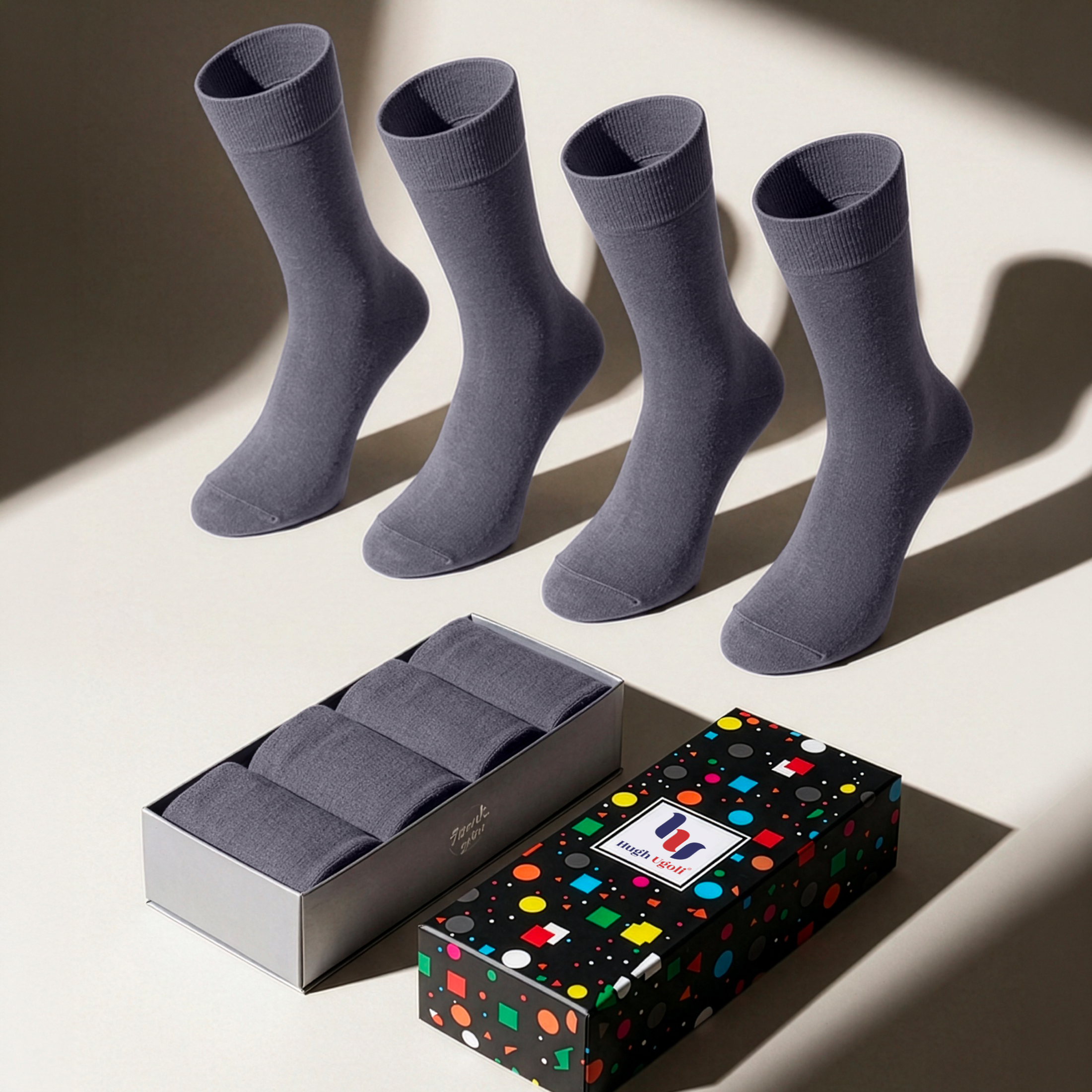
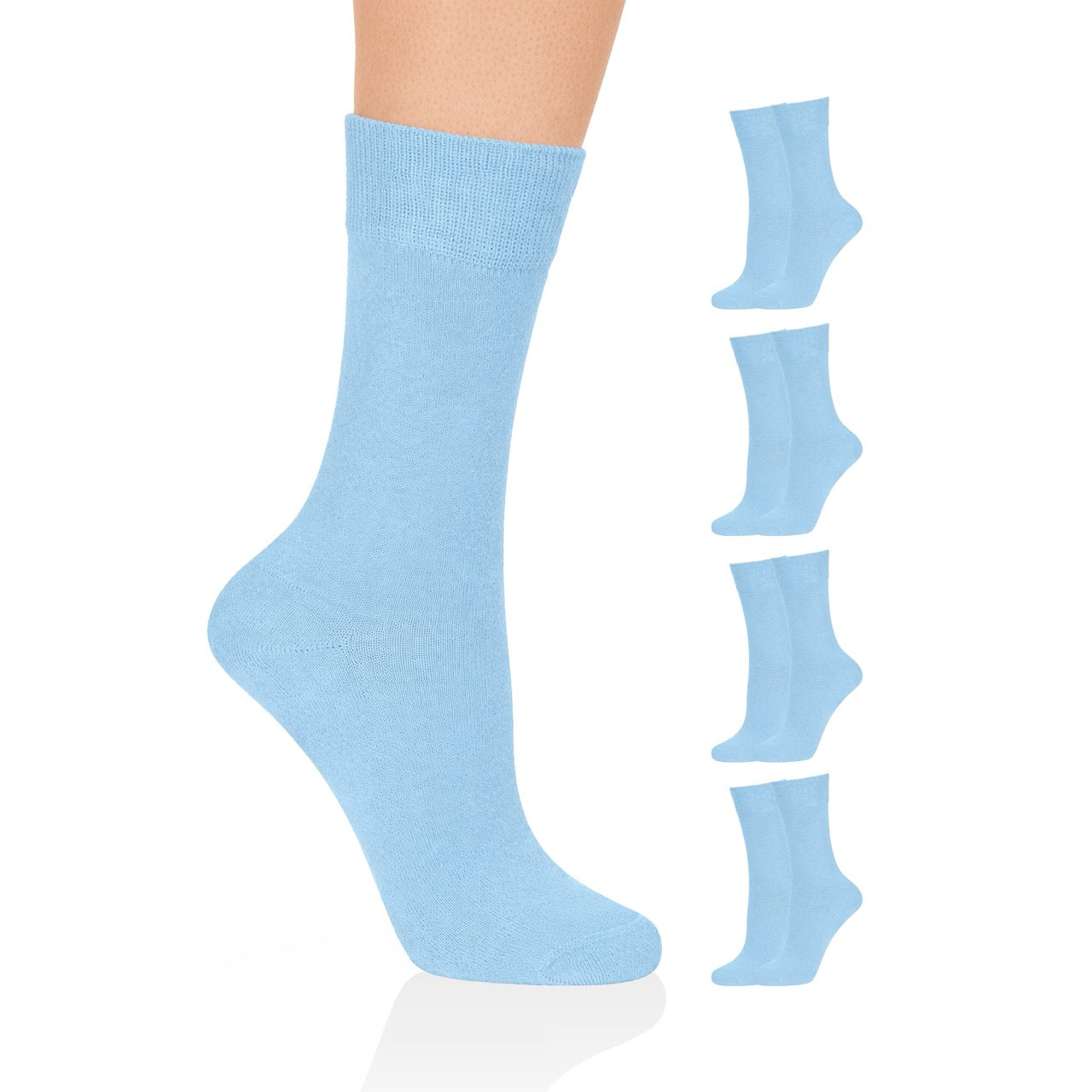
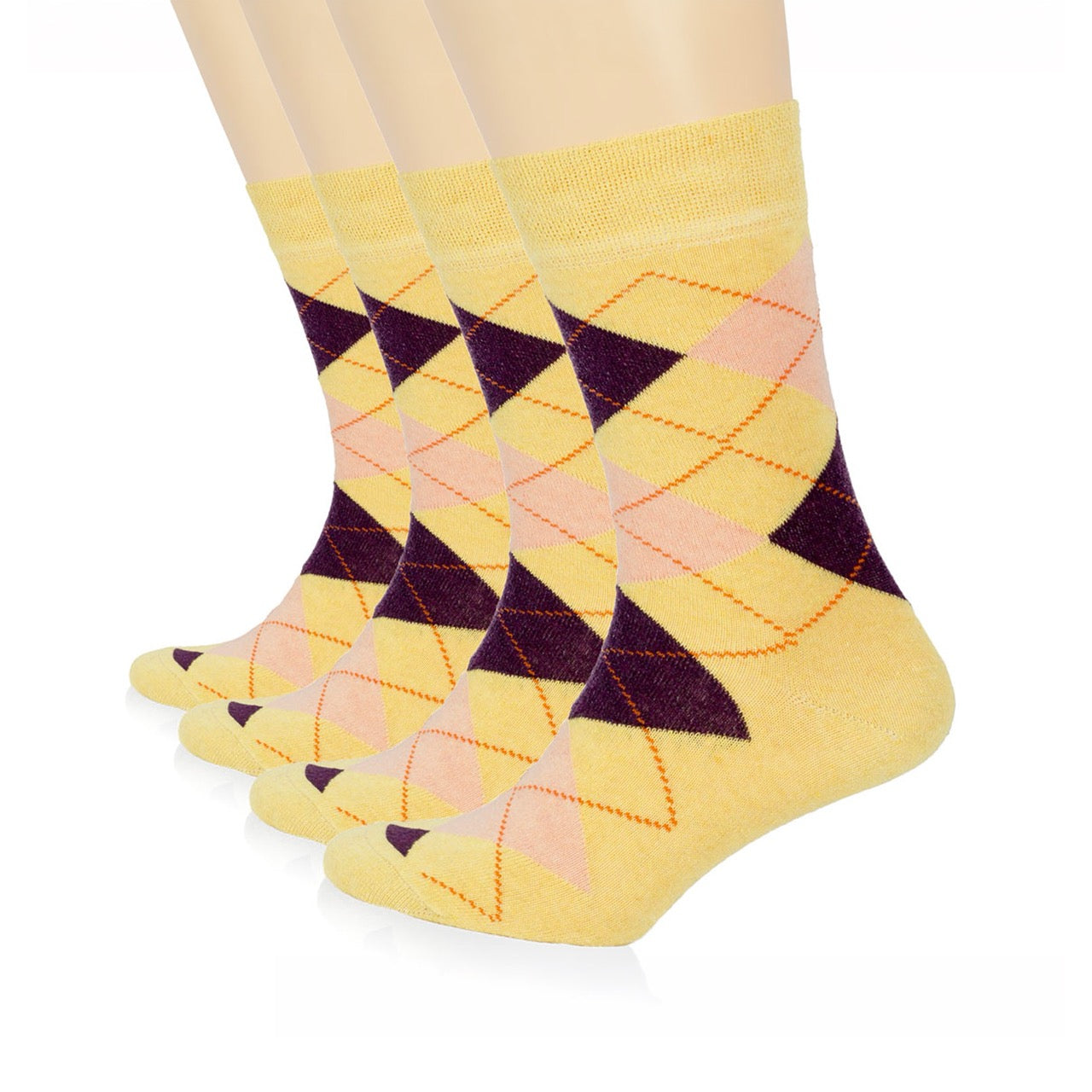
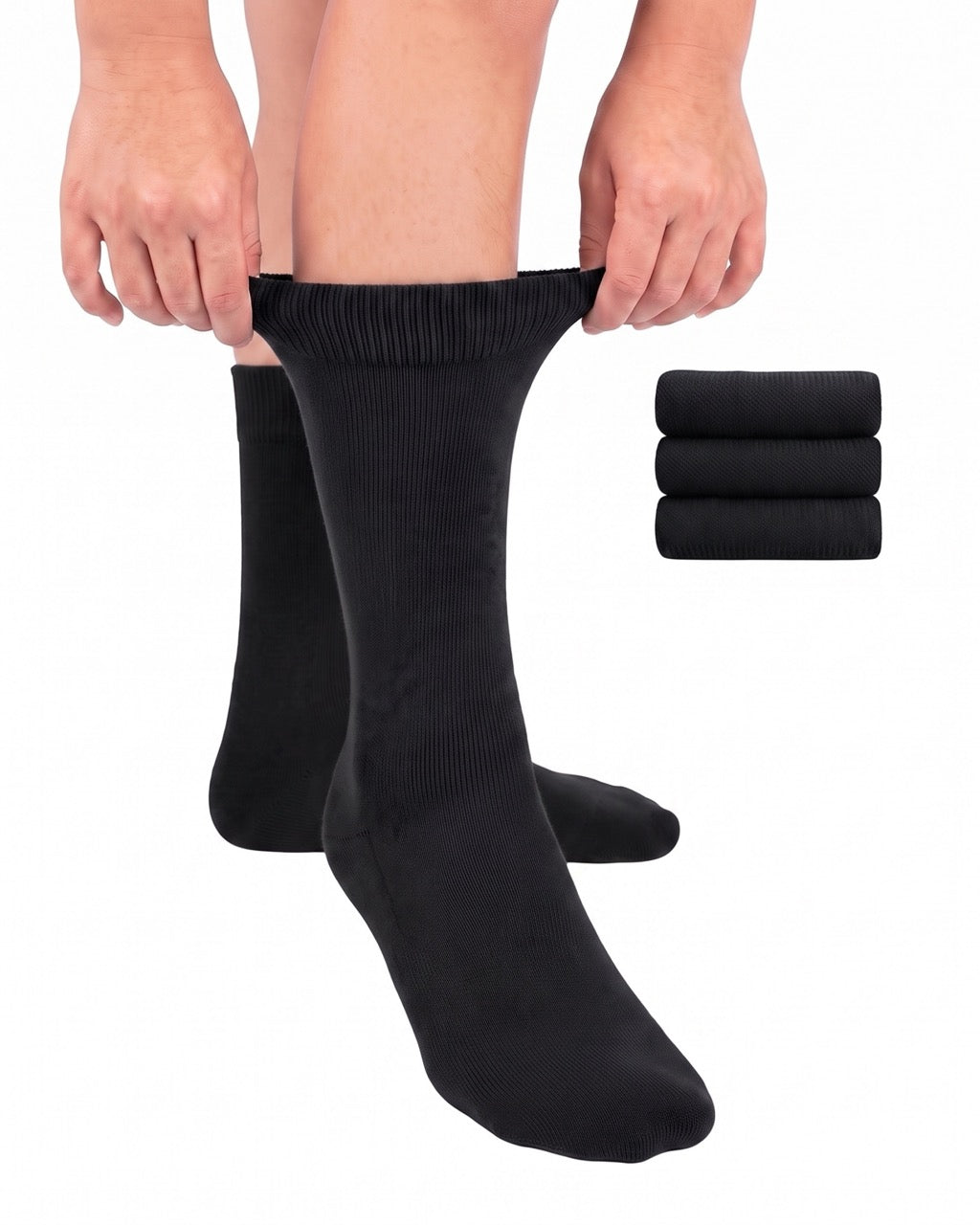
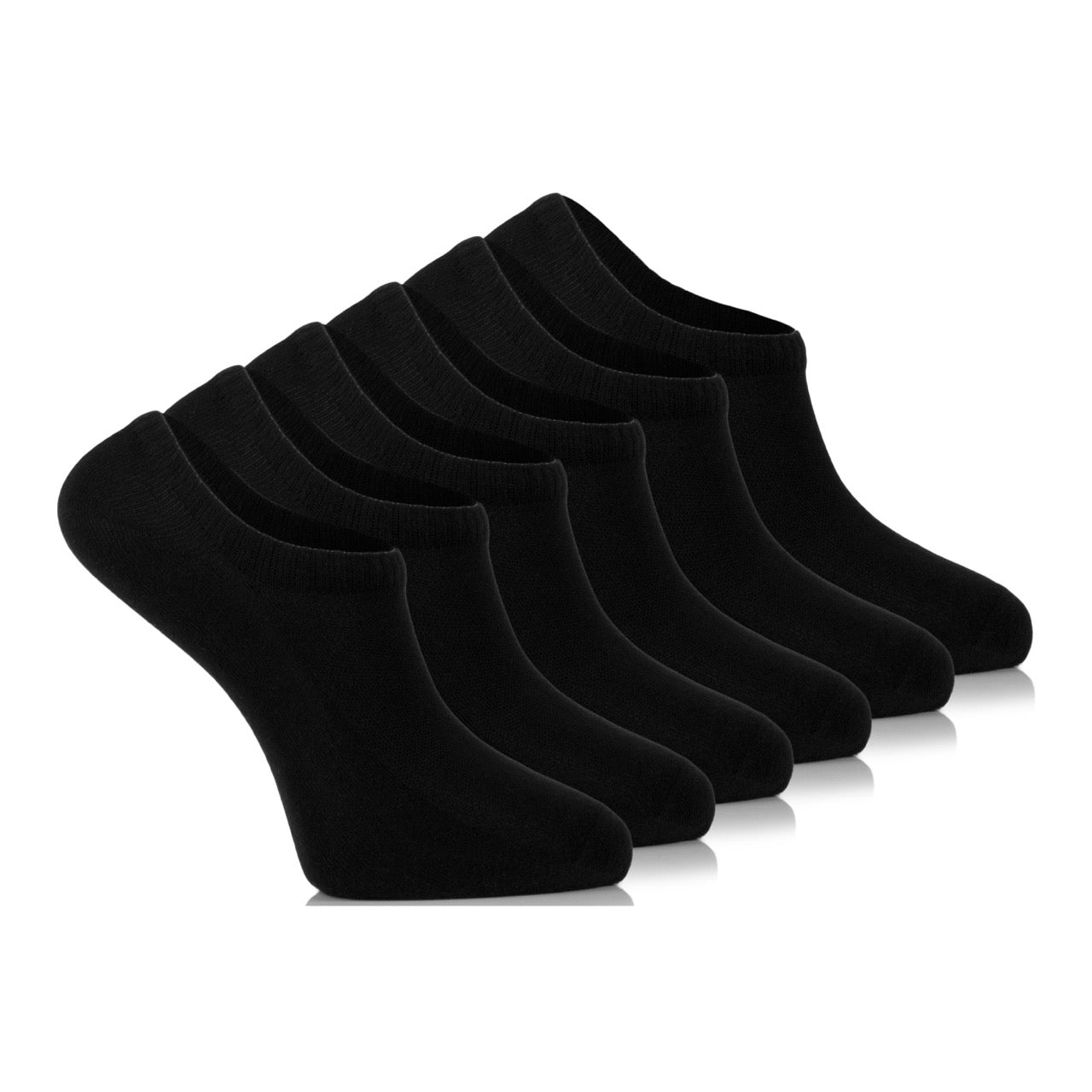


Bamboo viscose beats cotton for everyday women's socks on four measurable counts: the fibre has a round, smooth cross-section so it causes less friction against skin; it wicks moisture away and releases it rather than holding it like cotton does; it regulates temperature well enough to work year-round; and it holds shape and softness through far more wash cycles. When buying, check for at least 70-80% bamboo viscose with 3-5% elastane, a seamless or hand-linked toe, a non-binding band, and shoe-size-based sizing rather than one-size-fits-all.
Key Takeaways
Shopping for socks should be simple — but if you've ever stood in an aisle staring at a wall of options and walked away with something that bunched, itched, or slid down by noon, you know it isn't always. Women's socks occupy a frustrating middle ground in most stores: between fashion socks that look great but last three months, and thick athletic socks designed for performance rather than everyday wear. Bamboo socks have emerged as a third option that genuinely delivers on everyday comfort, durability, and breathability — and the demand among women looking for an upgrade from cotton has been rising steadily. This guide covers everything you need to know about choosing the best bamboo socks for women: what to look for, which styles work for different situations, and why bamboo fabric continues to win over skeptical buyers.
The appeal of bamboo-derived fabric isn't marketing — it comes from the material's actual properties. Bamboo fiber (usually bamboo viscose or rayon from bamboo) is structurally different from cotton and synthetic fibers in a few important ways that directly translate to how the sock feels and performs.
Softness: Bamboo fiber has a round, smooth cross-section that sits gently against skin rather than roughing it up with repeated friction. Women who have sensitive feet, skin conditions, or simply find cotton socks irritating often notice the difference immediately.
Moisture management: Bamboo fabric wicks moisture away from the skin efficiently and releases it into the air relatively quickly. Cotton absorbs moisture and holds onto it — meaning a cotton sock keeps your foot damp long after the initial perspiration.
Temperature regulation: Bamboo fibers have a natural thermoregulating quality. They help keep feet cool in summer and provide warmth in cooler seasons without the bulk of wool. This is why bamboo socks work year-round without needing a separate winter and summer sock drawer.
Durability: When properly cared for, quality bamboo socks maintain their shape and softness through significantly more wash cycles than cheap cotton alternatives.
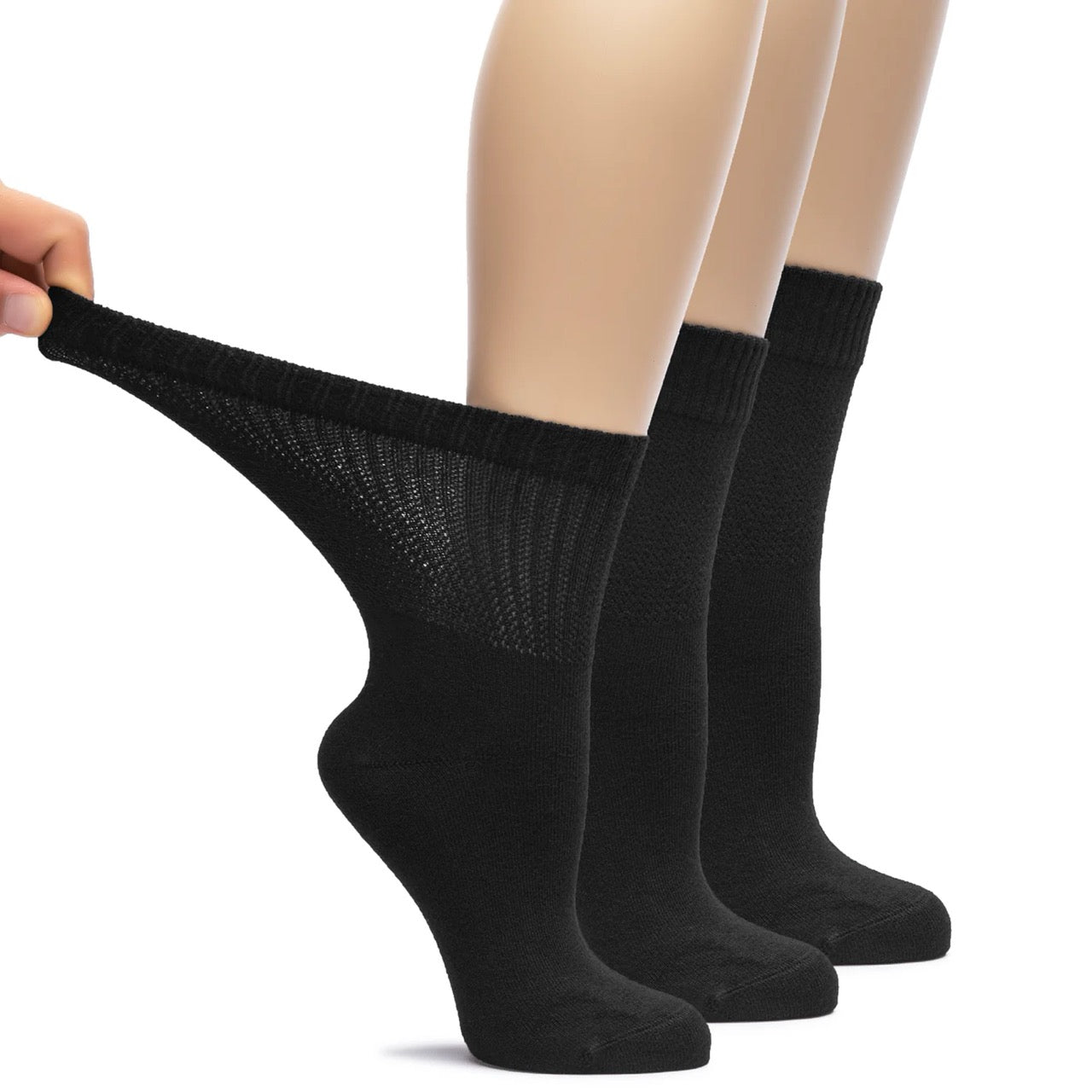
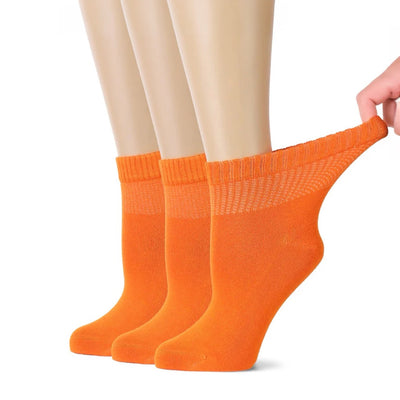
Ankle socks cover the foot and extend just above the ankle bone — the most versatile everyday option. They're appropriate for sneakers, casual shoes, and low-profile footwear. For women managing diabetes or mild swelling, ankle-height bamboo socks don't add compression above the ankle and allow circulation to flow freely. The Hugh Ugoli Women's Comfortable Diabetic Bamboo Ankle Socks for Swollen Legs are designed with a non-binding top and seamless toe — features equally suitable for women without diabetes who simply want a sock that doesn't squeeze.
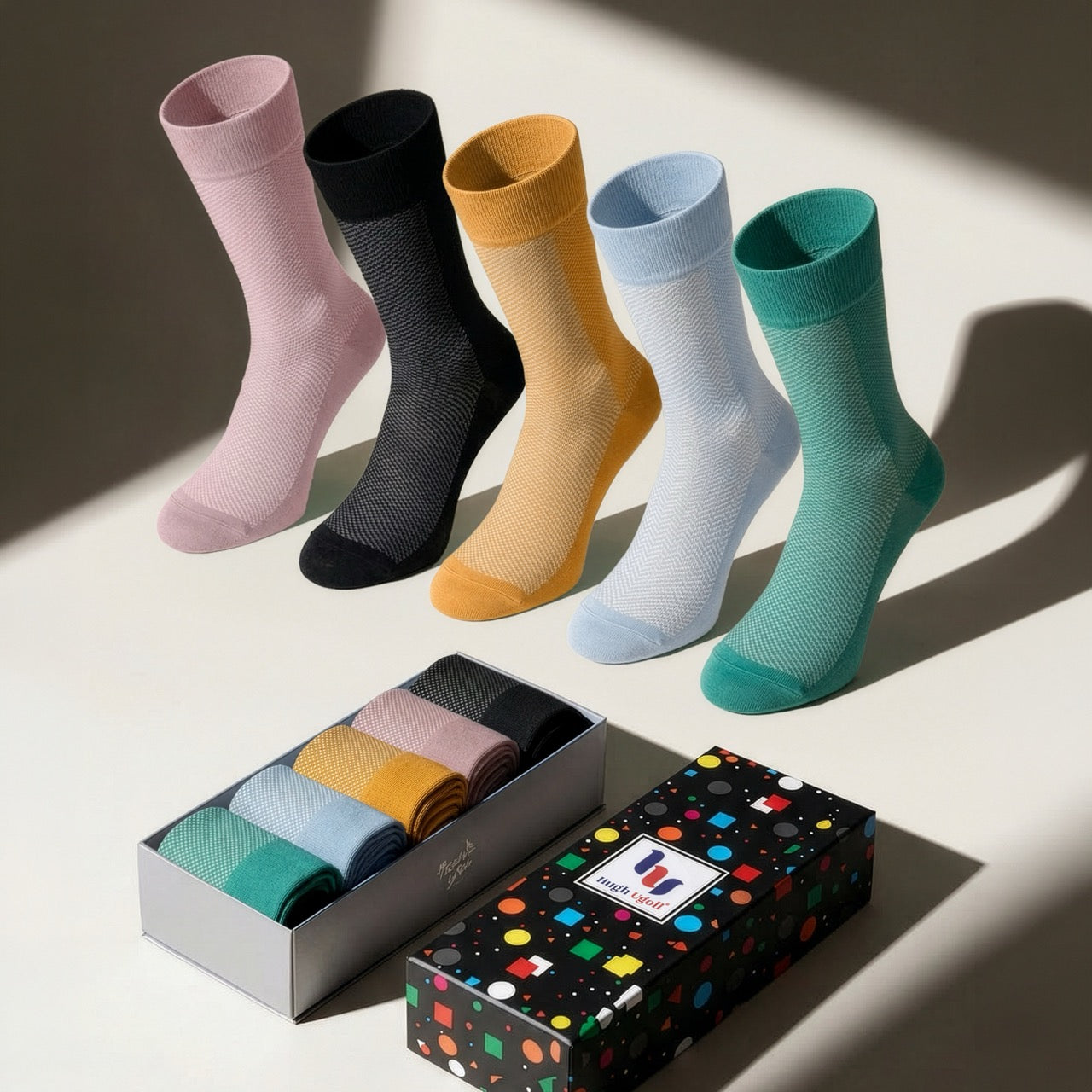
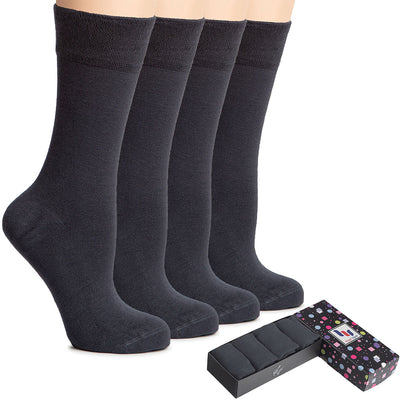
Crew socks extend several inches above the ankle — typically to the mid-calf — and are the classic silhouette for everyday and business casual wear. Bamboo crew socks in solid colors pair well with both office attire and casual weekend outfits. The Hugh Ugoli Women's Dress Crew Bamboo Business Socks offer a polished, thin-profile crew cut in a range of neutral and rich tones — excellent value compared to department store dress socks that wear out in one season.
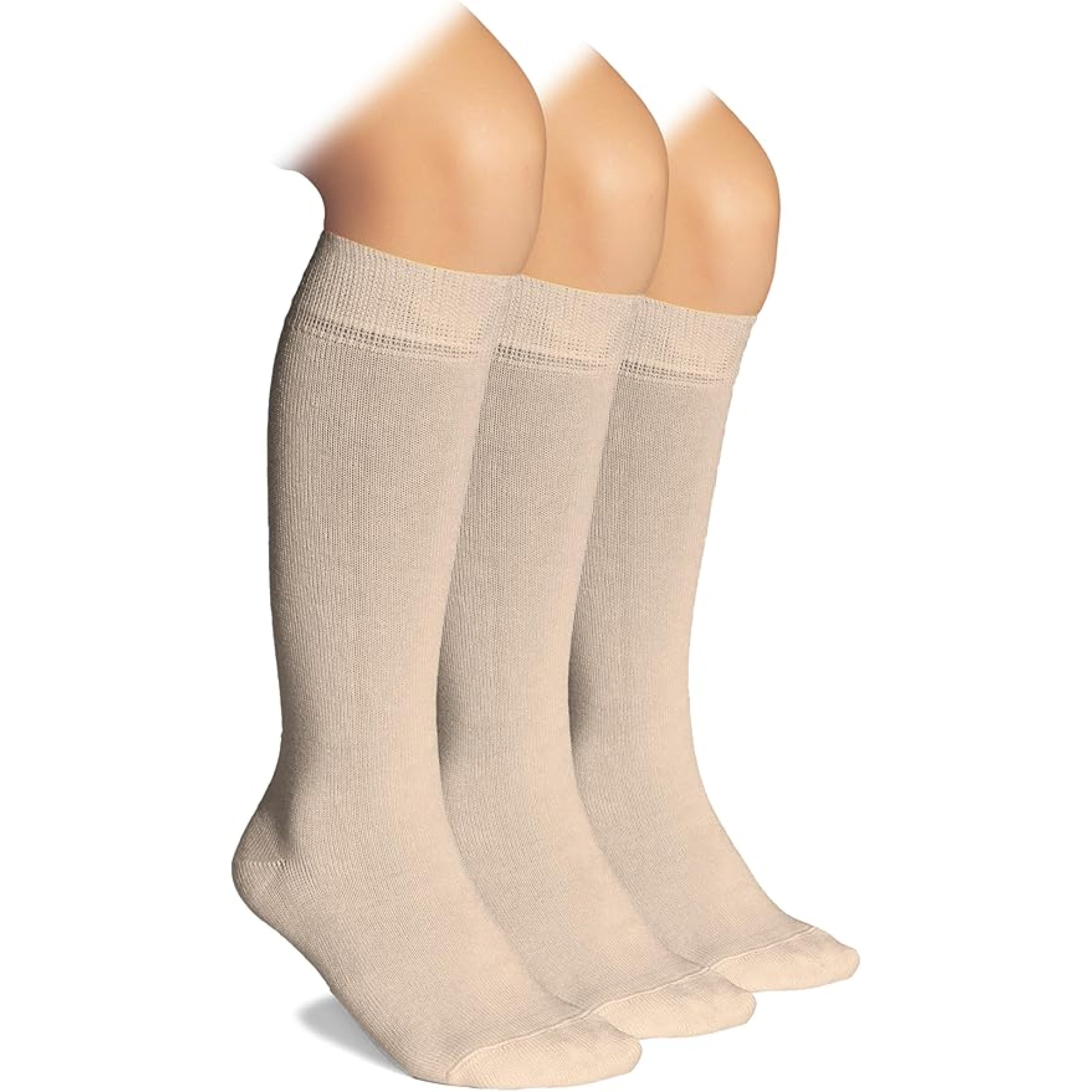
Bamboo knee-highs are popular in transitional seasons when it's too warm for wool but too cool for bare legs. They're also a go-to for women who stand or walk extensively. The Hugh Ugoli Knee-High Bamboo Dress Socks for Women come in a wide range of colors and are designed to stay up through a full day without rolling or slipping.
No-show socks sit below the shoe line and are designed to be invisible with loafers, ballet flats, sneakers, and mules. Good bamboo no-shows include a silicone grip strip at the heel to stay anchored. They're ideal for warmer months when sockless shoes look appealing but comfort and hygiene matter.

Women who deal with eczema, dermatitis, or general skin sensitivity often find cotton socks irritating. Bamboo's smoothness and moisture-wicking properties make it a gentler alternative. For women with diabetes, the seamless toe and non-binding band in diabetic-style bamboo socks address the key irritation and circulation concerns that can lead to skin breakdown. The Hugh Ugoli Women's Bamboo Diabetic Crew Thin Socks are specifically designed around these principles: a lightweight bamboo blend, no internal seams at the toe, and a soft top that doesn't dig in.
Women who experience swelling at the end of the day benefit from the accommodating fit of a non-binding bamboo sock. Unlike tight cotton socks that leave visible pressure marks, well-designed bamboo socks adjust to the foot's changing volume without creating constriction.
The key factors that determine bamboo sock lifespan:
With proper care, expect quality bamboo socks to last 12–18 months or more with regular wear — longer than most cotton dress socks.
A practical starting point is 7 pairs for everyday wear — enough for a full week without repeating. If you rely on dress socks for work, add 3–4 dedicated dress pairs in neutral colors. The temptation to buy cheap cotton socks in large quantities rarely favors the buyer: a handful of quality bamboo pairs will outlast several rounds of cheap cotton while delivering a noticeably better daily experience.
Yes — the structural smoothness of bamboo fiber makes it feel noticeably softer against skin than standard cotton. The difference is most apparent in the first few wears. Well-made bamboo socks maintain their softness through repeated washing, while cotton can become rougher as the fiber breaks down.
Bamboo has natural thermoregulating properties — the fiber allows more airflow than cotton and wicks moisture more efficiently, which contributes to a cooler feel in warm weather. Compared to cotton socks in the same shoe, bamboo typically produces a more comfortable experience in heat.
Yes — many diabetic-style bamboo socks are designed specifically with diabetes-related foot concerns in mind. Features like seamless toes, non-binding bands, and moisture-wicking fabric address the key irritation and circulation concerns. Always follow your healthcare provider's recommendations regarding foot care.
Wash in cool or warm water (not hot) and either air dry or tumble dry on a low setting. High heat is the main cause of shrinkage and fiber breakdown in bamboo socks.
Bamboo socks with a good elastane blend (3-5%) have enough stretch to accommodate wider feet without feeling tight across the top of the foot. Look for socks sized by shoe size rather than one-size-fits-all for the best fit.

Discover All Hugh Ugoli Socks
Shop All Socks