Cart
0
You may also like
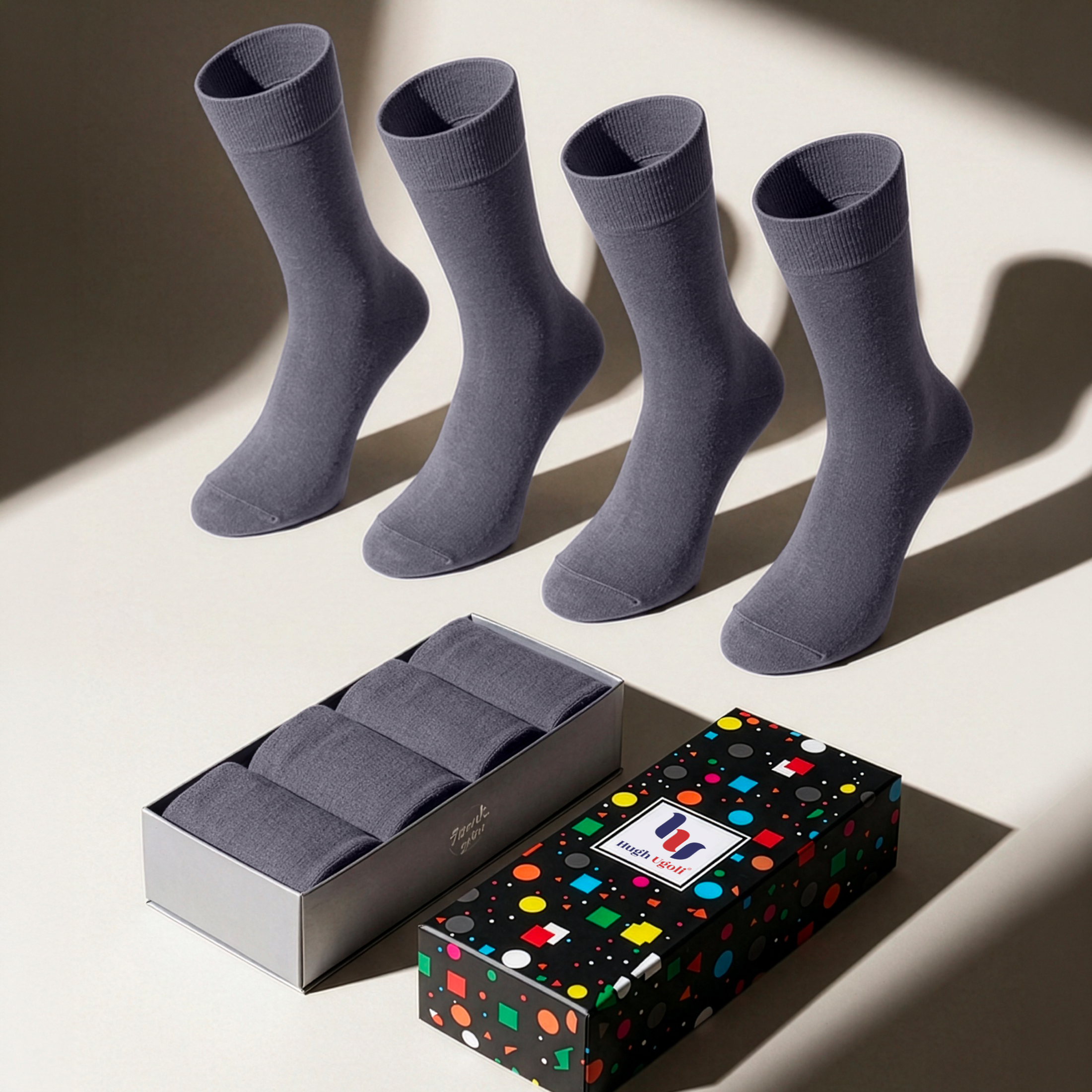
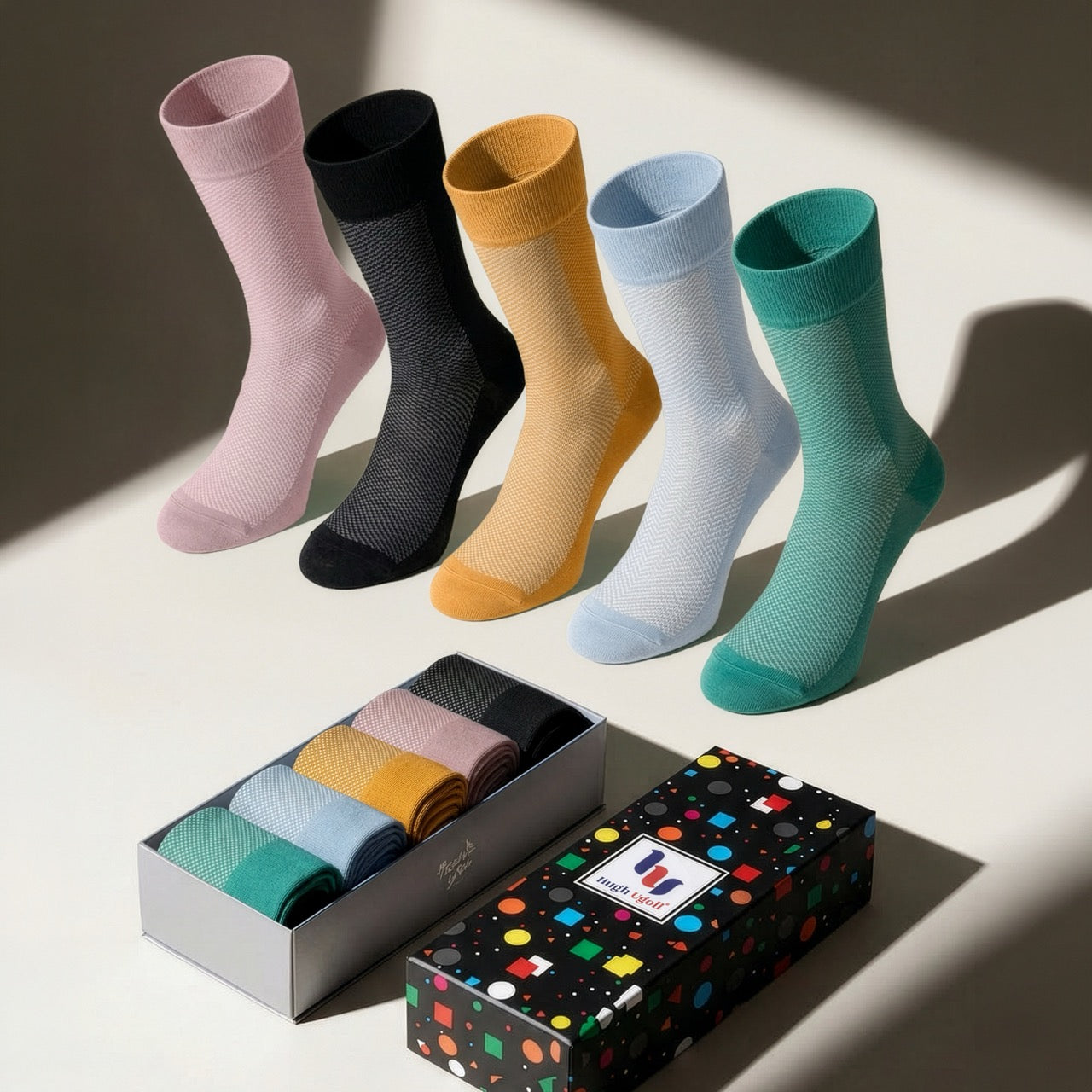
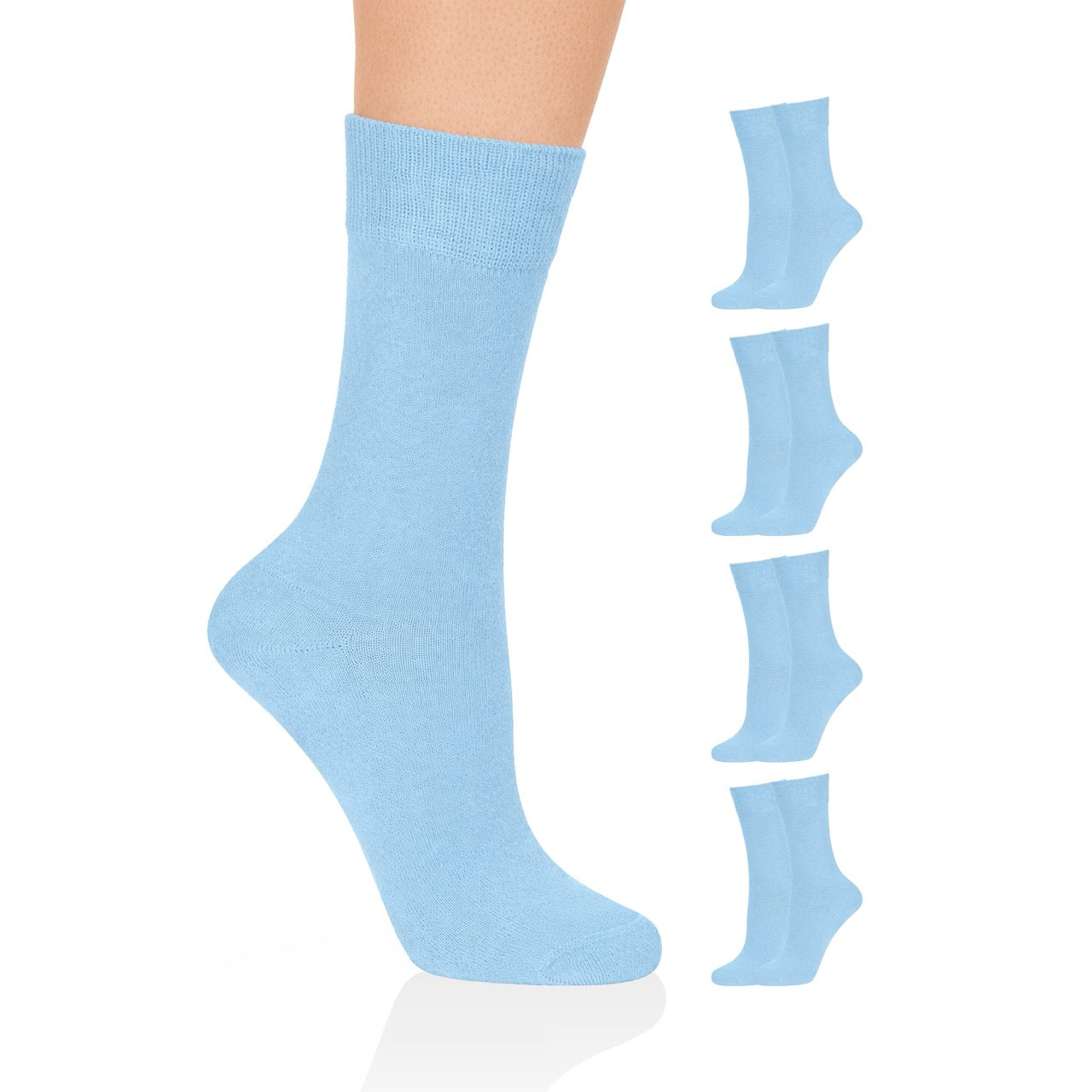
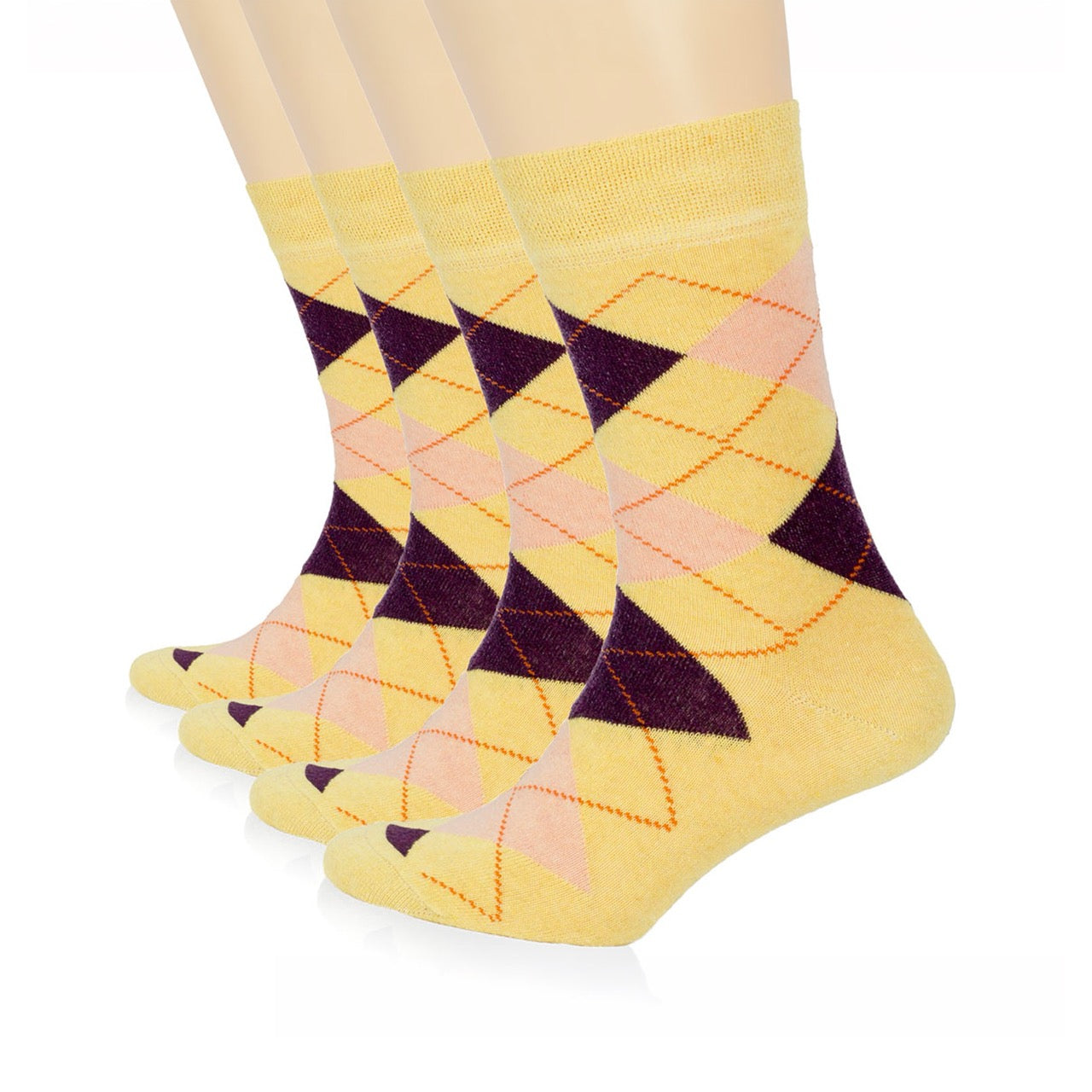
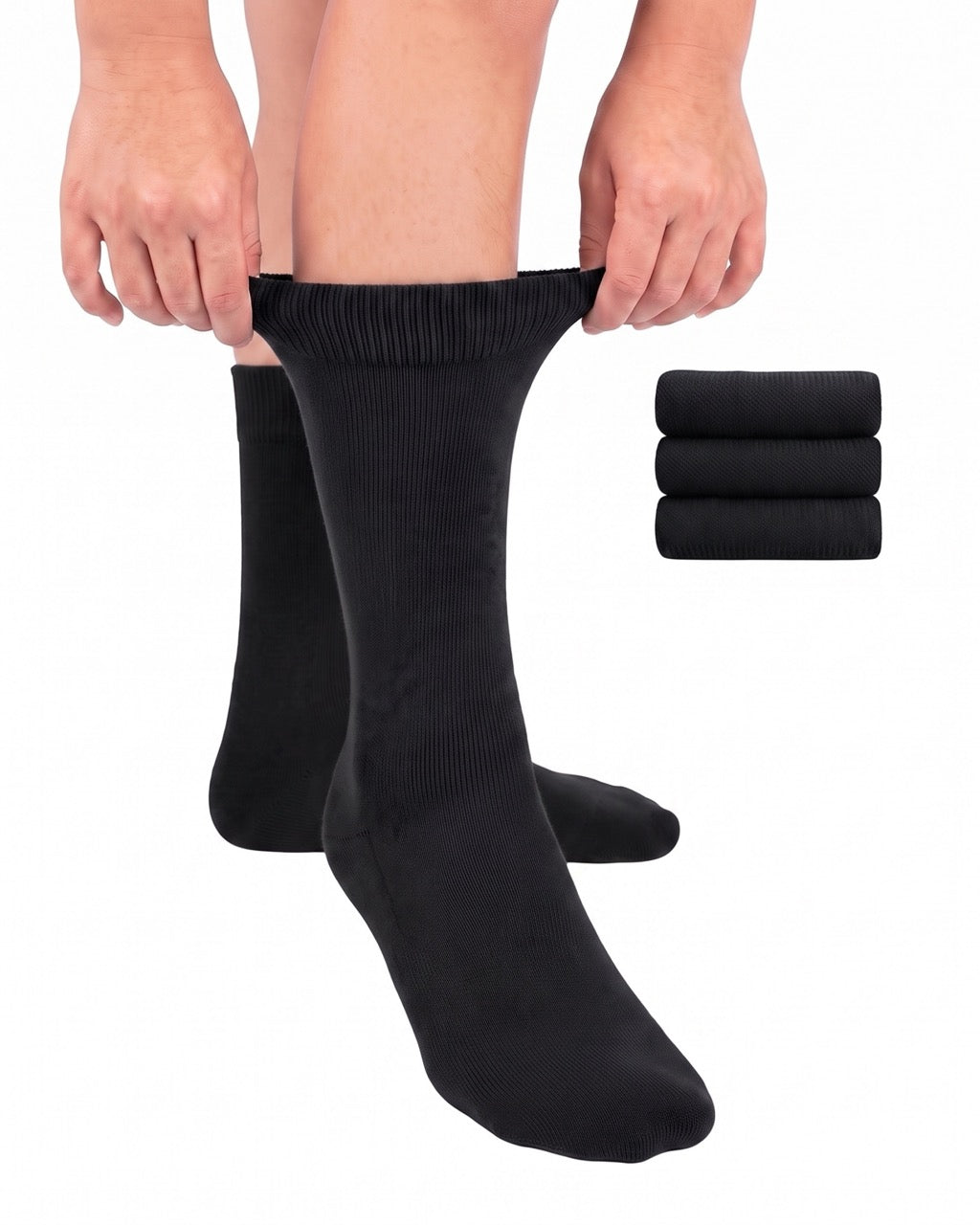
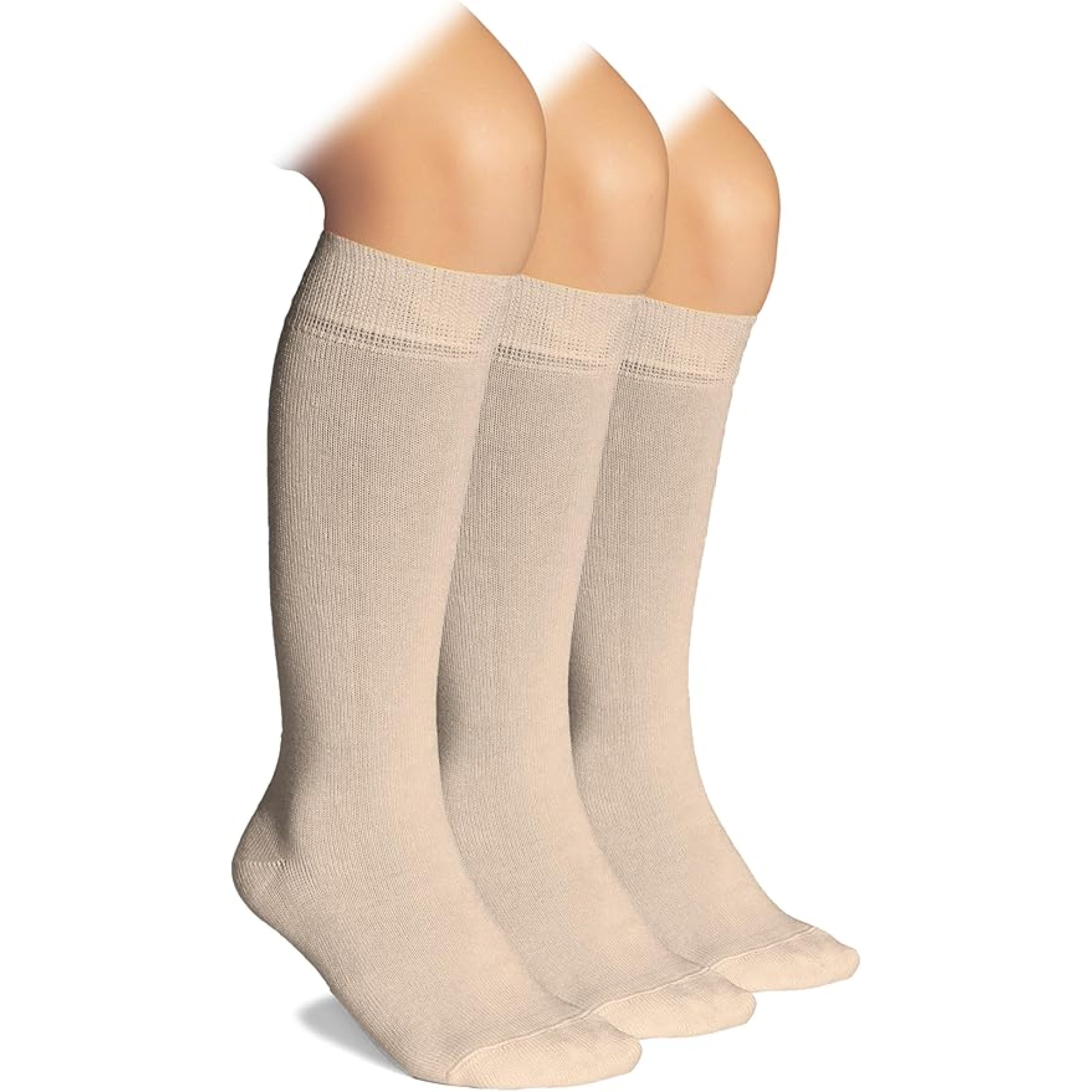


Nurses walk roughly four to five miles per shift on hard hospital floors, so the sock is doing real work: managing moisture through twelve active hours, removing friction points, cushioning the heel and ball, and not restricting circulation during long periods of standing. Look for a moisture-moving fibre such as bamboo viscose rather than cotton, a seamless toe, mid-weight cushioning at heel and ball, and a non-binding top band. Graduated compression at 15-20 mmHg helps if end-of-shift leg heaviness is your main complaint — put it on in the morning, before swelling starts.
Key Takeaways
Nursing is one of the most physically demanding professions on the planet. A standard shift can mean 10 to 12 hours of continuous movement — walking across units, standing at patient bedsides, bending, lifting, rushing to emergencies. Studies published in occupational health journals estimate that hospital nurses walk an average of 4 to 5 miles per shift, with some logging significantly more. Given those numbers, what you put on your feet every day isn't a minor wardrobe decision — it's a factor in your comfort, your health, and your longevity in the profession. This guide is written specifically for nurses and healthcare workers who want to make a more informed choice about the socks that go inside those nursing clogs and sneakers.
The conversation about nursing footwear almost always centers on shoes. And shoes are important — a supportive, anti-slip clog or athletic nursing shoe makes a real difference. But socks are the interface between foot and shoe. A well-designed shoe paired with the wrong sock still produces blisters, moisture buildup, odor, and by hour eight, serious discomfort.
For nurses specifically, the main sock-related challenges are: moisture accumulation from continuous activity, friction and pressure points from internal seams, circulation effects from standing for extended periods, and instability when a sock shifts inside a fast-moving nurse's shoe.
This is non-negotiable for anyone on their feet all day. Cotton absorbs and holds moisture — a cotton sock wet from perspiration stays wet. Bamboo fiber, merino wool, and technical synthetics all handle moisture far better. Bamboo-derived fabric is particularly popular with healthcare workers because it combines moisture management with natural softness — a combination that feels good at hour one and at hour twelve.
In fitted work shoes, a raised toe seam sits against the longest toe for the entire shift. Multiplied across thousands of steps, even a small seam causes real irritation. Seamless toe socks eliminate this contact point. For nurses with diabetes, circulatory conditions, or sensitive feet, seamless toes are especially important since the risk of skin breakdown is higher and the consequences more significant.
The heel and ball of the foot bear the most impact during walking and standing. A moderate cushion in these areas reduces fatigue accumulation over a long shift. Most nurses find cushioning equivalent to a mid-weight athletic sock is optimal: more protective than a dress sock, less bulky than a hiking sock.
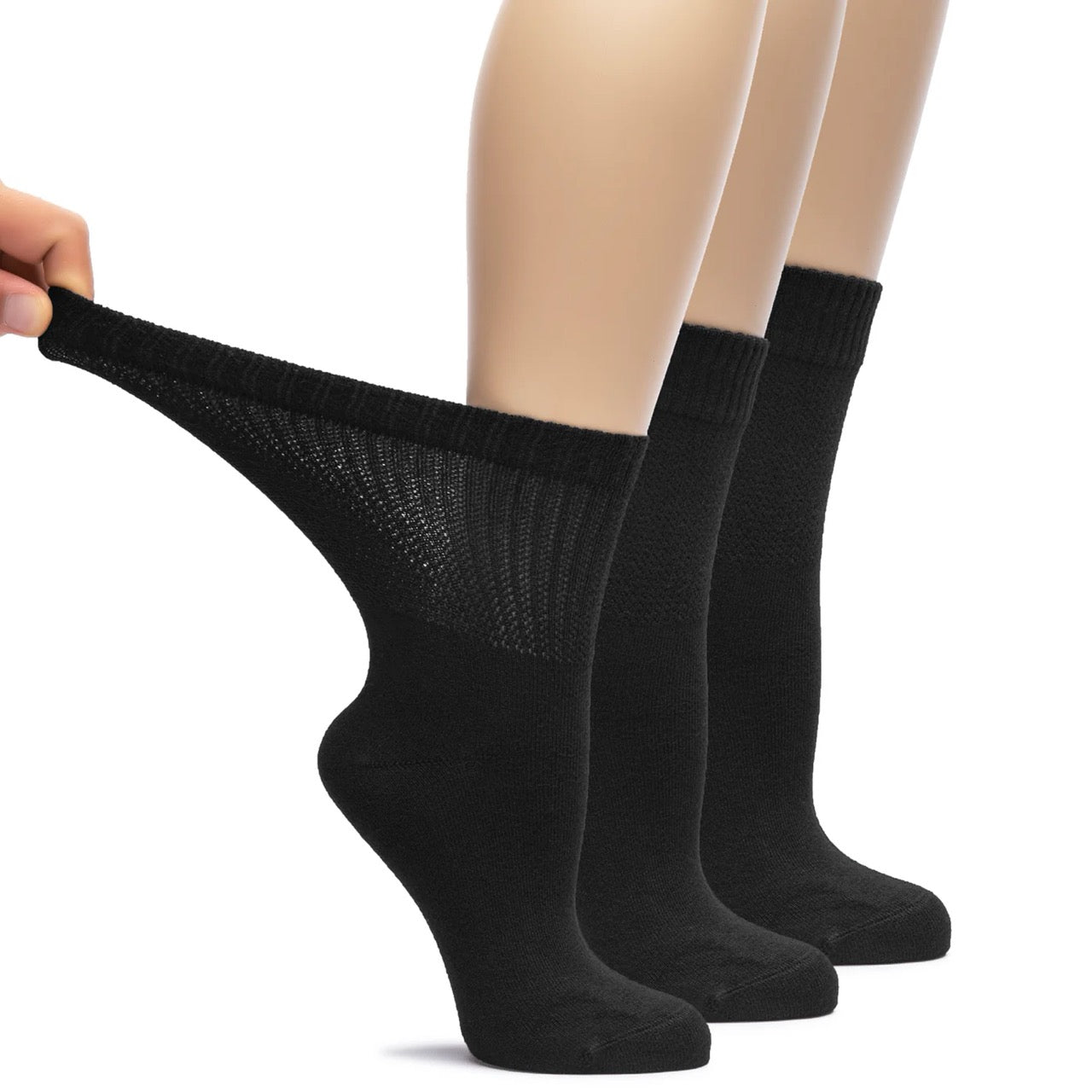
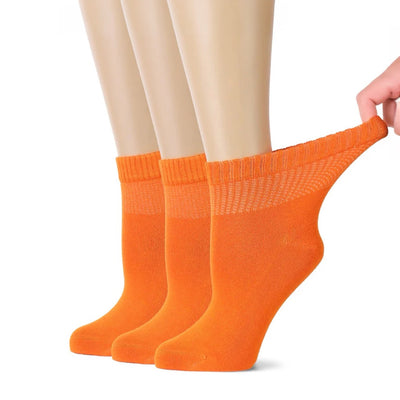
A sock band that grips too tightly restricts venous circulation — exactly the opposite of what's needed during long periods of standing. Non-binding construction keeps blood circulating freely while still keeping the sock in place. The Hugh Ugoli Women's Comfortable Diabetic Bamboo Ankle Socks for Swollen Legs use a non-binding top construction originally designed for people with circulation concerns — a feature that translates directly to the nursing context where standing for hours is routine.

Graduated compression socks are commonly recommended for nurses and healthcare workers who experience end-of-shift leg fatigue, mild swelling, or significant time on their feet on hard surfaces. The mechanism is circulatory: compression helps push venous blood back toward the heart, countering the effect of gravity during prolonged standing. Many nurses report noticeably less leg heaviness when wearing compression socks consistently.
Compression socks for healthcare work typically fall in the 15–20 mmHg range (light to moderate compression). Important considerations: put compression socks on in the morning before significant swelling begins, knee-high compression is more effective than ankle-height for general circulation support, and for nurses with varicose veins or any circulatory condition, consult with a provider before choosing a compression level.
Hospital floors are hard — typically polished concrete, linoleum, or tile. Unlike carpeted environments, hard floors don't absorb any of the impact of each step. Over a 12-hour shift, this matters significantly at the sock and shoe level. Hard surface impact is a major contributor to heel pain, arch fatigue, and shin splints in healthcare workers. Socks with good heel cushioning partially mitigate this, but sock choice alone isn't sufficient — a supportive shoe is the primary defense. Socks and shoes work together; neither substitutes for the other.
Healthcare workers wash their socks frequently — often daily. To extend the life of quality nursing socks: wash in warm (not hot) water; avoid washing socks with items treated with strong disinfectants; tumble dry on low or air dry; and own enough pairs to rotate. Owning 7–10 pairs means each pair is washed significantly less often than if you own 3–4 pairs. Budget an annual sock replacement cycle into your personal gear expenses.
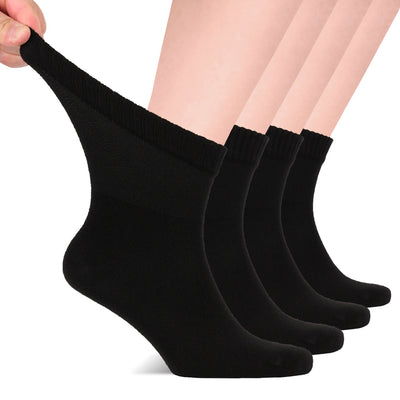
Male nurses and healthcare workers have the same functional needs: moisture management, cushioning, seamless toes, and non-binding construction. The Hugh Ugoli Men's Lightweight Bamboo Diabetic Ankle Socks were designed with all these characteristics in mind. The lightweight construction keeps feet from overheating in warmer clinical environments while the bamboo blend manages moisture effectively through an active shift.
This article is for general information and is not medical advice. Talk to your healthcare provider about your own feet.
Not all nurses require compression socks, but many find them helpful. Those who experience end-of-shift leg fatigue, mild ankle swelling, or who work long consecutive shifts often report significant improvement in comfort with light to moderate compression (15-20 mmHg). For general fatigue without a specific circulatory concern, cushioned non-binding socks may be sufficient for many nurses.
Yes — bamboo socks offer several properties well-matched to nursing work: efficient moisture management during active shifts, natural softness that reduces friction over long hours, thermoregulating properties that help in variable clinical environments, and a surface that tends to hold less odour during extended wear.
With daily wear and frequent washing, owning 7 to 10 pairs allows adequate rotation. This means each pair is washed less frequently, which extends fabric and elastic life considerably. Replace worn pairs proactively — continuing to wear socks with thinned heels or stretched bands undermines the foot support benefits you're paying for.
Moisture-wicking materials — bamboo, merino wool, or technical synthetics — reduce the main conditions associated with blisters: moisture buildup and friction. Seamless toes remove a common friction point. A properly fitted sock that doesn't shift inside the shoe reduces the risk further. Cotton, which retains moisture, is the material most associated with blister formation during extended activity.
For most nurses, yes. The same quality bamboo or compression sock appropriate for a 12-hour shift works fine for shorter ones. Where variation might make sense is in compression level: some nurses find full graduated compression knee-highs excessive for a 4 to 6 hour shift but very useful for 10 to 12 hours.

Discover All Hugh Ugoli Socks
Shop All Socks