Cart
0
You may also like
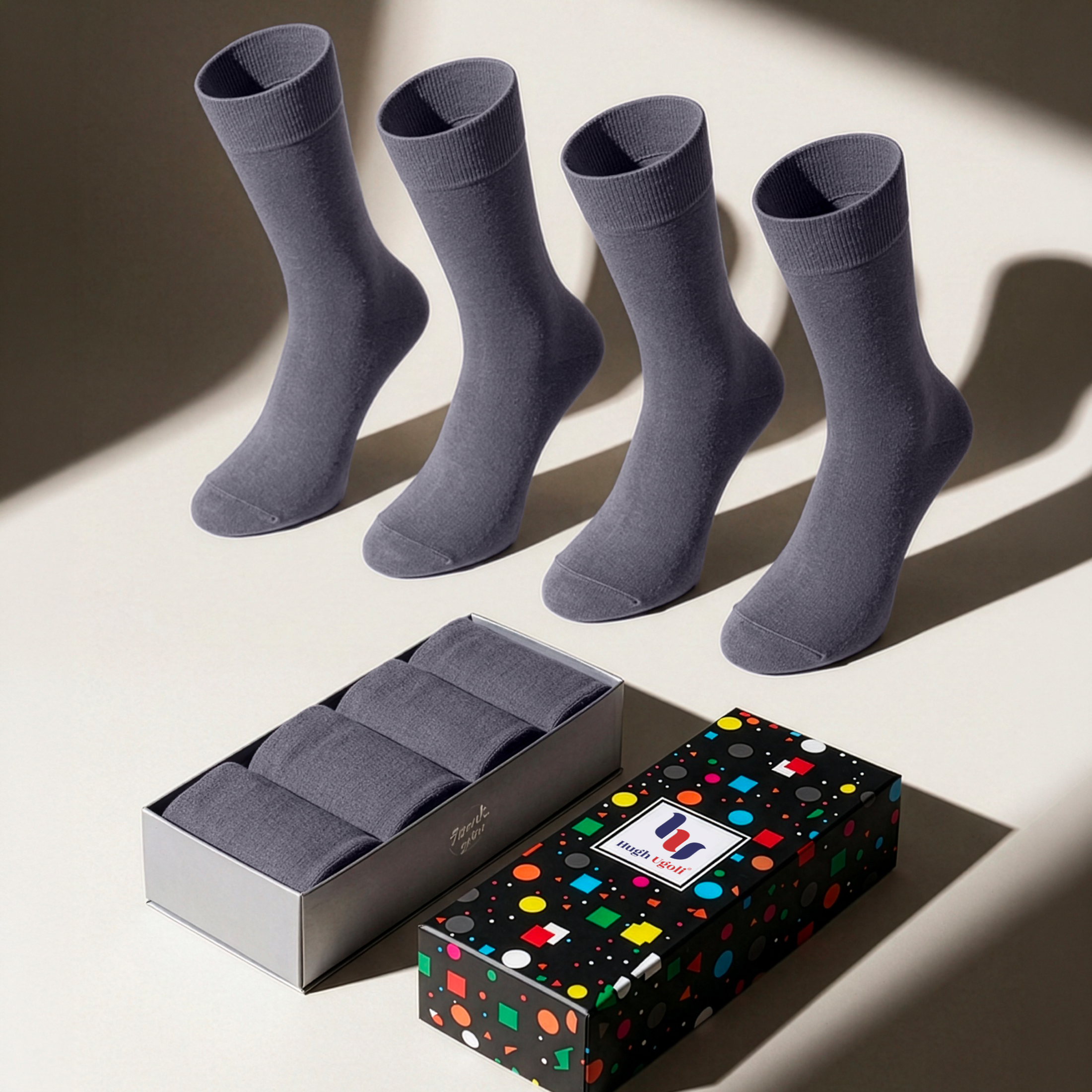
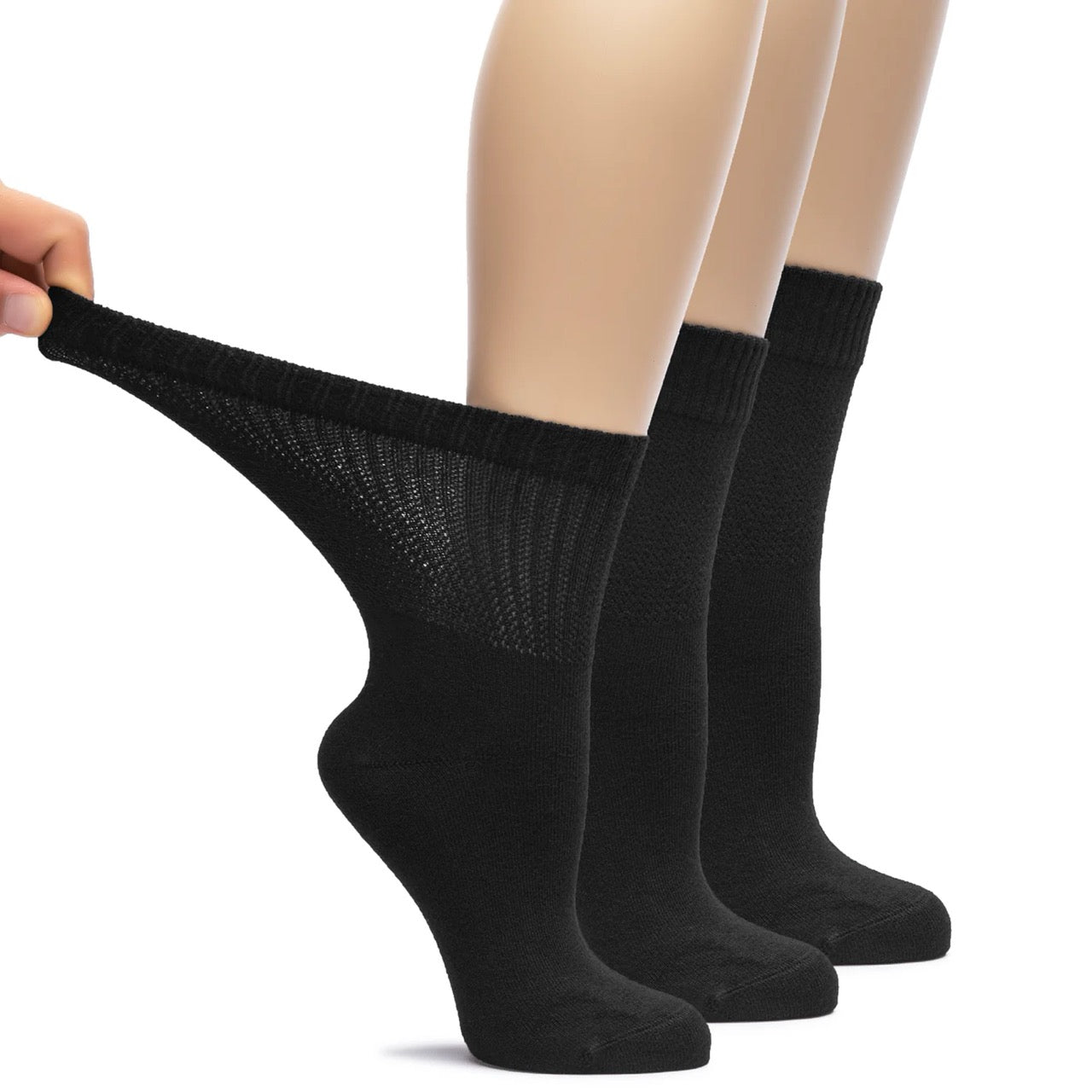
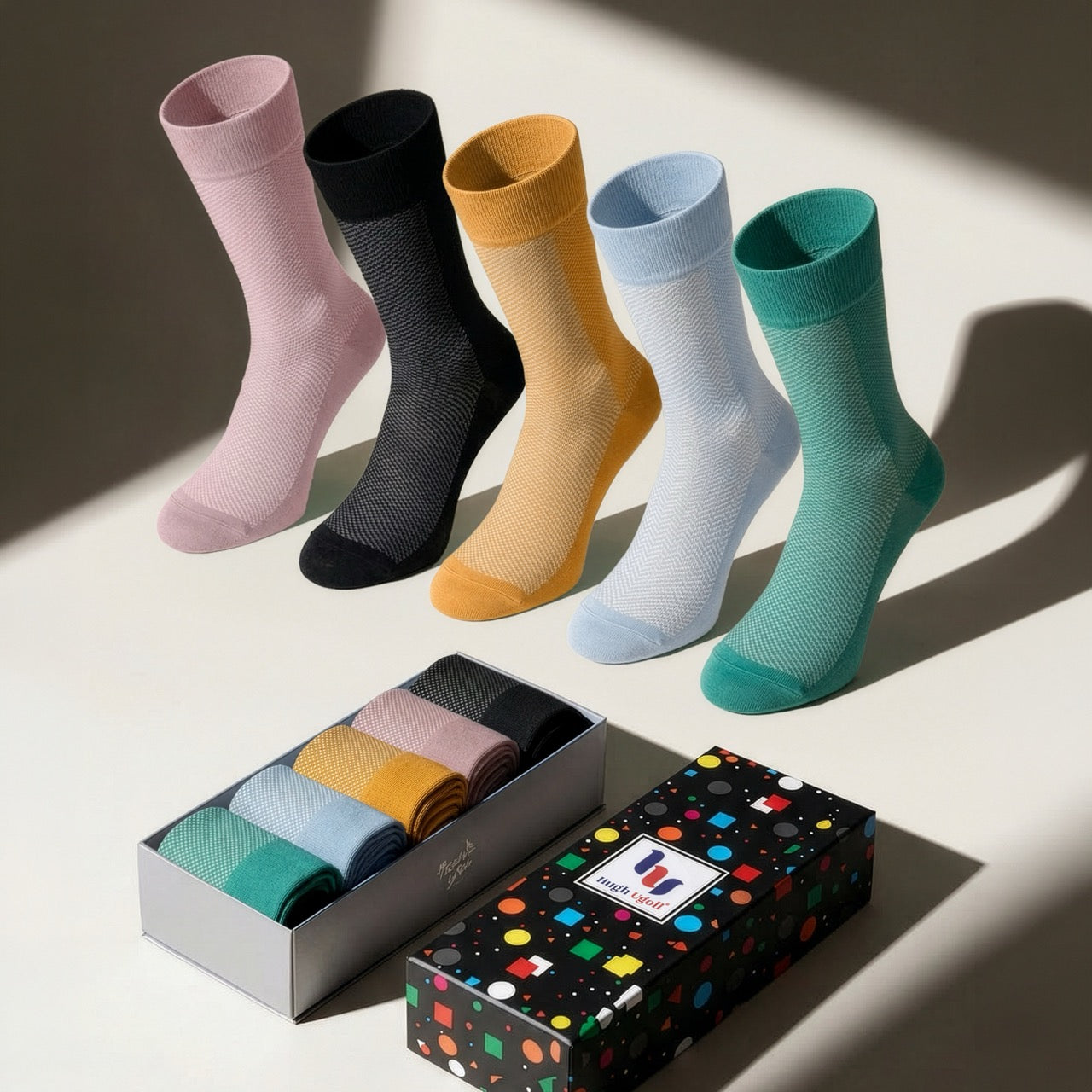
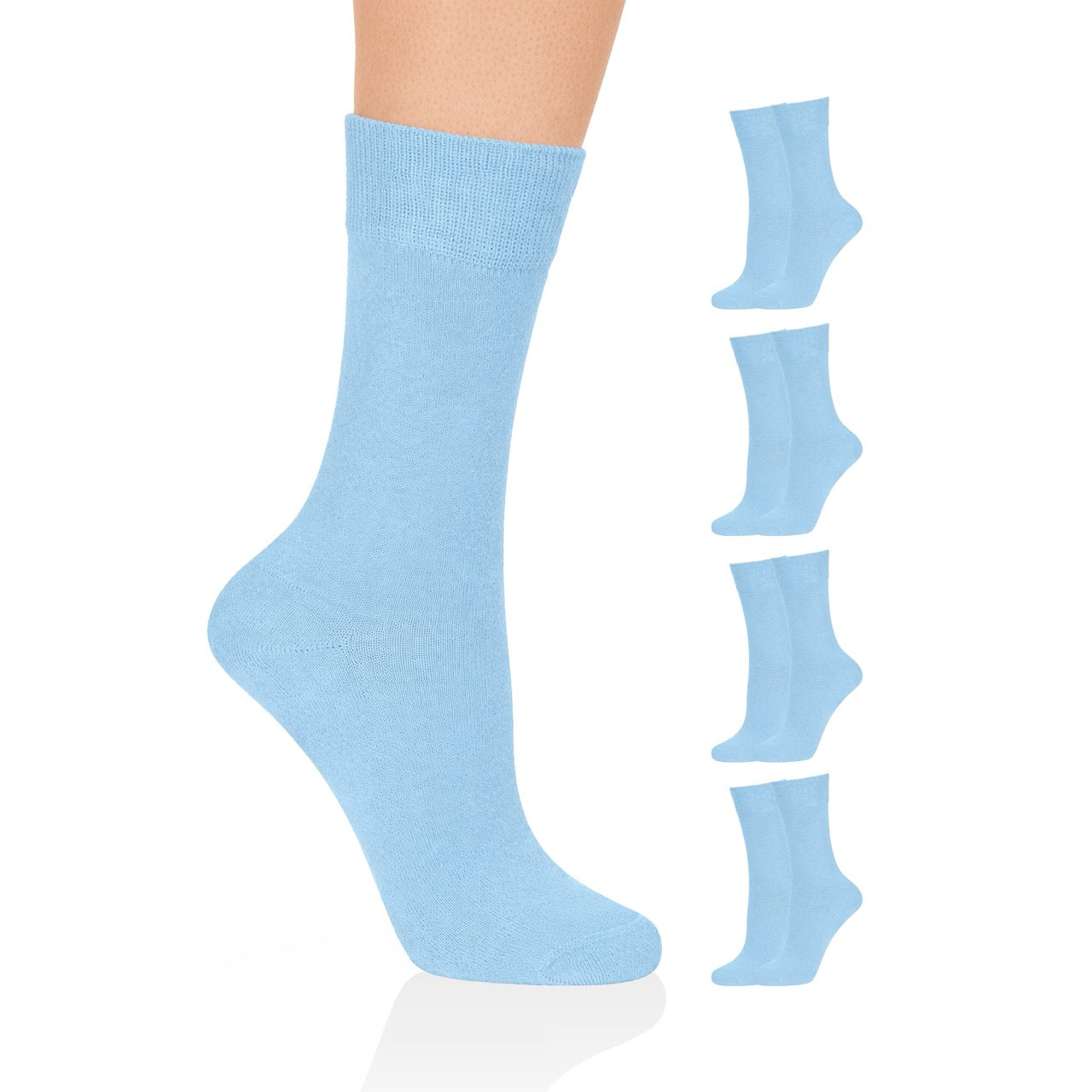
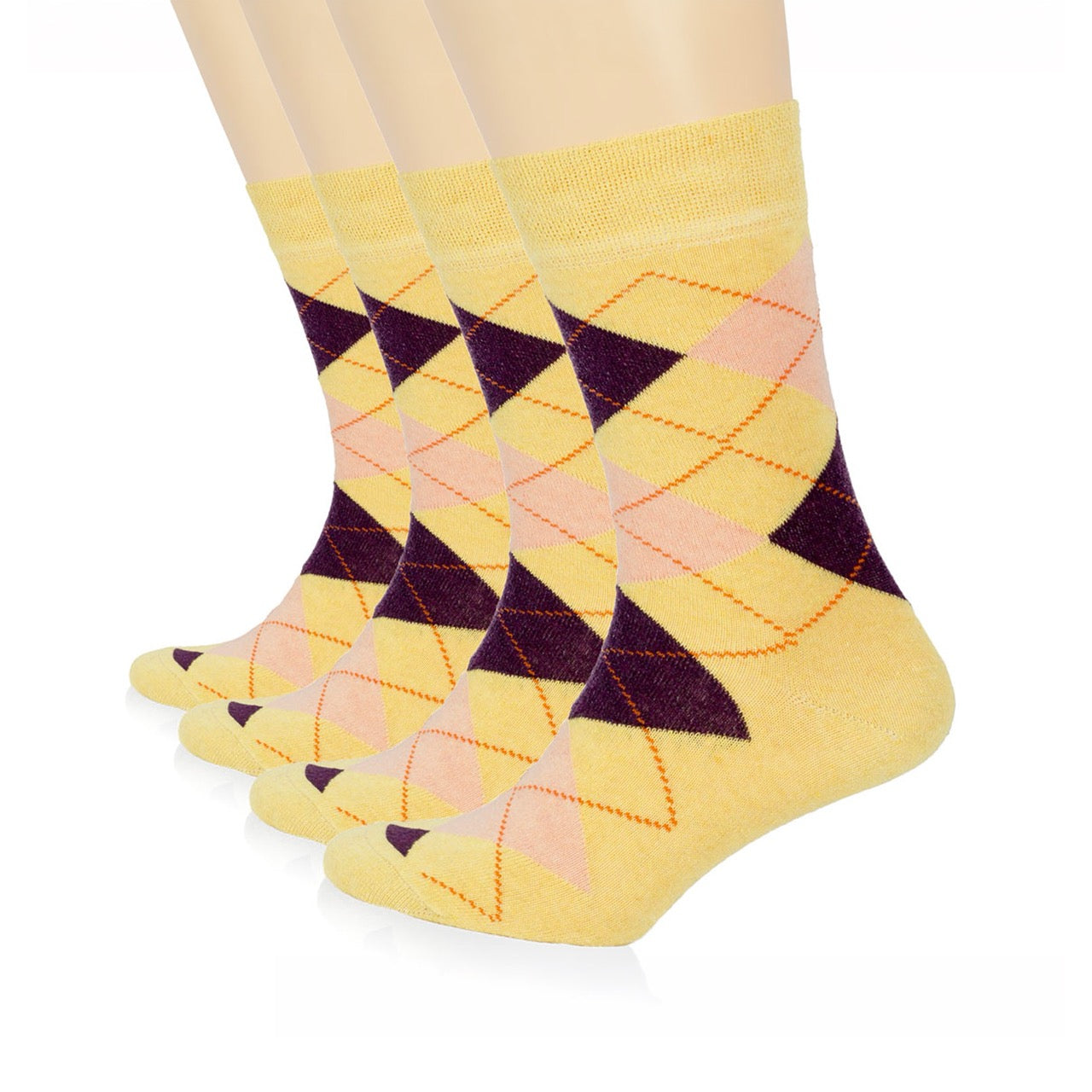
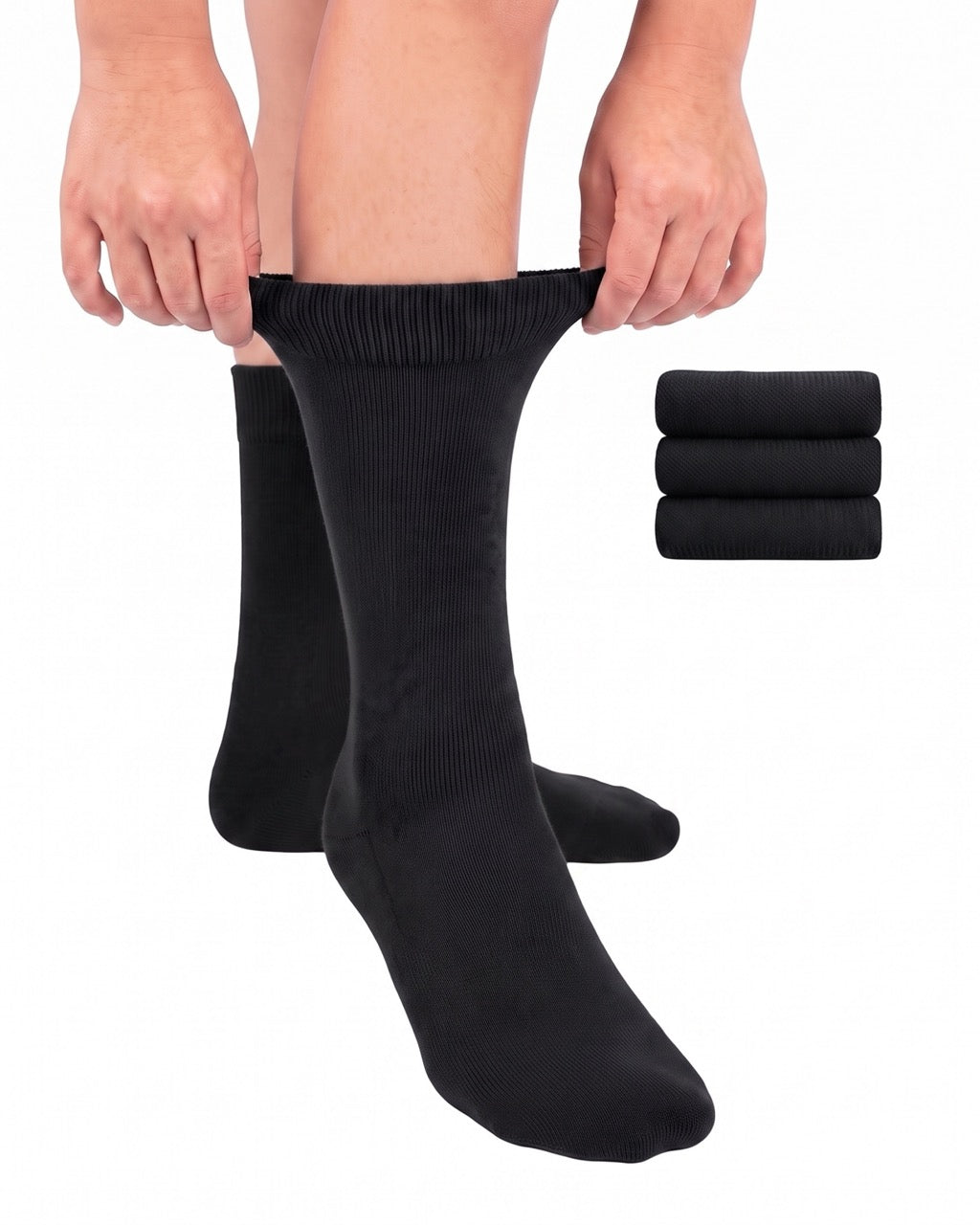
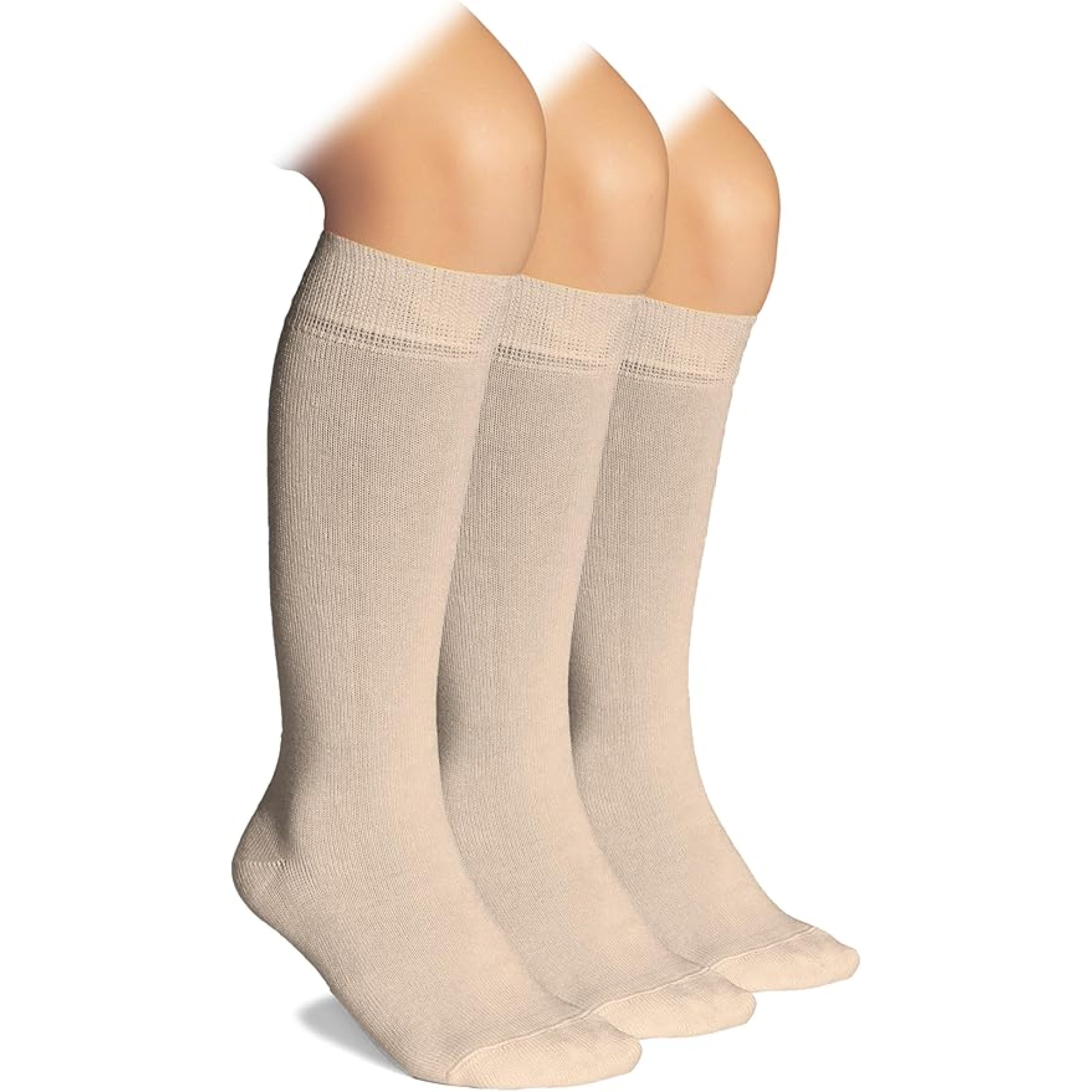


Diabetic socks are commonly associated with people with diabetes, but their benefits extend beyond that specific group. Many people who spend long hours on their feet, experience foot sensitivity, or simply want better comfort are beginning to consider wearing diabetic socks as part of their daily routine.
Unlike regular socks, diabetic socks are designed to improve comfort, support foot health, and reduce common foot problems that can occur throughout the day. Their structure, materials, and non-restrictive design can make them useful even for individuals who do not have diabetes.
This raises an important question: can wearing diabetic socks actually benefit people without diabetes? The answer is often yes. Understanding how these socks work and what features they offer helps explain why they are becoming increasingly popular among a wider audience.
The primary difference between diabetic socks and regular socks lies in how they are engineered. Diabetic socks are designed with features that help protect sensitive feet and support circulation without restricting movement.
One key characteristic is that they typically avoid tight elastic bands that might restrict blood flow. Instead, they use soft cuffs that comfortably fit without squeezing the leg. This design reduces the risk of circulation issues and helps people who experience swollen feet during long days.
Another defining feature is the use of moisture wicking fabrics. These materials wick away moisture from the skin, helping keep feet dry even during extended periods of activity. When moisture stays trapped inside socks and shoes, it can increase foot odor and create an environment that encourages fungal infections.
Because diabetic socks are designed with moisture wicking materials and seamless interiors, they also reduce friction against the skin. Less friction helps prevent blisters and irritation, which is beneficial for anyone who spends long hours walking, working, or standing.

Although these socks are primarily intended for people with diabetes, the design features provide advantages for a broader range of people. Many individuals who do not have diabetes still experience discomfort related to circulation, moisture, or foot fatigue.
For example, people who stand for long hours at work may find that regular socks create pressure around the calf or ankle. A pair of diabetic socks can provide a more comfortable fit because they avoid tight compression that might restrict blood flow.
In addition, the moisture management systems used in diabetic socks help keep feet dry throughout the day. This can be especially helpful in warm environments or when wearing enclosed footwear such as dress shoes, boots, or sneakers.
Keeping feet dry not only improves comfort but also reduces the risk of developing foot problems related to moisture buildup. Excess moisture inside shoes can contribute to skin irritation, fungal infections, and unpleasant foot odor.
One of the most practical reasons many people choose diabetic socks is their ability to manage moisture effectively. Moisture wicking fabrics are designed to pull sweat away from the skin and move it toward the outer surface of the fabric where it can evaporate.
This moisture control system keeps feet dry and helps maintain a healthier environment inside shoes. When moisture remains trapped between the skin and fabric, it can soften the skin and increase friction. This combination often leads to blisters and irritation.
By using moisture wicking materials, diabetic socks reduce this risk and make daily movement more comfortable. In addition, many diabetic socks incorporate antimicrobial properties that help control odor-causing bacteria.
For people who wear closed shoes throughout the day, these antimicrobial features can significantly reduce foot odor while also lowering the chances of fungal infections developing over time.
Comfort is another reason why wearing diabetic socks can benefit individuals without diabetes. Because these socks avoid tight seams and pressure points, they often feel softer and less restrictive than many regular socks.
People who spend long hours sitting, walking, or standing frequently experience mild swelling in the feet and ankles. A traditional sock with tight elastic can feel uncomfortable as swelling increases during the day.
Diabetic socks are designed to adapt more easily to these changes in foot size. Their gentle structure accommodates swollen feet without compressing the skin or restricting circulation.
Some people compare this feeling to the comfort offered by compression socks, although diabetic socks typically provide a lighter and more relaxed fit. Instead of compressing the leg, they focus on maintaining circulation while minimizing pressure.
Blisters are one of the most common foot problems that affect both athletes and everyday individuals. Friction, moisture, and poorly fitting socks are often the main causes.
Because diabetic socks are designed with smooth interiors and seamless toe areas, they reduce the friction that typically leads to blister formation. When combined with moisture wicking fabrics, these design elements create a protective environment for the skin.
This is particularly beneficial for people who walk frequently, exercise regularly, or spend long hours wearing dress shoes or work boots. In these situations, a pair of diabetic socks can help prevent blisters while improving overall comfort.
Many diabetic socks are designed to keep feet warm without adding unnecessary thickness. Maintaining warmth can be important during cold weather when circulation naturally slows and feet become colder.
Soft fabrics and insulating fibers help keep feet warm while still allowing breathability. This balance prevents overheating while maintaining a comfortable temperature throughout the day.
For individuals who experience cold feet in winter months, diabetic socks can provide a practical solution that does not feel heavy or restrictive inside shoes.
For most people, diabetic socks can easily become part of everyday footwear. Their ability to wick away moisture, reduce friction, and maintain circulation makes them suitable for daily use.
Many people who initially try diabetic socks for comfort continue using them because they feel noticeably different from regular socks. The softer construction and relaxed fit often make them ideal for long workdays or extended travel.
However, it is still important to choose socks that properly fit your foot size and activity level. Even the best moisture wicking materials cannot compensate for socks that are too large or too small.
Although diabetic socks are designed for people with diabetes, their features offer benefits that many individuals can appreciate. By focusing on circulation, moisture management, and reduced friction, these socks support healthier and more comfortable feet.
For those who experience foot odor, swollen feet, blisters, or discomfort during long hours of wear, switching from regular socks to a pair of diabetic socks may provide noticeable improvements. Their breathable structure, antimicrobial properties, and moisture wicking fabrics help keep feet dry while reducing the risk of common foot problems.
Ultimately, wearing diabetic socks is not limited to people with diabetes. Anyone seeking better comfort, healthier feet, and improved moisture control may find that these socks offer a practical and reliable solution.
Yes. Many people without diabetes wear diabetic socks because they provide comfort, moisture control, and a non-restrictive fit that supports everyday foot health.
Diabetic socks are designed with non-binding cuffs, seamless interiors, and moisture wicking materials to help prevent blisters, manage moisture, and avoid restricting blood flow.
Yes. Many diabetic socks include moisture wicking fabrics and antimicrobial properties that help reduce moisture buildup and control odor-causing bacteria.
They can help reduce the risk. Seamless construction and moisture management reduce friction and skin irritation, which are common causes of blisters.
Not exactly. Compression socks apply pressure to improve circulation, while diabetic socks focus on avoiding pressure that might restrict blood flow.
He has been working for more than 20 years in the textile industry and has work experience in many parts of the world.