Cart
0
You may also like
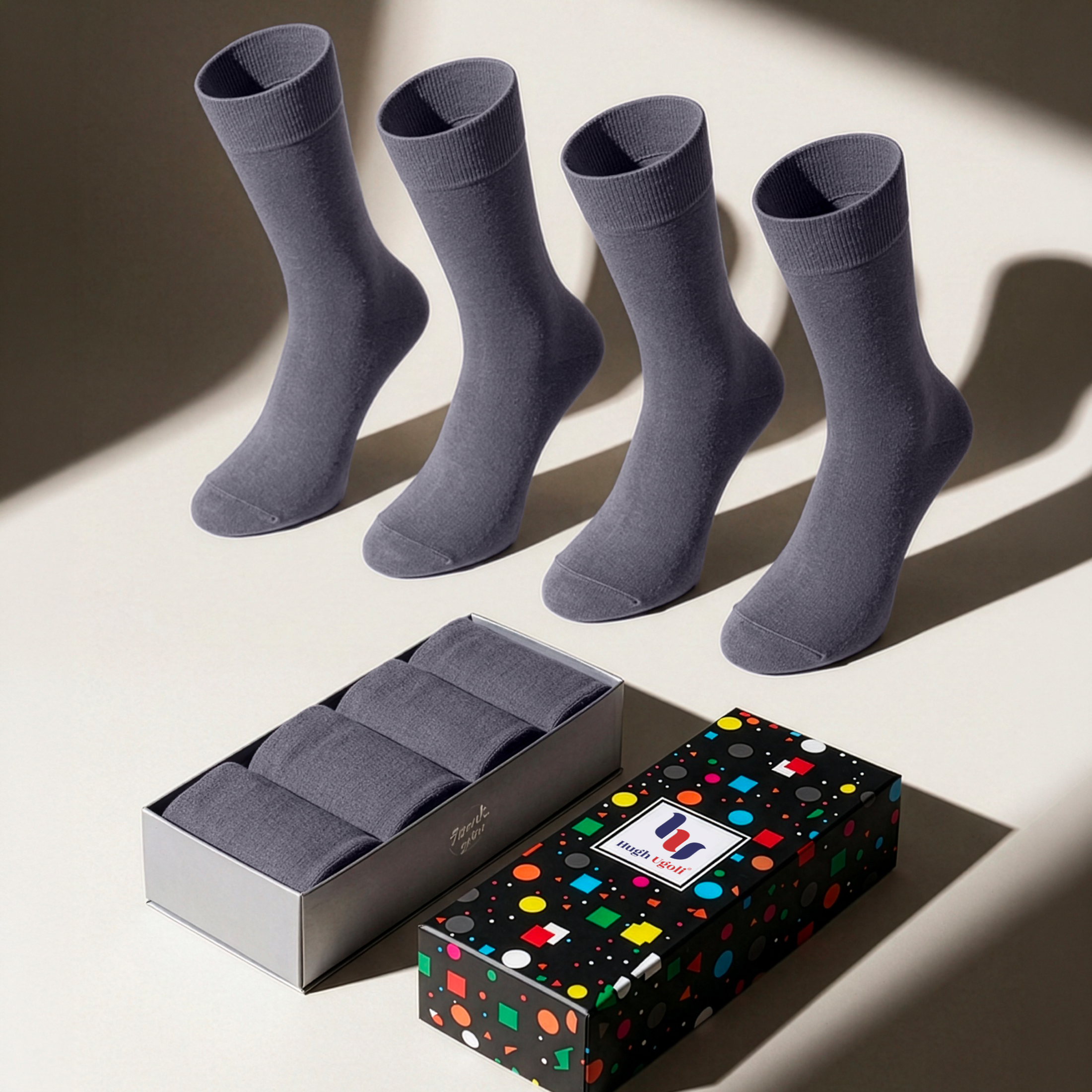
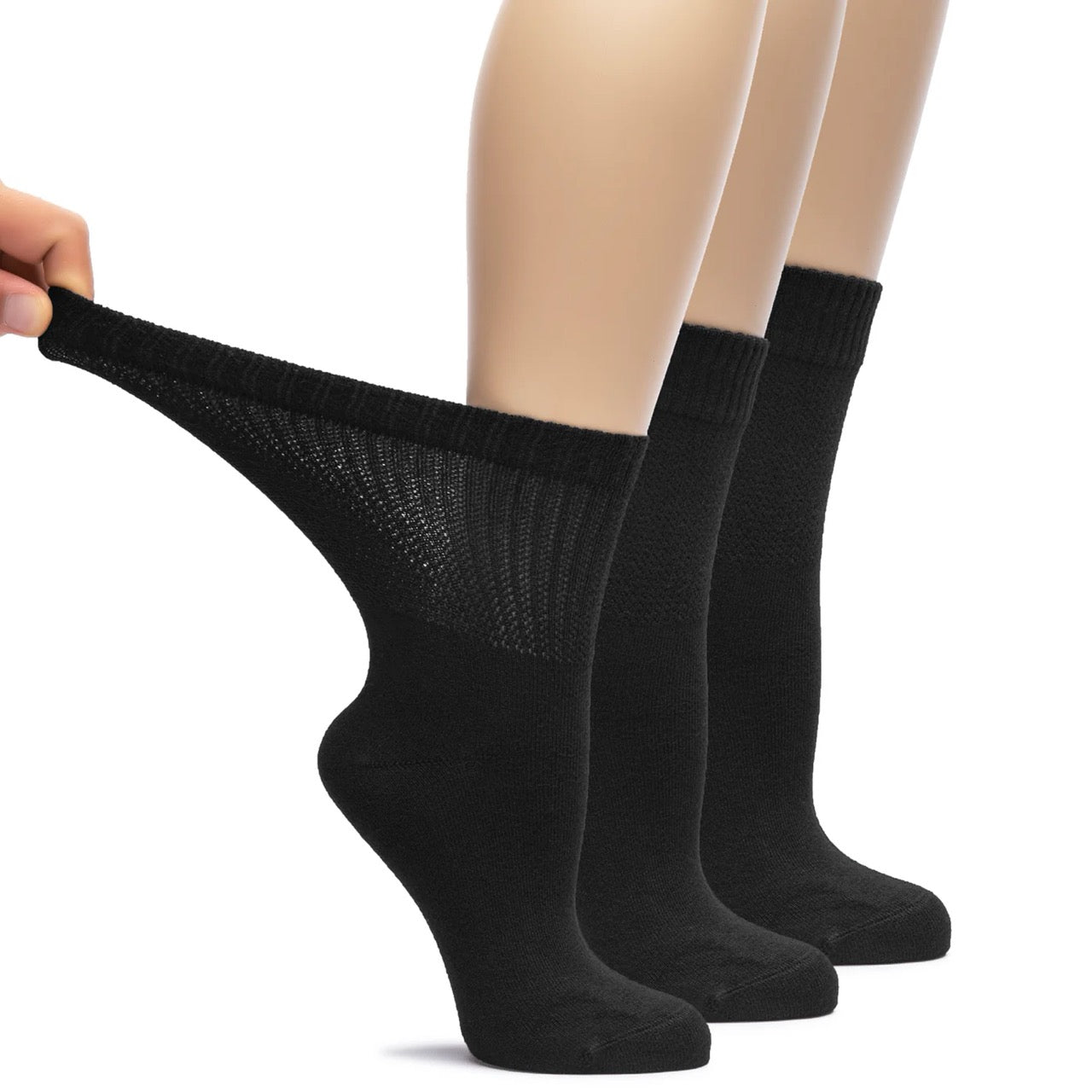
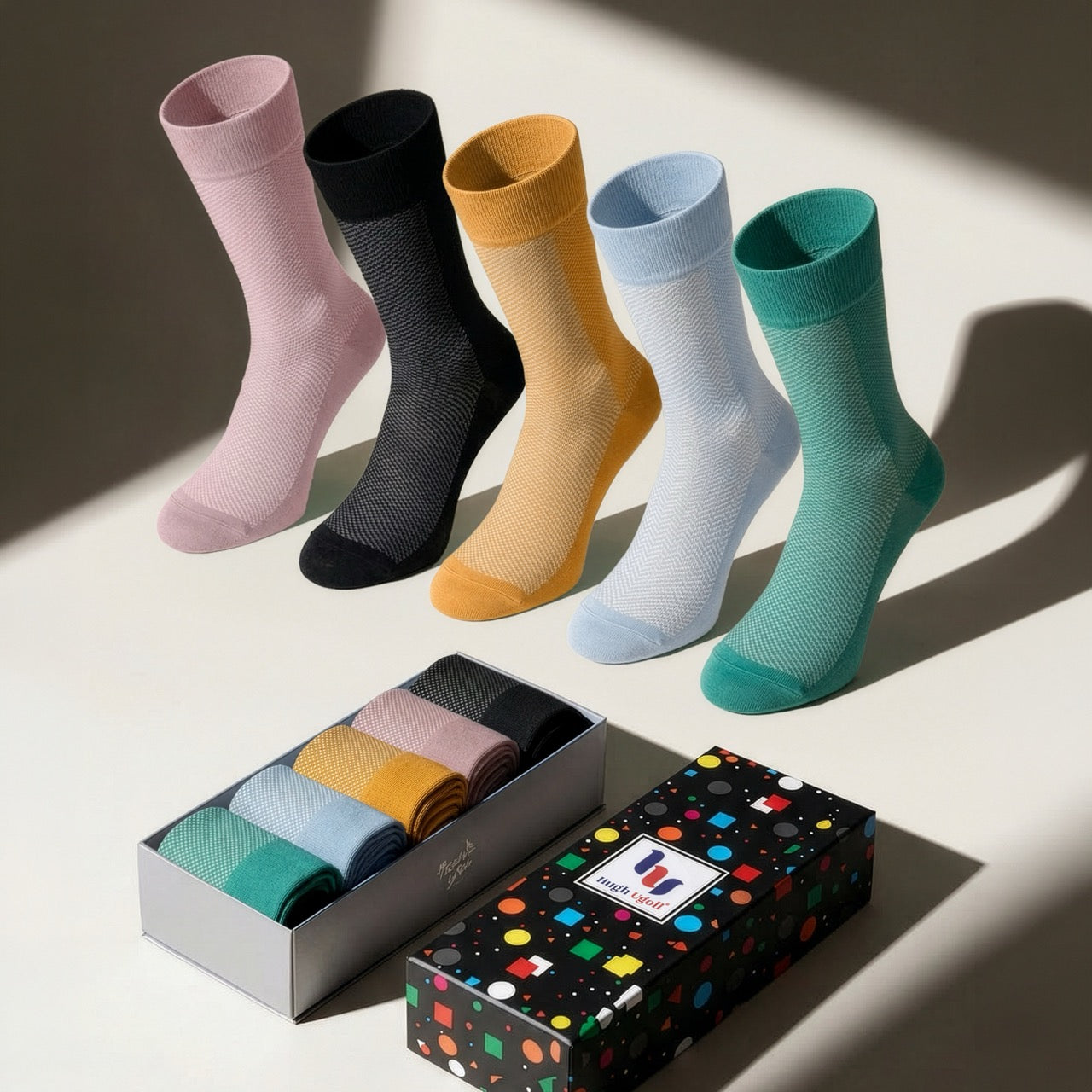
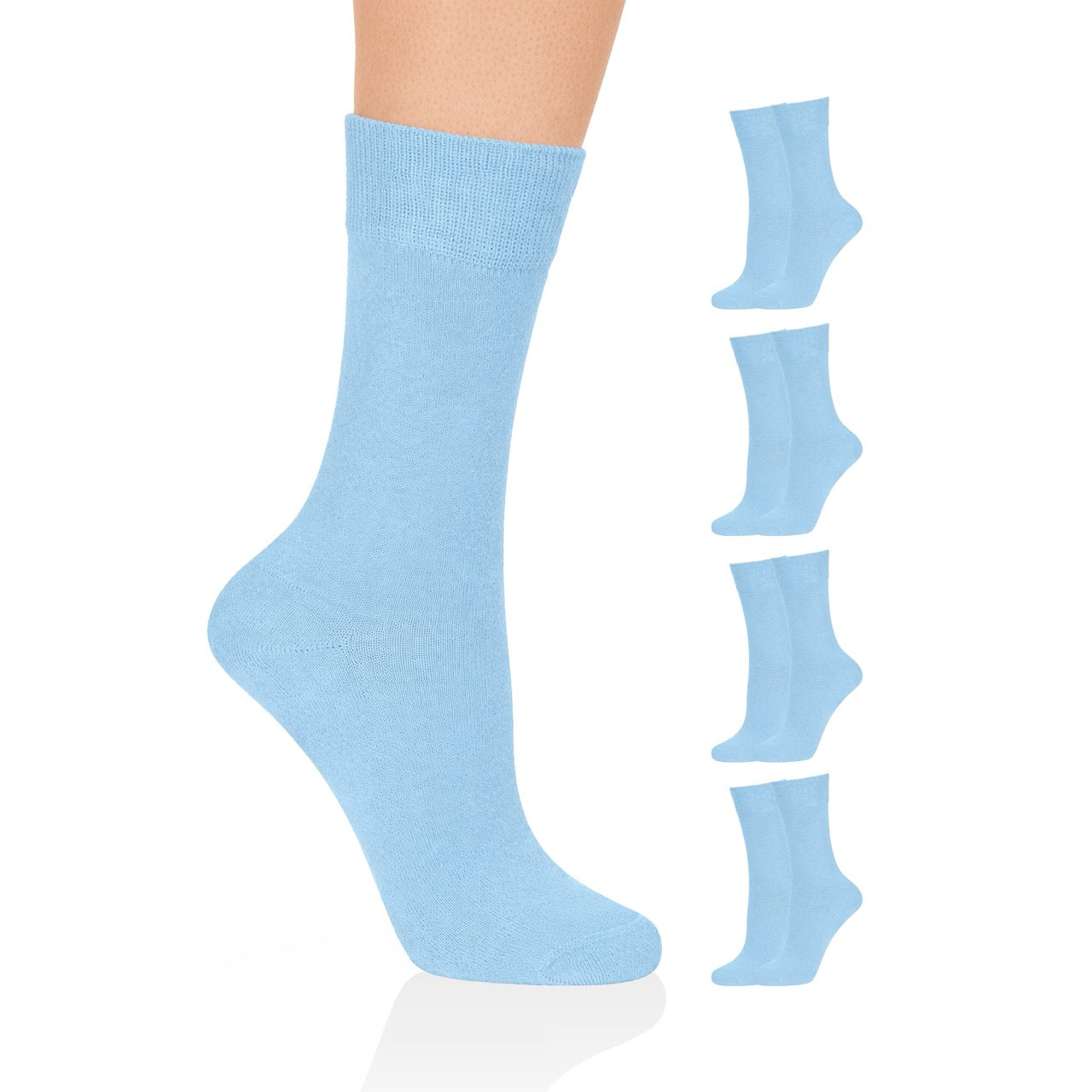
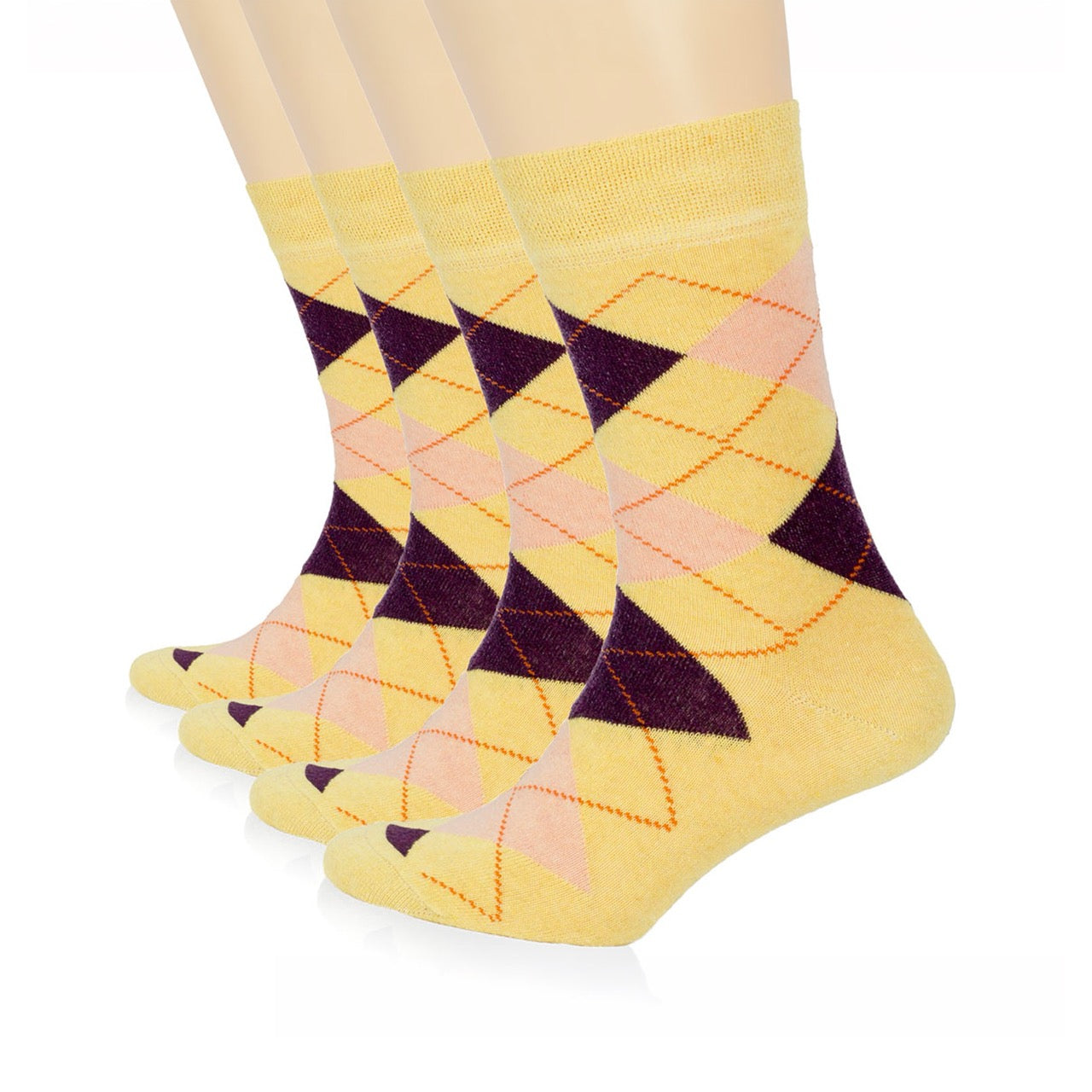
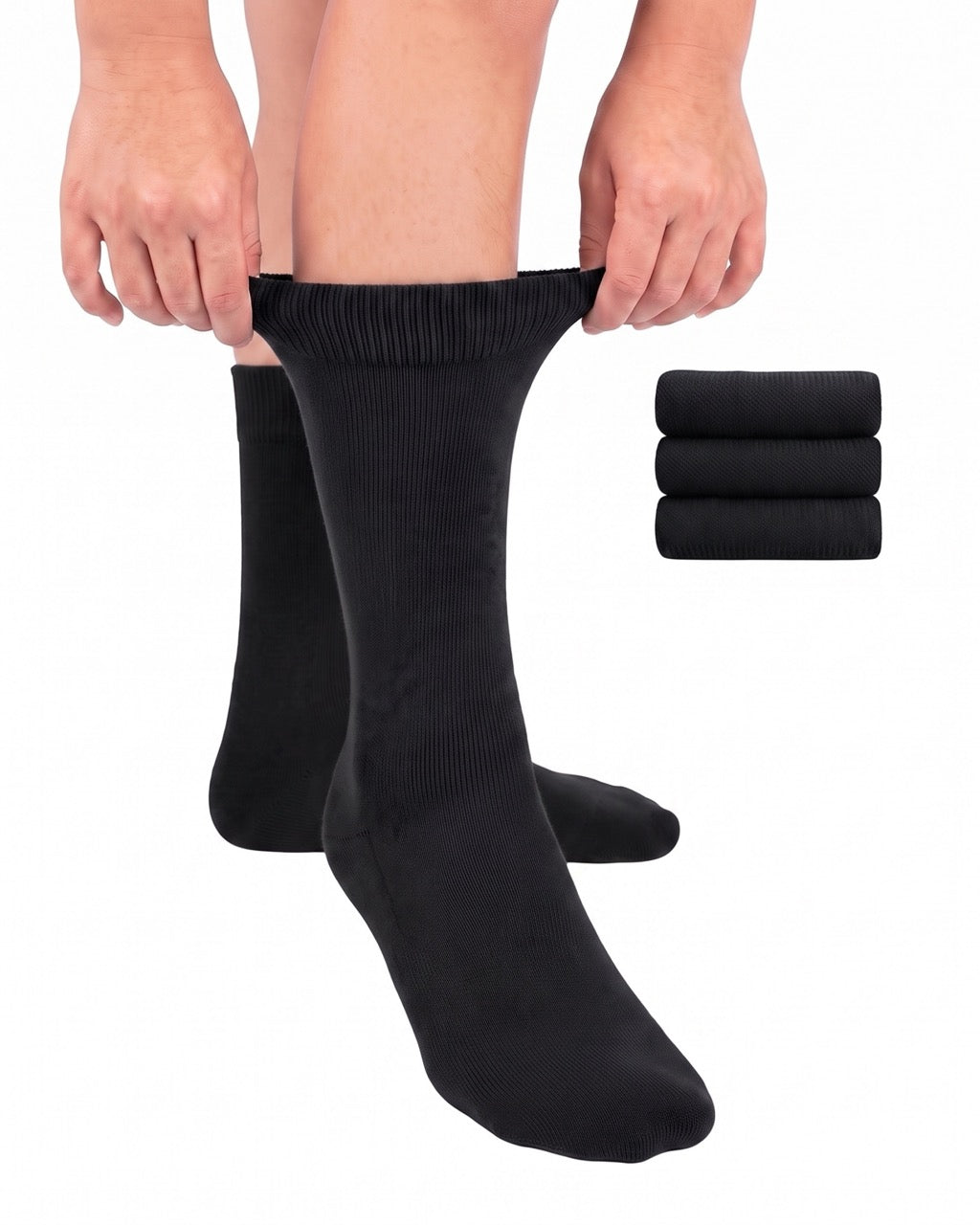
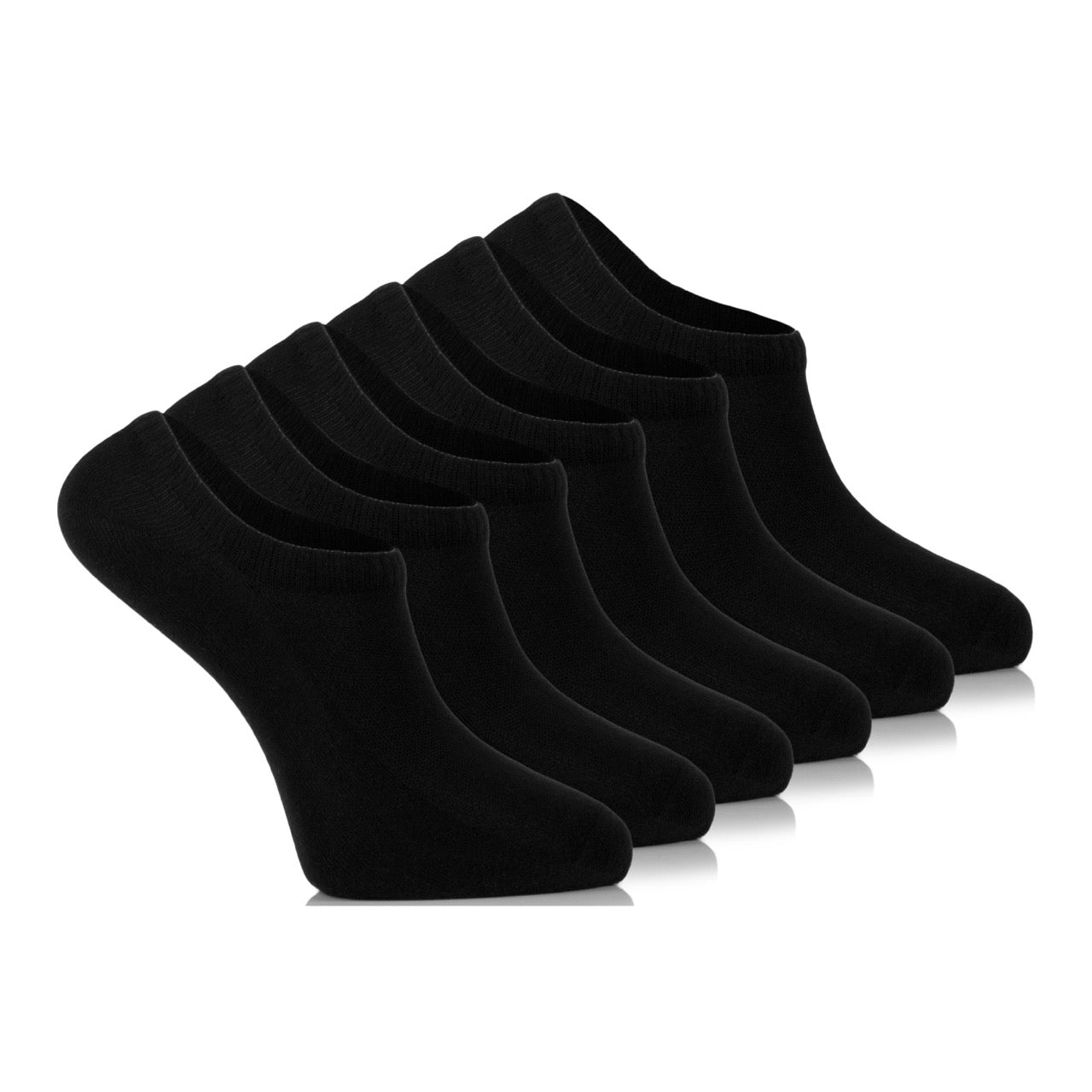
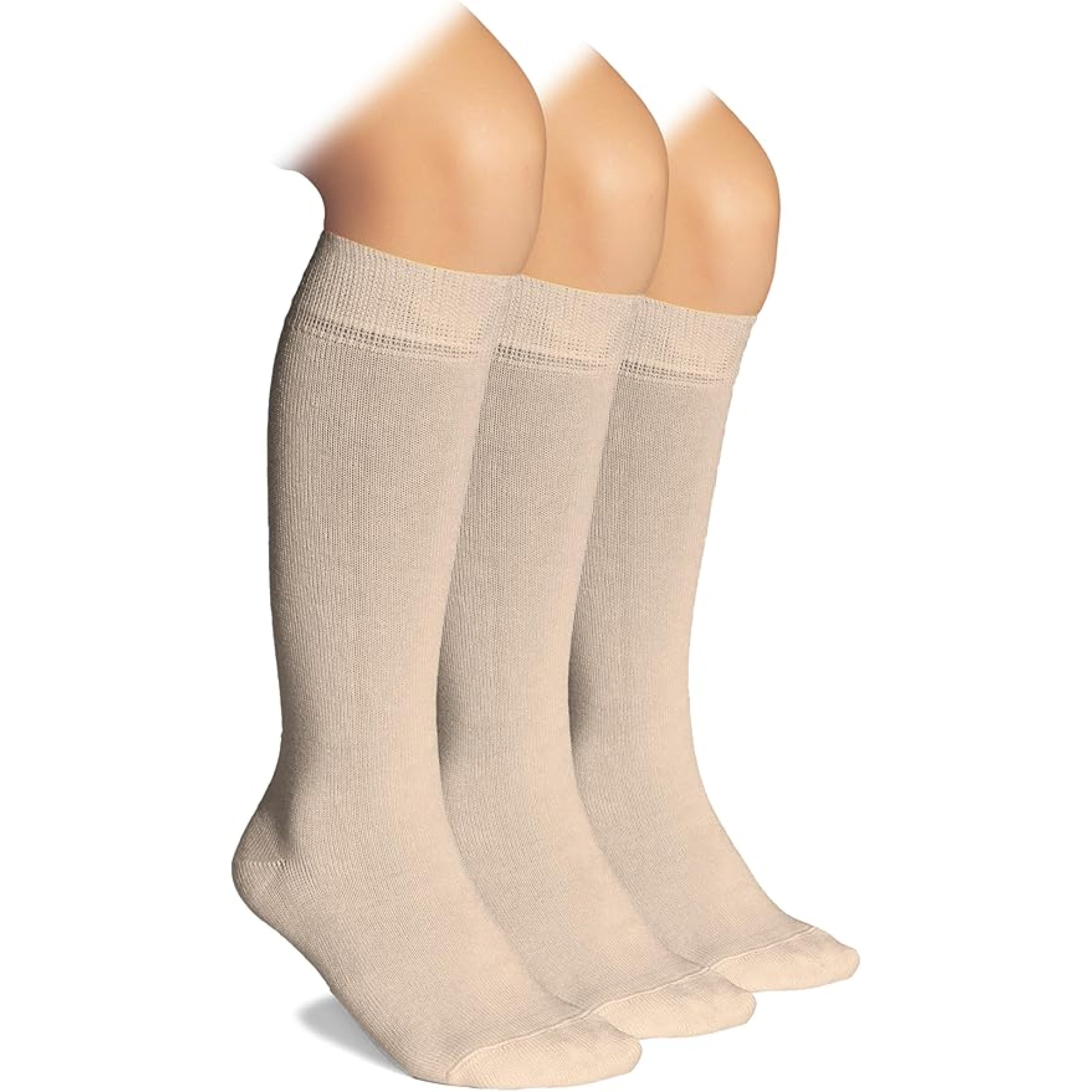


Socks may seem like a small detail in an outfit, but they play a significant role in both comfort and overall style. The right pair of socks can enhance the look of your shoes while keeping your feet dry and comfortable throughout the day. Whether you are wearing white sneakers for casual outings, leather loafers for a relaxed yet refined look, or men’s dress shoes for professional settings, choosing the right socks can make a noticeable difference.
Different types of shoes require different sock styles. Factors such as moisture control, sock length, color coordination, and overall fit all influence which socks work best with specific footwear. Understanding these differences helps you choose socks that complement your shoes collection while maintaining comfort and style.
Sneakers are one of the most versatile types of footwear, commonly paired with both casual and athletic outfits. Because sneakers are often worn for long periods, comfort and moisture management become essential considerations when choosing socks.
Moisture wicking socks are typically the best option for sneakers. These socks are crafted with materials designed to pull moisture away from the skin, helping keep feet dry even during active days. Moisture control reduces friction inside the shoe and helps prevent discomfort or blisters.
Several sock lengths work well with sneakers:
Choosing the right socks to wear with sneakers ultimately depends on personal style preferences and the outfit you want to achieve.

Loafers represent a unique category of footwear because they can be styled both casually and formally. From penny loafers to tassel loafer designs and bit loafer styles, these shoes often expose more of the ankle area than traditional dress shoes.
Because of this design, many people prefer socks that remain hidden or subtle when wearing loafers.
No-show socks are a popular option for loafers because they allow the shoe to remain the visual focus while still providing comfort. These socks stay hidden beneath the shoe opening and prevent direct contact between the foot and the leather interior.
For a slightly more visible option, ankle socks can also work with loafers, especially when styled casually with rolled pants or summer outfits.
However, in certain fashion-forward settings, visible socks paired with loafers have become more accepted. Carefully chosen crew socks in complementary colors can create a distinctive style statement when matched thoughtfully with the rest of your outfit.
When wearing leather loafers, it is also important to consider breathability. Moisture wicking materials help keep feet dry and prevent odor buildup, especially during warm weather.
Dress shoes require a more refined approach to sock selection. In professional environments or formal occasions, socks should complement the overall look rather than draw unnecessary attention.
Traditional dress socks are usually thin, lightweight, and designed to fit comfortably inside men’s dress shoes. Because dress shoes often have a more structured fit, bulky socks can create discomfort or affect how the shoe fits.
The most common choice is black socks or other dark neutral tones that match the trousers. When socks match the color of the pants rather than the shoes, they create a continuous visual line that makes the outfit appear more polished.
Crew socks are generally the preferred length for dress shoes. They provide enough coverage to ensure that the leg remains covered when sitting or crossing legs.
For those who prefer a modern or fashion-forward style, subtle patterns can also work well with dress shoes. Stripes, small geometric designs, or textured fabrics can add personality without overwhelming the outfit.
One of the most common style principles when choosing socks is to match your socks with your trousers rather than the shoes. This technique creates a cleaner and more balanced appearance.
For example:
When wearing casual outfits with sneakers, there is more flexibility. White socks with white sneakers create a timeless look, while colored or patterned socks can add character to your outfit.
Ultimately, the goal is to ensure that socks complement the rest of your outfit rather than competing with it.
Beyond style, the fabric of the sock plays a major role in comfort. Socks crafted with breathable materials help maintain a comfortable temperature inside shoes throughout the day.
Moisture wicking fabrics help pull sweat away from the skin and allow it to evaporate. This keeps feet dry and comfortable, particularly during long workdays or active outings.
Soft cotton blends, merino wool, and modern moisture wicking materials are commonly used in high quality socks because they balance comfort, durability, and breathability.
Choosing socks with reinforced heels and toes can also improve durability, especially when wearing shoes frequently.
The type of socks you choose may also depend on where you plan to wear your shoes.
Having several options in your sock drawer allows you to adapt easily to different situations.
Socks may appear to be a small accessory, but they significantly influence both comfort and style. The right pair of socks helps maintain proper moisture control, supports foot comfort, and complements the overall appearance of your outfit.
Sneakers pair well with ankle socks, crew socks, or no-show socks depending on the desired look. Loafers often work best with invisible or low-profile socks that keep the focus on the shoe itself. Dress shoes require thinner crew socks that match the trousers and maintain a polished appearance.
By choosing socks that match your shoes collection and outfit, you can ensure that your footwear always looks intentional and well styled.
Ankle socks, crew socks, or no-show socks all work well with white sneakers depending on the style you prefer.
Yes, wearing socks with loafers helps prevent moisture buildup and improves comfort. No-show socks are commonly used because they remain hidden inside the shoe.
Dress socks should generally match the trousers rather than the shoes. Dark colors such as black, navy, or charcoal are common choices.
Ankle socks are usually too short for formal outfits. Crew socks are typically preferred with dress shoes because they provide full coverage.
Moisture wicking socks help pull sweat away from the skin, keeping feet dry and comfortable throughout the day.
He has been working for more than 20 years in the textile industry and has work experience in many parts of the world.