Cart
0
You may also like
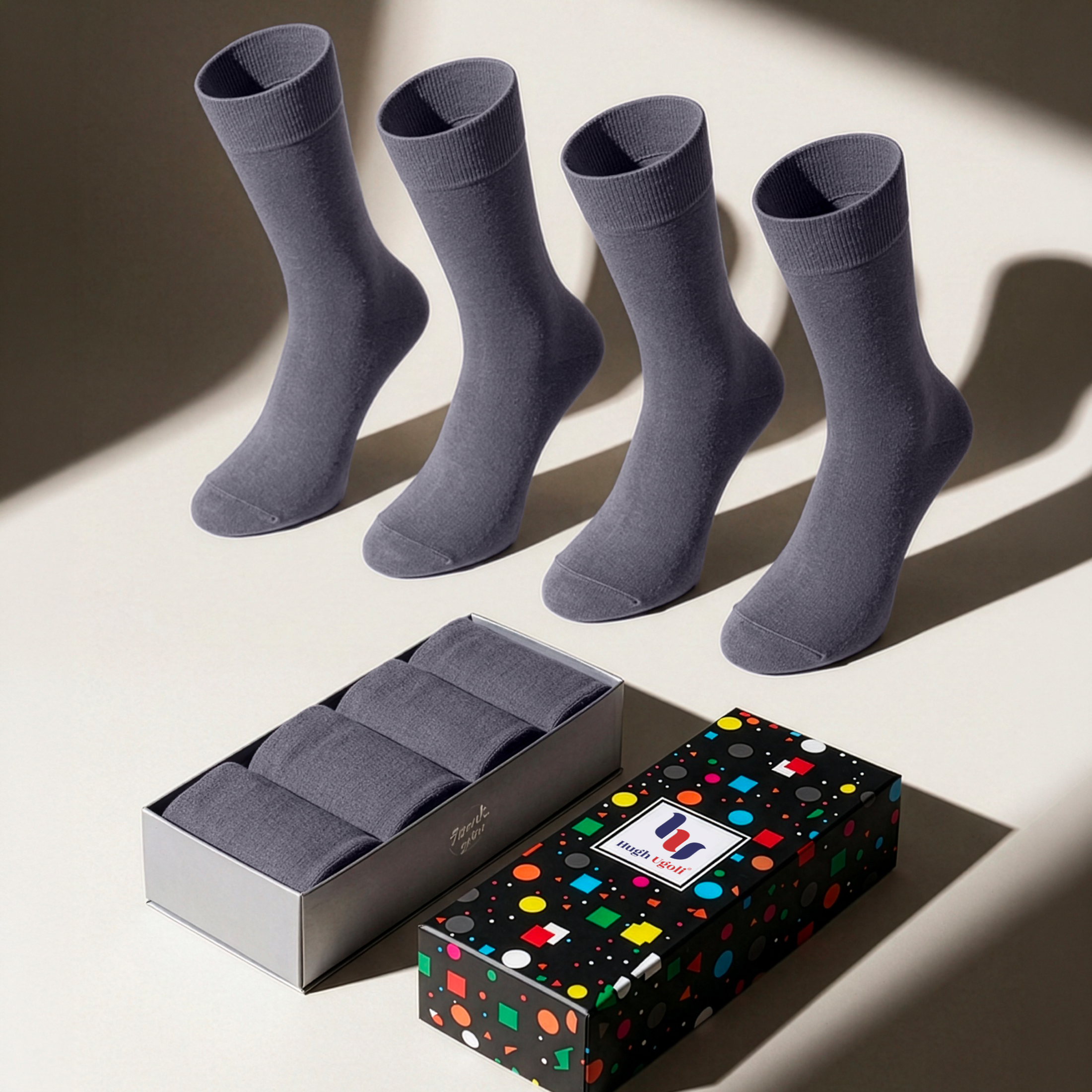
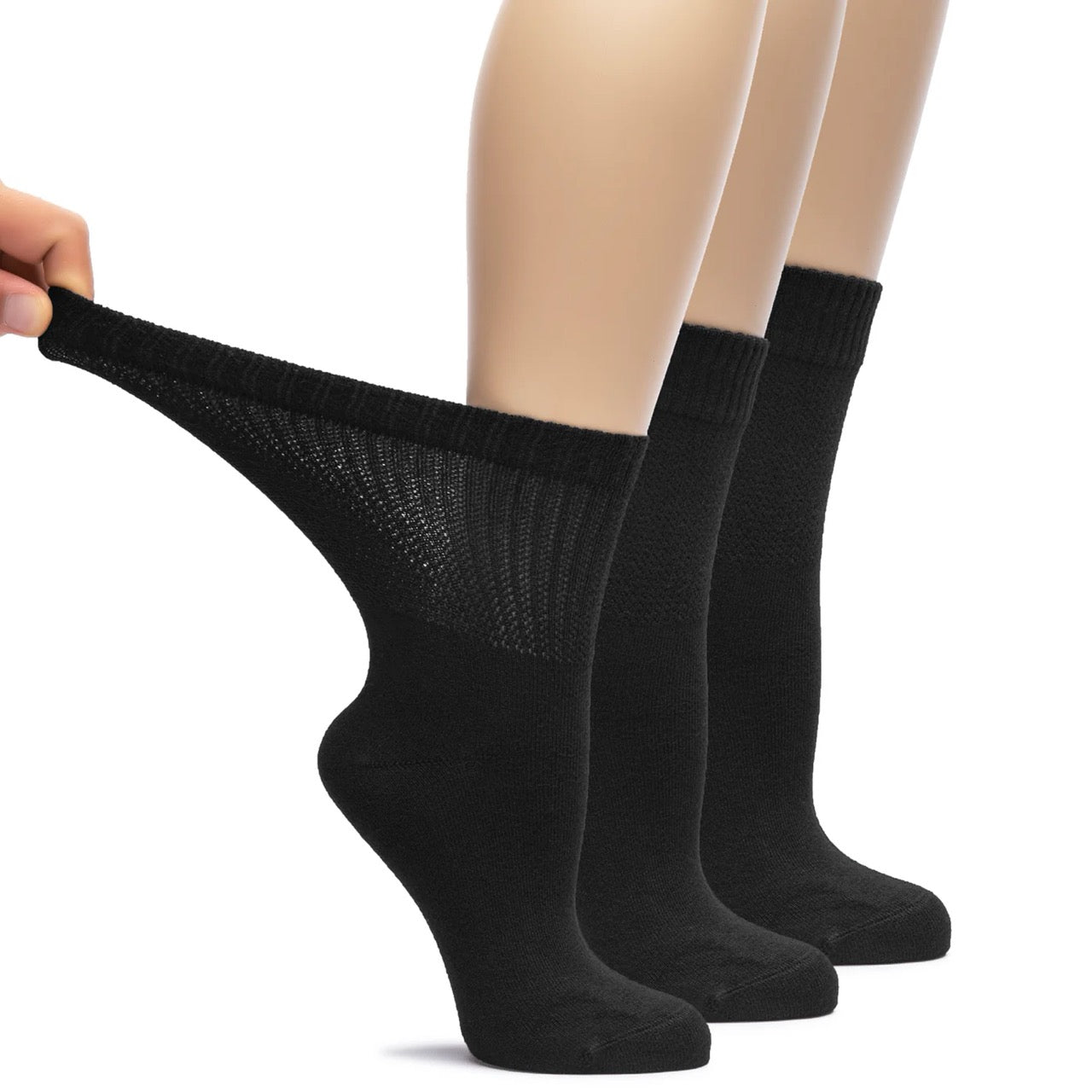

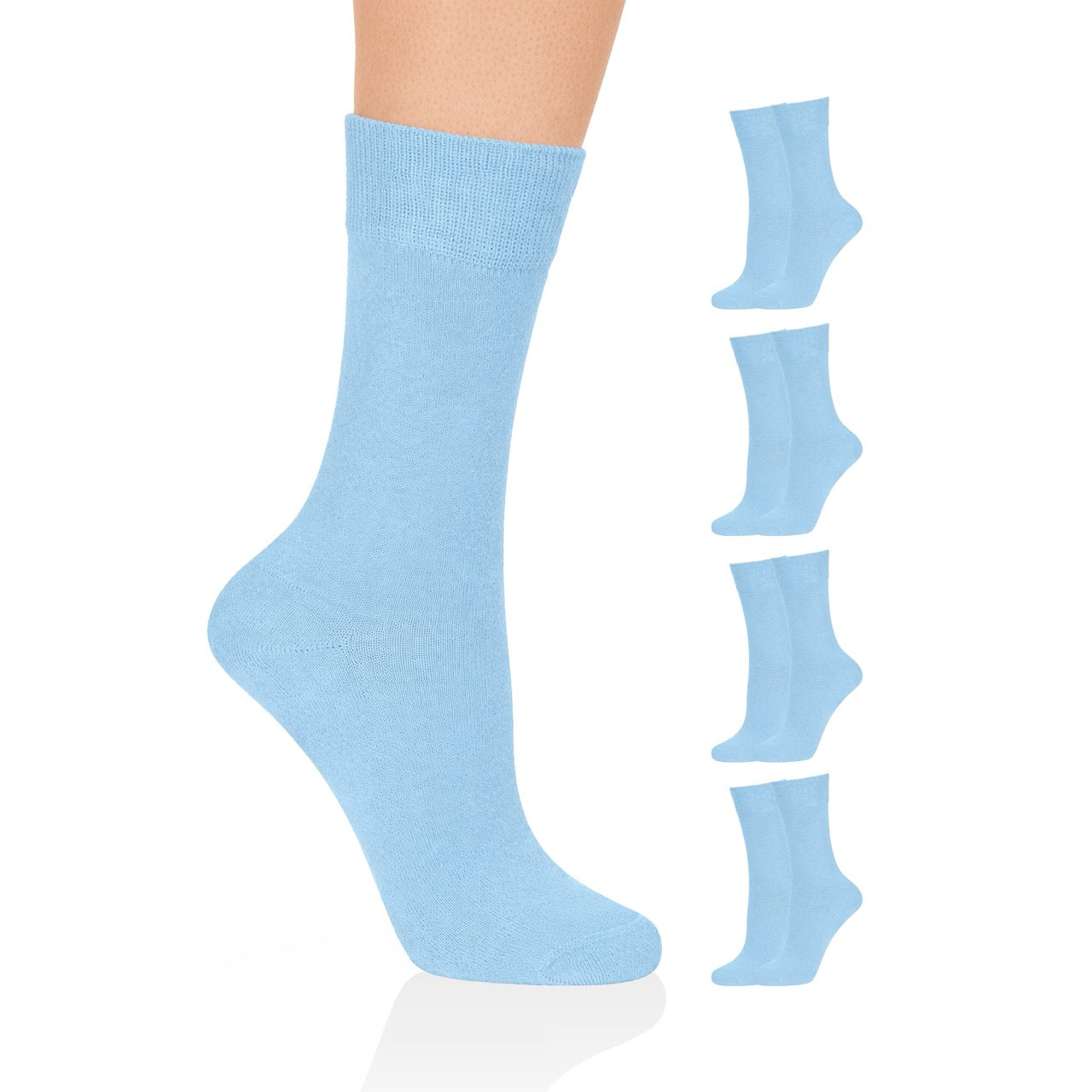
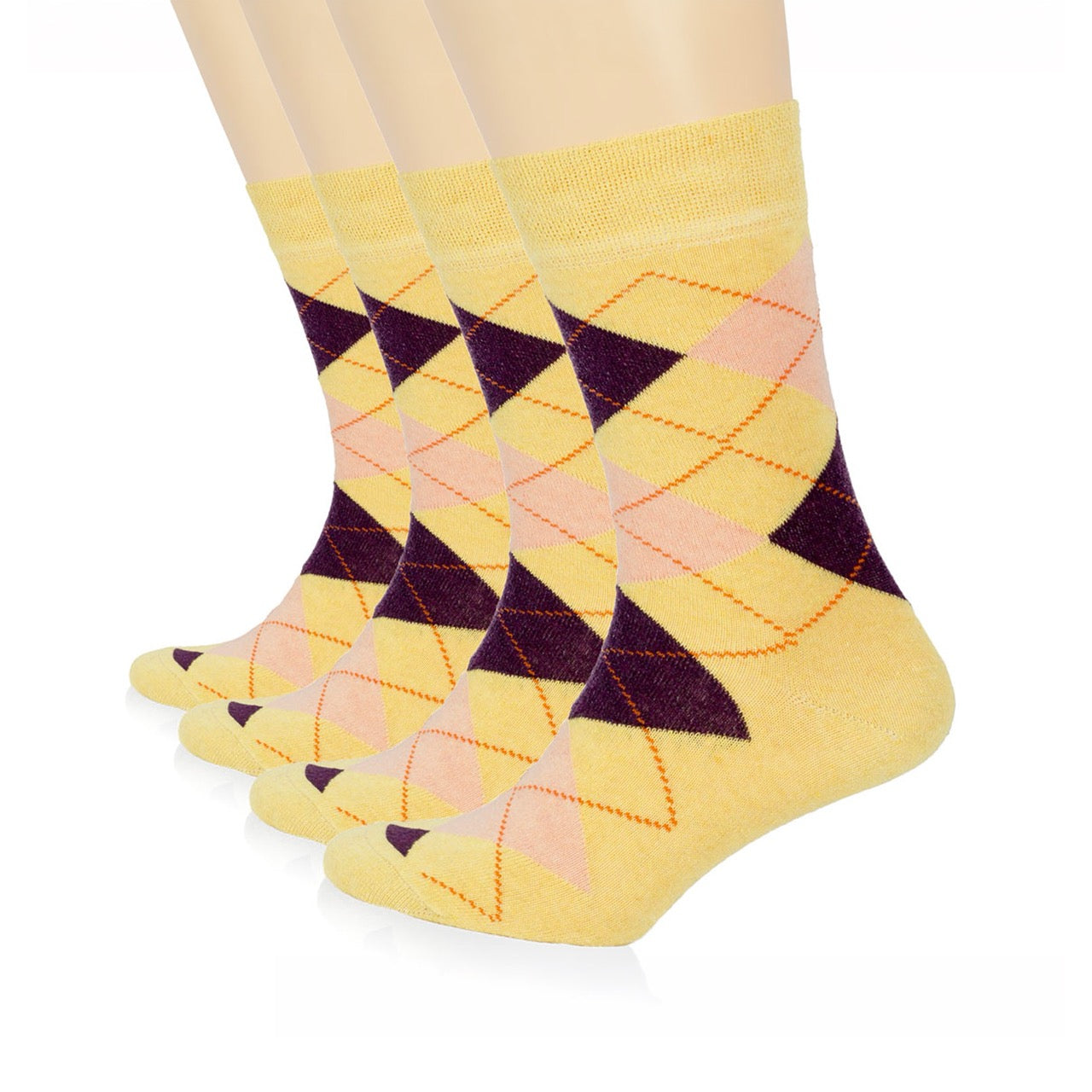
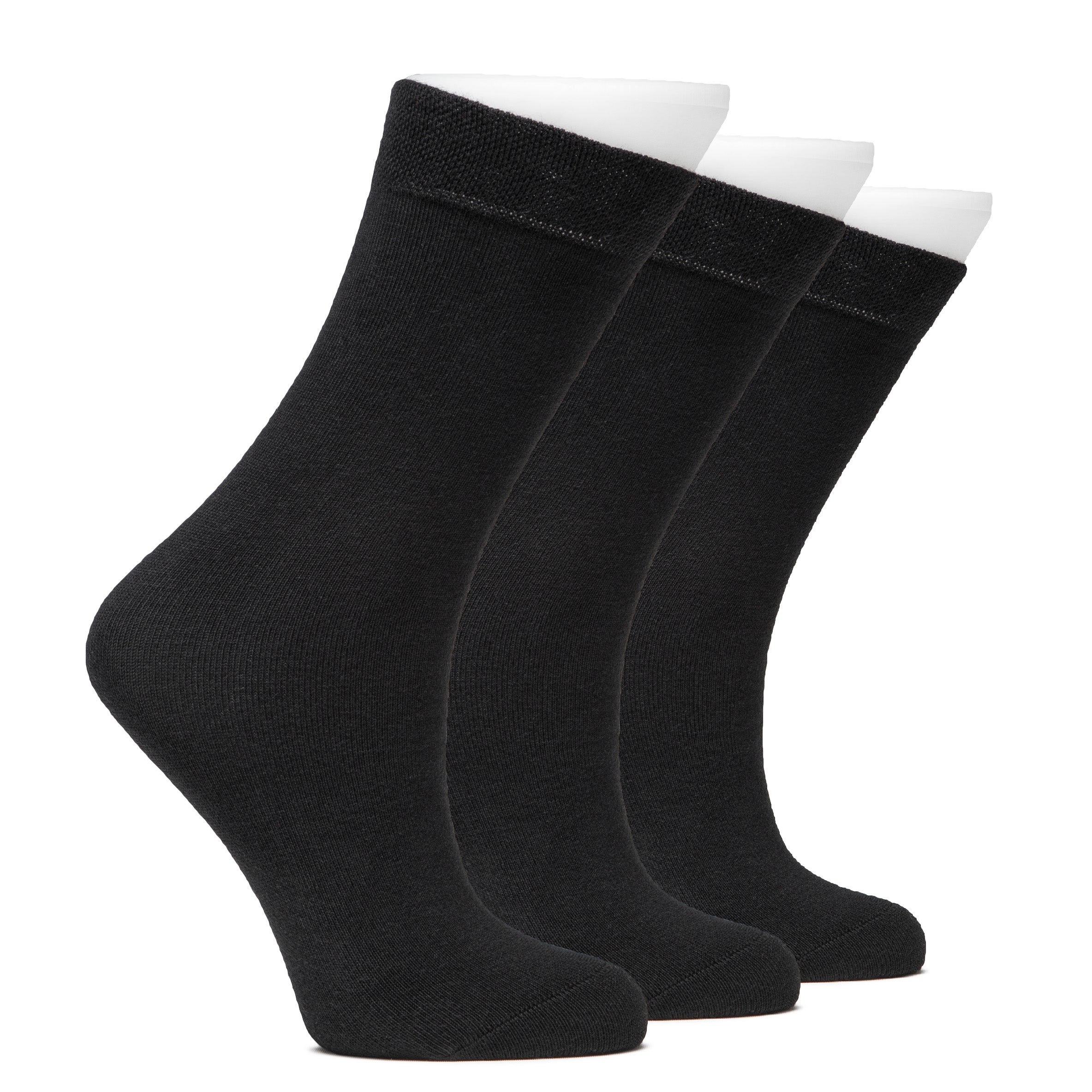
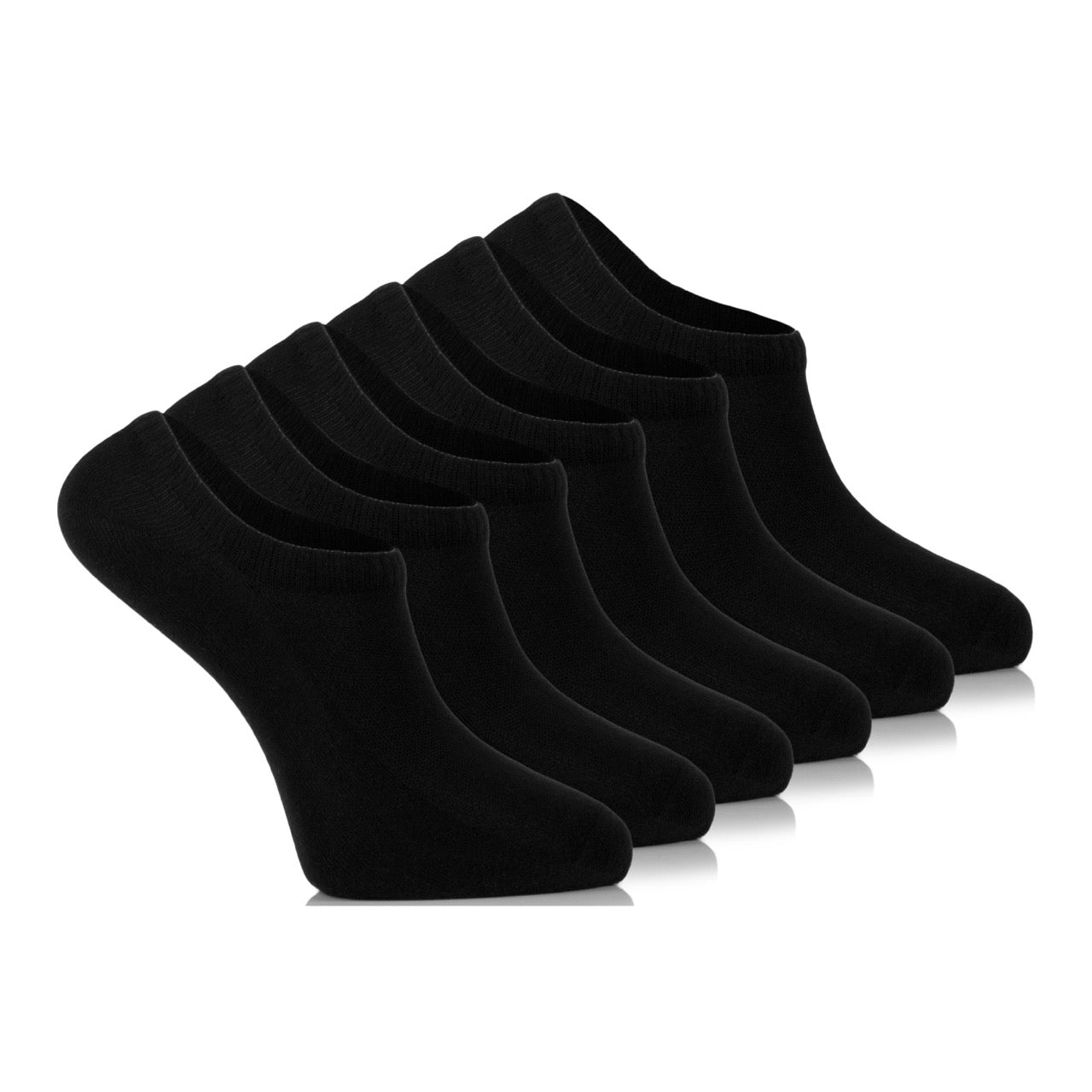
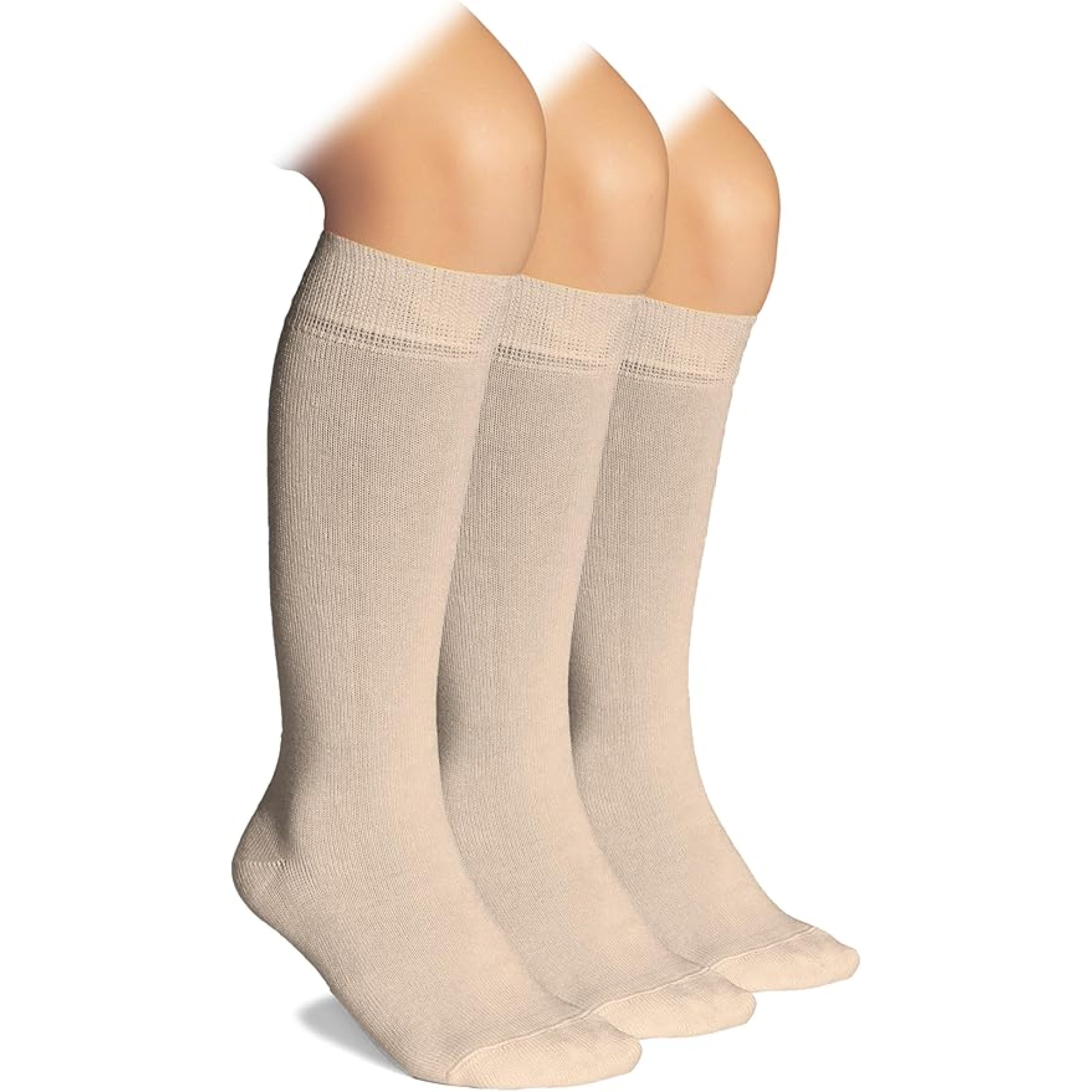


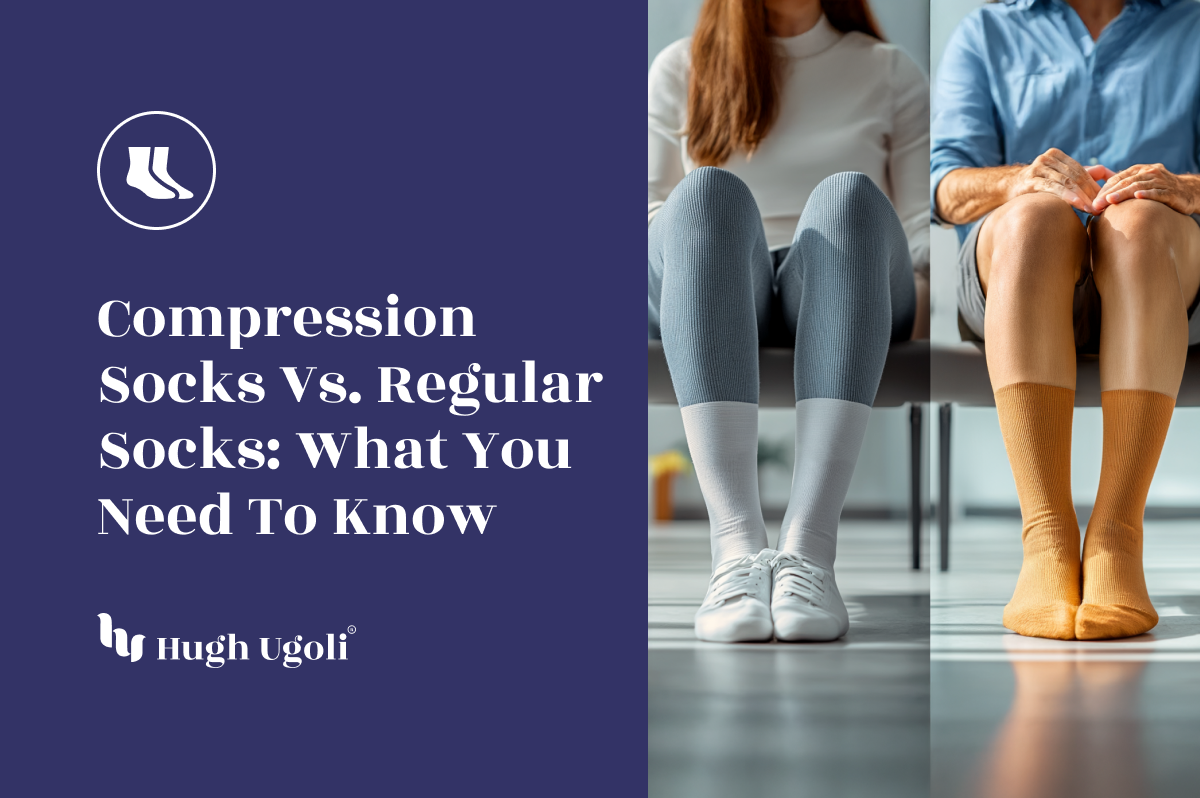
Socks may seem like a simple everyday accessory, but when it comes to foot and leg comfort, the right choice can make a real difference. Compression socks and regular socks serve different purposes, each offering unique benefits. Whether you're looking for everyday comfort or targeted support, understanding their differences can help you make the best decision for your needs.
Compression socks are designed to apply graduated pressure to your legs and feet, supporting circulation and helping with swelling. These socks are often used by individuals who experience:
By supporting blood flow, compression socks may help reduce discomfort for some people — though for diagnosed medical conditions, it's worth checking with a doctor about the right approach.

Compression socks use graduated pressure, meaning they are tighter around the ankles and gradually loosen as they go up the leg. This is intended to support blood flow back toward the heart, which may help with blood pooling and swelling.
There are different levels of compression, usually measured in millimeters of mercury (mmHg):
Regular socks are designed primarily for comfort, warmth, and protection. They come in various materials such as cotton, wool, and synthetic blends. While they provide basic cushioning and moisture control, they do not offer the compression that specialized socks do.
Regular socks may be a better option for:
For individuals with circulatory concerns, regular socks may not provide the support that compression socks are designed for — though that's a conversation for a doctor, not a general rule.
| Feature | Compression Socks | Regular Socks |
|---|---|---|
| Purpose | Supports circulation, may reduce swelling | Provides warmth, comfort, and protection |
| Pressure | Graduated compression | No compression |
| Best for | Long periods of sitting, standing, or medically guided use | Daily wear, general use |
| Material | Elastic blends, moisture-wicking fabrics | Cotton, wool, synthetic blends |
| Medical Use | Sometimes used for DVT, varicose veins, and swelling, under medical guidance | Offers general foot protection |
Compression socks are sometimes used by:
If you experience leg fatigue, swelling, or circulation concerns, compression socks may be worth considering — talk to a doctor if you have diabetes or a vascular condition. If you're simply looking for everyday comfort and warmth, regular or non-binding socks may be sufficient.
For those looking for comfort and moisture-wicking properties without compression, consider:
Both compression socks and regular or non-binding socks serve important functions, but knowing which to wear in different situations can enhance comfort and overall foot health. If you need extra support and don't have diabetes or a vascular condition, compression socks may be worth trying — otherwise, check with your doctor first.
For more insights into foot care and choosing the right socks, check out our related blog: "How Diabetic Socks Improve Blood Circulation and Foot Health."
This article is for general information and is not medical advice.
He has been working for more than 20 years in the textile industry and has work experience in many parts of the world.