Cart
0
You may also like
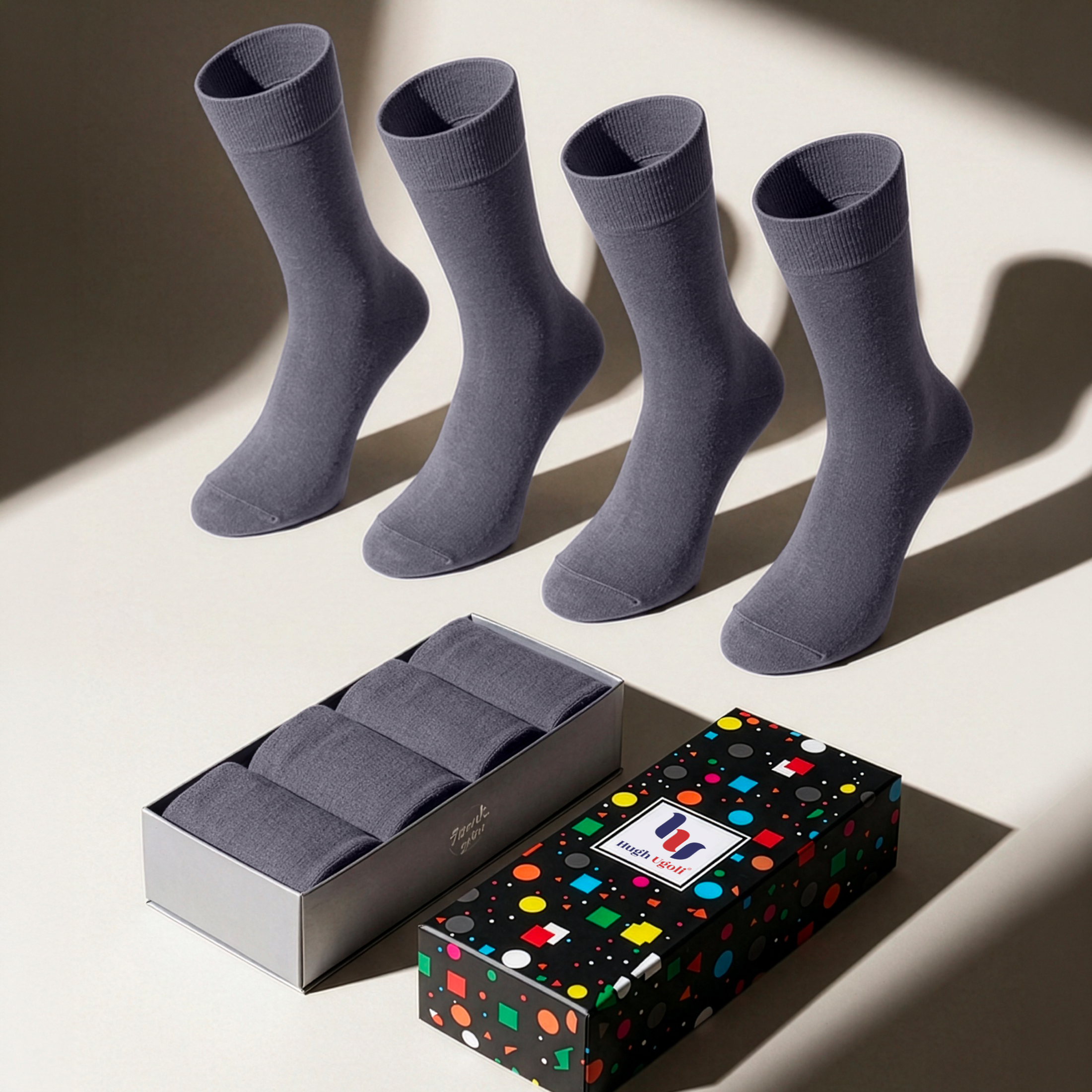
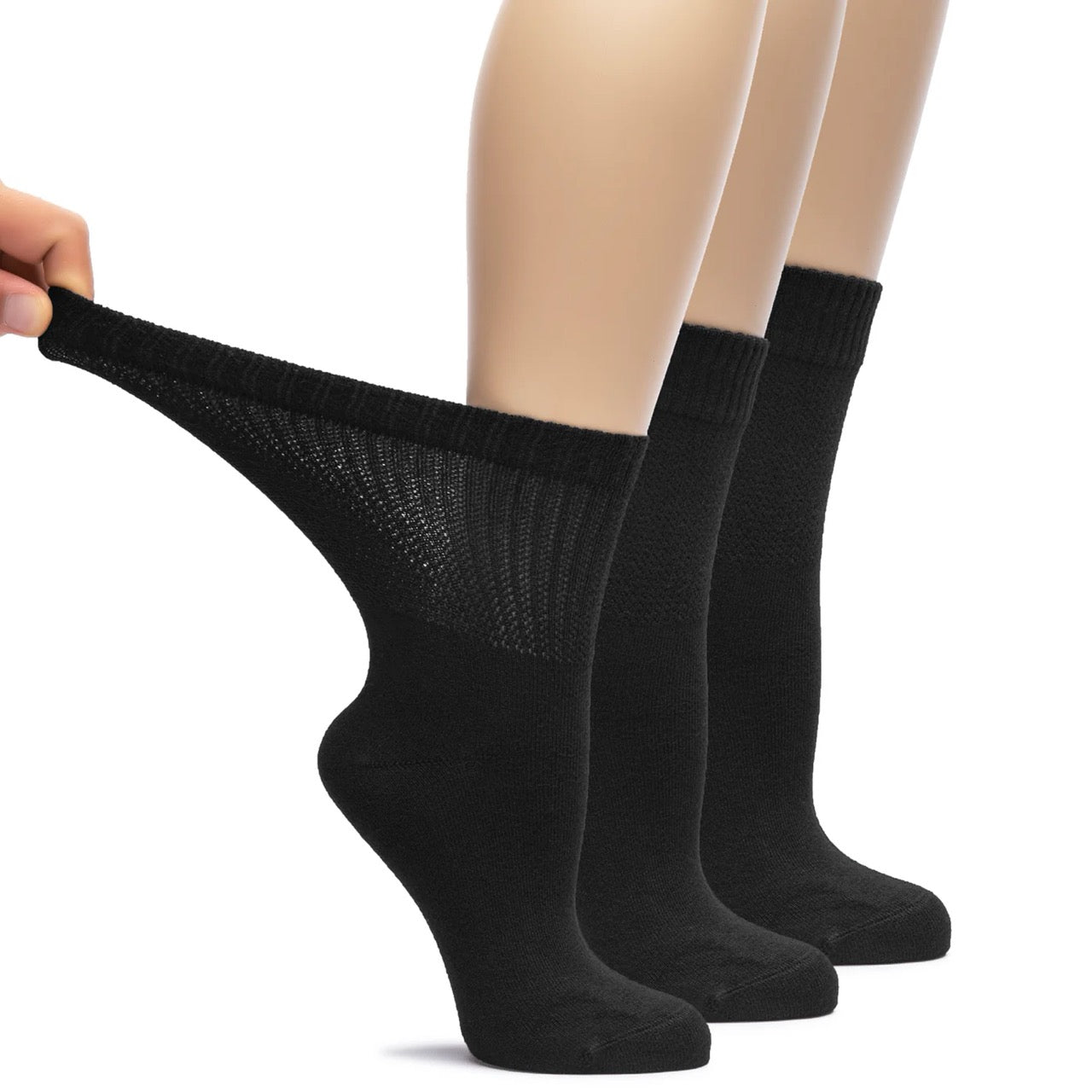
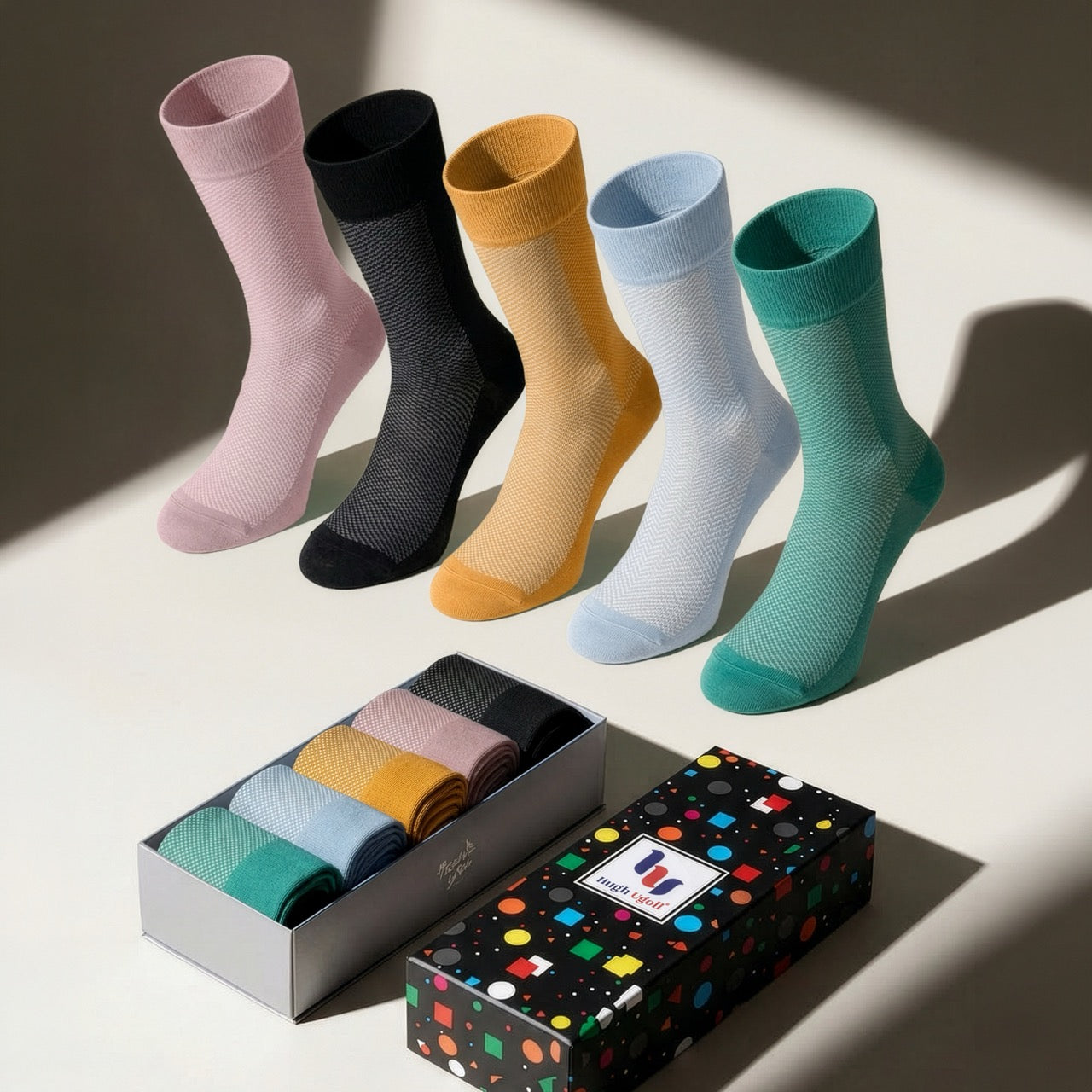
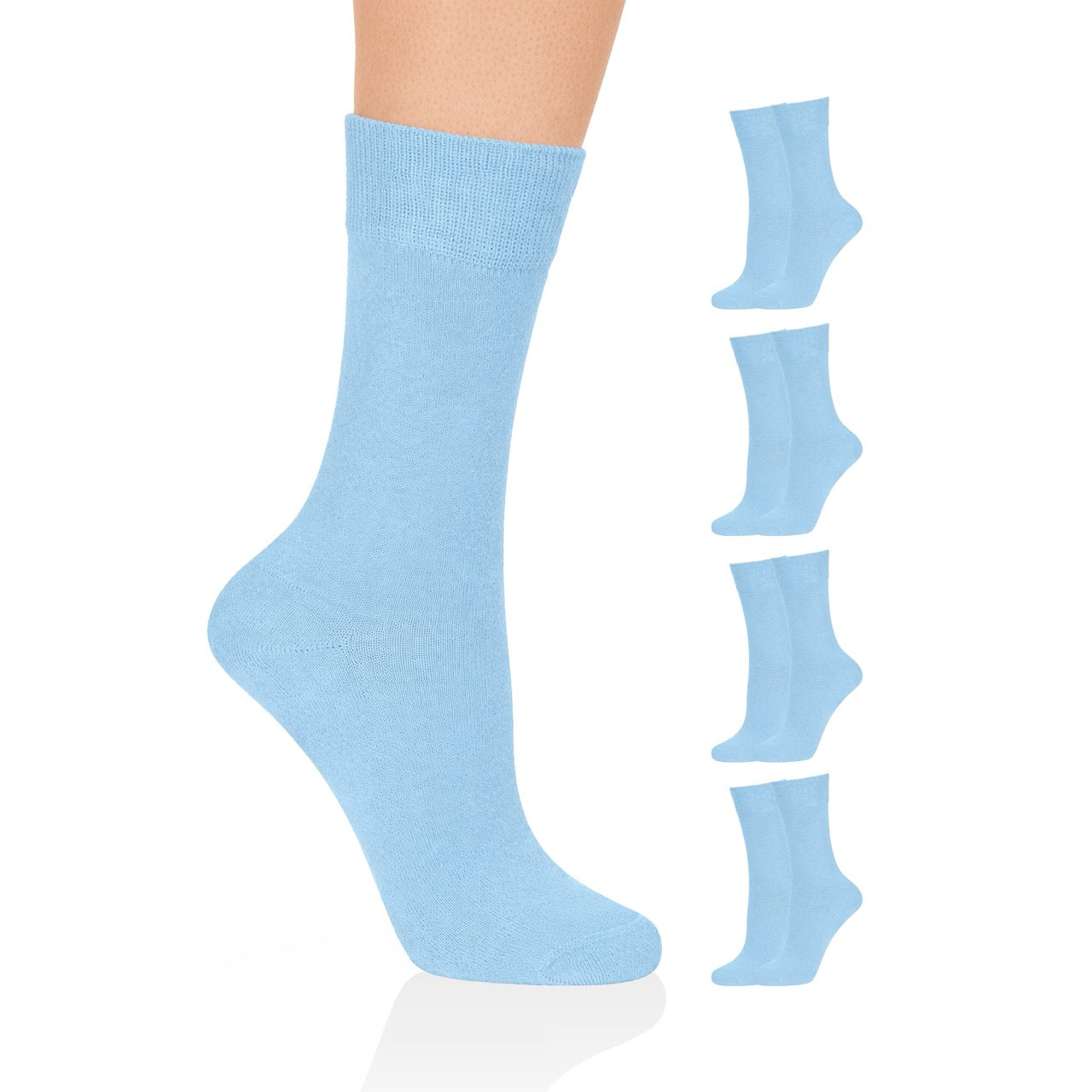
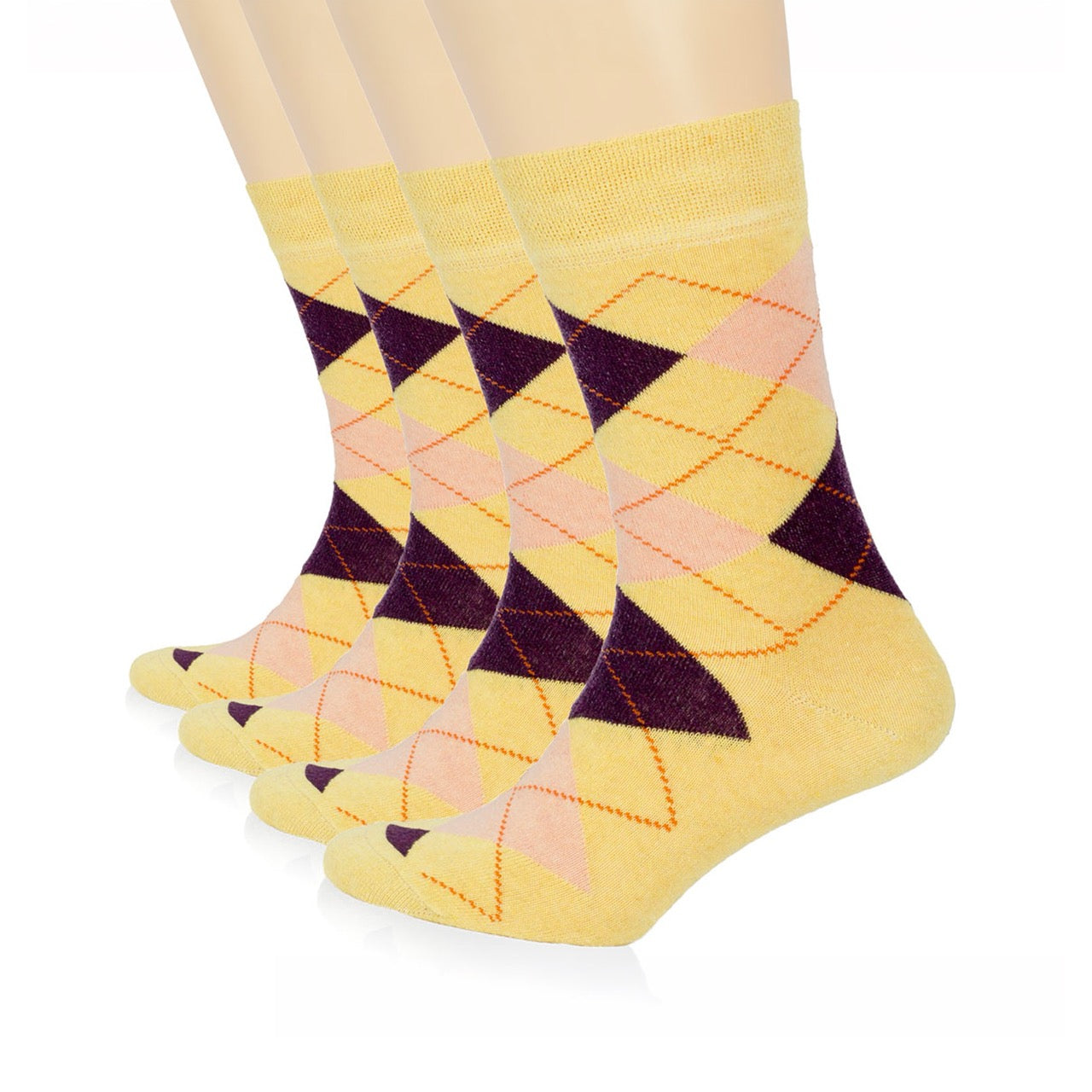
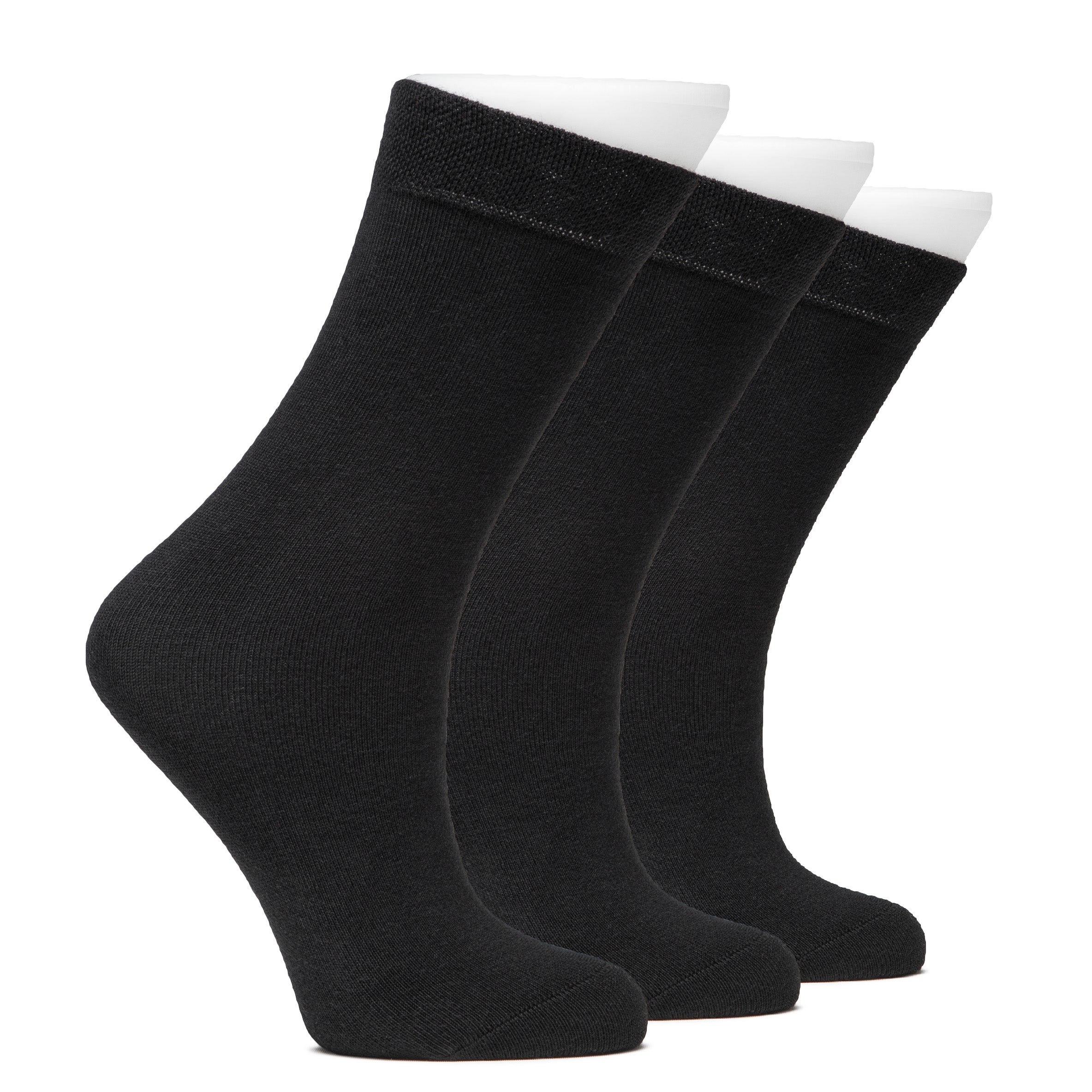
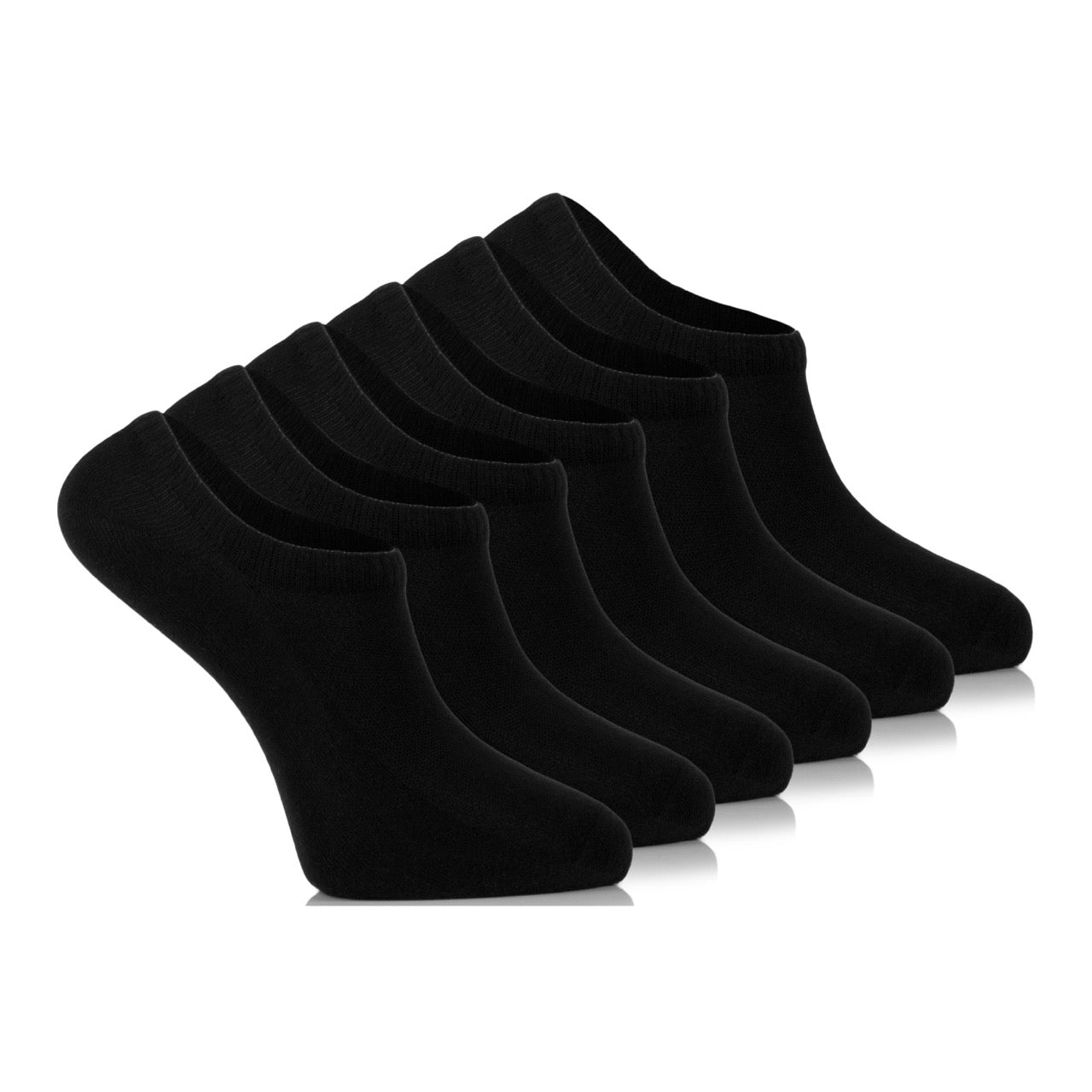
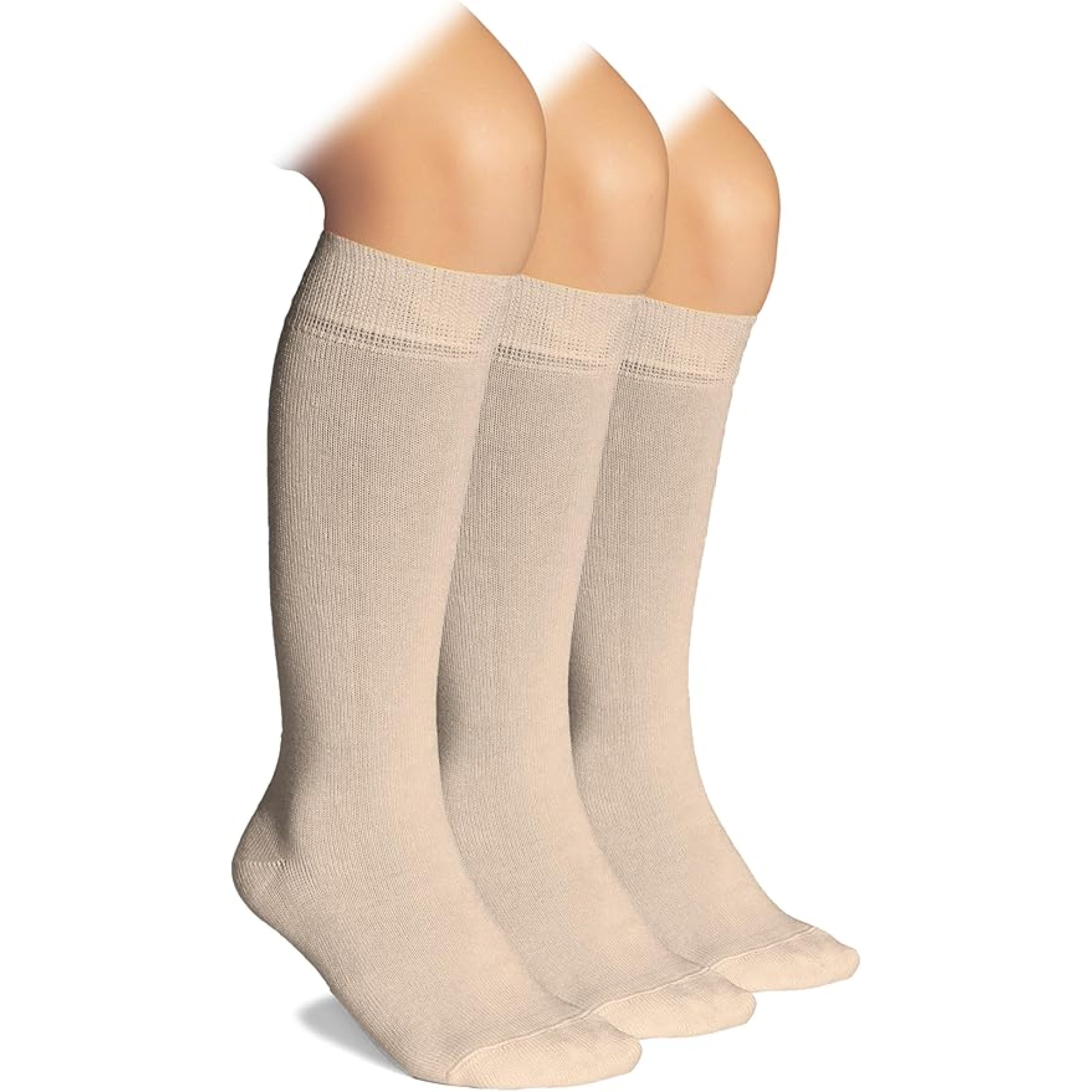


In 2026, comfort is no longer a secondary feature when Americans choose socks. It is the starting point. From everyday wear to long workdays and travel, consumers are paying closer attention to how socks fit, feel, and perform. This shift reflects a broader move toward practical wellness, where small choices—like the socks you wear—play a role in daily comfort.
Instead of buying socks based only on color or price, shoppers now evaluate moisture management, fabric quality, and how socks support the toes and heels. In many households, socks are no longer disposable basics but essential comfort tools.
Several lifestyle changes have shaped how Americans think about socks. Longer work hours, more time spent on feet, and increased awareness of foot health all contribute to this shift.
People spending long hours standing, commuting, or working from home want socks that feel good all day. When socks fit poorly, they can trap moisture, cause friction, or restrict circulation.
One of the biggest drivers of sock innovation is the demand for moisture wicking performance. Keeping feet dry improves comfort and reduces odor, blisters, and irritation.
Modern socks are designed with advanced moisture management systems that move sweat away from the skin. This helps regulate temperature and keeps feet feeling fresh throughout the day.
Consumers increasingly look for breathable fabrics that allow airflow while still providing softness and durability. Materials such as merino wool and combed cotton are popular because they balance comfort and performance.

A key reason socks feel uncomfortable is poor fit. In 2026, shoppers pay close attention to how socks fit around the foot and leg.
Well-designed socks support the foot without squeezing it. The goal is a secure feel that does not restrict movement or circulation.
Modern socks often use spandex or elastane to create stretch and shape retention. This allows socks to stay in place without tight bands that dig into the skin.
Socks that fit properly reduce bunching around the toes and slipping at the heel, improving overall comfort during everyday wear.
Americans now choose sock styles based on how and where they will be worn. Each style serves a specific role in daily life.
Ankle socks remain popular for casual outfits and warmer conditions. When designed with moisture control and soft seams, they provide comfort without bulk.
Crew socks offer extra coverage and are favored for work, walking, and cooler temperatures. Many designs now include subtle arch support to improve stability.
Knee high socks are increasingly chosen for colder months or extended periods of standing. They provide warmth and a secure feel without sacrificing breathability.
Socks that help manage heat are in high demand. Americans want socks that keep feet warm in cool conditions and comfortable when temperatures rise.
Materials like merino wool naturally support temperature regulation. They insulate in cooler weather and release excess heat when needed.
While compression socks still have a role, many consumers now understand that they are not necessary for everyone.
Some socks are designed to offer gentle support without true compression. This approach suits people who want comfort without pressure, especially during everyday wear.
Another noticeable trend in 2026 is buying fewer socks but choosing high quality options. Shoppers look for durability, softness, and consistent fit after washing.
Reinforced toes and heels extend sock life and prevent thinning in high-friction areas. This makes socks feel better for longer.
Comfort-first does not mean boring. Many Americans enjoy show socks that add personality to outfits while still delivering comfort.
The difference in 2026 is that style is built on a comfortable foundation. Socks are designed to feel good before they look good.
Today’s socks are created with real use cases in mind. Designers consider walking patterns, pressure points, and how socks behave after hours of wear.
When socks are designed with thoughtful construction, they reduce friction and improve overall foot comfort.
Americans selecting socks today focus on a few clear priorities:
These features work together to make socks feel like a natural extension of the foot, not an afterthought.
They keep feet dry, reduce odor, and improve comfort during long hours of wear.
Yes. Merino wool regulates temperature and remains soft and breathable.
No. Many people prefer socks with gentle support instead of compression.
Durable fabrics, good fit, reinforced toes and heels, and consistent comfort.
He has been working for more than 20 years in the textile industry and has work experience in many parts of the world.