Cart
0
You may also like
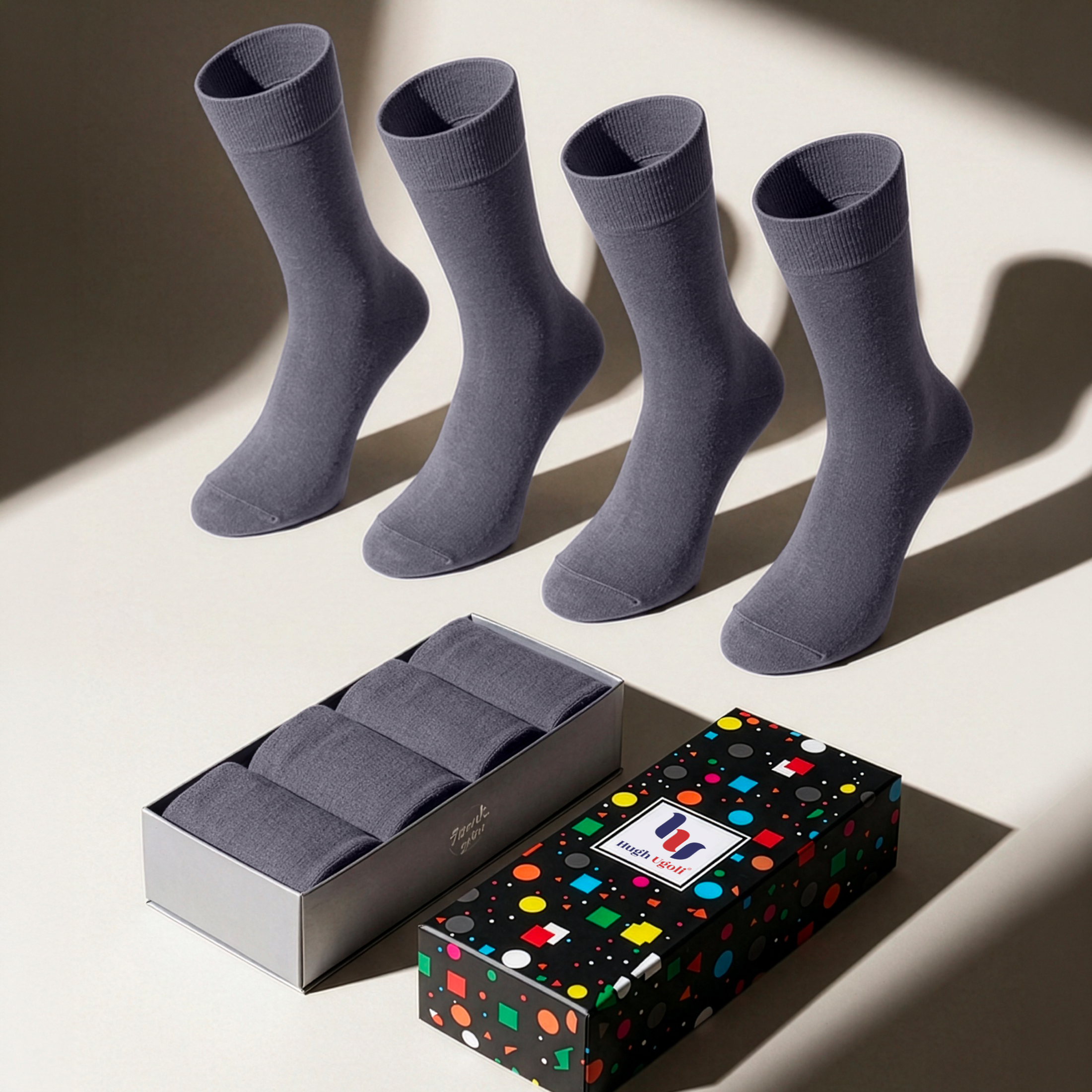
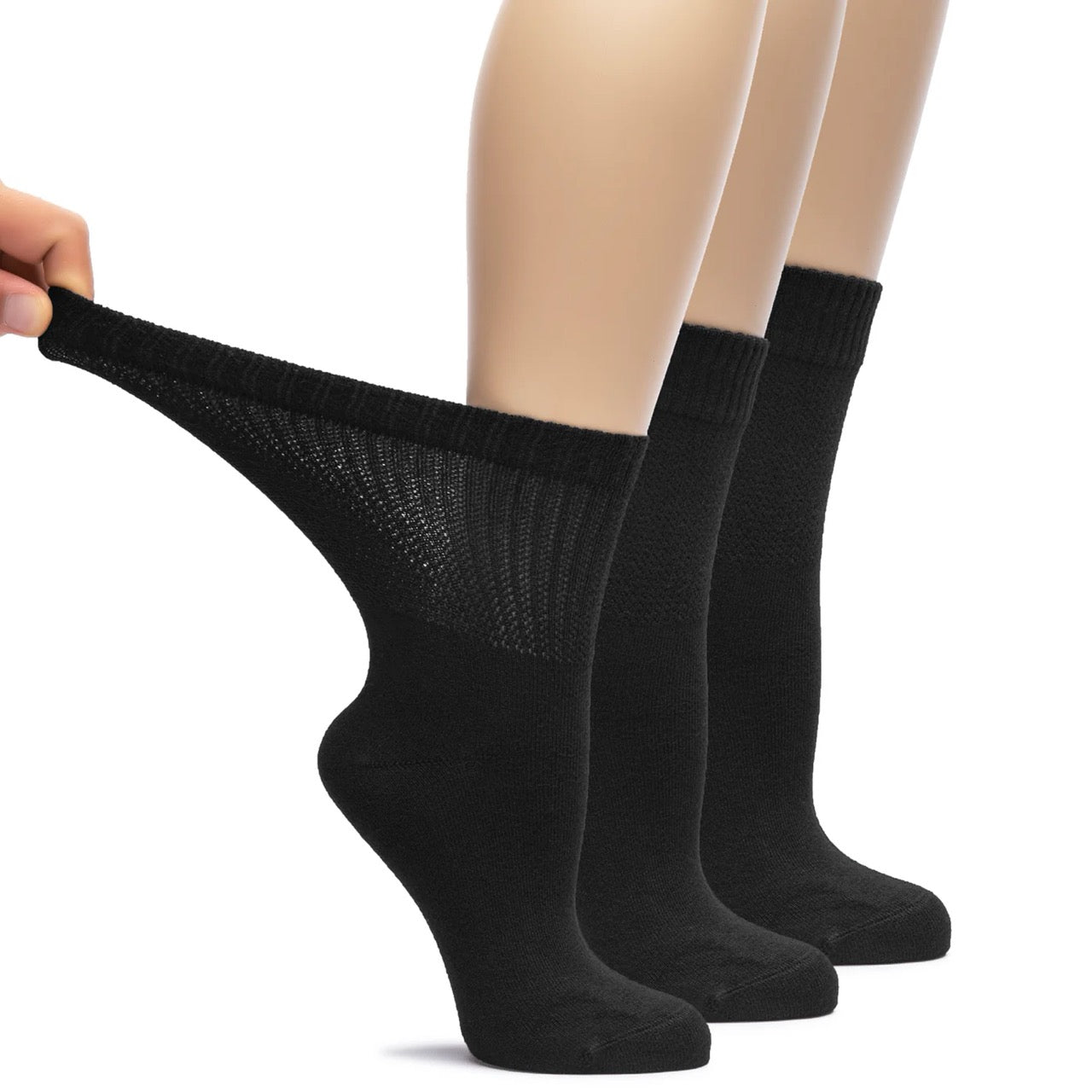
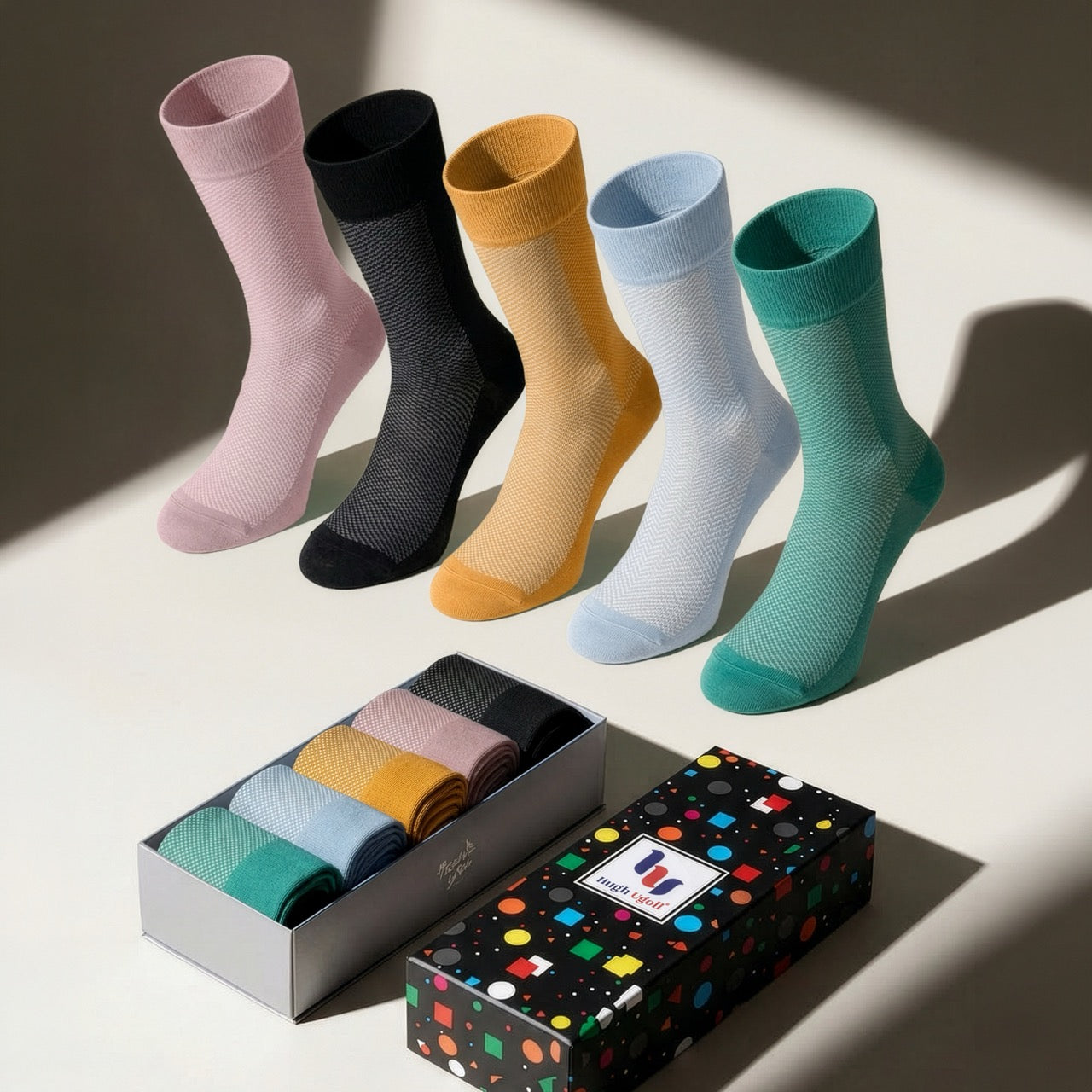
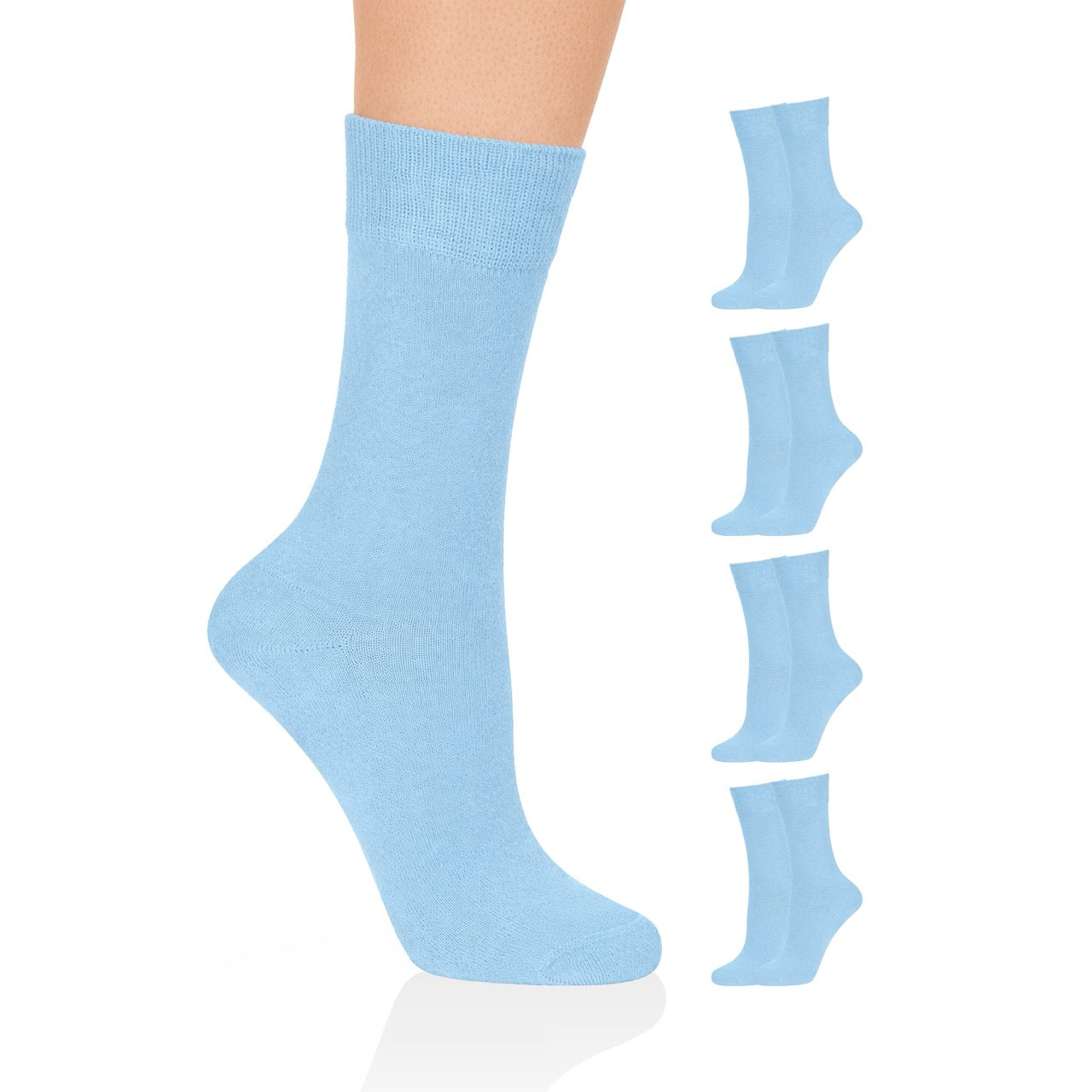
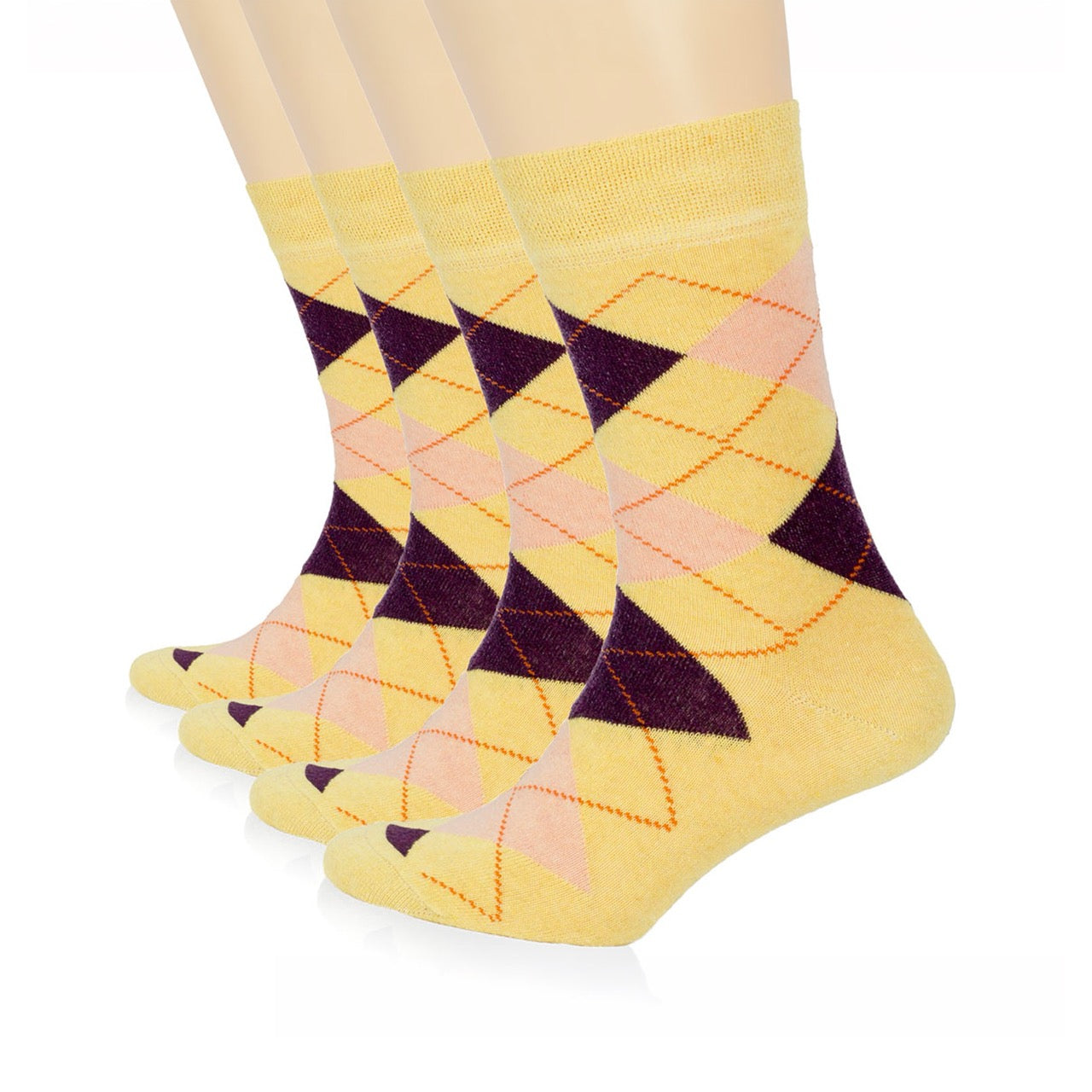
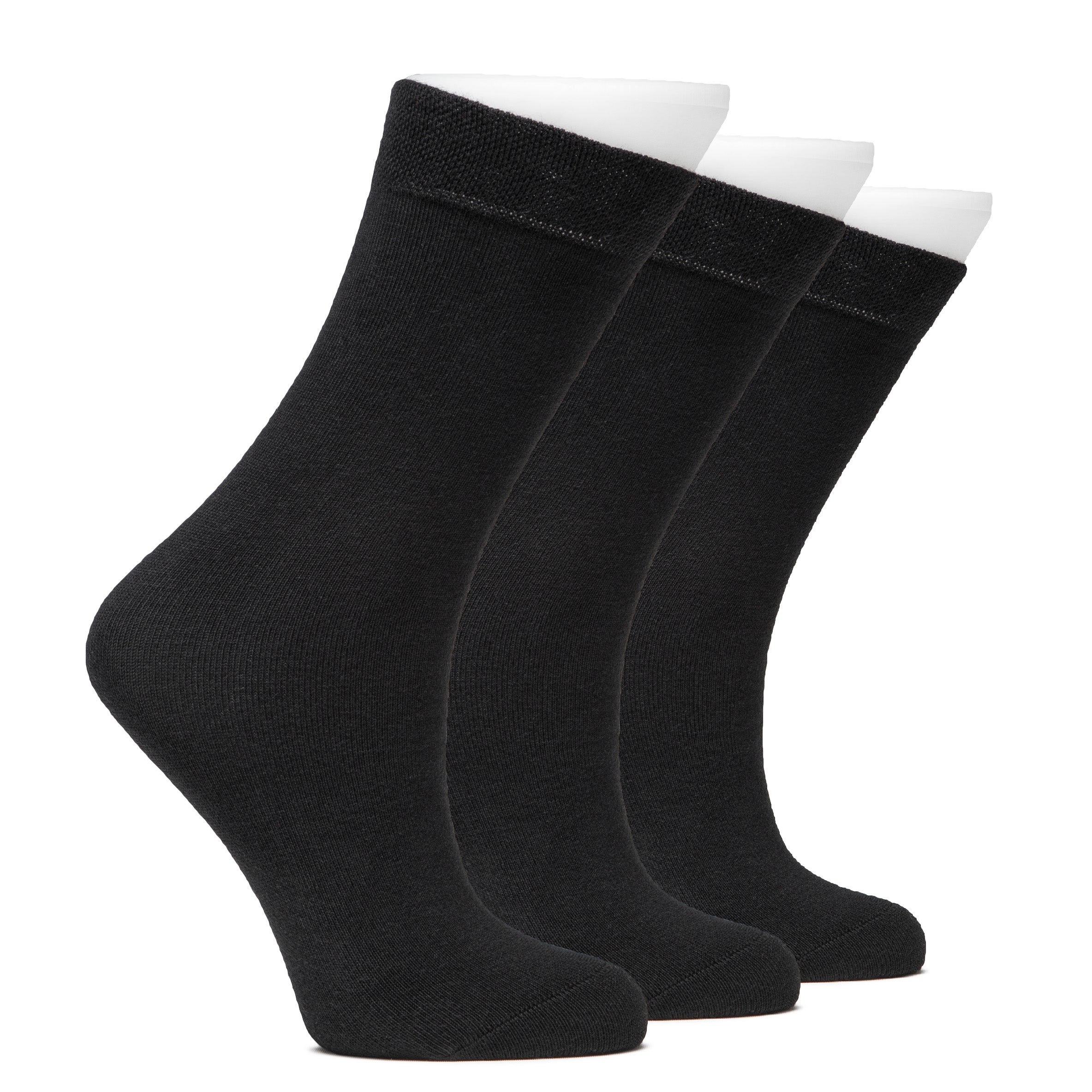
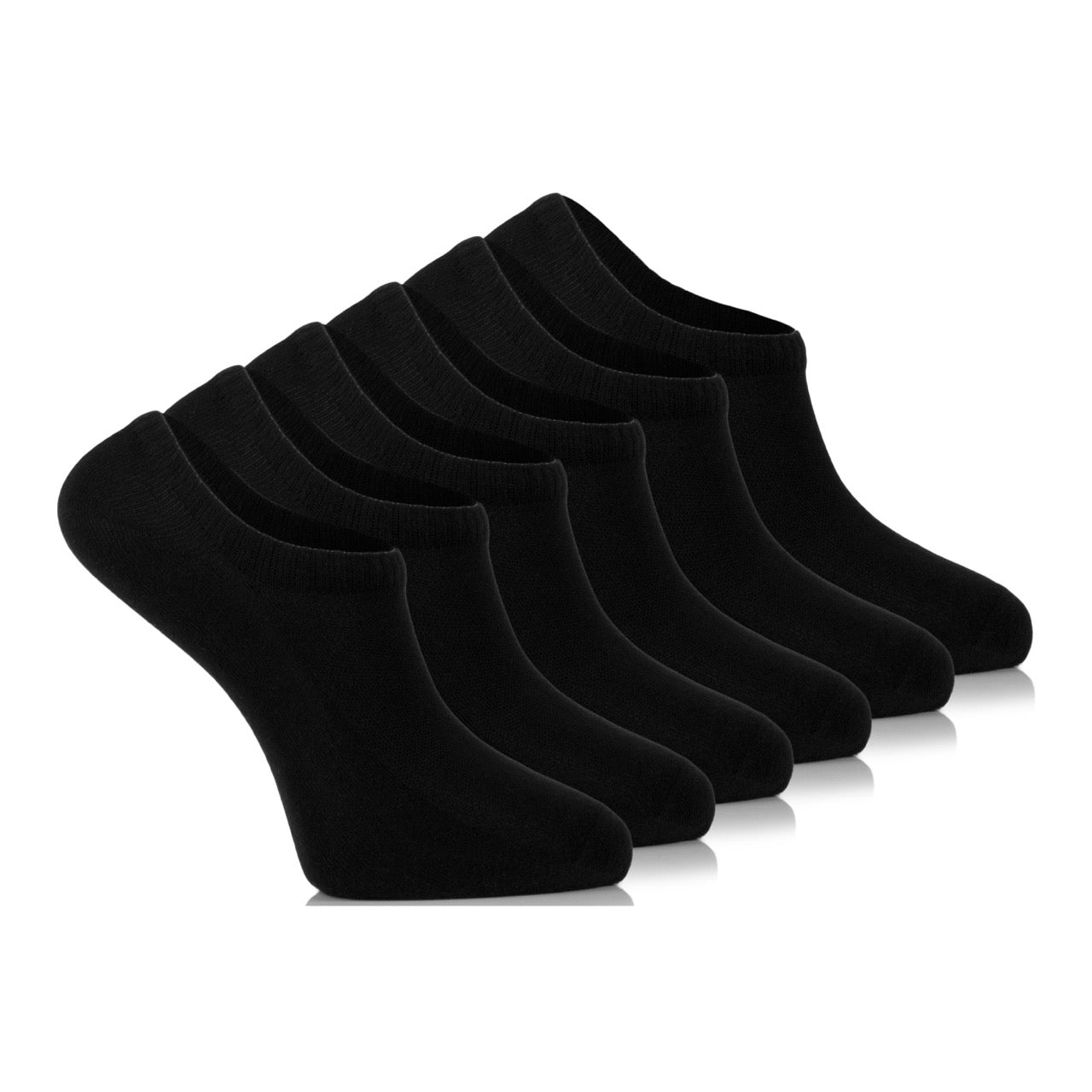
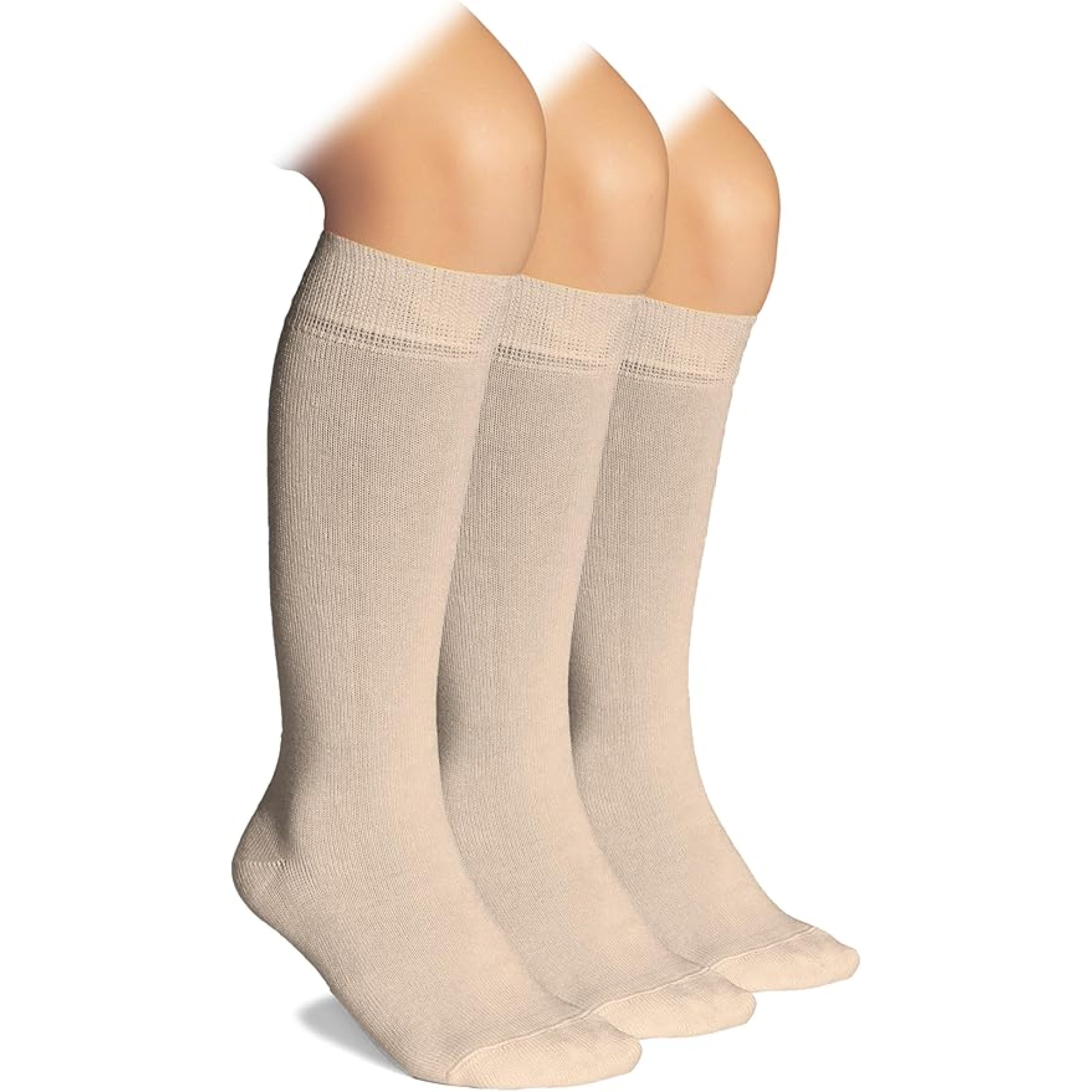


Most people assume comfortable socks are simply soft or thick. In reality, true comfort comes from how a sock performs throughout the day. From keeping feet dry to reducing pressure points, comfort is a system— not a single feature.
In 2026, Americans are rethinking what good socks actually mean. Comfort now blends fabric science, thoughtful design, and durability. A truly comfortable pair of socks works with your feet, not against them.
One of the biggest comfort killers is moisture. When sweat stays trapped, it leads to irritation, odor, and even blisters. That’s why moisture wicking properties matter more than softness alone.
Socks that manage moisture help keep sweaty feet dry during long workdays, workouts, or outdoor activities. Dry skin experiences less friction, which plays a key role in preventing blisters.
When socks pull moisture away from the skin, they reduce hot spots and skin breakdown. This improves overall foot health and makes socks feel comfortable for longer periods.

The materials used in socks determine how they breathe, stretch, and last. Understanding socks materials helps explain why some socks feel great while others fail quickly.
Cotton socks are soft and affordable, but they absorb moisture instead of moving it away. Once wet, cotton stays damp, which can increase friction and discomfort.
For short wear or low activity, cotton can feel fine. For longer use, cotton often falls short of true comfort.
Merino wool socks offer a different experience. Wool regulates temperature naturally, keeping feet warm in cool weather and cool in heat.
Merino fibers also resist odor and wick moisture efficiently, making them a favorite for people who prioritize temperature regulation and long-lasting comfort.
Modern socks often use synthetic fibers blended with natural materials. These fibers add durability, stretch, and faster drying times.
When designed well, blends combine the softness of natural fibers with the strength and moisture control of synthetics.
Many people assume thicker socks equal more comfort. In truth, fit matters far more. A sock that bunches or slides creates friction at pressure points.
Ensuring the sock fits properly around the heel, arch, and toes prevents rubbing and irritation. Comfortable socks feel secure without squeezing.
Poorly fitting socks concentrate pressure on sensitive areas. Over time, this can cause soreness or blisters. Well-designed socks distribute pressure evenly across the foot.
Comfort changes as temperatures shift. Socks that manage heat prevent feet from feeling too hot or too cold.
Natural fibers like merino wool adapt to body temperature, while advanced synthetics release excess heat. This balance is essential for everyday comfort.
Comfort isn’t just about how socks feel on day one. High-quality construction ensures socks maintain their shape and softness over time.
Reinforced heels and toes reduce wear in high-friction zones. This improves comfort durability and keeps socks feeling supportive after repeated washes.
Comfortable socks vary based on use. What works for the office may not suit workouts or travel.
Athletic socks focus on moisture control, cushioning, and targeted support. They help manage sweat and protect feet during movement.
For daily use, comfort comes from balanced materials, proper fit, and breathable construction. These socks feel natural from morning to night.
Comfortable socks combine several elements working together:
When these features align, socks stop being an afterthought and become a foundation for daily comfort.
Cotton feels soft but holds moisture, which can reduce comfort over time.
Merino wool regulates temperature and manages moisture naturally.
Not always. Proper fit and moisture control matter more than thickness.
Trapped moisture and friction at pressure points are common causes.
He has been working for more than 20 years in the textile industry and has work experience in many parts of the world.