Cart
0
You may also like




If you have diabetes, a black spot on the bottom of your foot is not always an emergency — but it should never be ignored. Many black spots are caused by friction (a blood blister), bruising, or a darkened callus, and small stable spots that improve over a few days are often harmless. What changes the picture is diabetes itself: reduced sensation means you may not feel the injury, and reduced circulation means it heals more slowly. A spot that persists, grows, becomes painful, or turns into an open sore should be checked by a clinician.
Key Takeaways
Diabetes increases the risk of foot complications because it can contribute to nerve damage (diabetic neuropathy) and reduced circulation. When sensation is reduced, you may not feel a blister, cut, or pressure point. When circulation is reduced, small injuries may heal more slowly — raising the risk of infection or ulceration.
Several things can cause a dark or black spot under the foot. Some are minor, while others require prompt evaluation — especially if you have diabetes.
Calluses and corns develop where the skin experiences repeated pressure or friction. In some cases, they can appear darker. With diabetes, thickened skin can hide irritation underneath and may increase the risk of skin breakdown if not managed properly.
A black spot can be a small bruise from bumping your foot or wearing shoes that press in the wrong place. Bruising often resolves on its own, but diabetes-related circulation issues can slow recovery — so it's important to keep an eye on changes.
Blood blisters occur when small blood vessels under the skin break due to friction or pressure. They may look like a dark spot and can be painless. Protecting the area and reducing friction is important. If the skin breaks or you notice signs of infection, seek medical care.
In some cases, a dark spot can be related to early tissue damage or an ulcer developing — especially if there's reduced sensation, ongoing pressure, or poor blood flow. Ulcers may be painless at first. If you have diabetes, treat any suspicious spot seriously and get it assessed.

Not every black spot is dangerous, but diabetes changes the risk profile. Contact a healthcare professional if you notice any of the following:
If you notice a small black spot and you feel otherwise well, these steps can help reduce risk while you monitor the area:
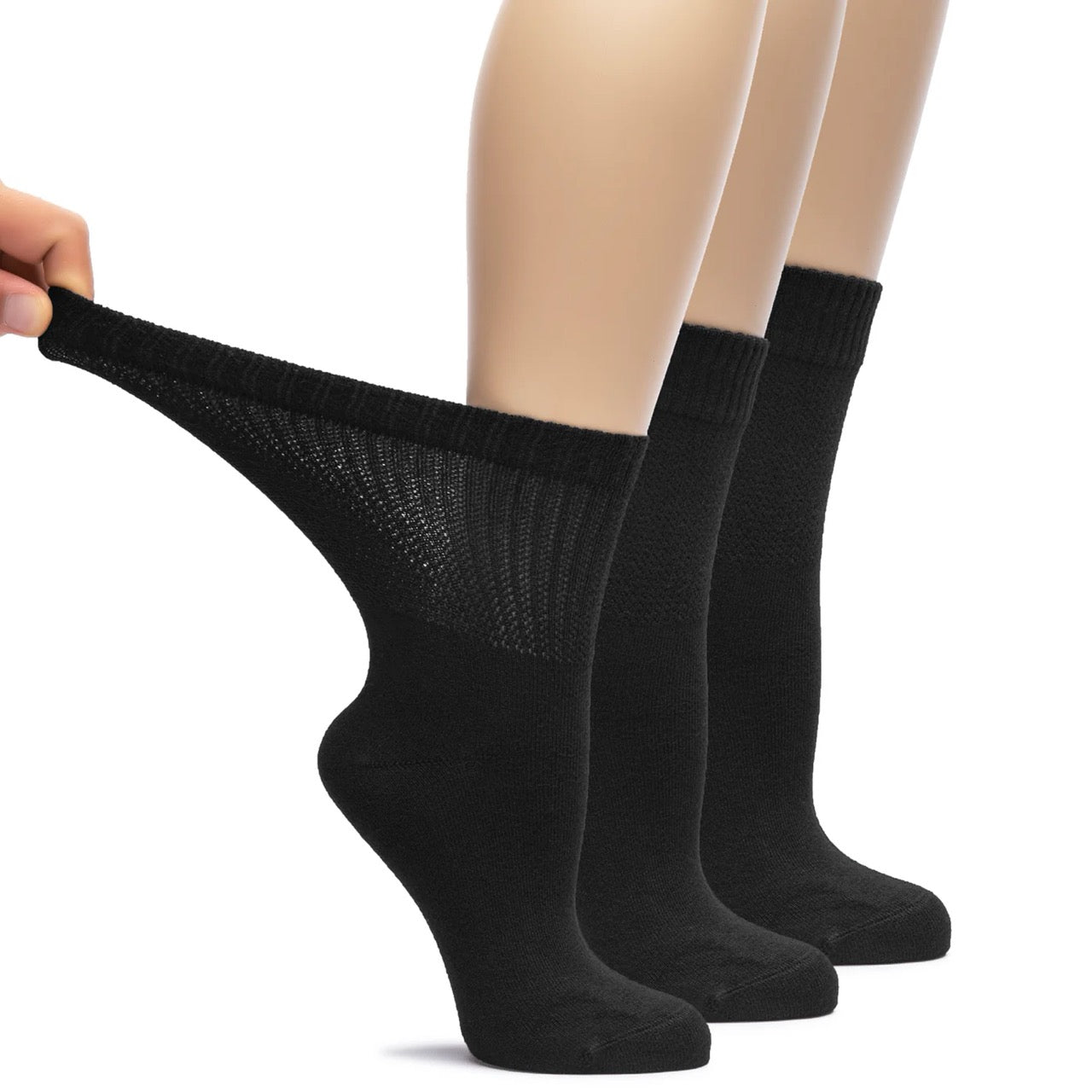
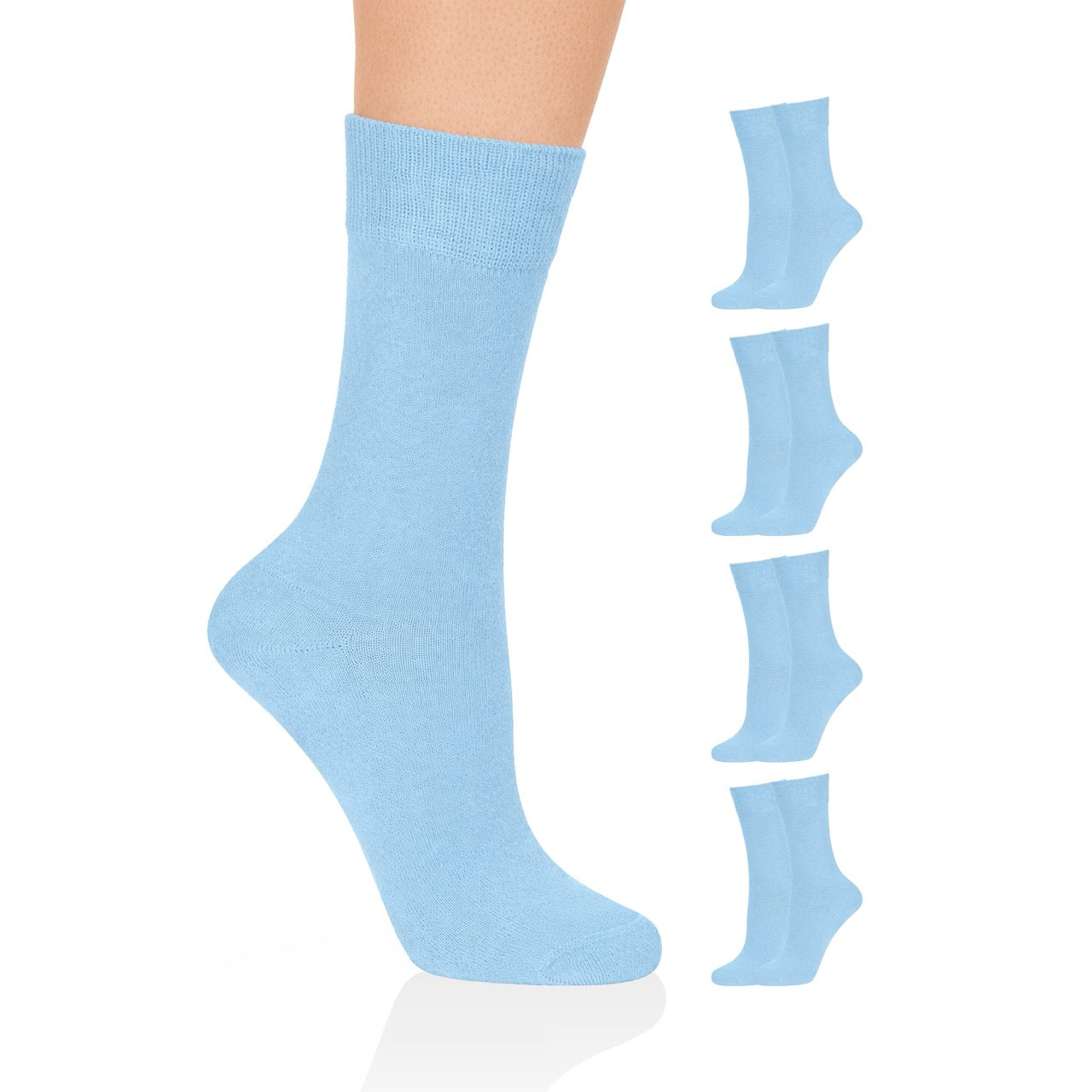
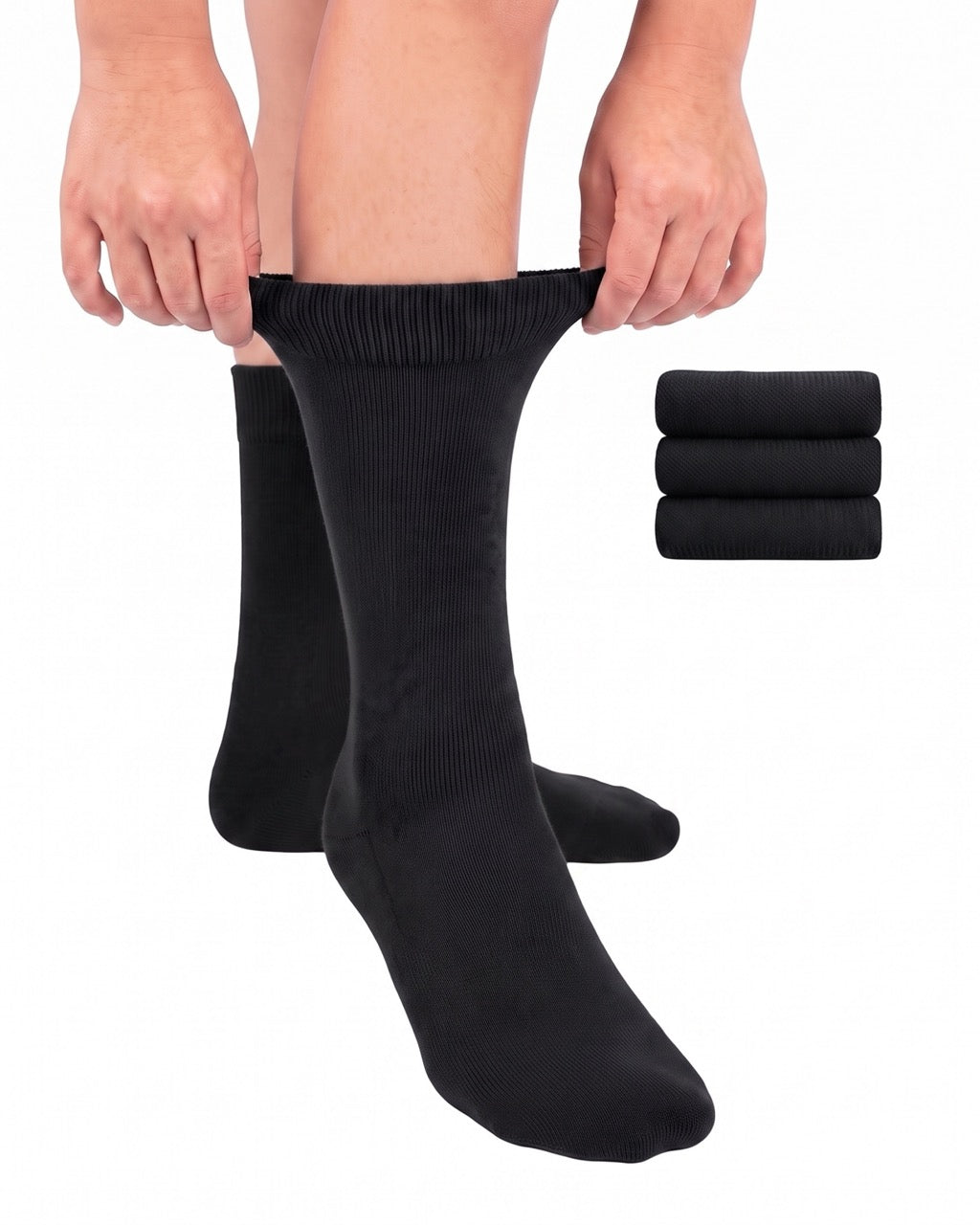
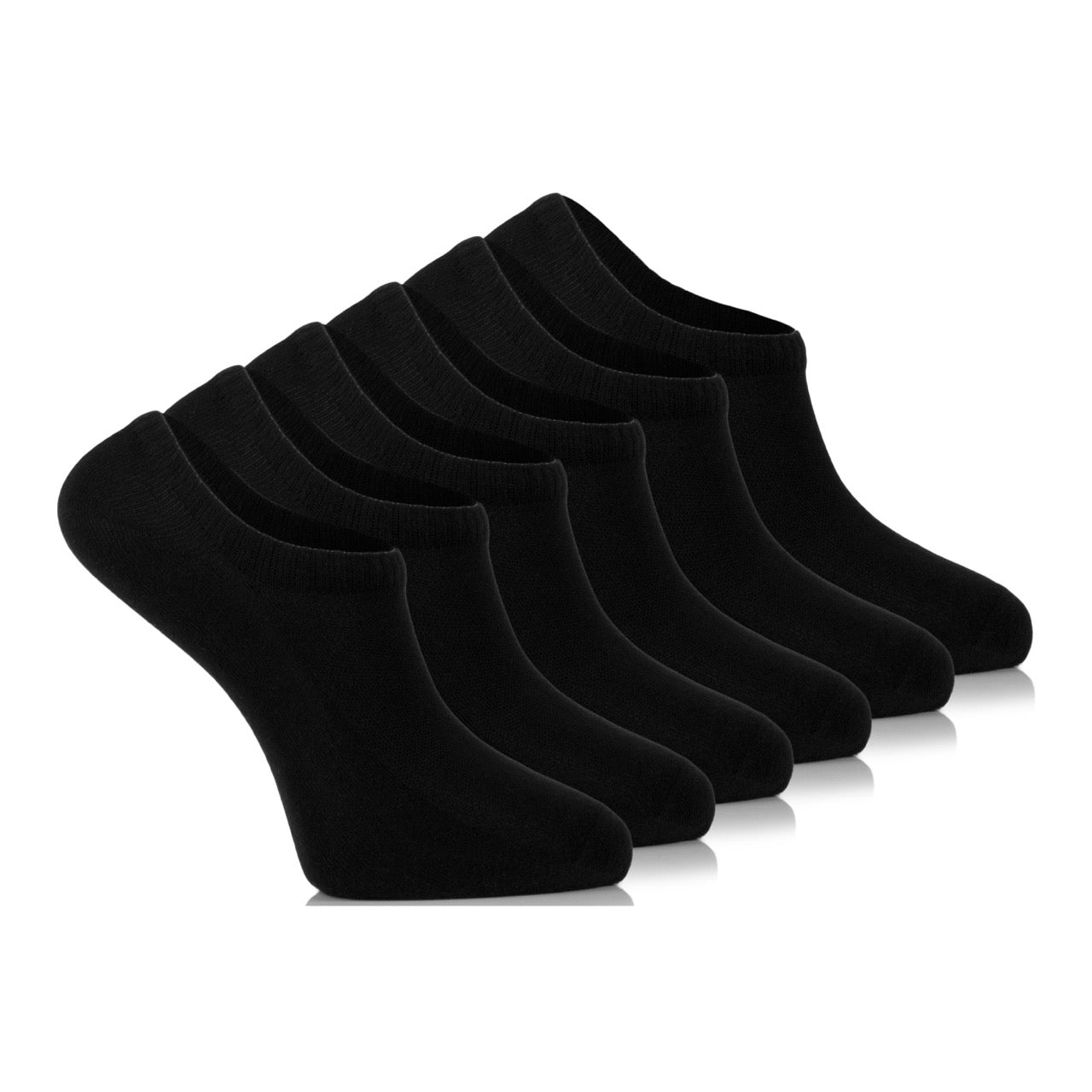
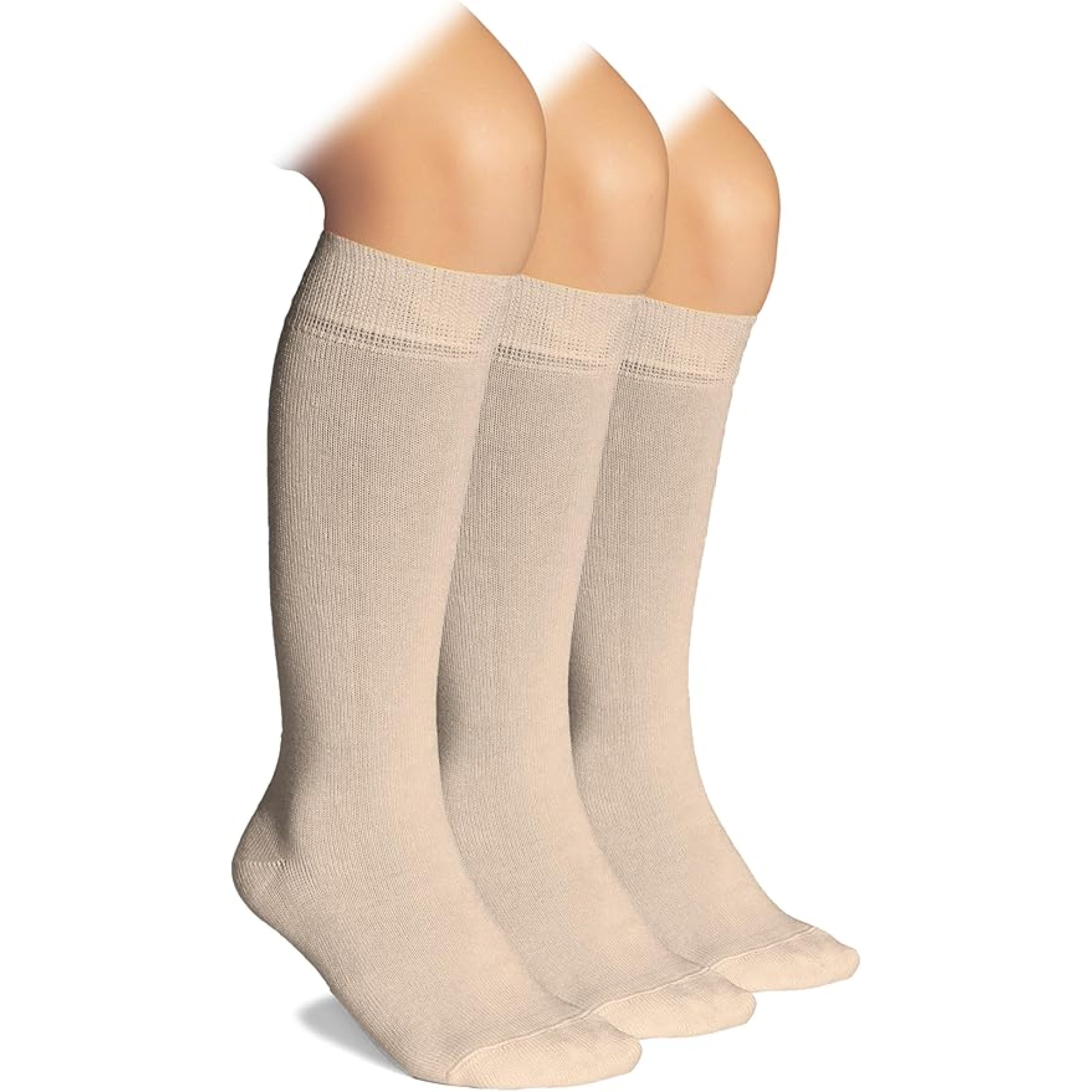
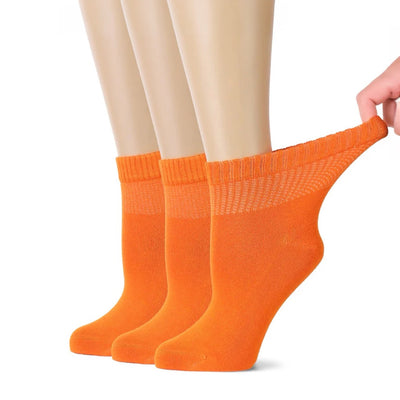
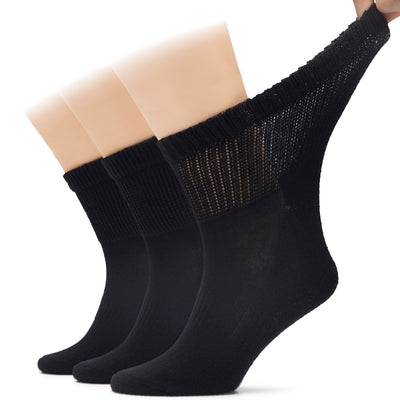
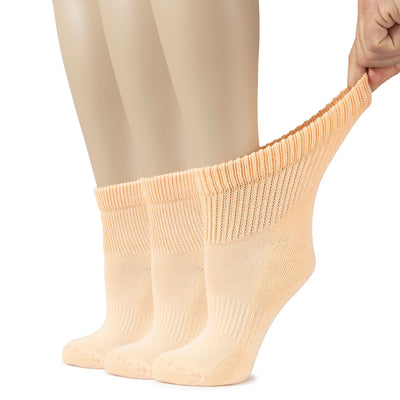
Small choices can make a meaningful difference in reducing friction and pressure points. Many people with diabetes prefer socks that are:
If you're looking for options designed for a gentler fit, you can explore Hugh Ugoli's diabetic socks collection for everyday comfort and reduced cuff pressure.
For specific picks, the Women's Comfortable Diabetic Bamboo Ankle Socks for Swollen Legs offer a soft, low-friction fit for swelling-prone legs, while the Men's Diabetic Ankle Semi-Cushion Cotton Socks and Women's Semi-Cushion Cotton Diabetic Ankle Socks add cushioning around pressure points to help reduce friction.
A black spot on the bottom of your foot may be harmless — but with diabetes, it deserves attention. Monitor changes, reduce friction and pressure, and seek medical care if the spot persists, grows, or is accompanied by swelling, redness, warmth, or an open sore.
Next, you may find this helpful: Do Diabetic Socks Help with Neuropathy? It explains how sock features can support comfort for people managing neuropathy symptoms.
For more on diabetic foot care, see Should You Wear Socks To Bed With Neuropathy? and Should Diabetics Wear Socks to Bed?.
This article is for general information and is not medical advice. Talk to your healthcare provider about your own feet.
No. It can be a blood blister, a bruise, or a dark callus. But if you have diabetes, it is important to monitor it closely and get it checked if it persists or changes.
If the cause is unclear, or the spot does not improve within one to two weeks, it is reasonable to seek medical advice sooner. Seek care immediately if there are signs of infection or an open wound.
Reduced circulation can slow healing and increase the risk of complications, which is why foot changes should be taken seriously in diabetes. A minor injury that would close in days on a healthy foot can stay open for weeks.
Avoid cutting calluses, using strong chemical corn removers, or popping blisters. These are the most common routes to turning a minor mark into an open wound. If you are unsure, get professional guidance.
Socks do not treat a black spot, but they can remove sources of friction and pressure while you monitor it — a non-binding cuff, a flat or seamless toe, and a breathable low-friction fabric. Light-coloured socks also make drainage easier to spot early.
Discover All Hugh Ugoli Socks
Shop All Socks