Cart
0
You may also like
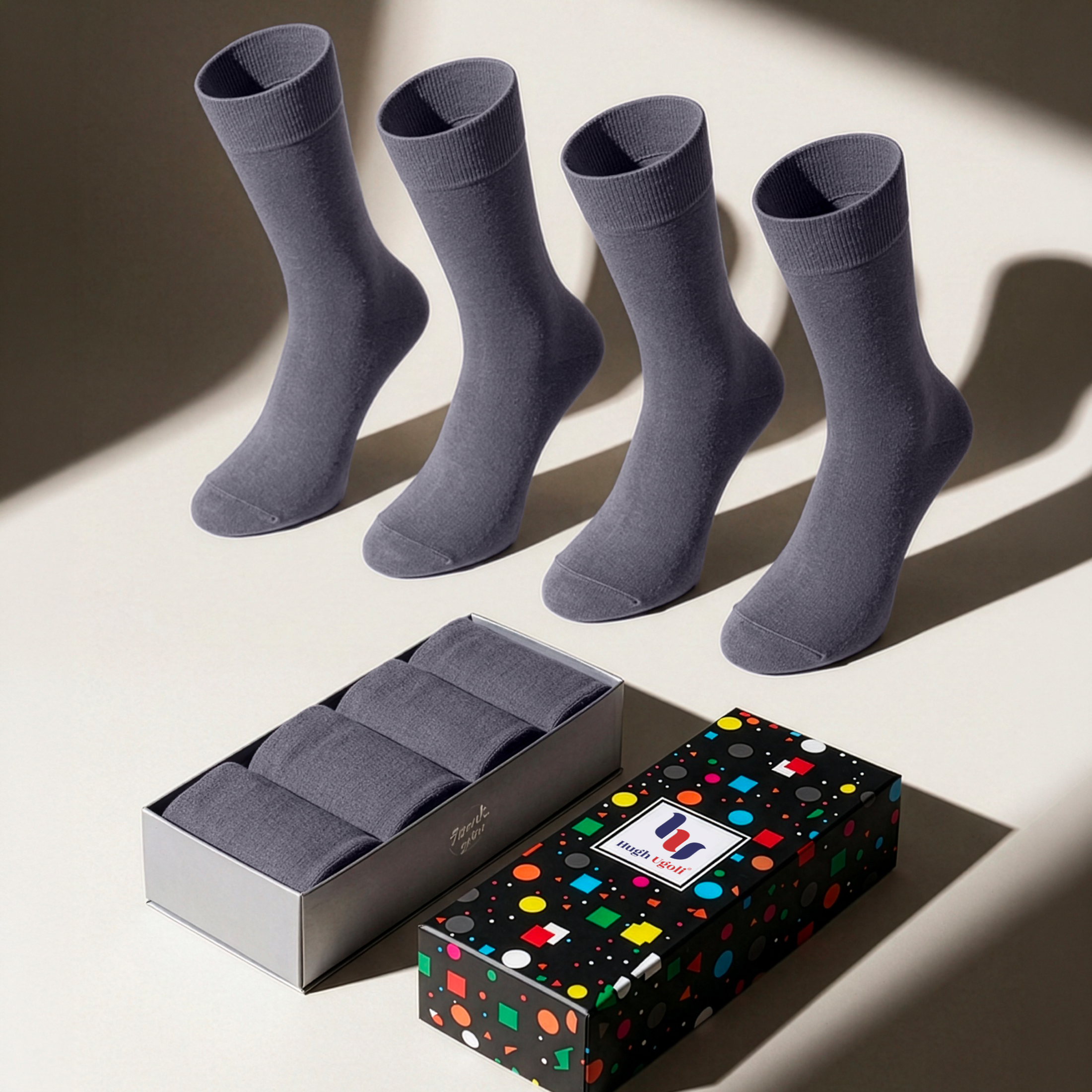
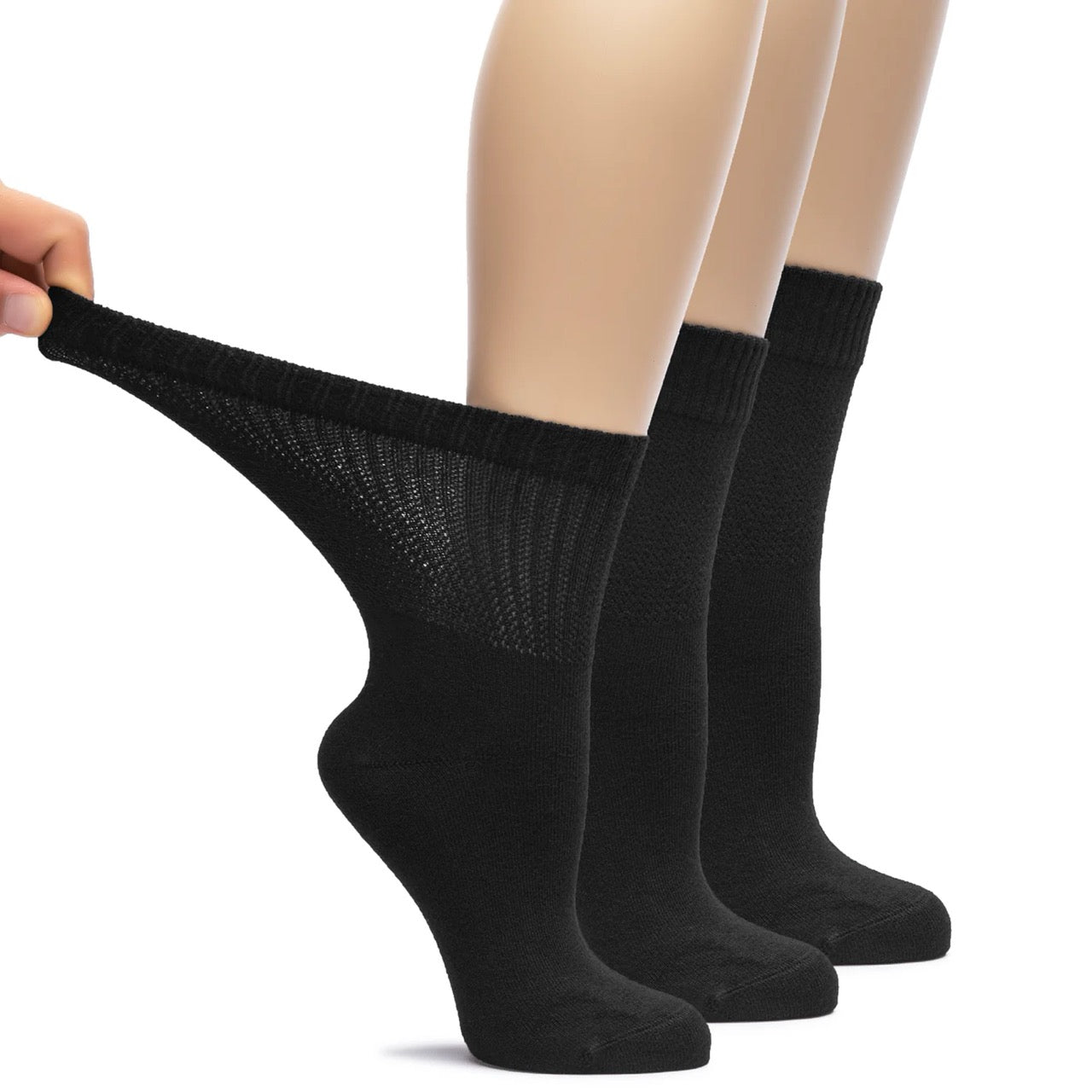
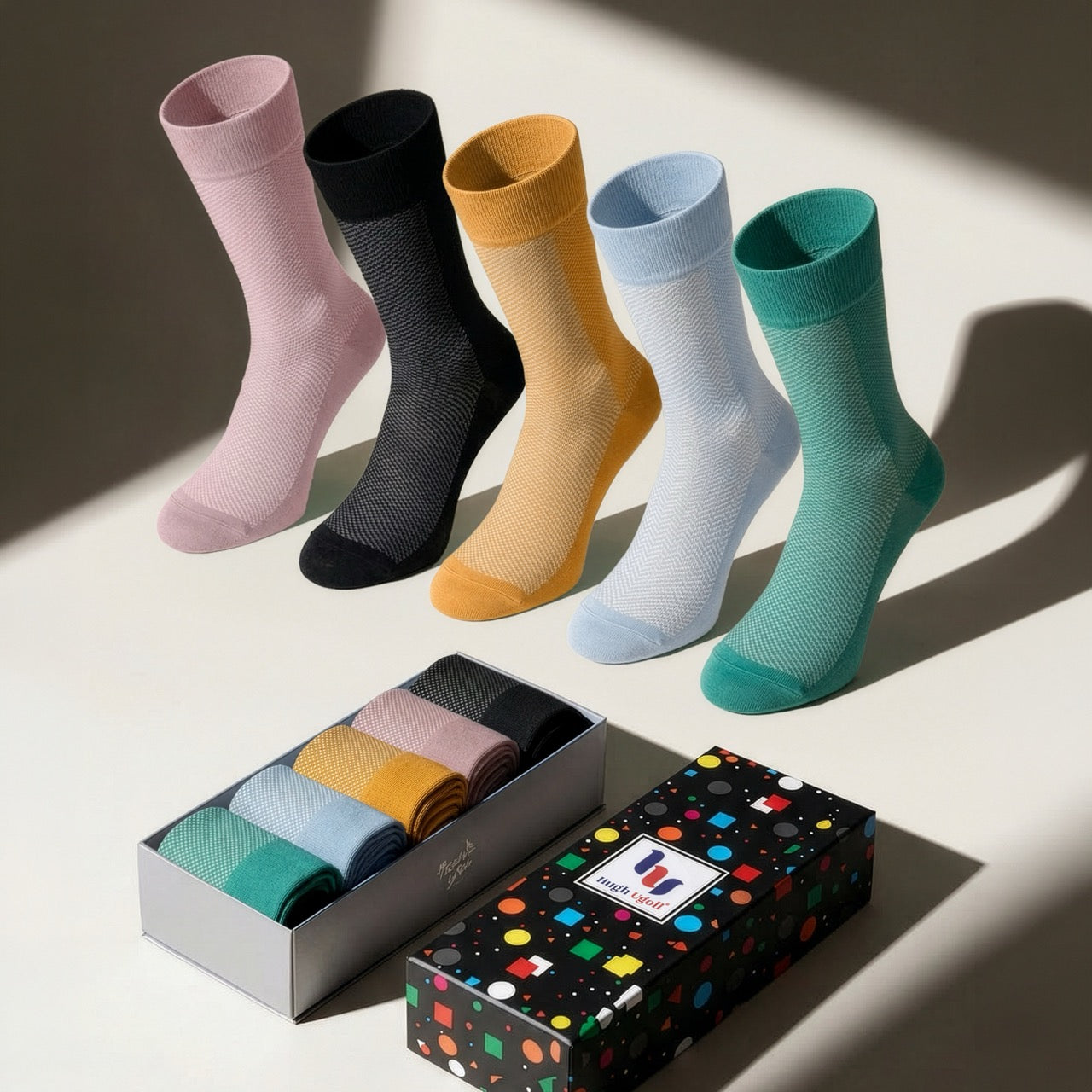
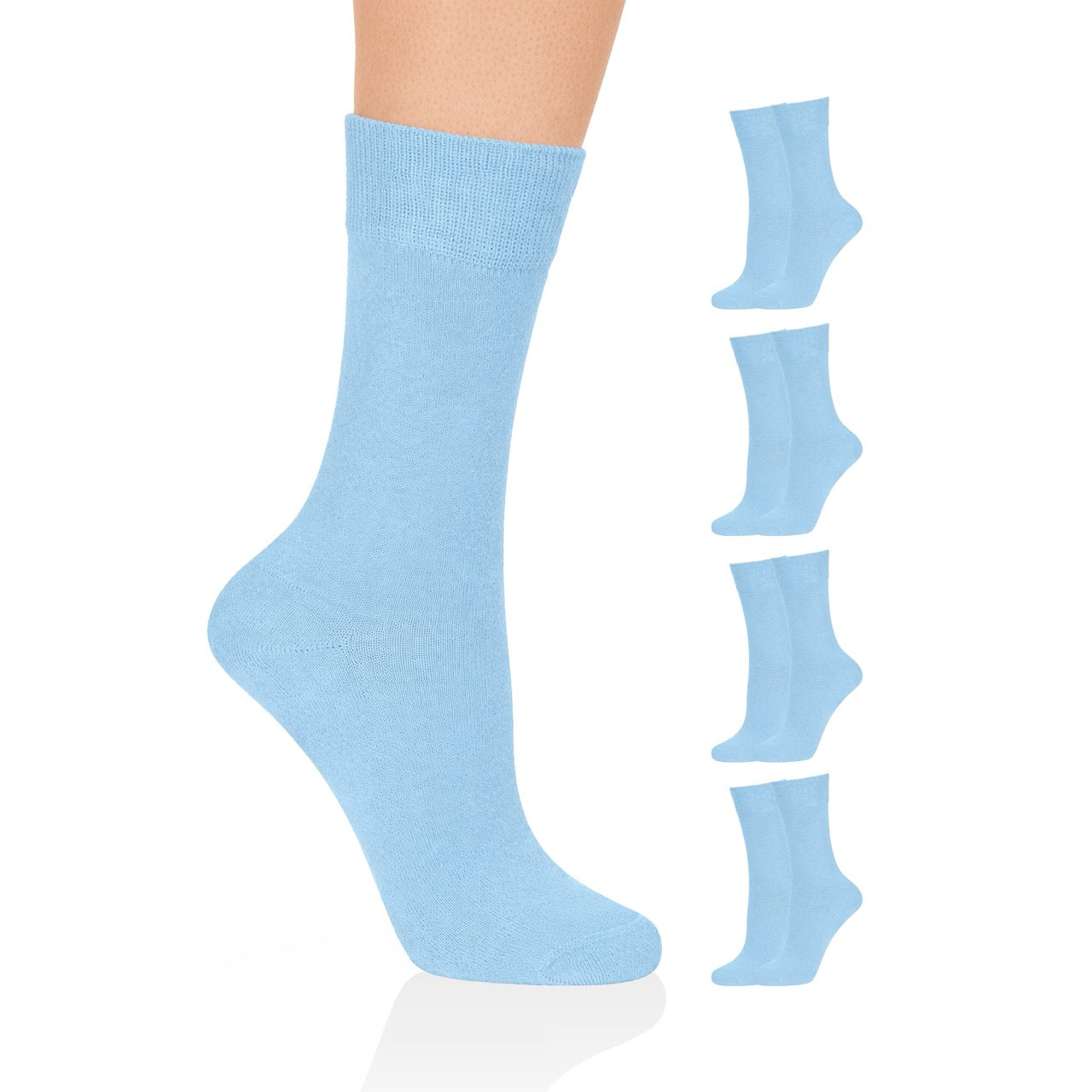
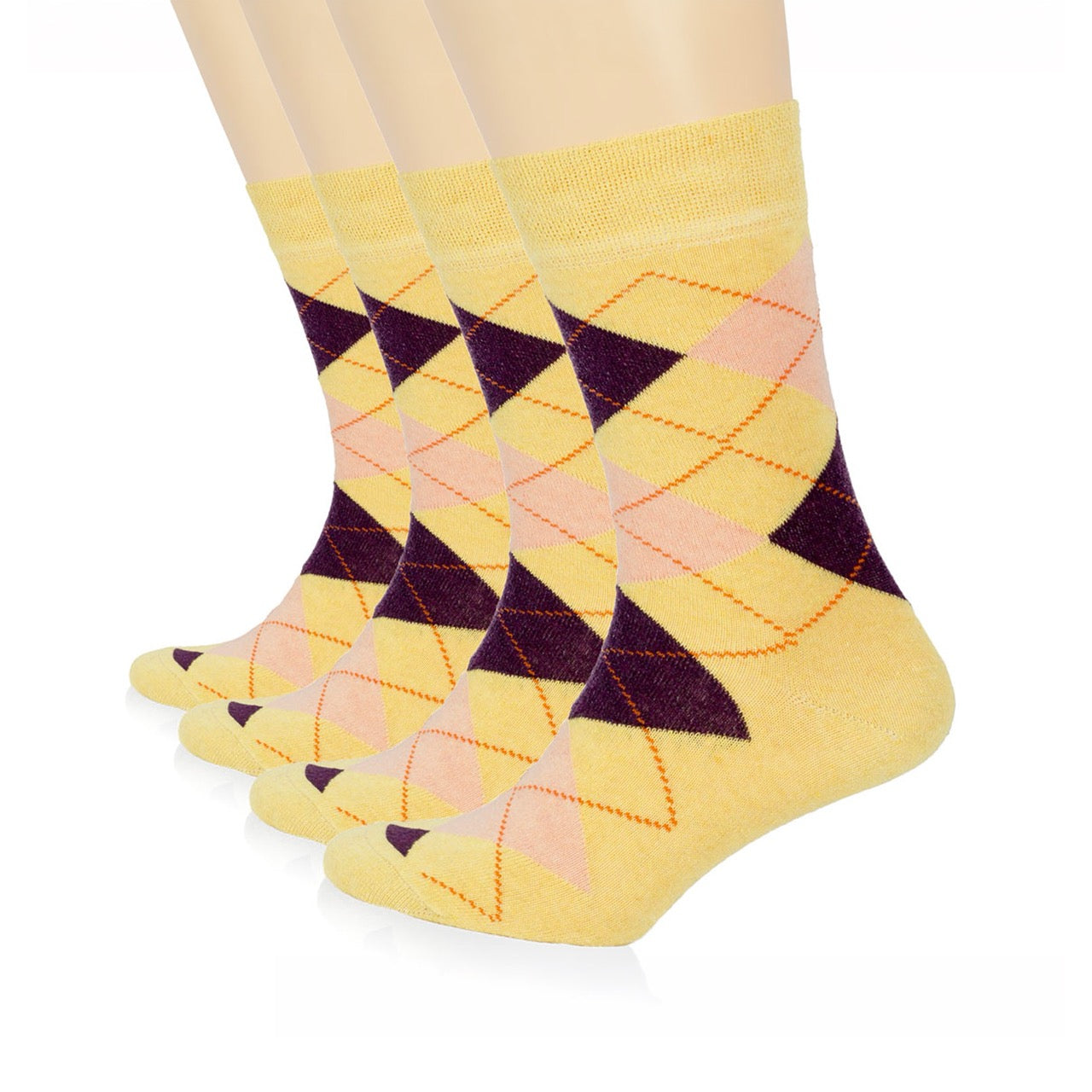
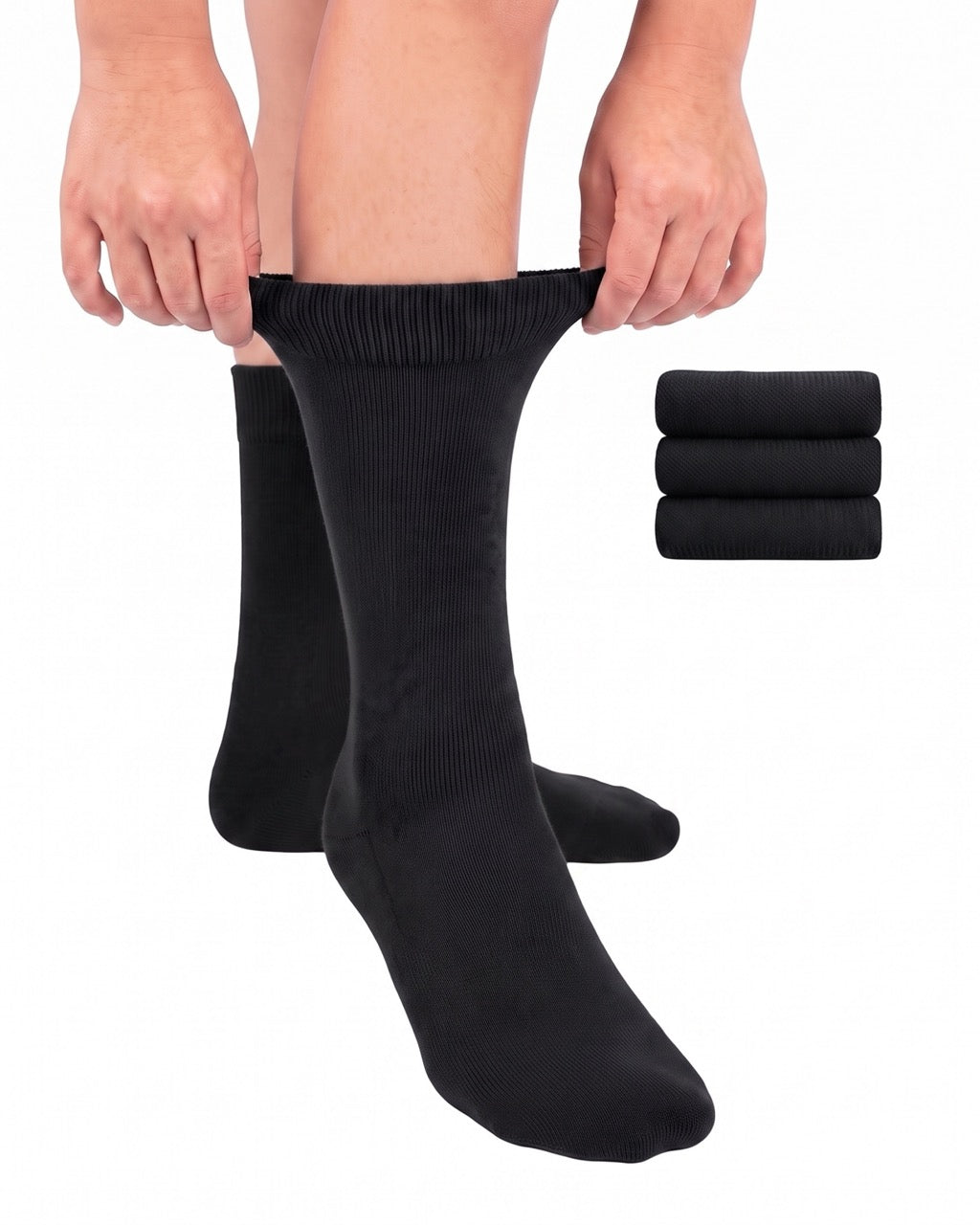
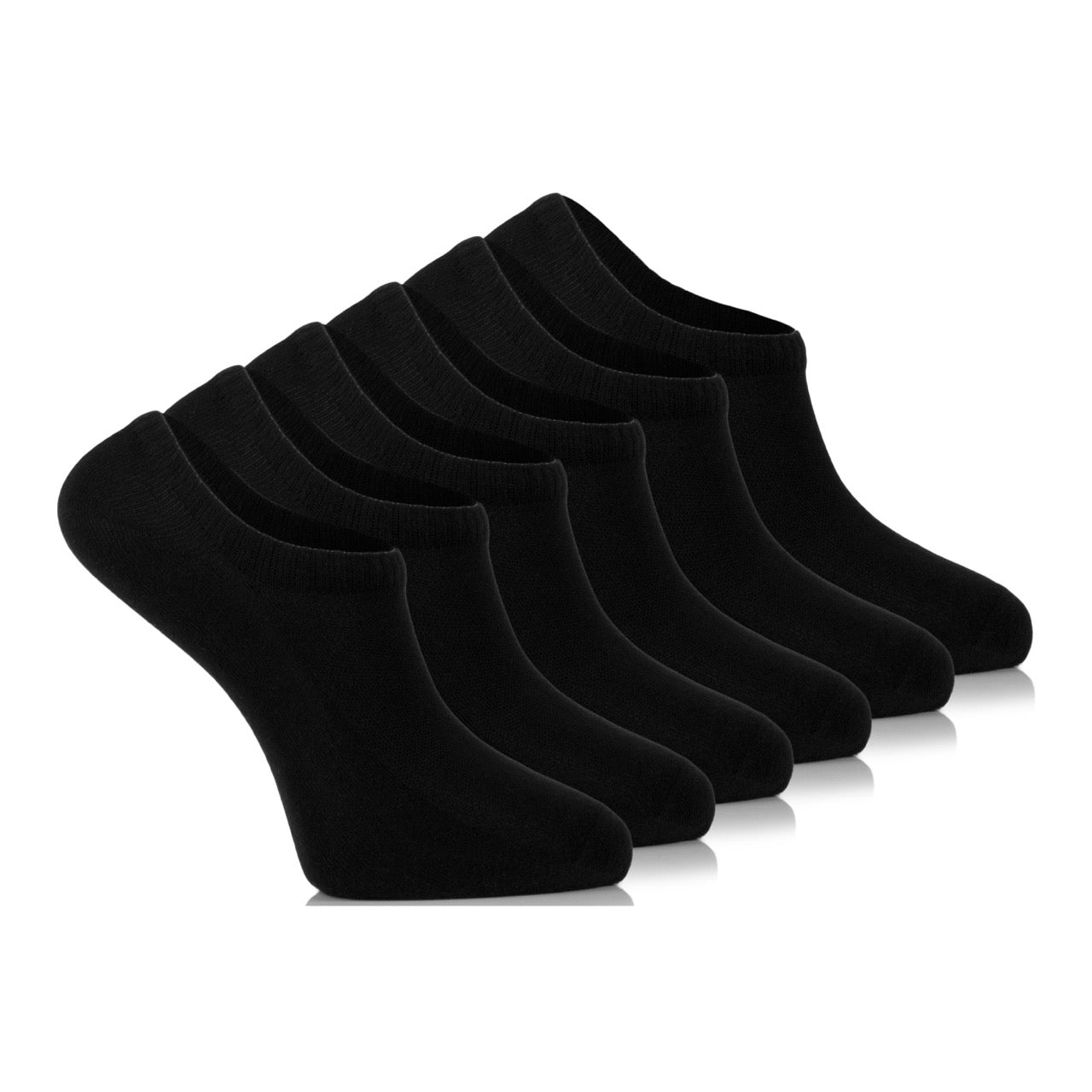
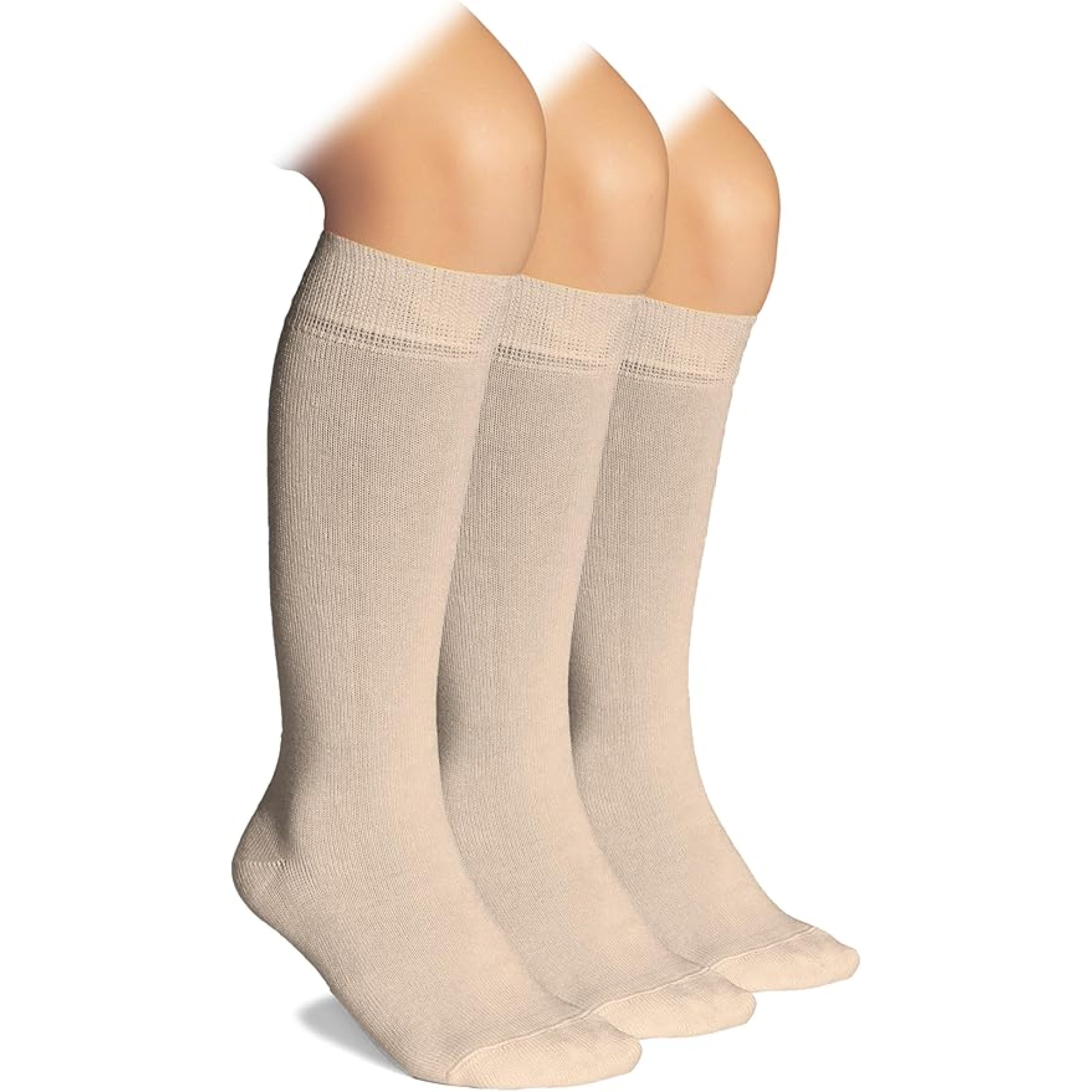


When temperatures plunge and winter winds become unforgiving, the one thing standing between you and unbearable discomfort is the quality of your winter socks. Cold weather isn’t just about wearing heavy coats and insulated boots—your feet require just as much attention. The right combination of moisture wicking, insulation, and supportive design ensures your feet stay warm, dry, and protected throughout the harshest conditions.
Whether you're facing extreme cold, navigating winter conditions during outdoor hikes, or simply trying to keep your feet cozy at home, choosing the correct cold weather socks makes all the difference. In this guide, we’ll break down everything you need to know about winter socks, the fabrics that provide warmth, and how moisture control keeps your feet healthy and comfortable for hours.
Cold feet often happen not because of the temperature outside but because of moisture trapped inside your socks. Sweat—yes, even in freezing weather—creates dampness, and dampness leads to rapid heat loss. That’s why moisture wicking is the foundation of any reliable winter sock.
Moisture-wicking fibers pull sweat away from your skin and disperse it so it can evaporate. This keeps your feet warm instead of clammy and cold.
Not all winter socks are created equal. To choose the warmest, most functional pair, you need to understand which fabrics offer the best insulation and temperature regulation.
Few materials can compete with merino wool when it comes to warmth and performance. Known for its softness and natural ability to regulate temperature, merino wool traps heat efficiently while still allowing breathability.
Merino wool socks are particularly effective in extreme cold, ensuring your feet stay warm without overheating.
Thermal socks are engineered to provide maximum insulation. These thick, plush socks work especially well under winter boots or for extended exposure to snow and freezing temperatures.
Modern synthetic materials such as polyester and acrylic blends help enhance moisture control while offering lightweight insulation. While they may not be as naturally warm as wool, they dry quickly and provide excellent durability—great for people who spend many hours outdoors.
Some sock styles combine cotton with wool or performance fibers to create a blend that feels soft on the skin while offering better moisture control and warmth than standard cotton socks. They strike a balance between comfort and insulation.

No matter how warm the material is, poor socks fit will ruin your foot comfort. Winter socks that are too tight restrict circulation, leading to cold feet, while socks that are too loose can bunch up and cause friction.
The ideal fit provides gentle support with enough room for natural movement, allowing the insulation to work effectively.
For hiking, skiing, snowshoeing, or any winter sport, moisture control and insulation are non-negotiable. Your feet constantly transition between warm and cold environments, and socks must adapt accordingly.
Look for winter socks that offer:
If you’re looking for breathable comfort with gentle support, Hugh Ugoli’s Men's Cotton Full Cushion Ankle Socks are a reliable winter-friendly option. While not thermal socks, their soft structure, gentle cuff, and ability to help maintain warmth make them ideal for everyday cold-weather use—especially for sensitive feet.
Natural fibers like wool are known for their ability to create a microclimate around your foot. They trap warm air close to your skin while releasing excess heat, making them effective in both mild and winter conditions.
This blend of warmth and breathability is essential for preventing discomfort, sweat buildup, and cold-related foot issues.
Winter is kinder to your feet when you choose socks designed to perform in cold weather. Whether you're exploring snowy landscapes, layering up for work, or relaxing by the fireplace, investing in the right combination of warmest socks, moisture wicking fabrics, and natural insulation ensures your feet stay warm, dry, and happy all season long.
For additional winter inspiration, consider exploring one of our previously published guides on cold-weather sock essentials—ideal companions for building a wardrobe that stays warm no matter how low the temperature drops.
He has been working for more than 20 years in the textile industry and has work experience in many parts of the world.