Cart
0
You may also like
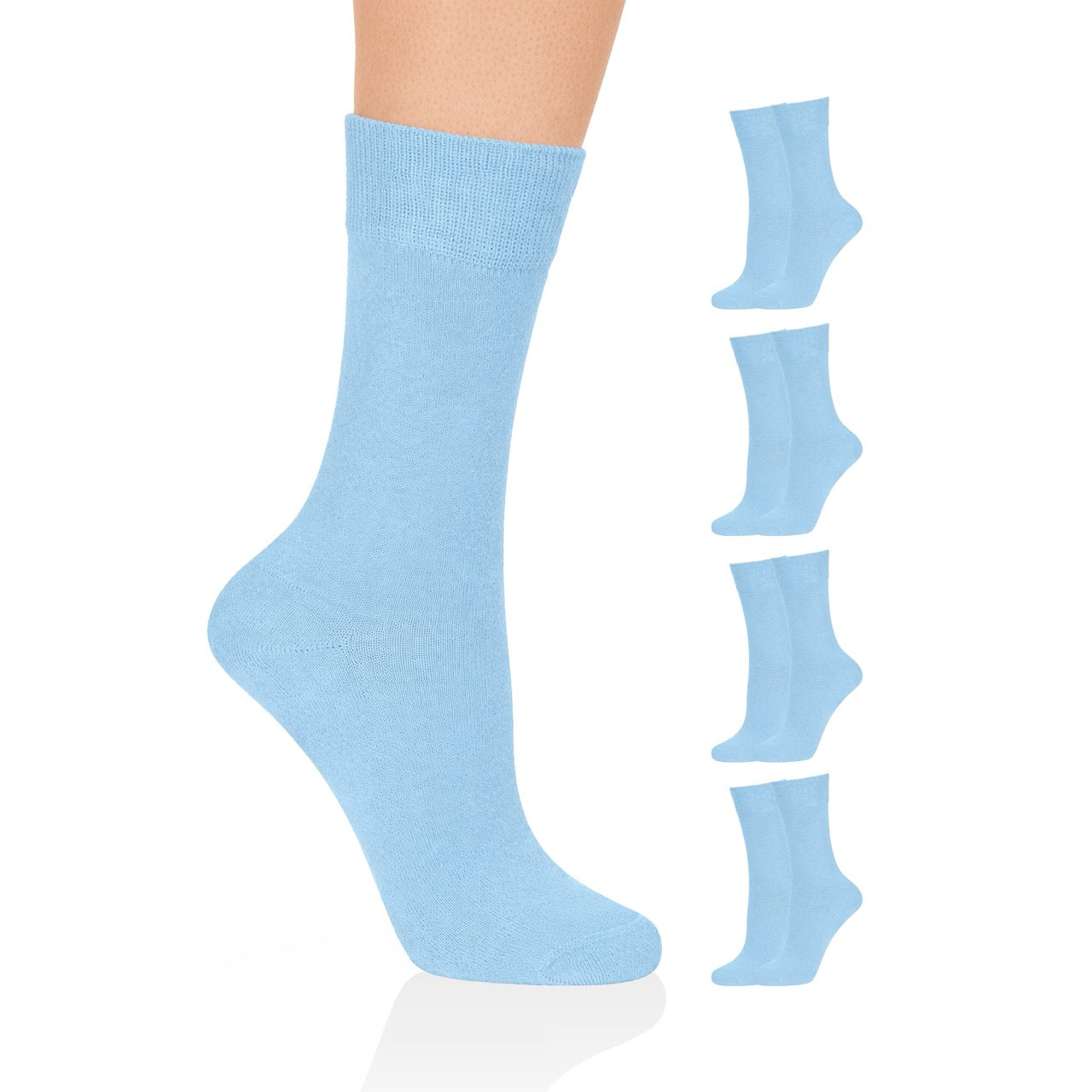
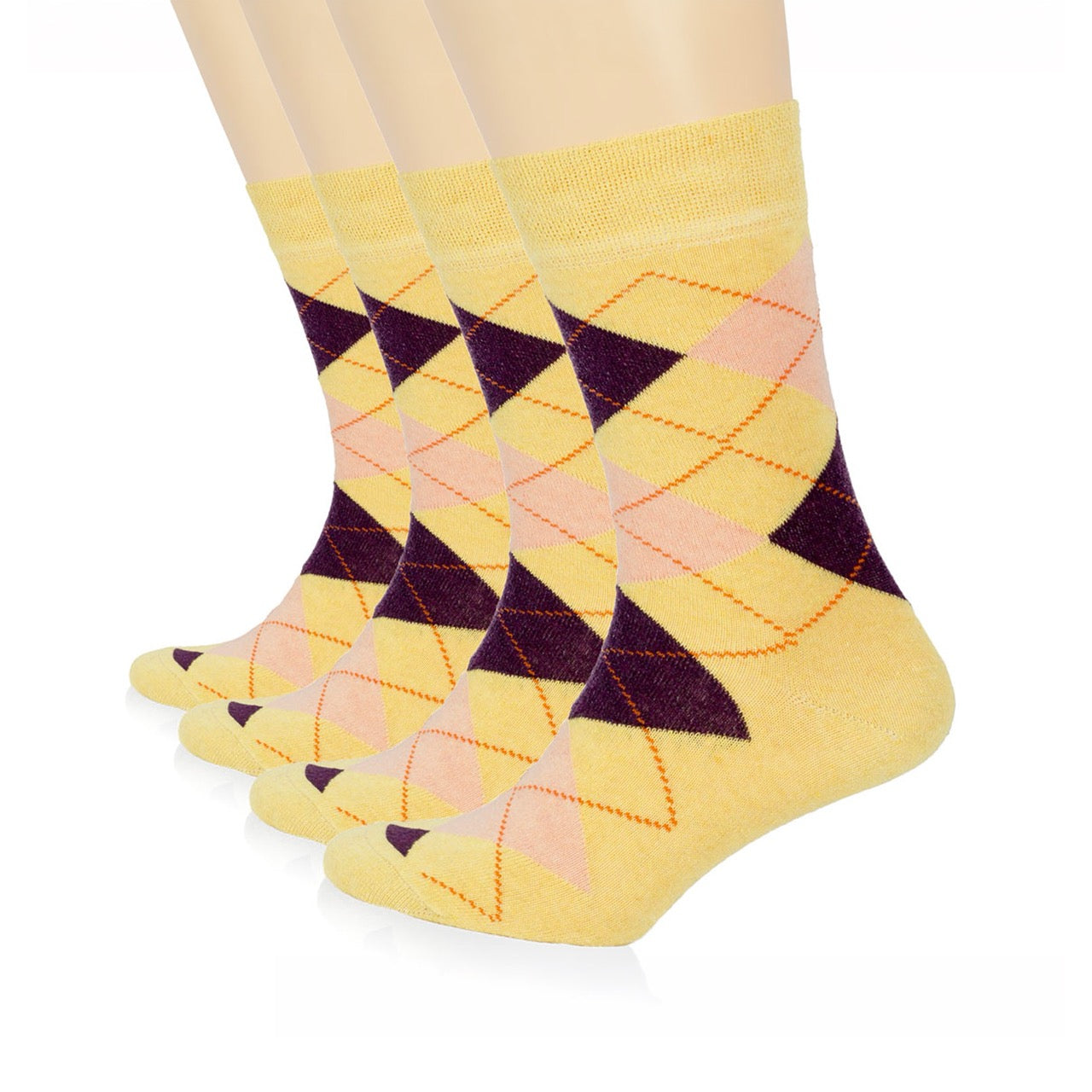
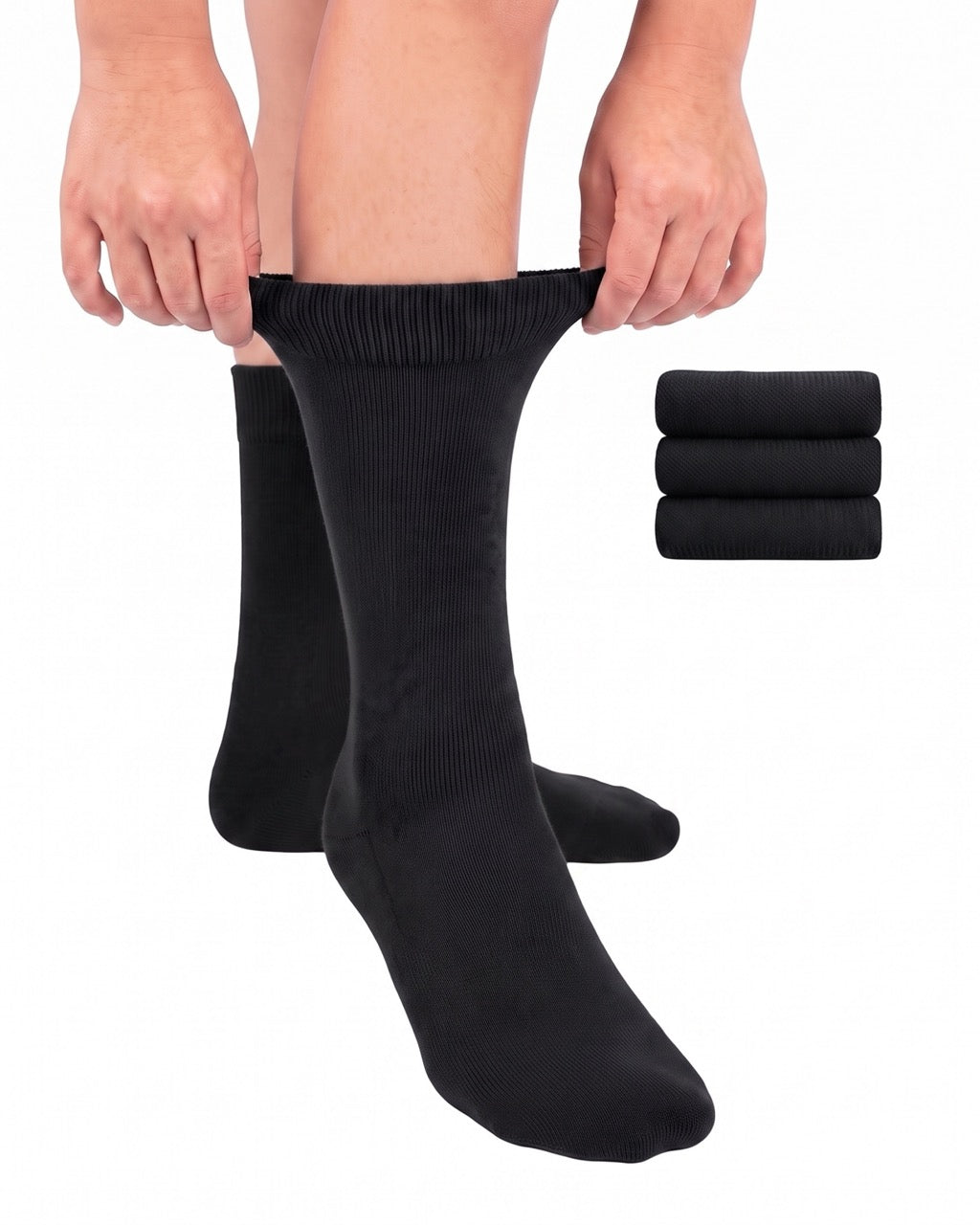
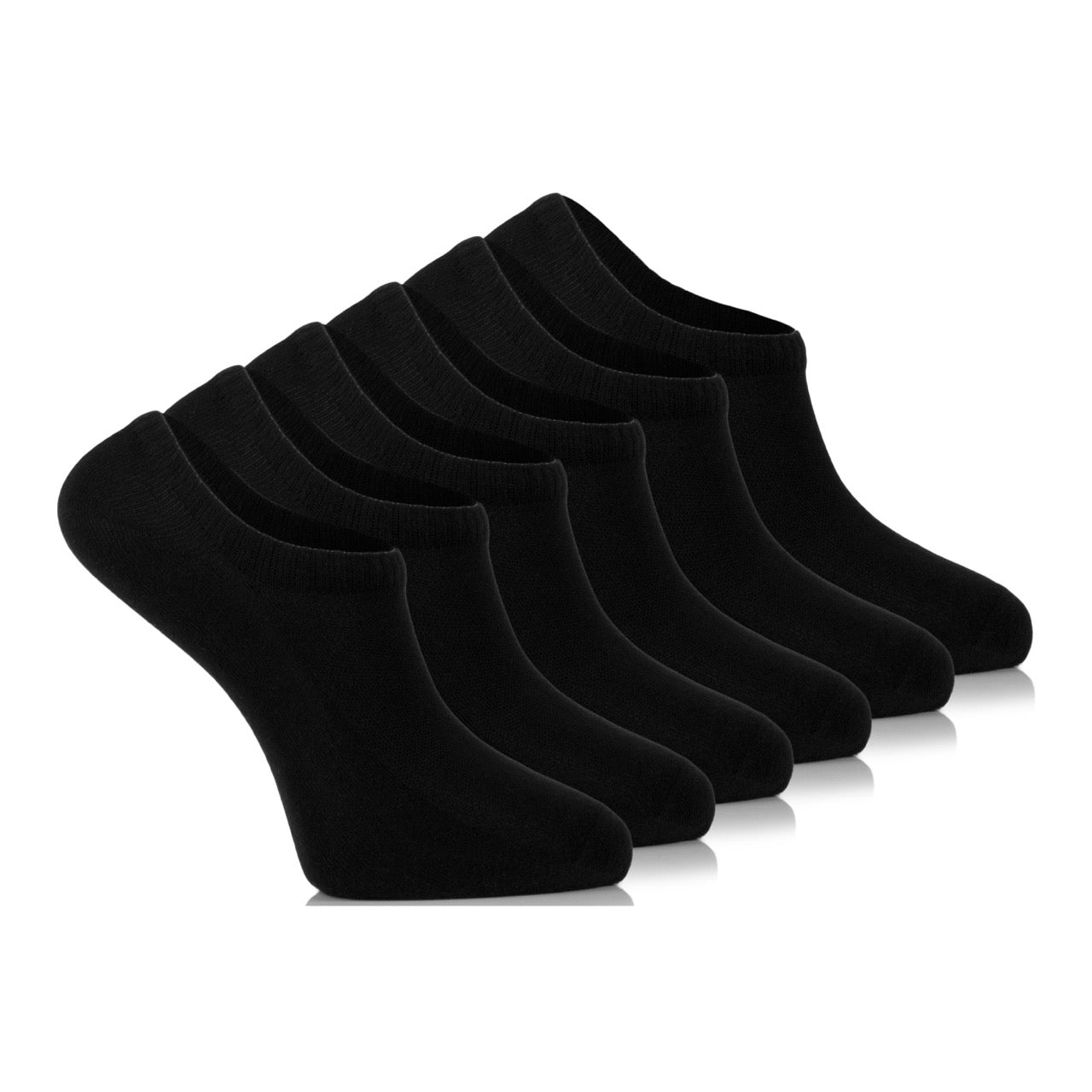


The winter holiday season brings crisp air, festive gatherings, snowy adventures, and plenty of time spent both indoors and outdoors. Whether you’re traveling, hosting family, hitting the slopes, or simply enjoying quiet moments by the fireplace, one thing truly determines how comfortable you’ll feel all season long: the right winter socks.
Socks might seem like small accessories, but during cold weather, they become essential tools for warmth, protection, and overall comfort. The best winter holiday socks keep feet warm, prevent irritation, wick moisture, and maintain a perfect sock fit—all while complementing your seasonal outfits.
In this guide, we’ll explore what makes a pair of socks ideal for holiday weather, why materials like merino wool and high-quality natural fibers matter, and which styles perform best during cold-weather activities.
Winter is tough on your feet. Cold temperatures, dry air, snow, and long days spent walking or standing create the perfect environment for discomfort. The wrong socks can lead to cold feet, blisters, poor blood flow, moisture buildup, and even odor or fungal issues.
That’s why investing in the right winter socks is essential—not just for comfort and warmth but also for foot health and overall holiday enjoyment.
Winter boots trap heat, which can cause sweat. When moisture gets stuck inside your socks, your feet quickly become cold and irritated.
That’s where moisture wicking fibers come in. These materials pull sweat away from the skin, helping your feet stay dry even during long walks or outdoor festivities.
If there’s one natural fiber that stands above the rest for winter comfort, it’s merino wool.
Merino wool is incredibly soft—not scratchy like traditional wool. It's breathable, temperature-regulating, and naturally moisture wicking, making it the perfect material for winter socks.
For winter adventurers and holiday travelers, merino wool socks offer a reliable foundation for all-day comfort in cold weather.

When temperatures drop below freezing, thick socks can make the difference between cozy toes and freezing feet.
While not ideal for every shoe type, thick cushioned socks add insulation and softness, preventing pressure points from boots and creating a plush wearing experience.
Crew socks rise to mid-calf, creating the perfect balance of coverage and warmth.
During holiday travel and winter outings, crew socks act as a reliable barrier against the cold while staying comfortable under most boot and sneaker styles.
Wool is a natural insulation powerhouse, but that doesn’t mean synthetic materials don’t have a place in winter socks.
Pros:
Cons:
Pros:
Cons:
The best winter holiday wardrobe includes a mix of both. Natural fibers offer unmatched warmth, while synthetics provide durability and structure.
Whether you're sightseeing, visiting family, or skiing, holiday travel means more time on your feet. Socks with cushioning, seamless toes, and proper fit help prevent blisters and irritation.
During winter, constricting socks can worsen blood flow, especially for those with circulation concerns or sensitive feet.
Choosing winter socks with soft cuffs, non-binding tops, and breathable materials helps keep circulation moving while maintaining warmth.
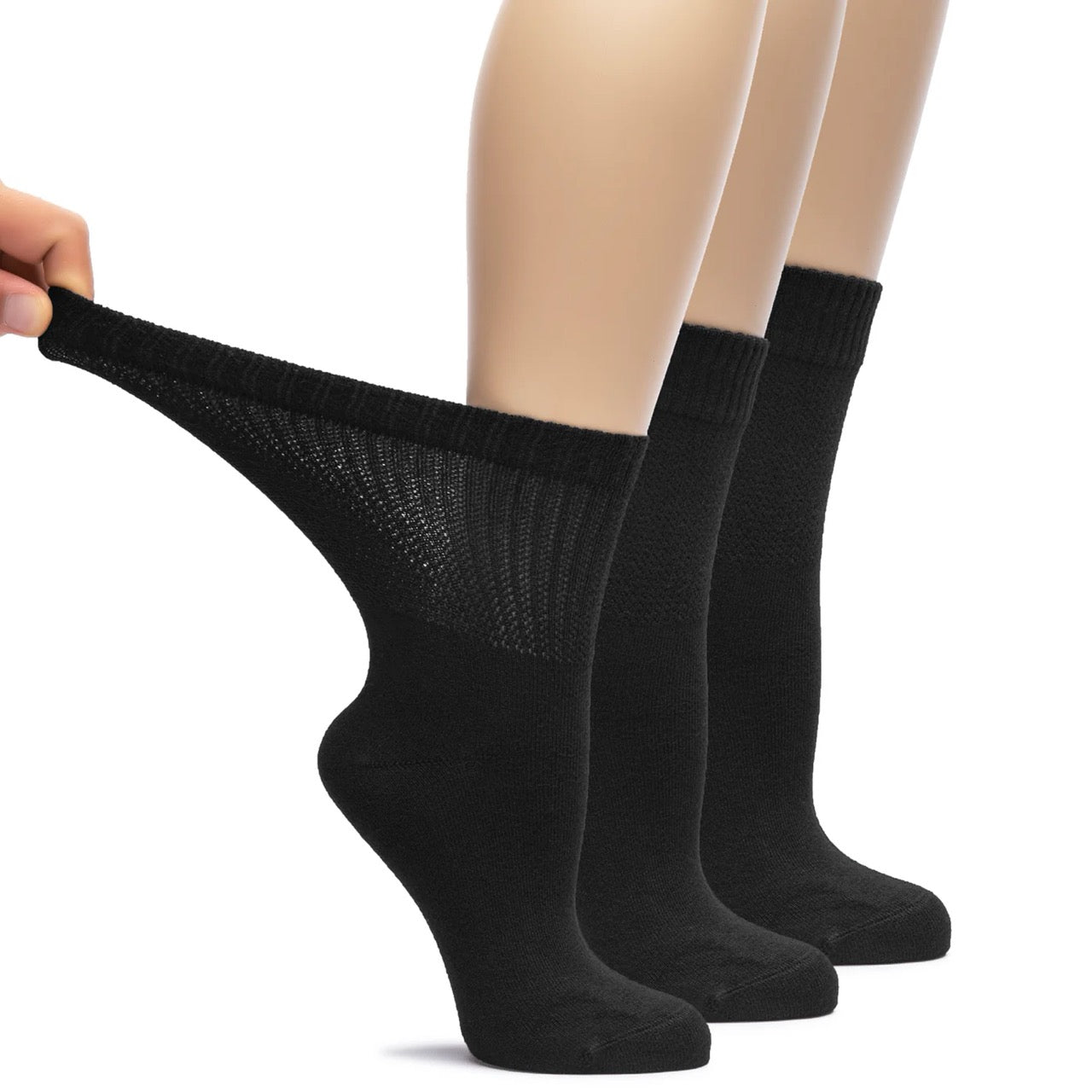
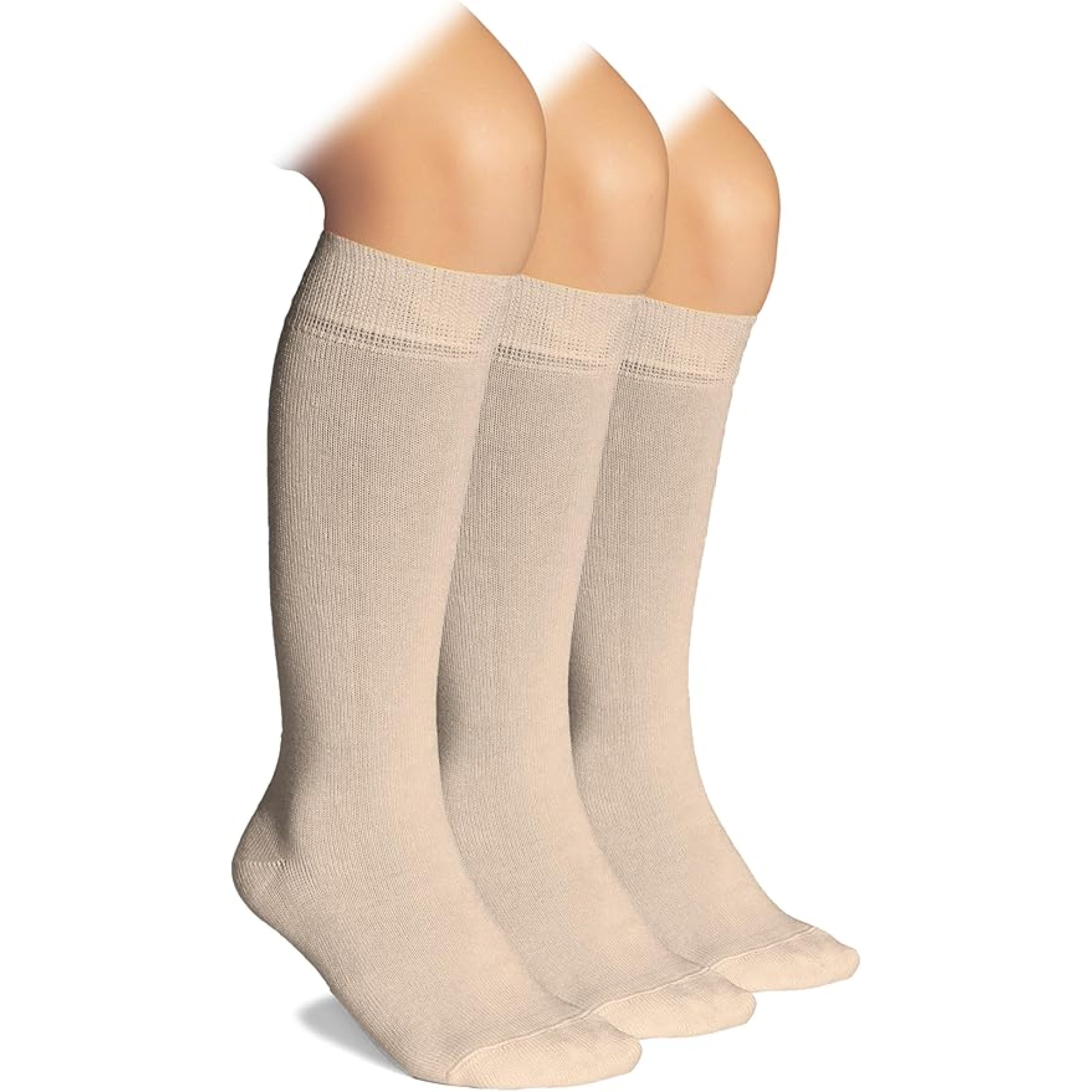
For winter holidays, a great option from Hugh Ugoli is the Women's Semi-Cushion Cotton Diabetic Ankle Socks known for their gentle hold, breathability, and softness. These socks provide cozy warmth without tightness, making them ideal for long days, winter boots, and cold-weather lounging.
Winter holidays bring a chance to dress in your warmest, coziest pieces, and socks play an essential part.
Crew or thick wool socks add insulation and volume, ensuring boots fit comfortably while keeping feet warm.
Soft socks enhance the feel of plush slippers during family gatherings or quiet moments at home.
A warm pair of socks completes the festive look for mornings around the tree or sipping cocoa by the fire.
Your winter holiday comfort begins at your feet. Choosing socks made with wool, breathable fibers, or moisture-wicking blends can dramatically transform how warm and comfortable you feel throughout the season.
Whether you're planning snowy adventures or relaxing indoors, investing in high-quality winter socks ensures your feet stay warm, dry, and supported no matter what the holiday brings.
If you're looking for more inspiration on creating a winter-ready wardrobe built on comfort and practicality, you may enjoy one of our earlier guides focused on cold-weather essentials.
He has been working for more than 20 years in the textile industry and has work experience in many parts of the world.