Cart
0
You may also like

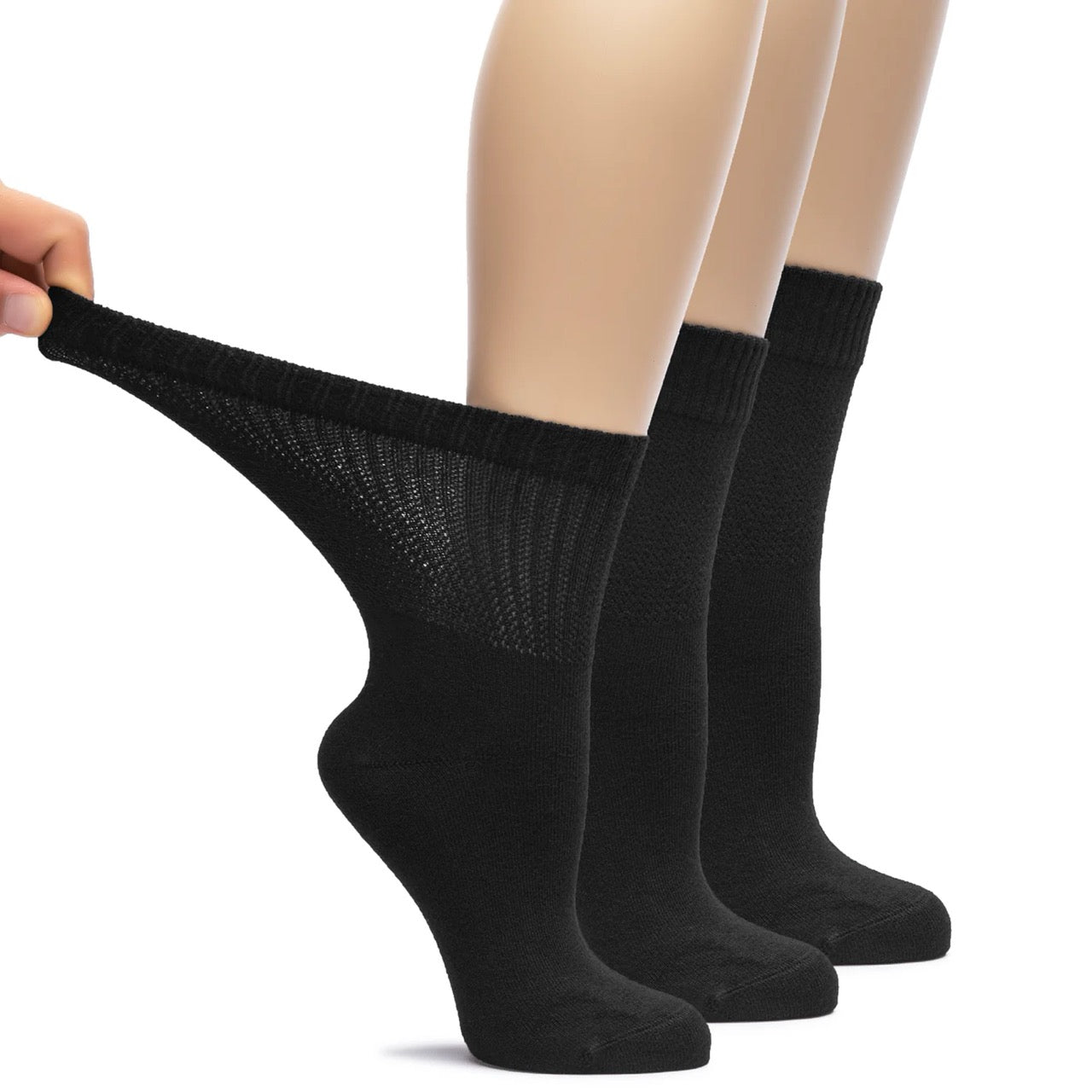

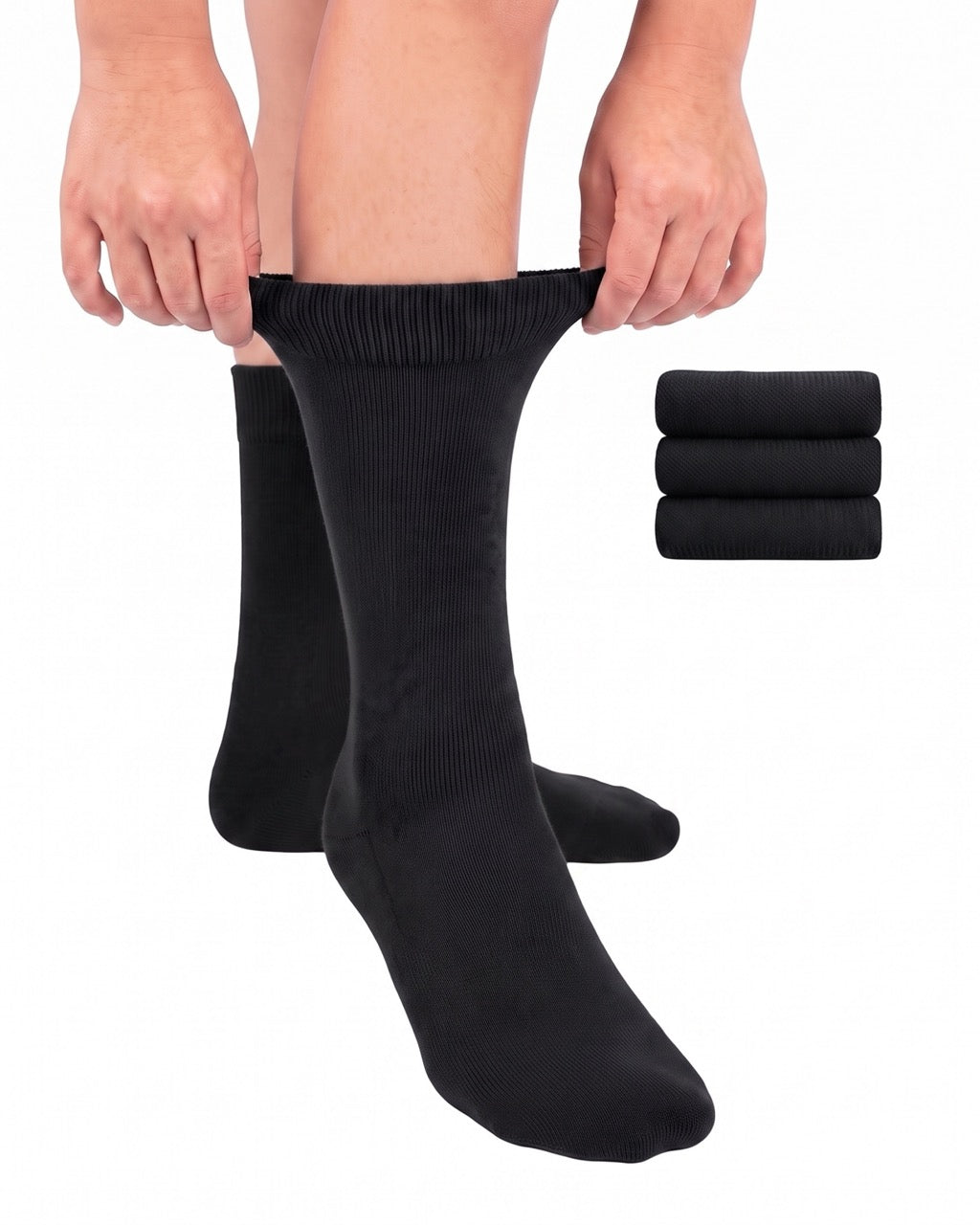


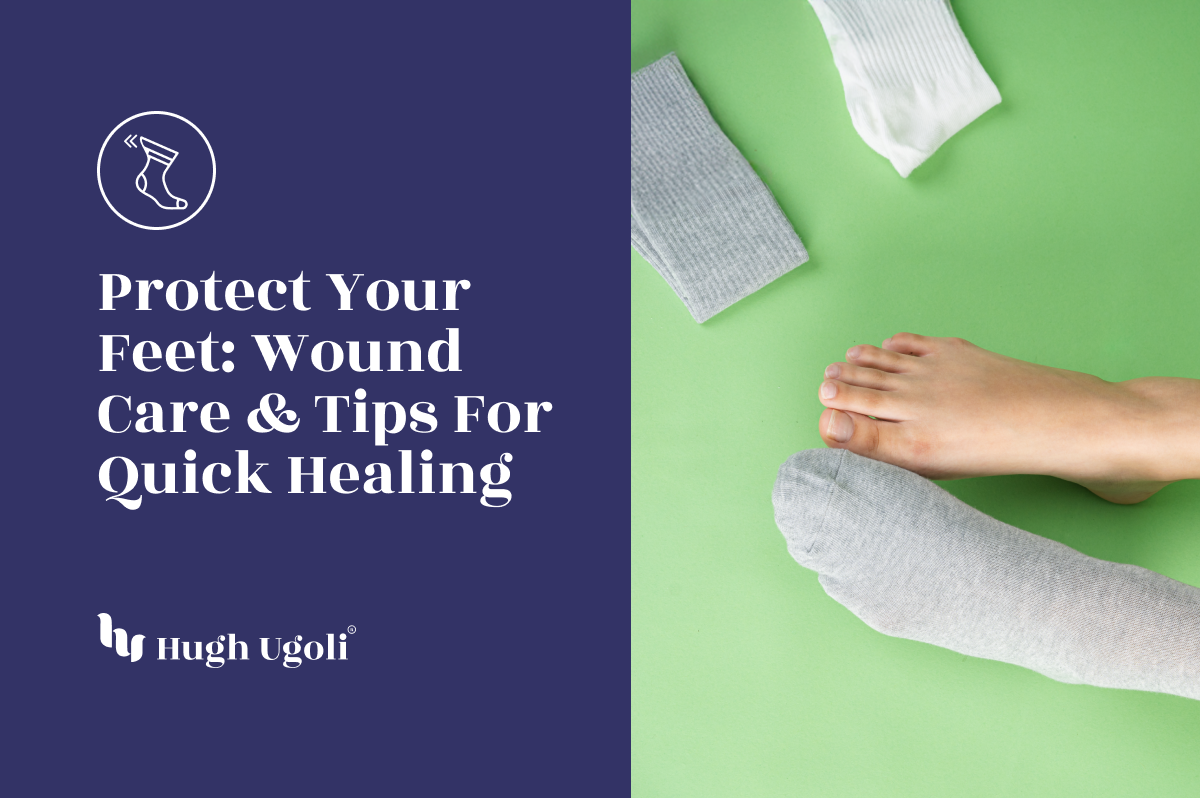
Proper foot care is essential, especially for individuals managing diabetes or other health conditions that impact circulation and healing. Foot wounds, if left untreated, can lead to serious complications like chronic wounds or infections. Taking proactive steps can significantly aid in preventing infections and supporting healing — though any foot wound that isn't improving should be seen by a healthcare provider rather than managed with home care alone.
1. Preventing Infections with Proper Hygiene
Keeping your feet clean and dry is a foundational step in wound care. Wash your feet daily with warm — not hot — water, and dry them thoroughly, especially between the toes.
2. Wearing Properly Fitted Shoes
Ill-fitting shoes can worsen foot wounds by adding pressure or causing friction. Diabetic or therapeutic shoes that are properly fitted and designed to reduce pressure points can support comfort and protection — your doctor can advise on whether these are appropriate for you.
3. Managing Blood Glucose for Healing
According to the National Institute of Diabetes and Digestive and Kidney Diseases, elevated blood sugar can slow wound healing and increase infection risk. Working with your healthcare provider to manage blood glucose is an important part of supporting recovery from any foot wound.

Learn more about how diabetic socks can play a role in foot health in our blog: 2025 Wellness Trends for Managing Diabetes Effectively.
By combining your healthcare provider's wound care guidance, healthy daily habits, and thoughtful footwear, you can support your feet in staying healthy over time. Hugh Ugoli's range of supportive socks is designed to be part of that everyday routine.
This article is for general information and is not medical advice. Any foot wound, especially one that isn't healing, should be evaluated by a healthcare provider.
He has been working for more than 20 years in the textile industry and has work experience in many parts of the world.