Cart
0
You may also like



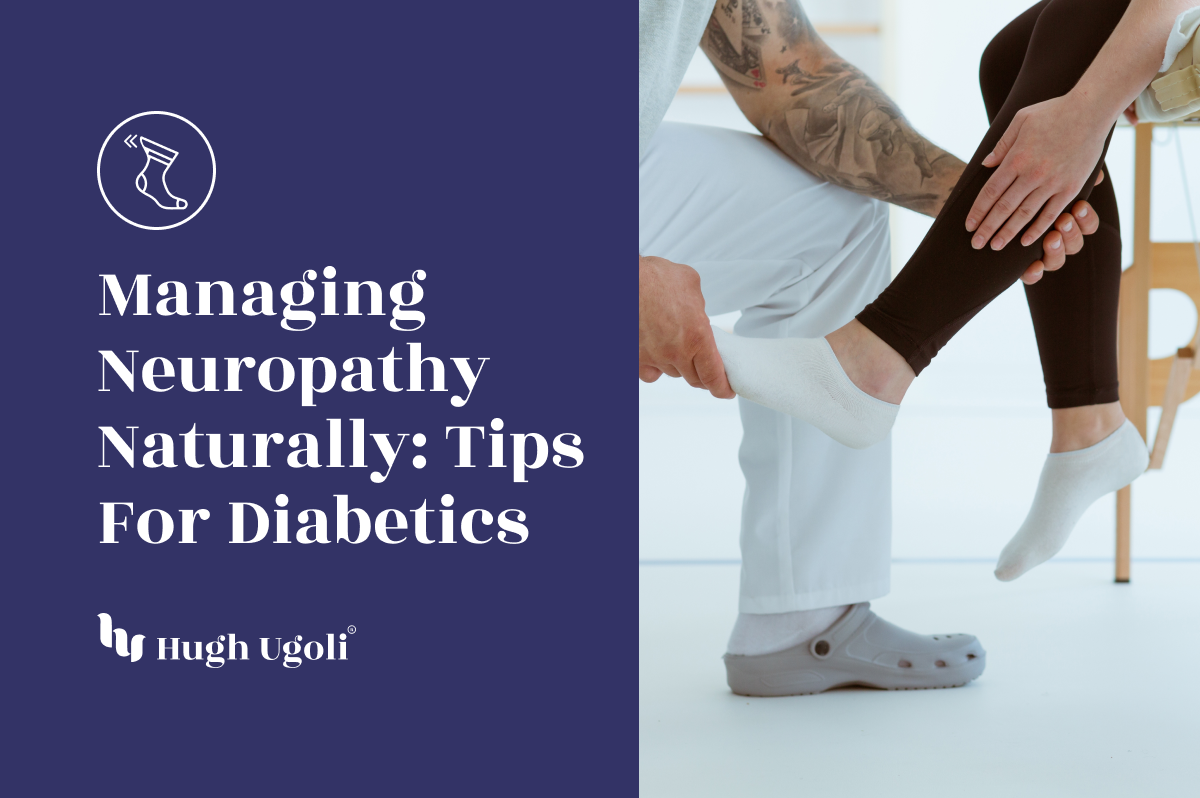
Diabetic neuropathy, a common complication of diabetes, affects the nerves in the hands and feet, causing pain, numbness, and discomfort. While nerve damage generally can't be reversed, lifestyle adjustments can help slow its progression and ease symptoms. Here's what has real evidence behind it, and where the evidence for popular "natural" remedies is weaker than it's often presented.
This is the best-supported step you can take. Controlling blood sugar levels is central to slowing the progression of nerve damage — the American Diabetes Association's Standards of Care specifically recommend blood glucose management to help prevent or delay diabetic neuropathy. Regular monitoring, a balanced diet, and following your diabetes management plan with your healthcare provider are the foundation.
A combination of eating a healthy diet and exercising regularly supports overall health. A supervised exercise program has been shown in clinical research to reduce pain and neuropathic symptom scores in people with diagnosed diabetic peripheral neuropathy. Pair balanced nutrition with light exercises like walking or yoga — check with your doctor about what's appropriate for you, especially if you have reduced foot sensation.

High stress levels are commonly reported to make nerve pain feel more intense. Practicing relaxation techniques such as deep breathing, meditation, or mindfulness may help with overall well-being alongside your broader diabetes management plan.
Proper hydration supports overall health, including circulation. Drinking water throughout the day is a simple, low-risk habit.
Excess weight can put additional pressure on your hands and feet and is a risk factor for type 2 diabetes progression. Low-impact exercise and a nutrient-rich diet, guided by your care team, can support a healthy weight over time.
Smoking reduces blood flow, which can worsen nerve damage, and excessive alcohol consumption is itself a cause of peripheral neuropathy. Reducing or quitting both is one of the more evidence-supported steps for protecting nerve health.
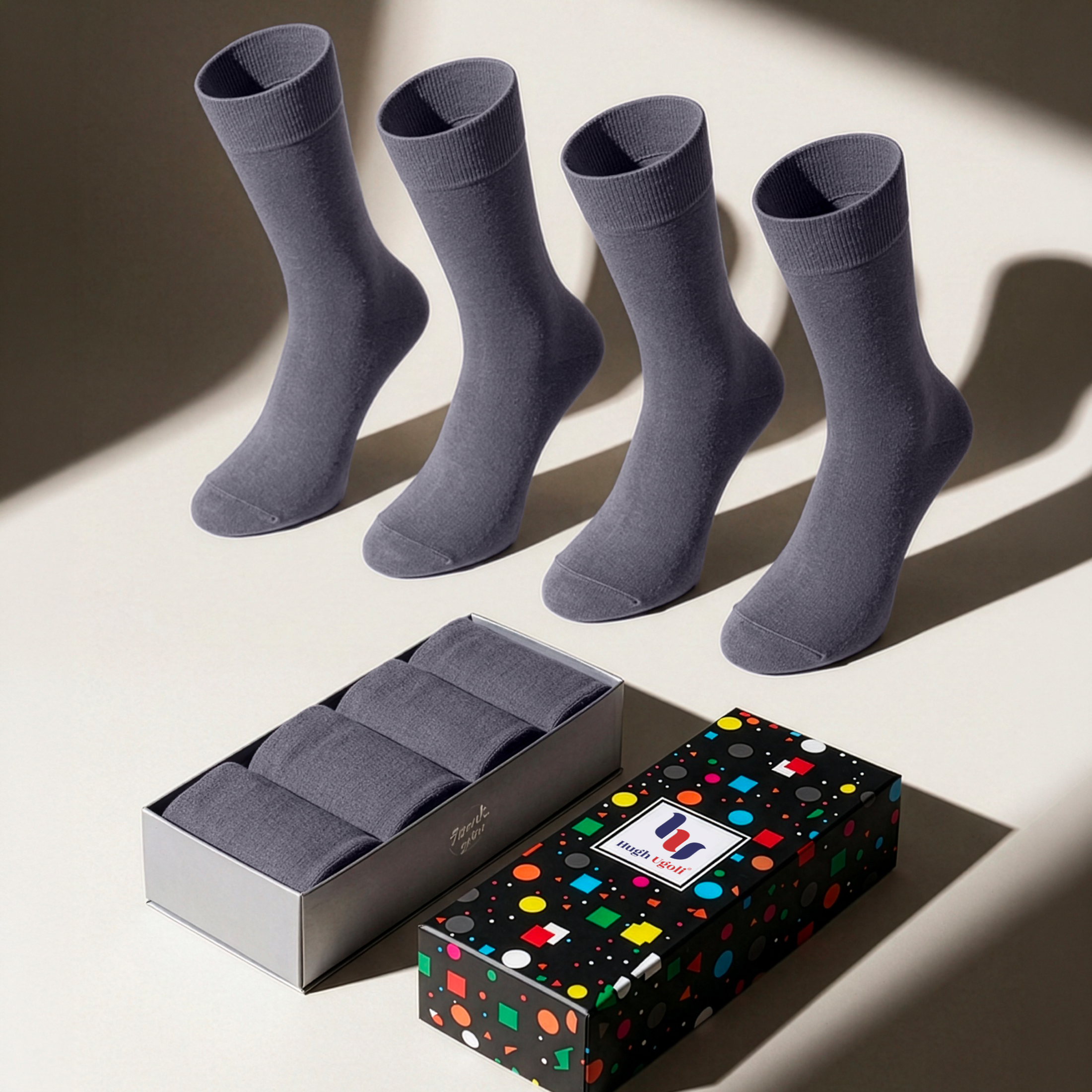
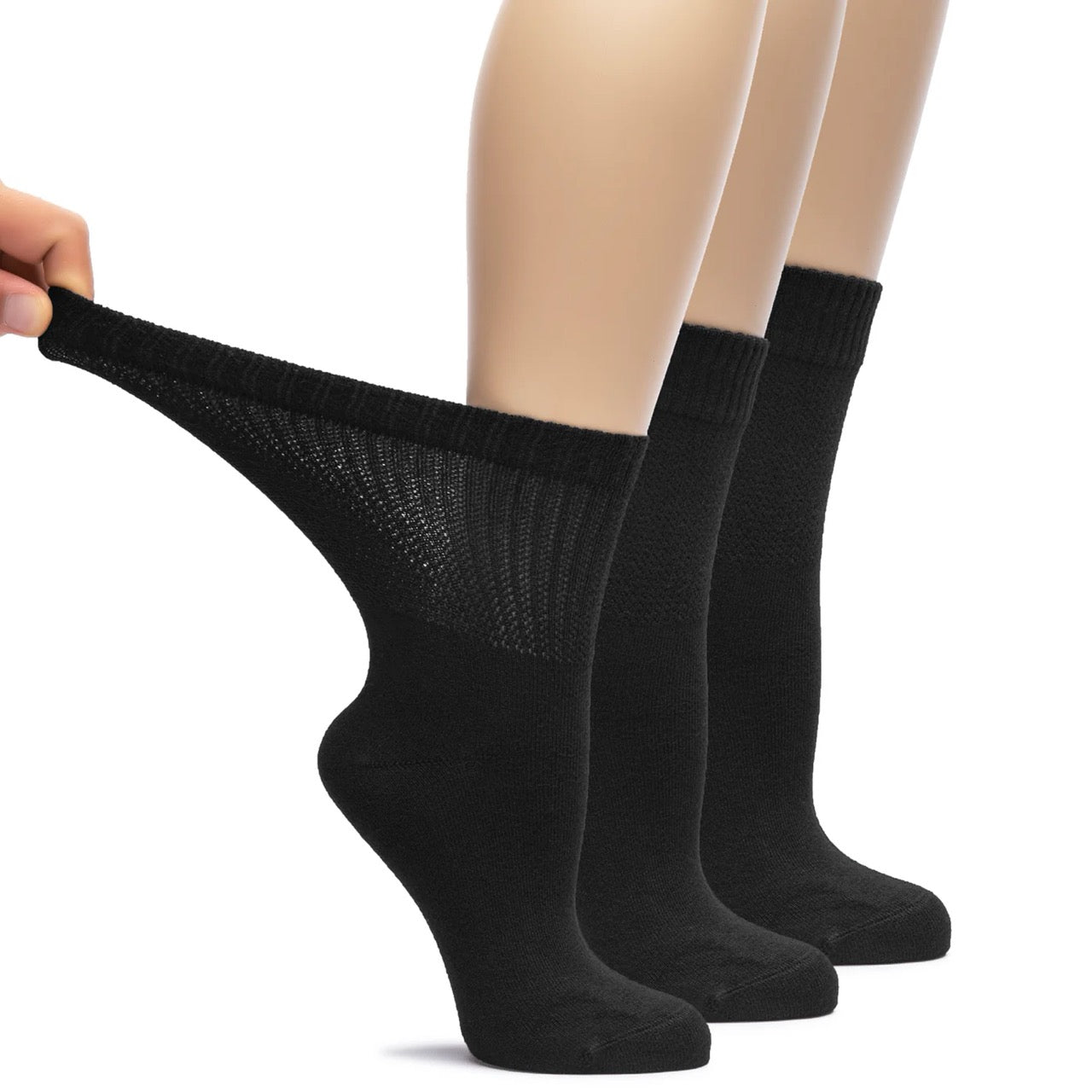
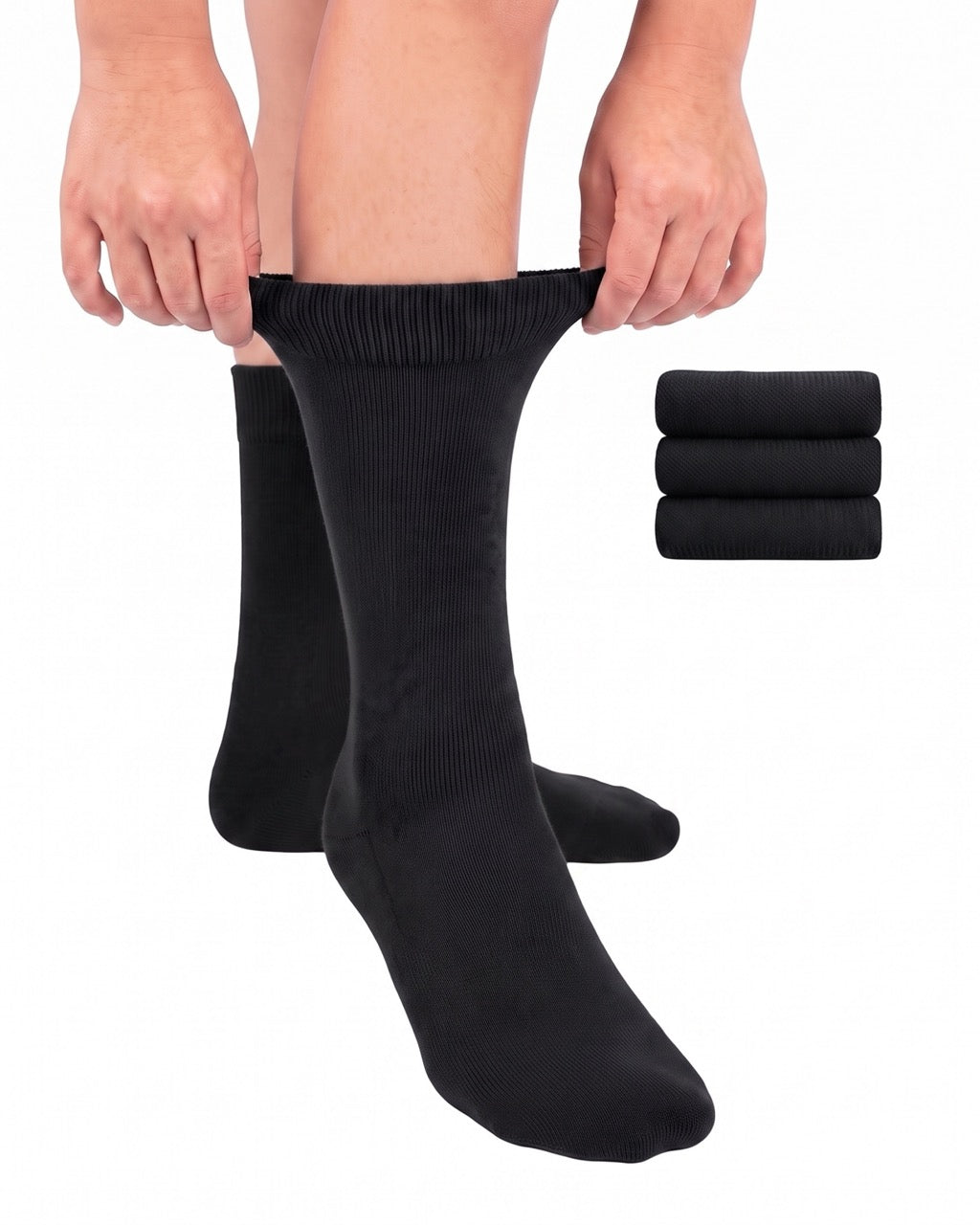
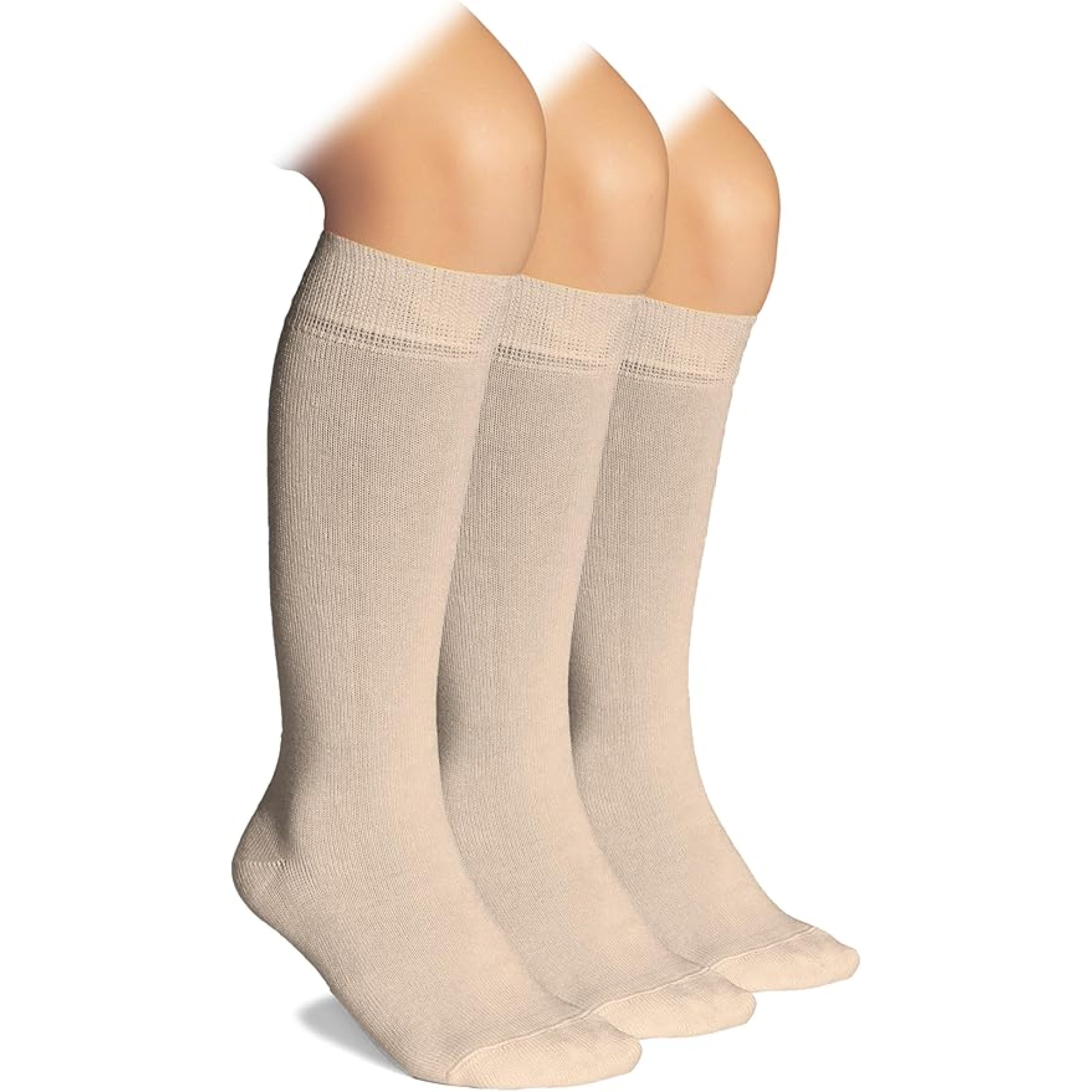
Wearing properly fitted shoes and socks helps protect your feet and legs from friction and pressure injuries that may go unnoticed with reduced sensation. Pair supportive shoes with moisture-wicking, non-binding diabetic socks, such as those from Hugh Ugoli, which are designed to minimize friction and support everyday comfort.
Lifestyle steps can help manage symptoms, but they work best alongside — not instead of — professional care. A doctor can assess your specific type and severity of neuropathy, recommend evidence-based therapies (including prescription medications for pain when appropriate), and monitor your progress over time.
Consistency with the well-supported basics — blood sugar management, activity, and not smoking — tends to matter more for long-term nerve health than any single supplement or remedy.
Learn more about complementary approaches to diabetes and neuropathy in our blog: How to Choose the Perfect Socks for Diabetic Foot Health in 2025.
This article is for general information and is not medical advice. Talk to your doctor before starting any new supplement or treatment for neuropathy.
He has been working for more than 20 years in the textile industry and has work experience in many parts of the world.