Cart
0
You may also like
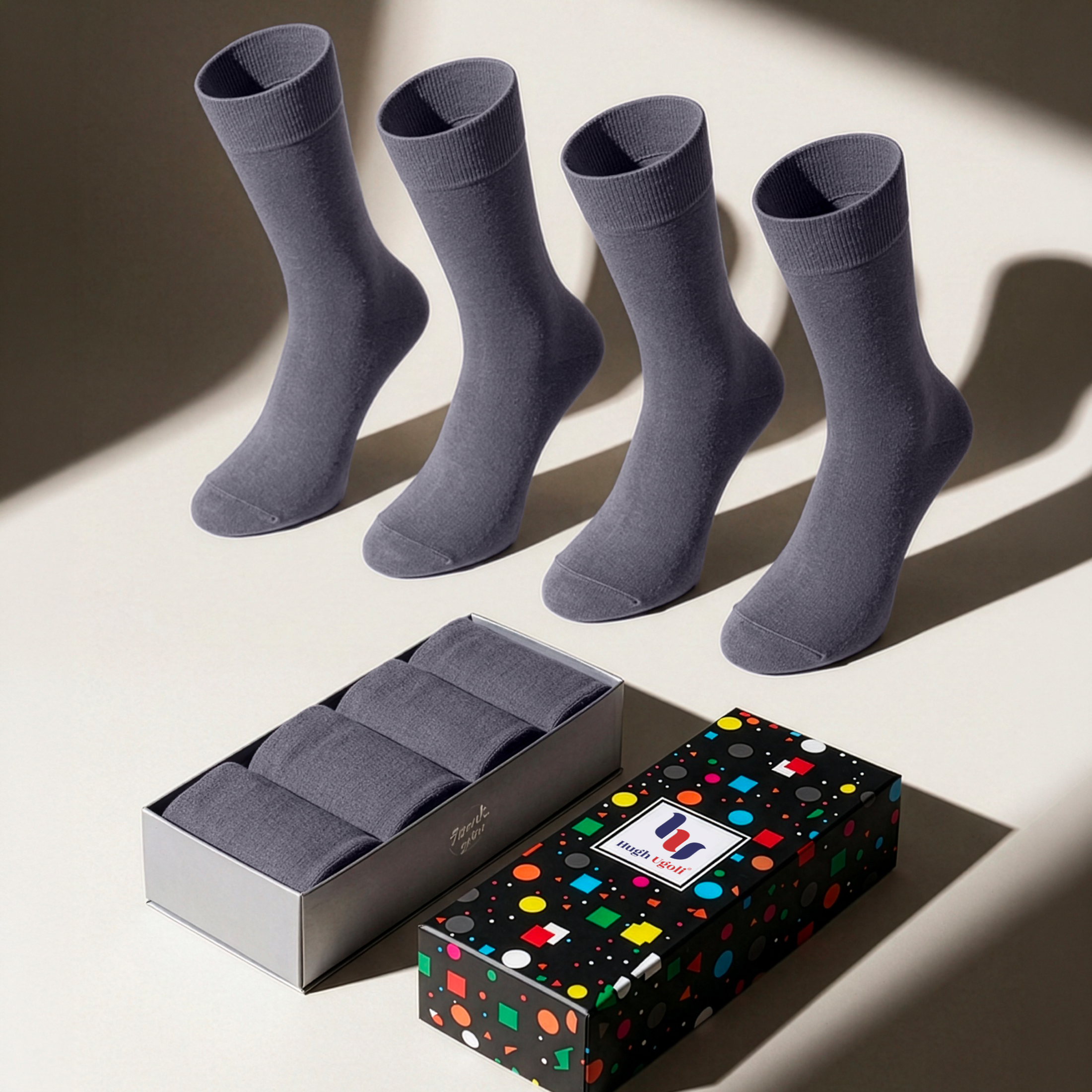
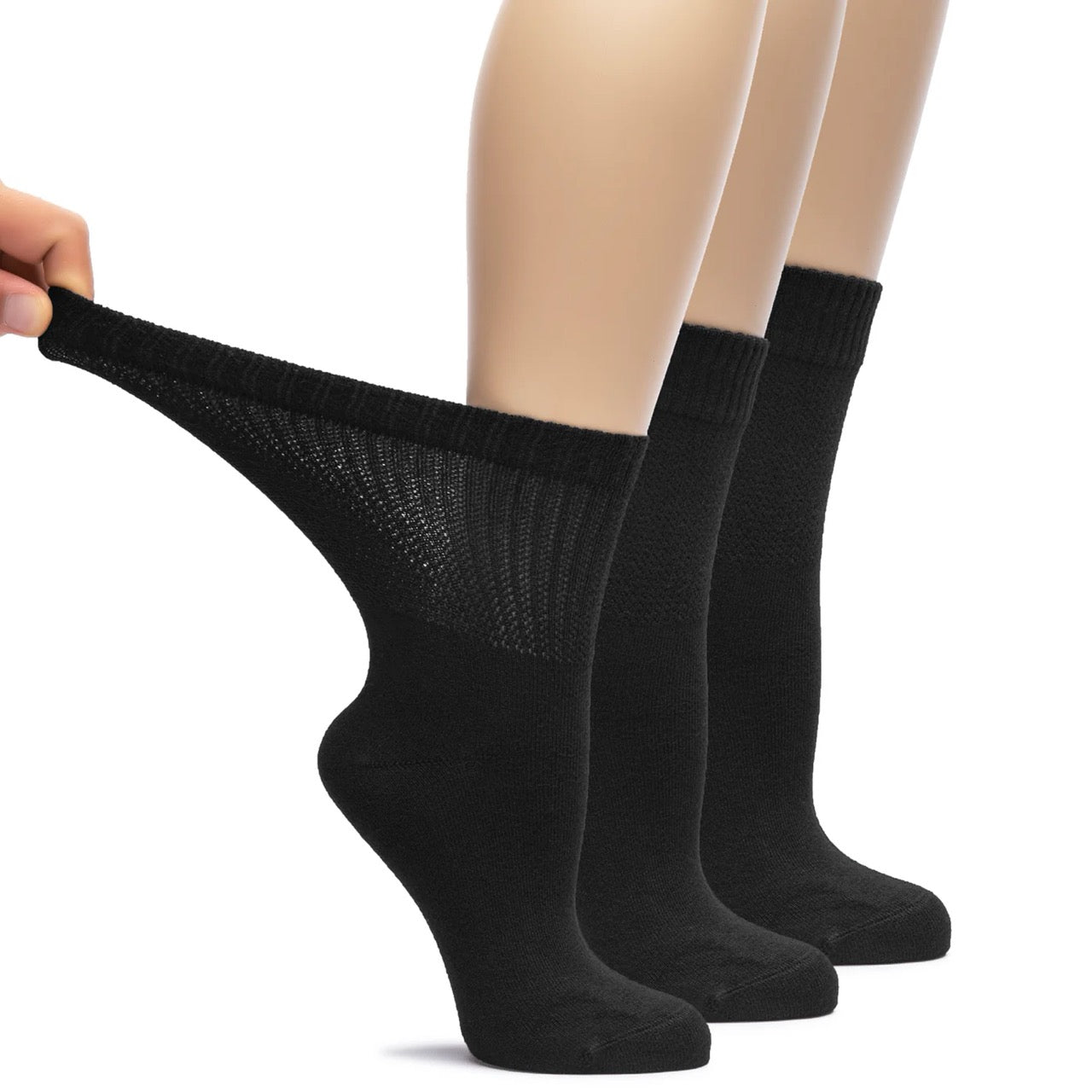
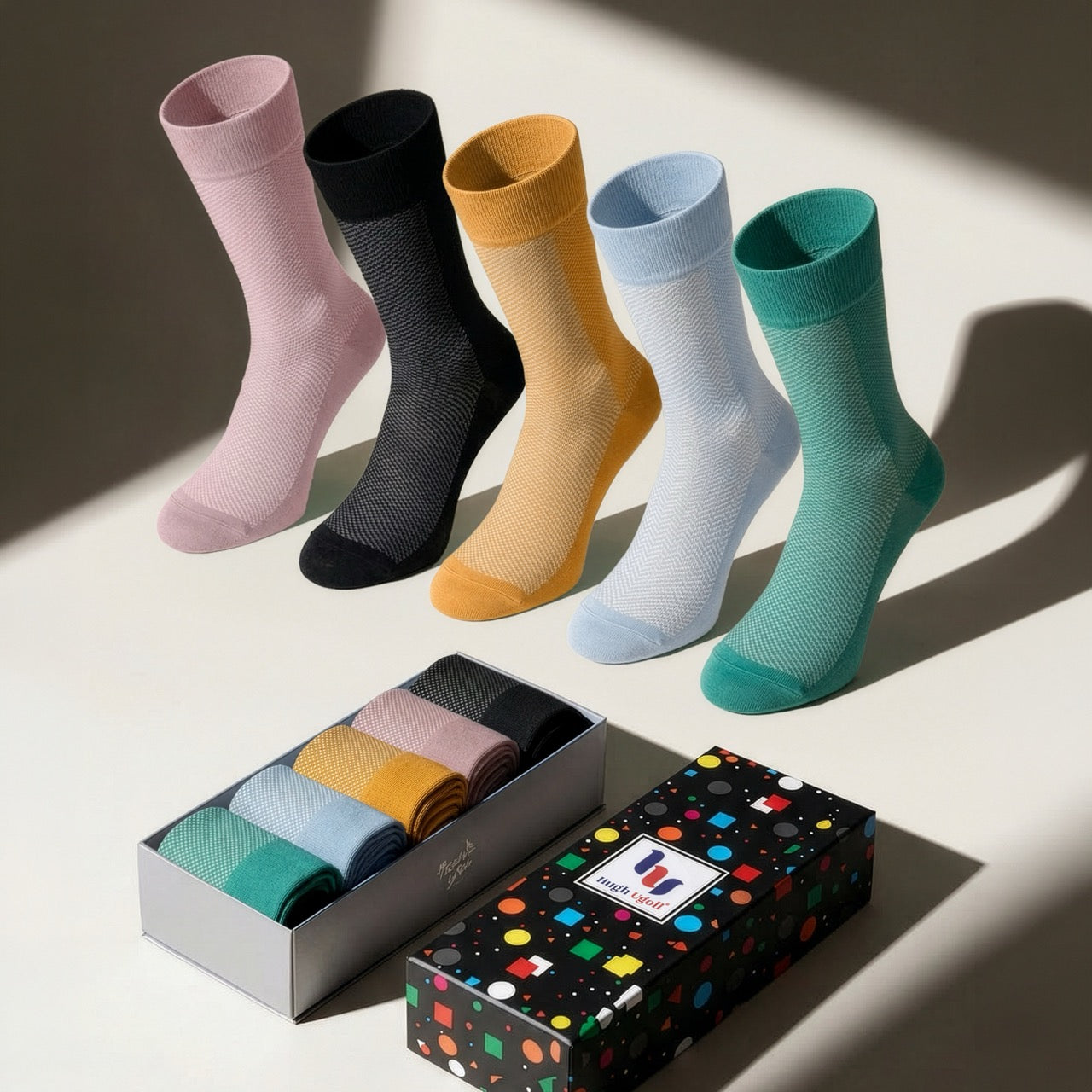
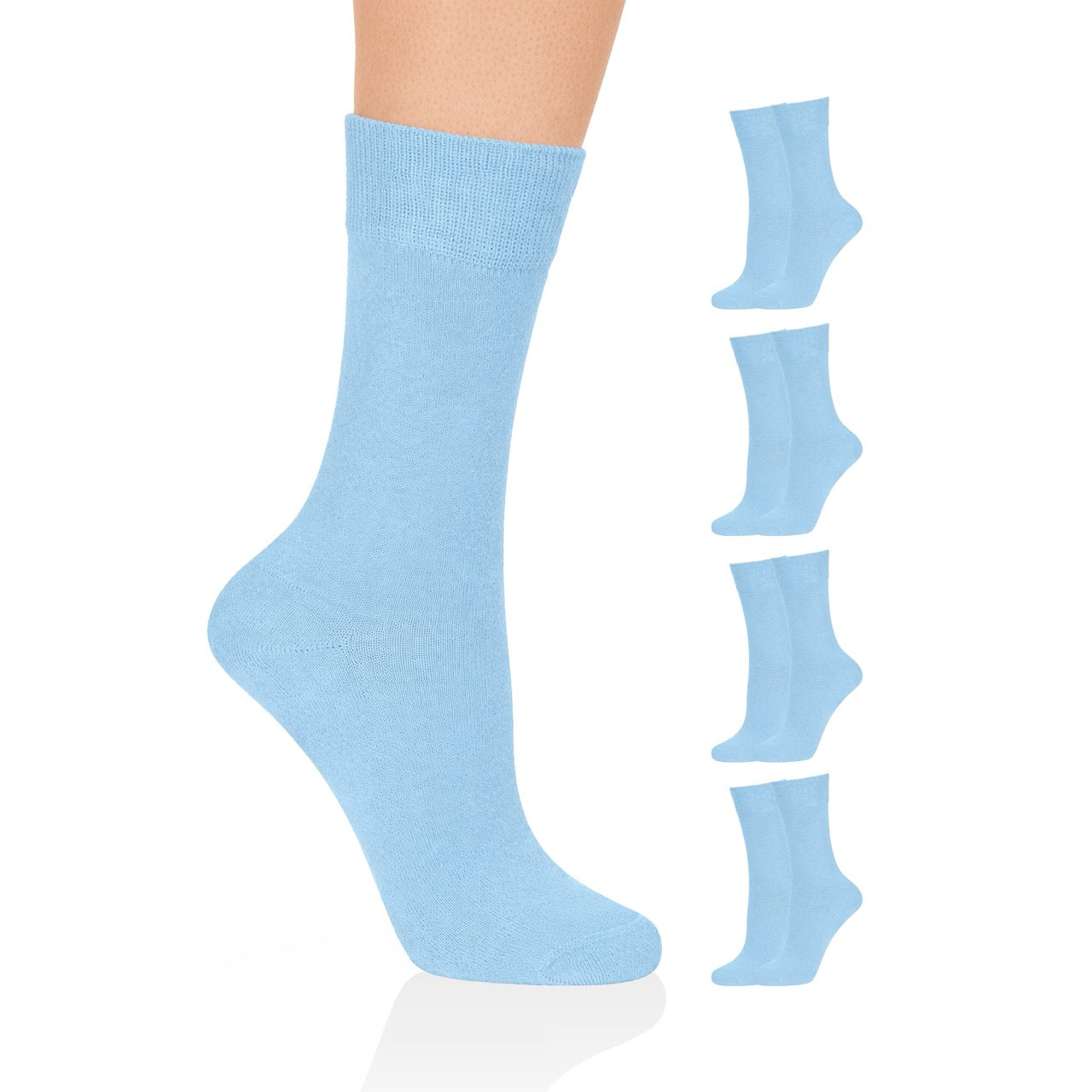
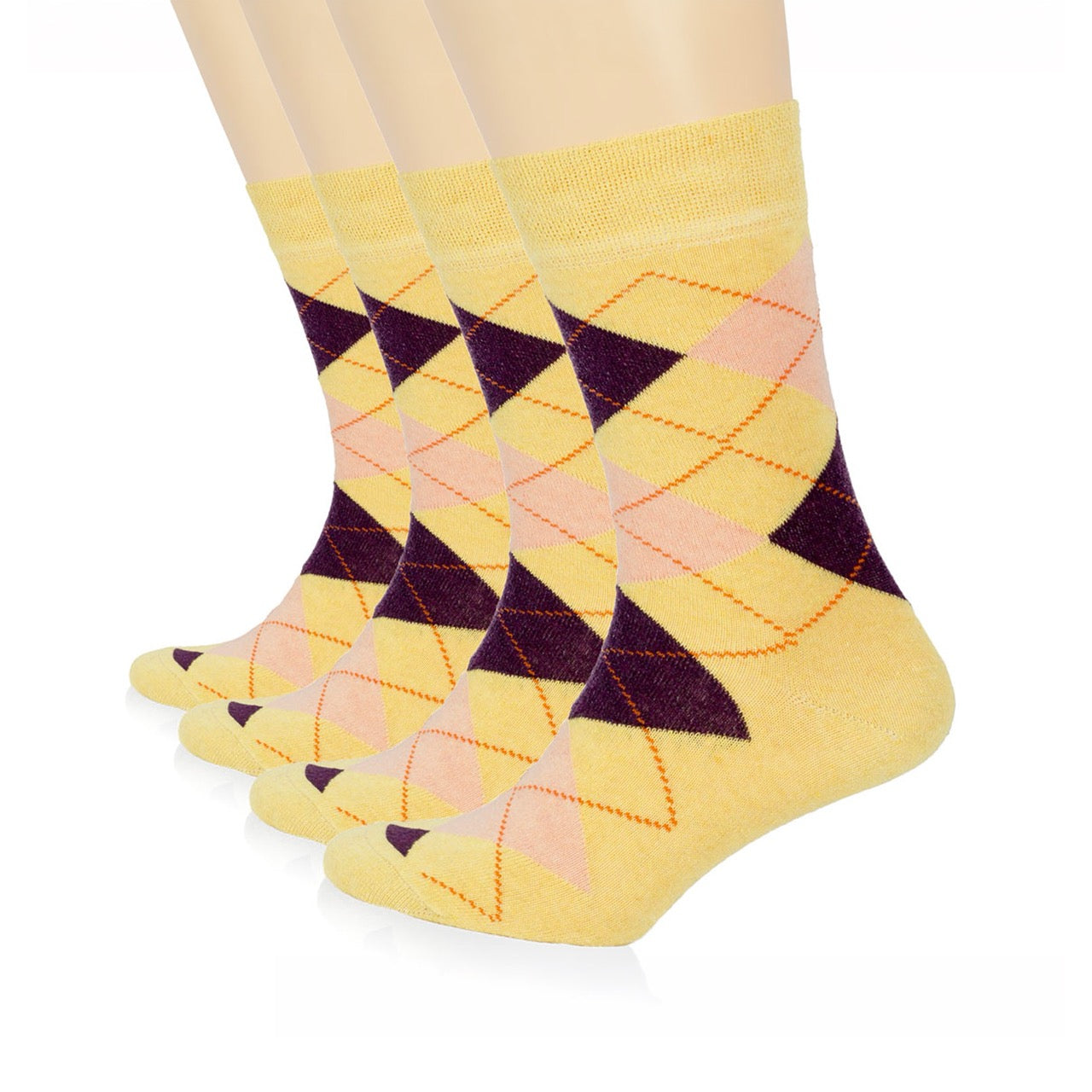
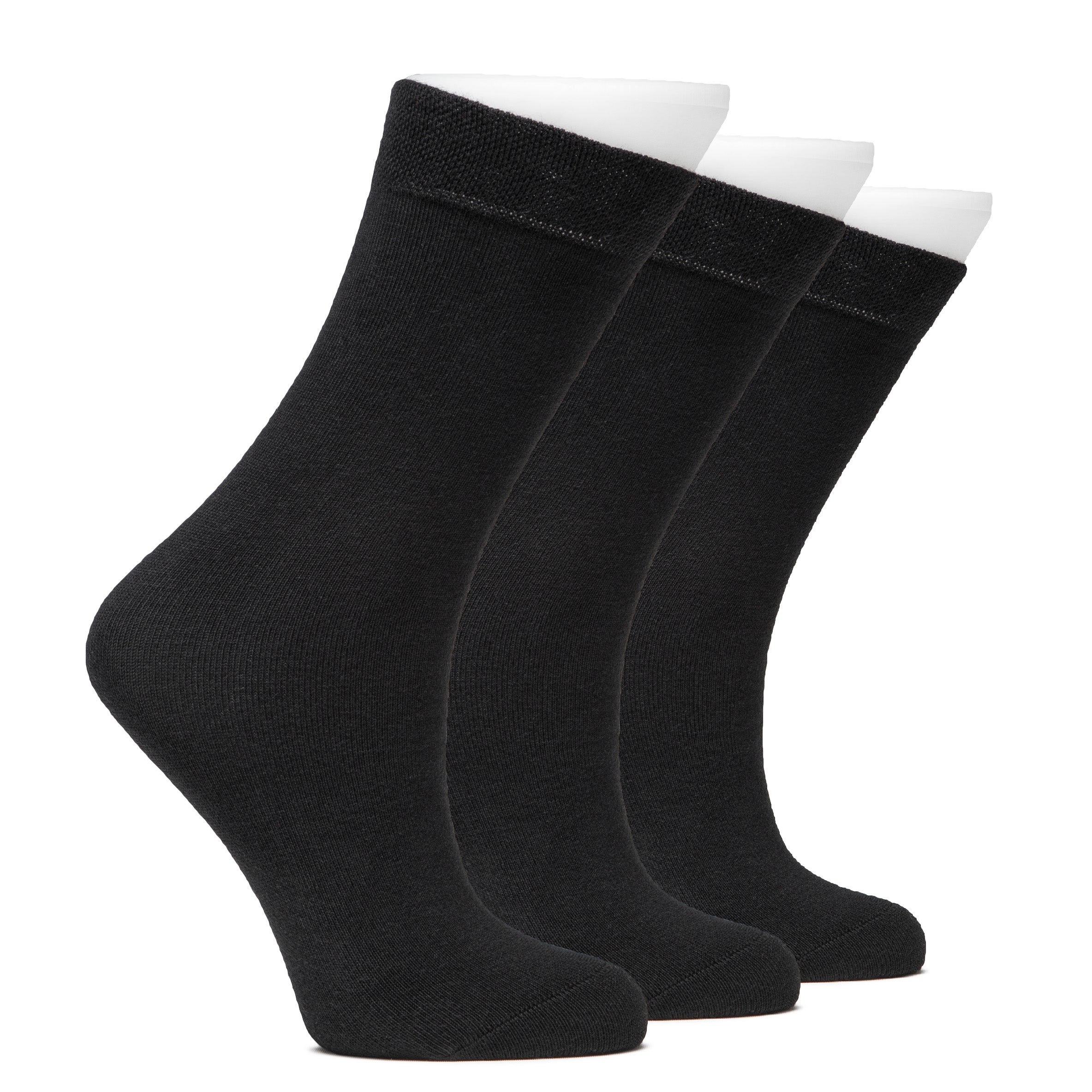
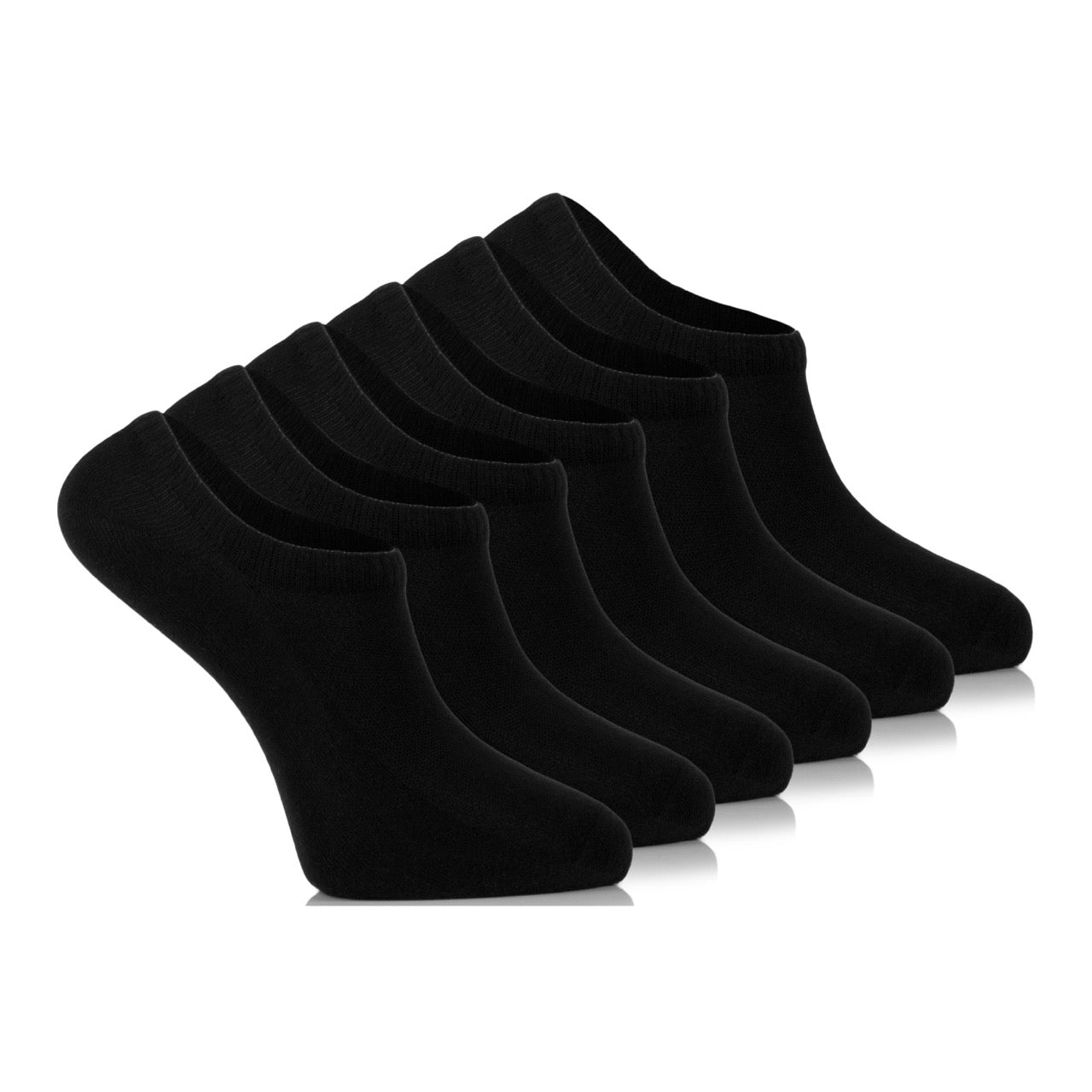
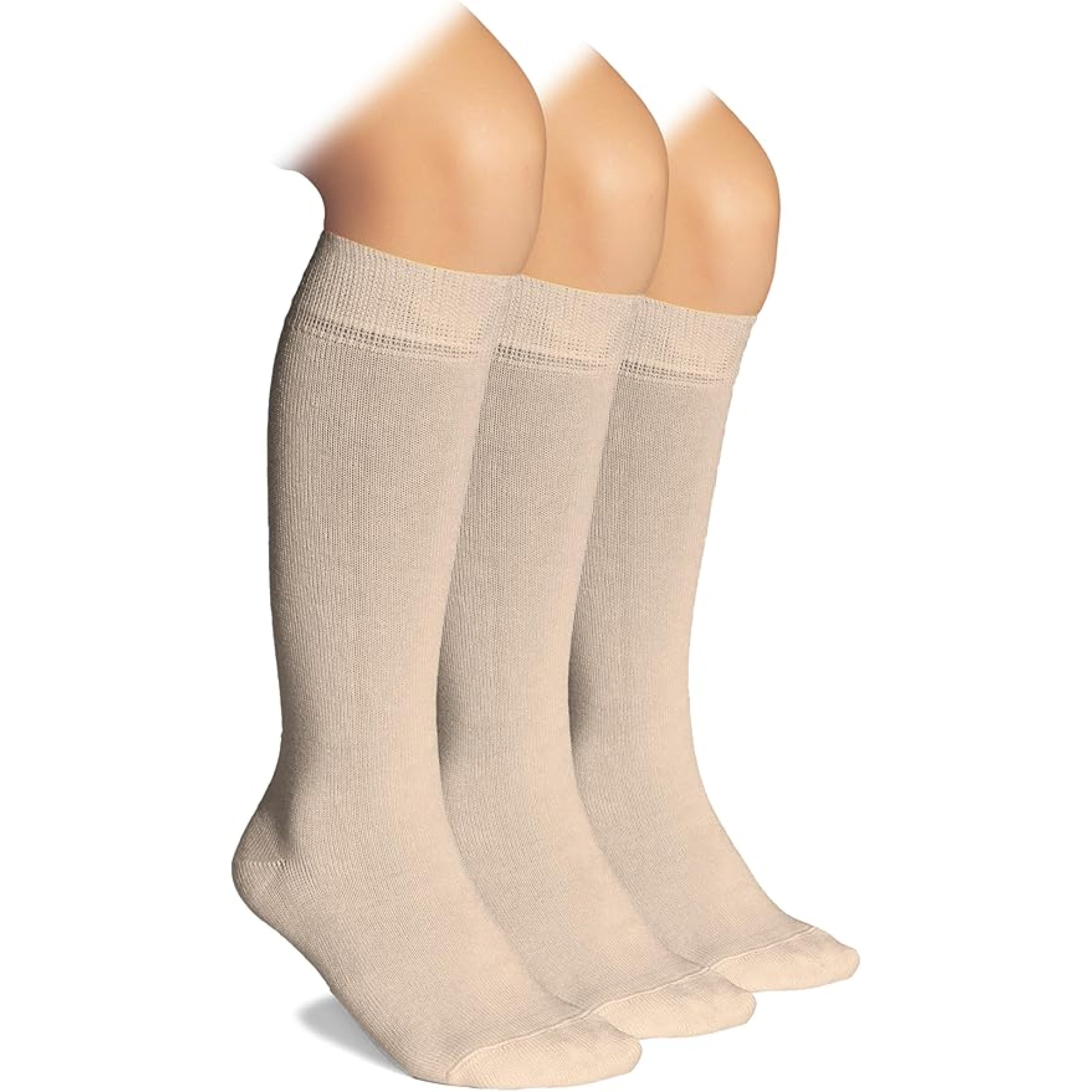


If you've ever taken your first step out of bed in the morning and winced the moment your heel hit the floor, you're not alone. Plantar fasciitis is one of the most common causes of heel and arch pain in adults, affecting millions of people every year. While treatment involves multiple approaches — stretching, orthotics, rest, and physical therapy — the footwear you choose every day plays a quiet but powerful role. That includes your socks. In this guide, we'll explore what to look for in socks for plantar fasciitis, why fabric and fit matter more than you'd expect, and how making a simple change to your sock drawer may help reduce the discomfort many people with this condition experience daily.
The plantar fascia is a thick band of tissue that runs along the bottom of your foot, connecting your heel bone to your toes. According to the Mayo Clinic, plantar fasciitis occurs when this band becomes inflamed — typically due to repetitive strain, sudden increases in activity, long periods of standing on hard surfaces, or structural factors like flat feet or high arches.
The pain is most noticeable with the first steps in the morning or after long periods of sitting. It tends to improve with movement throughout the day, only to return after extended activity. Common contributing factors include prolonged standing on hard surfaces, running or high-impact activity, unsupportive footwear, and excess body weight.
The American Podiatric Medical Association (APMA) notes that footwear choice — including what covers your feet at the sock level — can influence how the foot is cushioned and supported throughout the day.
Socks don't directly correct structural problems in the foot. But they do affect how your foot sits inside a shoe, how much friction occurs as you move, how moisture is managed, and how much cushioning reaches the heel and ball of the foot. For someone dealing with plantar fasciitis, each of these factors has real consequences.
Thin, rough-textured socks can bunch and shift inside a shoe, creating pressure points. Socks that retain moisture can increase inflammation. Socks that are too tight around the arch can restrict circulation and add tension in exactly the wrong places. On the flip side, a sock with mild arch support, heel cushioning, and a seamless toe may help reduce irritation — particularly for people who are on their feet all day or who are managing the condition alongside another health issue like diabetes.
Not all sock materials are created equal. Cotton has long been the default choice, but it absorbs and holds moisture — meaning your foot stays damp after activity. Bamboo-derived fabric has gained significant attention in foot health communities for several reasons. Bamboo fibers are naturally thermoregulating — meaning they help keep feet cool in summer and warm in winter. They are soft against sensitive or inflamed skin, and they wick moisture efficiently without relying on synthetic additives. For someone managing plantar fasciitis, where any extra friction or skin irritation is unwelcome, the texture of bamboo fabric is a meaningful advantage.

These two approaches often get conflated, but they serve different purposes. Cushioned socks add physical padding — typically at the heel and ball of the foot. This reduces the mechanical impact of each step on the inflamed fascia. Compression socks, by contrast, apply graduated pressure along the foot and leg, which may help with circulation and reduce swelling. The key is to choose socks that support without constricting.
If you're managing plantar fasciitis alongside diabetes or circulatory conditions, the stakes are higher. Diabetic-style socks were designed with these very concerns in mind: non-binding bands, seamless toes, moisture-wicking fabrics, and a looser fit that accommodates mild swelling. These same features are highly compatible with what plantar fasciitis sufferers need.
The Hugh Ugoli Men's Lightweight Bamboo Diabetic Ankle Socks are designed with a seamless toe, soft non-binding top, and a breathable bamboo-blend fabric that stays dry throughout the day. For women, the Hugh Ugoli Women's Comfortable Diabetic Bamboo Ankle Socks for Swollen Legs offer a slightly thicker construction with the same non-binding, seamless design.
For plantar fasciitis, ankle socks are the most common choice — they cover the heel and arch area without adding bulk further up the leg. A low crew cut can provide a gentle compression layer around the ankle joint, which some people find helpful during the recovery phase. Knee-high socks with compression are more appropriate if swelling travels up toward the lower leg or if a coexisting circulatory condition is present.
Plantar fasciitis is frequently at its worst with first steps after sleeping, when the fascia has contracted overnight. Wearing a supportive sock before putting on shoes can help buffer standing up. Some people find that wearing a supportive sock around the house — paired with a supportive slipper rather than walking barefoot — reduces morning discomfort significantly. Sock choice should be consistent during recovery: a cushioned, seamless, moisture-wicking sock every day, not just during activity.
Socks work best when paired with supportive shoes, podiatrist-recommended orthotics, and regular calf and foot stretching. The Cleveland Clinic recommends regular calf stretches and plantar fascia stretches as a cornerstone of non-surgical management. Good socks don't replace these interventions — they complement them.
Mild compression around the arch and ankle may help reduce swelling and provide a sense of support, which many people with plantar fasciitis find comfortable. Look for light to moderate compression (15–20 mmHg) and prioritize comfort over tightness.
Some people find wearing a light, breathable sock to bed helpful. Night splints — prescribed by a podiatrist — are the more structured intervention for nighttime management, but a regular sock may add comfort during sleep.
Bamboo socks are a good fit for plantar fasciitis: they're soft against sensitive or inflamed skin, wick moisture efficiently, and many designs feature seamless toes and non-binding bands. They don't provide rigid arch support — that comes from orthotics — but they remove friction and moisture as compounding irritants.
Replace socks when the heel padding noticeably thins, when the band no longer holds shape, or when the fabric has roughened significantly. With daily wear and regular washing, quality socks typically last 6–12 months.
Wrong socks alone are unlikely to cause plantar fasciitis, but socks that are too thin, poorly fitted, or bunch inside a shoe can increase friction and microtrauma to the plantar fascia over time, particularly when combined with unsupportive footwear.
This article is for general information and is not medical advice. Talk to your healthcare provider about your own feet.
He has been working for more than 20 years in the textile industry and has work experience in many parts of the world.