Cart
0
You may also like
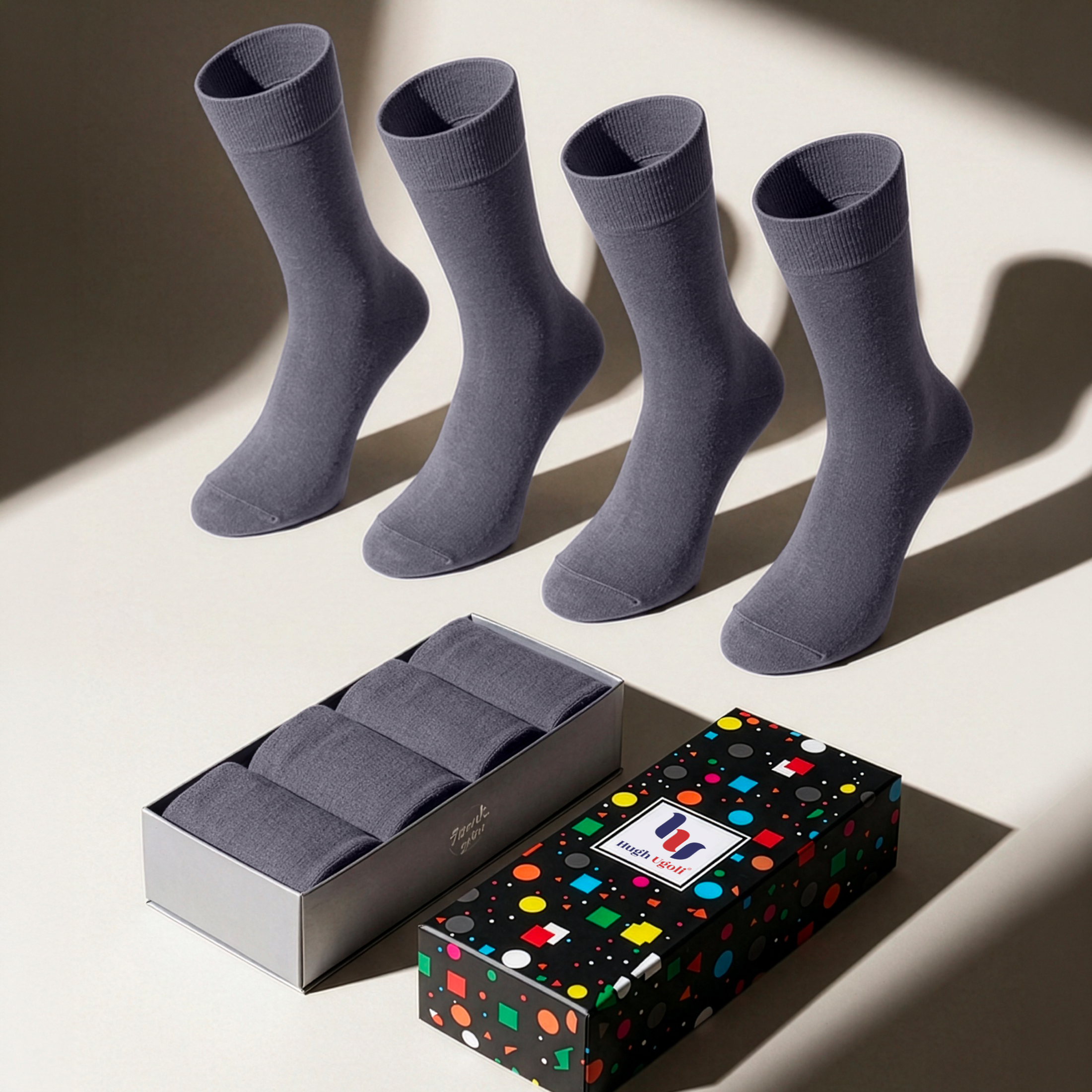
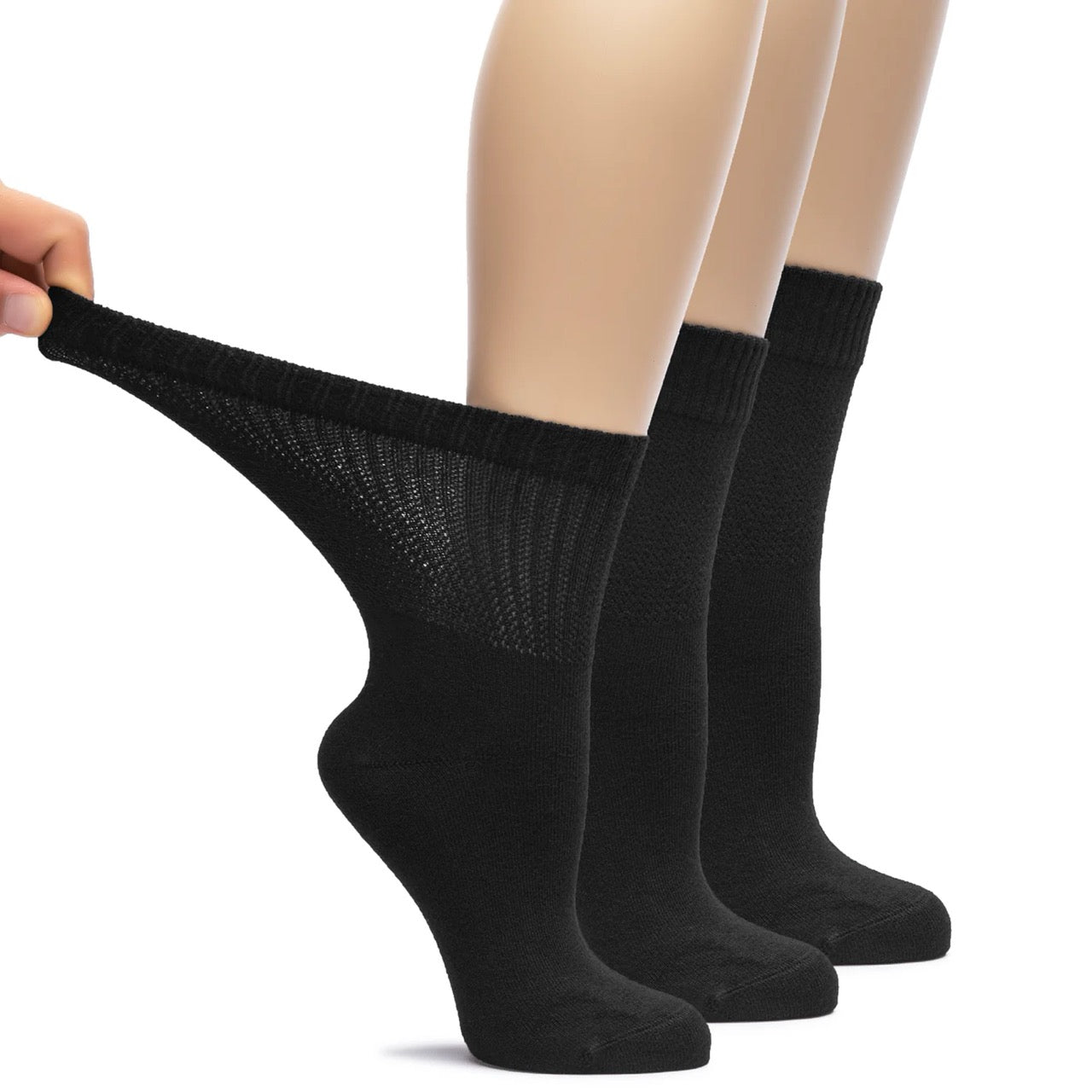

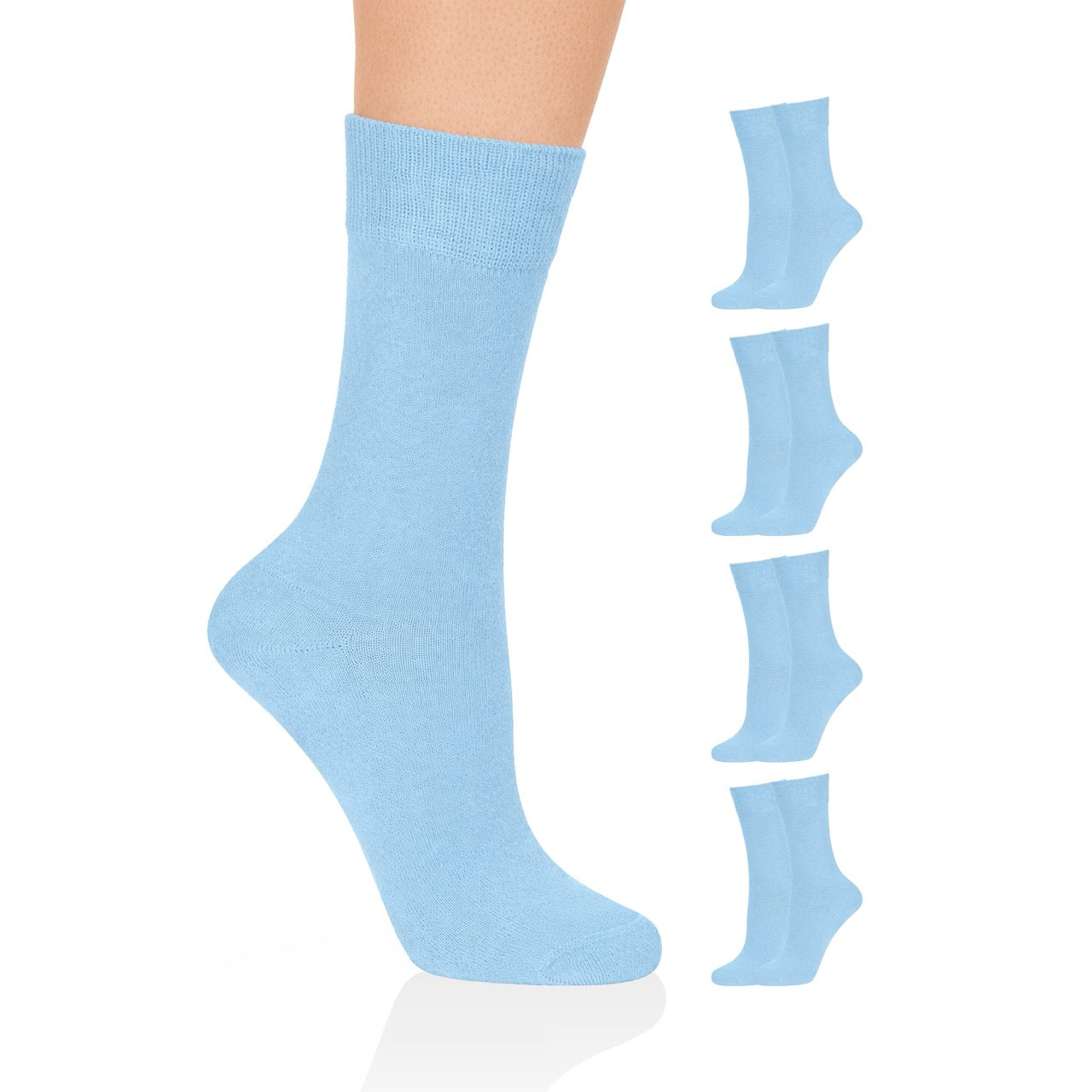
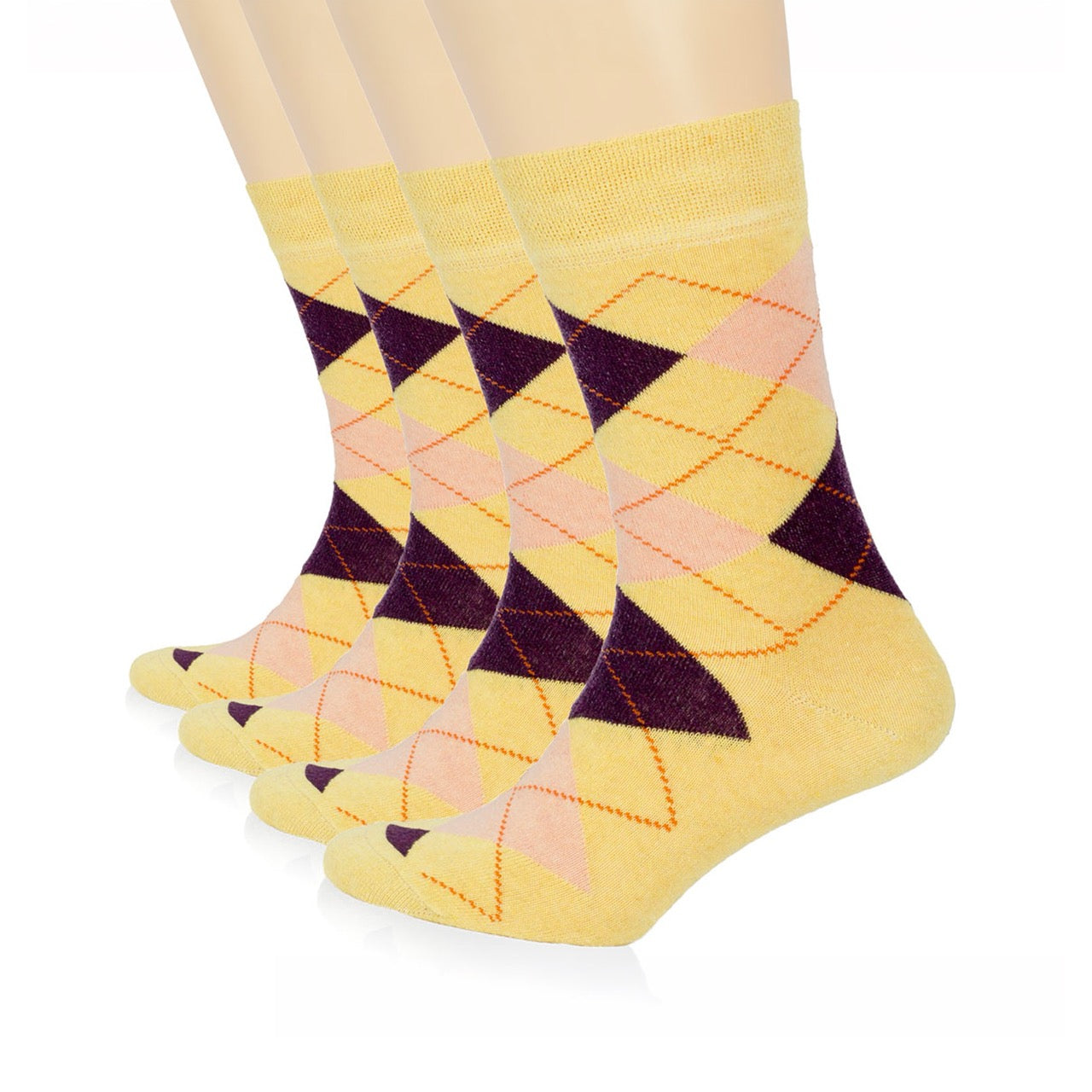


Sustainability is no longer a niche concern—it's a driving force reshaping the entire fashion industry. From choosing eco-friendly materials to supporting sustainable brands with transparent labor practices, today's style leaders know you can look great while also reducing your environmental impact. Below is a concise guide to help you shop more eco conscious without compromising on aesthetics or quality.
| Key Pillar | What to Look For | Why It Matters |
|---|---|---|
| Materials | Organic cotton, hemp, TENCEL™, or recycled materials certified to the Global Organic Textile Standard (GOTS) | Lower pesticide use, fewer carbon emissions, less strain on natural resources |
| Production | Factories with fair-wage policies, reduced water usage, and safe working conditions | Ethical treatment of workers and minimized resource waste |
| Longevity | High-quality stitching, durable fabrics, and timeless designs | Longer garment life = less landfill waste = lower carbon footprint |
Check Certifications
Seek labels such as GOTS, Bluesign®, or Fair Trade to verify that your sustainable clothes are truly eco-friendly rather than just "greenwashed."
Prioritize Versatility
Choose garments that mix and match easily. A neutral color palette can cut your closet's size without cutting your style.
Inspect Quality
Tug lightly at seams, test zippers, and read fiber content. Well-made pieces reduce returns and reduce waste in the long run.
Buy Less, Choose Better
Each purchase should serve a clear purpose—ask yourself if it fills a real gap before adding it to cart.

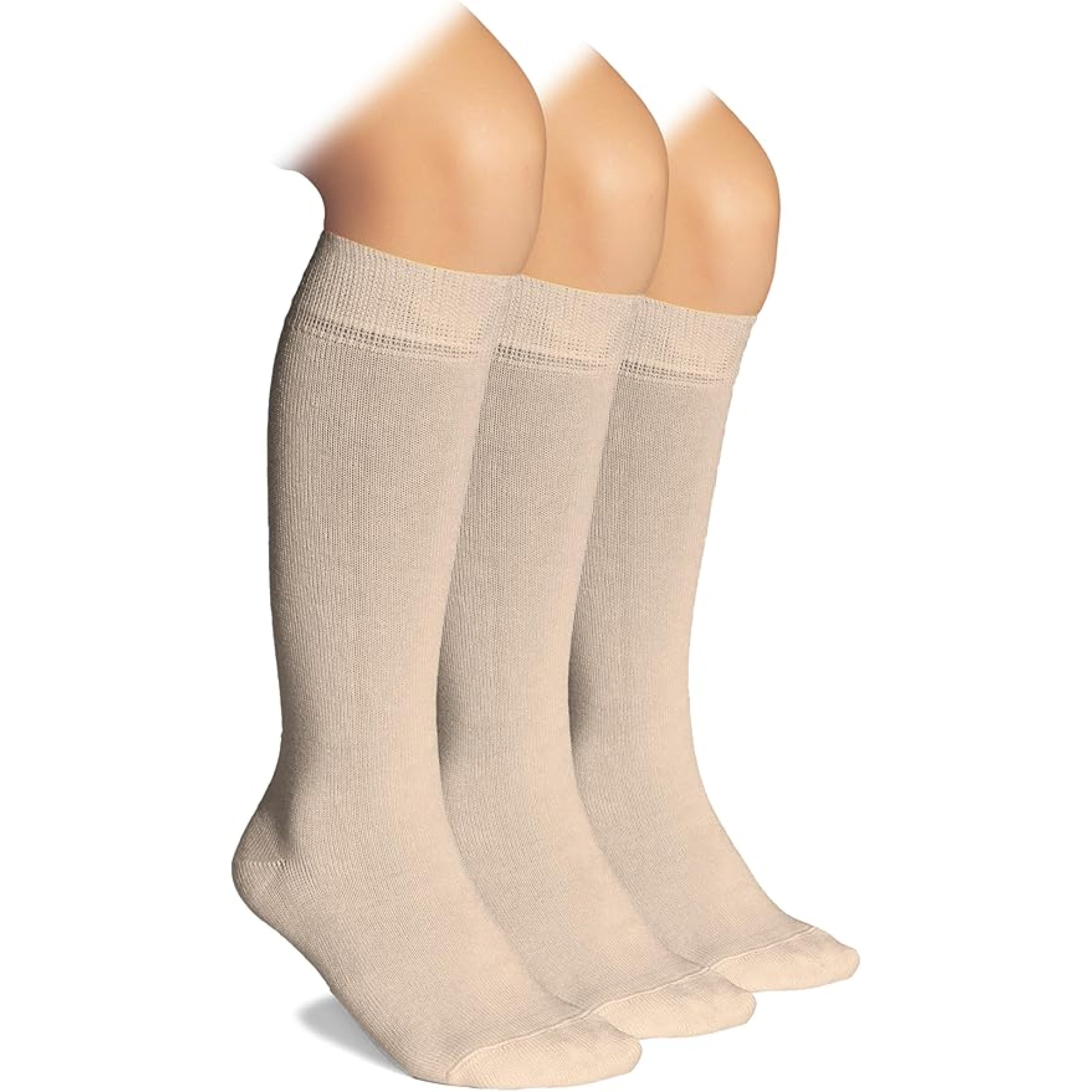
Accessories are an easy entry point into sustainable fashion. A pair of eco-friendly socks uses a fraction of the raw material required for a full outfit yet still helps reduce your carbon footprint.
Product Pick:
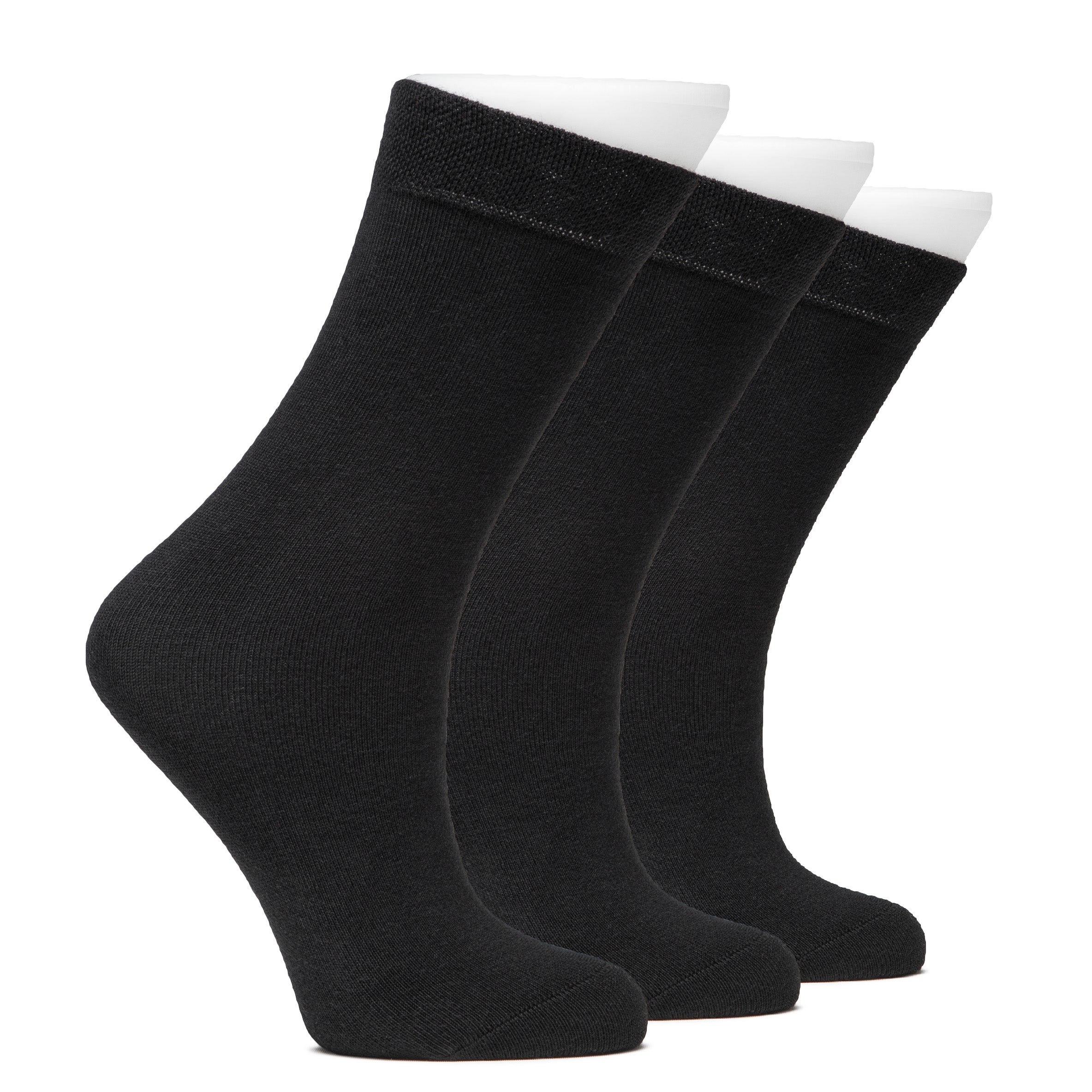
Women's Bamboo Dress Crew Business Gift Box Socks
Bamboo Viscose Blend: Grown with minimal water and no pesticides.
Naturally Moisture-Wicking: Keeps feet comfortable in all seasons.
Gift-Ready: A practical way to introduce friends or family to sustainable basics.
Cold-Water Wash: Cuts energy use by up to 90% compared to hot cycles.
Line Dry When Possible: Eliminates dryer emissions and preserves fabric integrity.
Mend & Upcycle: Basic sewing skills extend a garment's life and defer replacement.
Shopping responsibly doesn't mean downgrading your wardrobe—it's about making informed choices that support both personal style and planetary health. For deeper insights into building an eco-friendly closet—right down to the smallest drawer—check out our earlier post The Sustainable Fashion Movement and Hugh Ugoli: An Eco-Friendly Sock Selection Guide. By combining mindful purchasing with proper care, you'll stay stylish while championing sustainability—proving that fashion and responsibility can (and should) walk hand in hand.
He has been working for more than 20 years in the textile industry and has work experience in many parts of the world.