Cart
0
You may also like
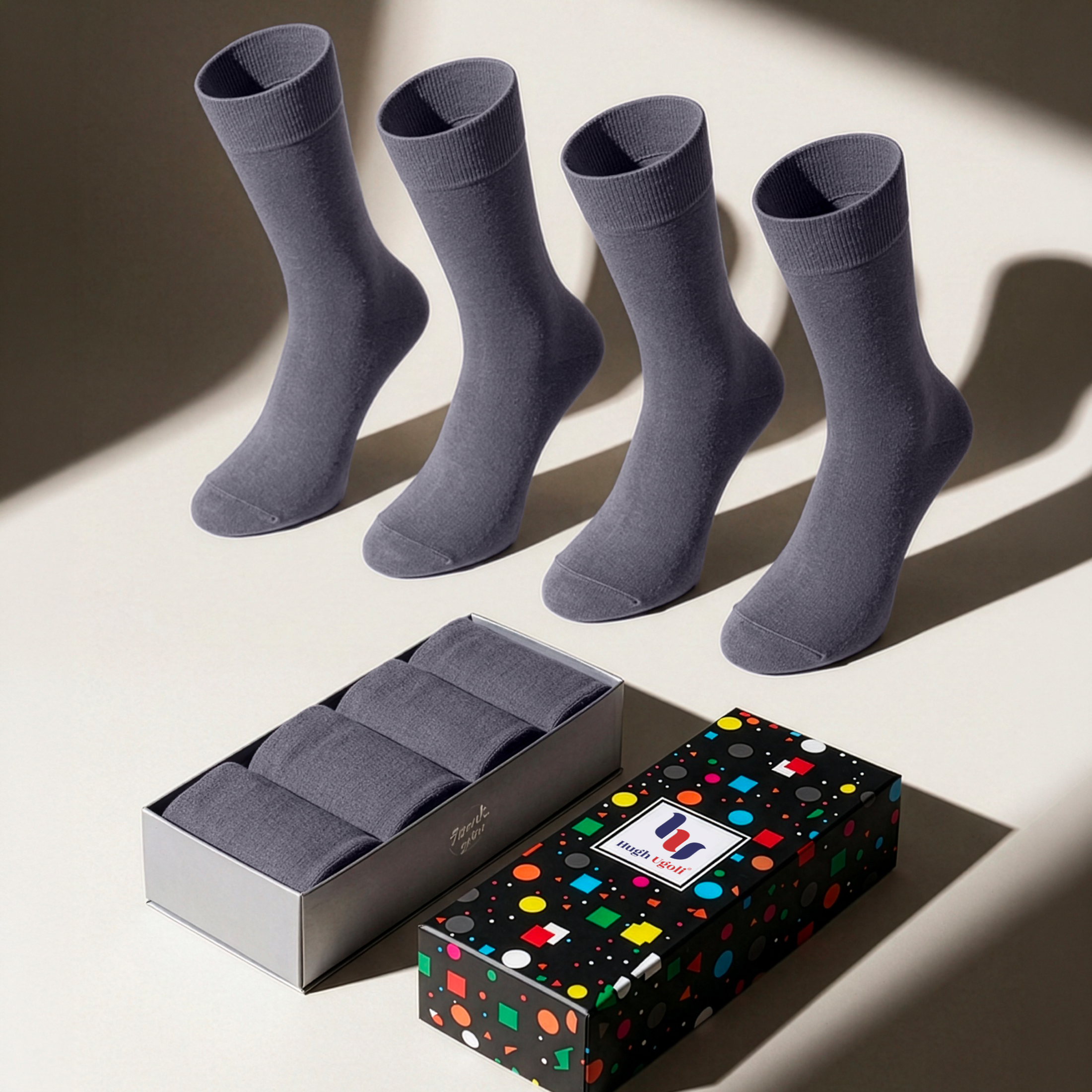
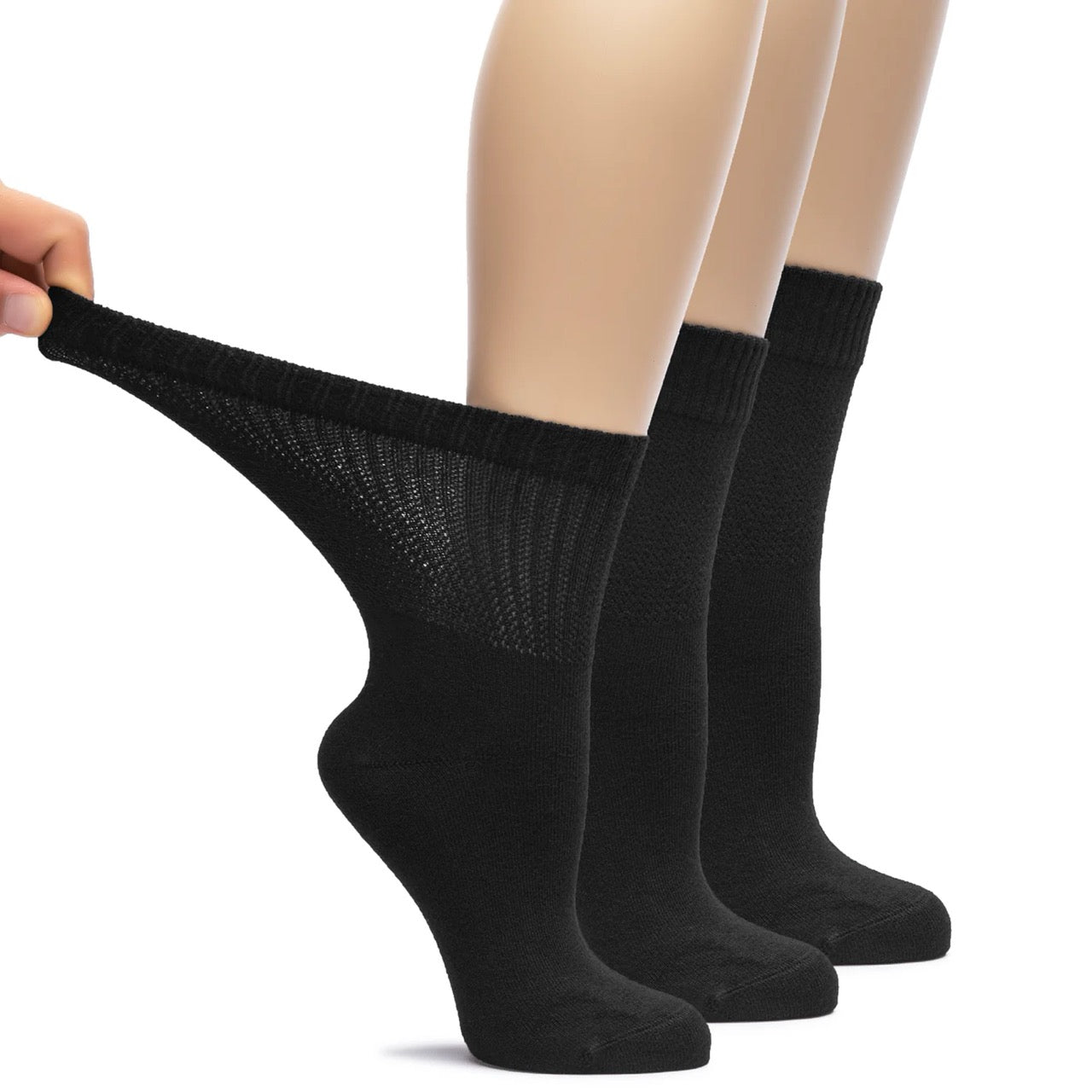

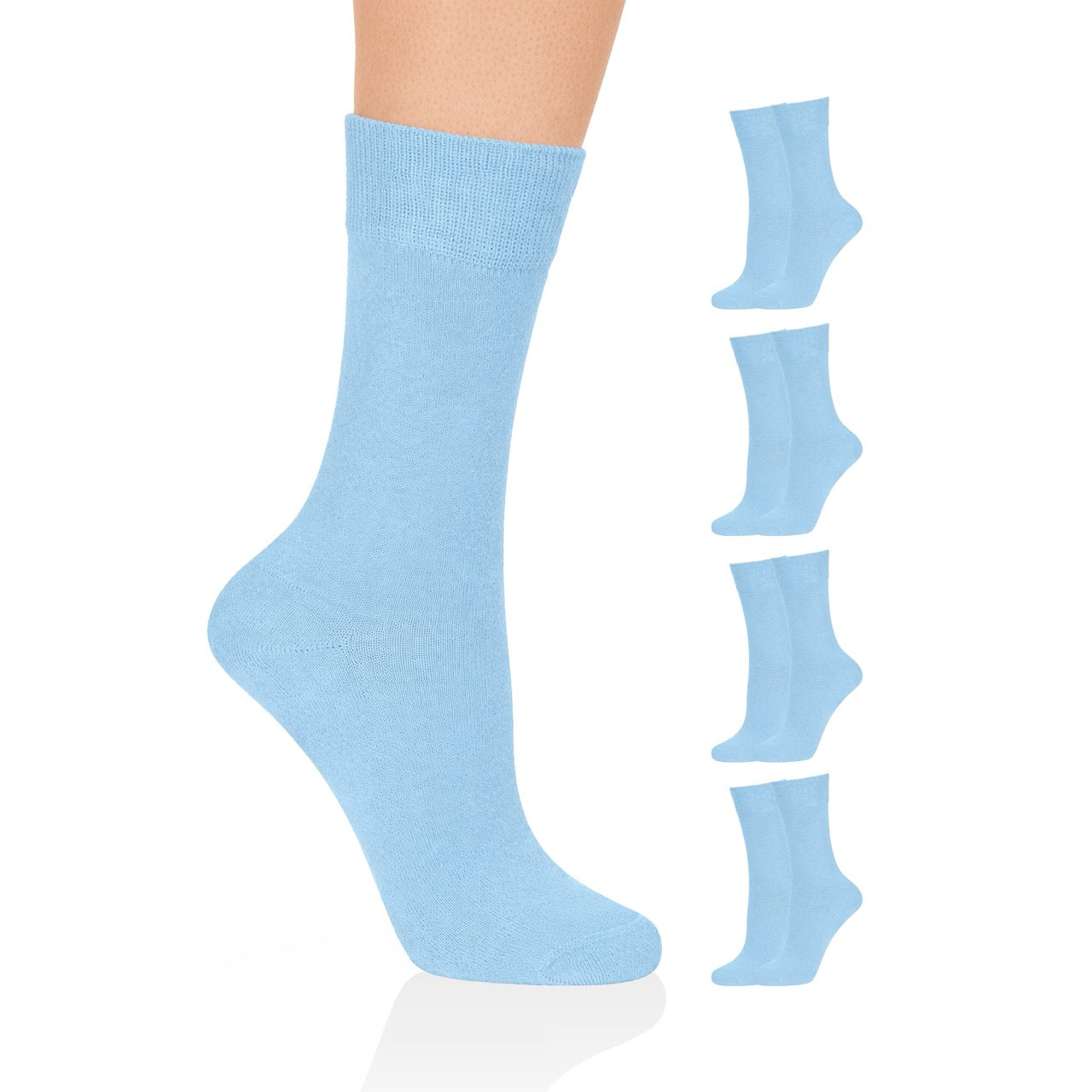
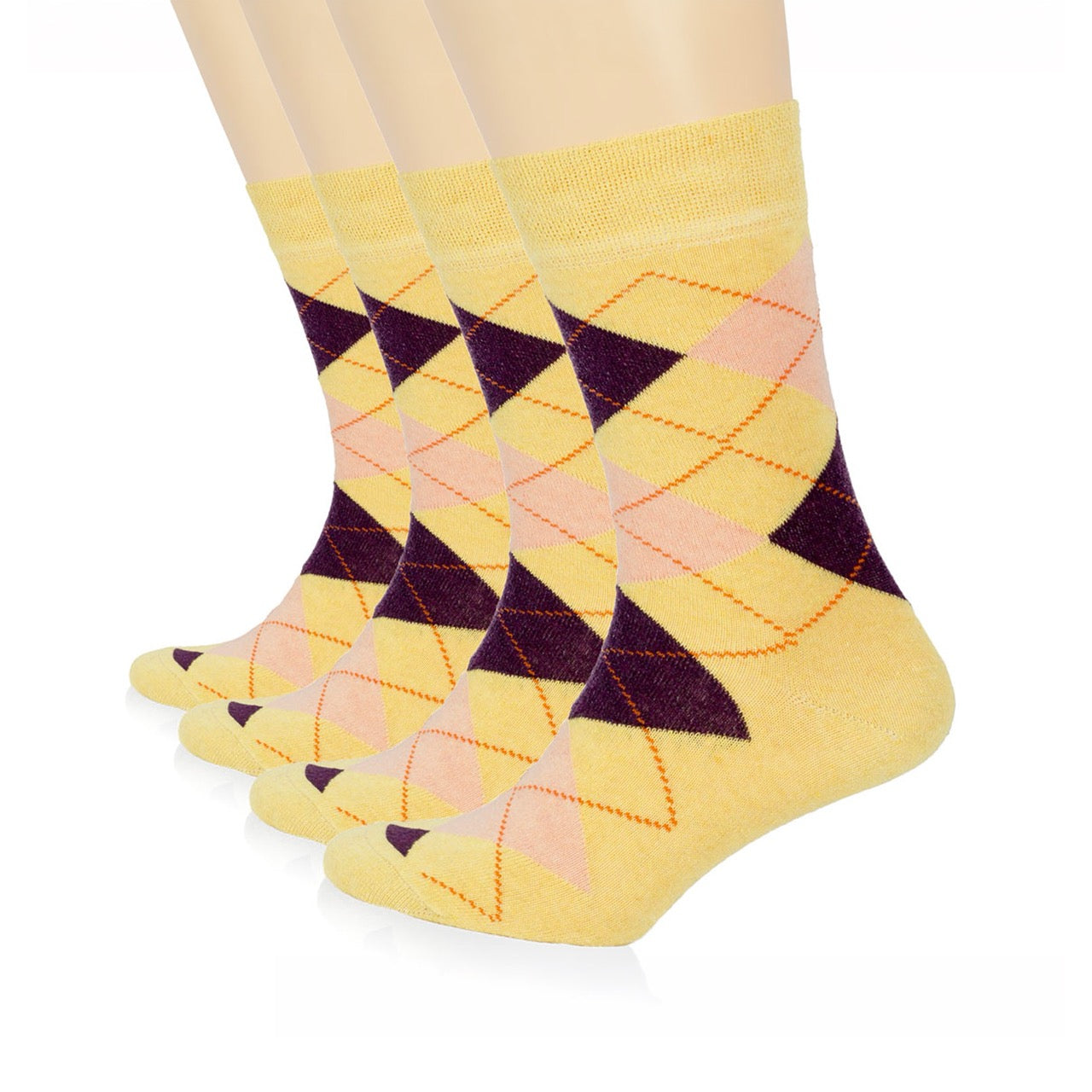
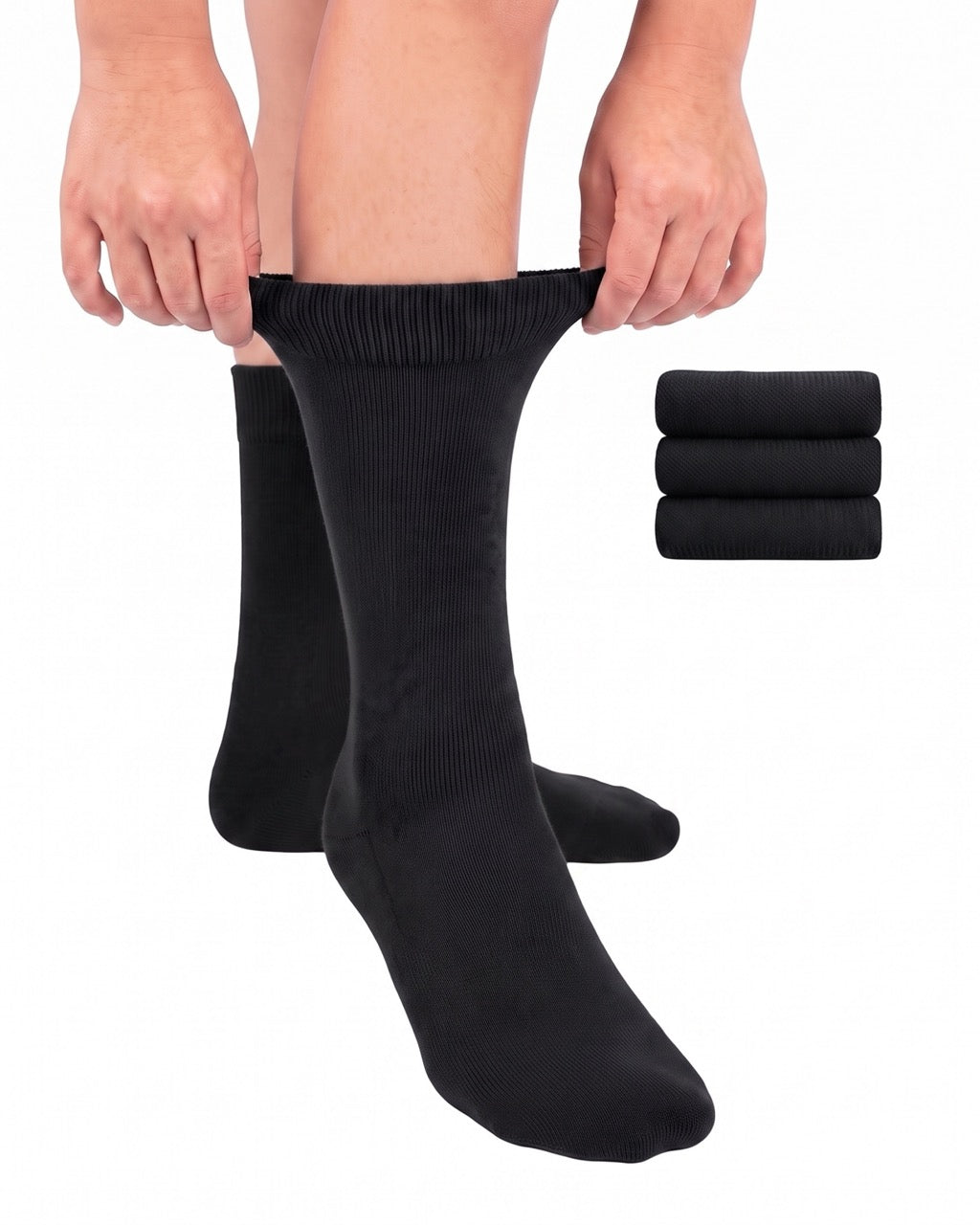


Socks are one of the most overlooked parts of a daily outfit, yet they play a critical role in comfort, hygiene, and even style. Many people focus on shoes but ignore the importance of choosing, wearing, and caring for the right pair of socks. As a result, small mistakes can lead to discomfort, worn-out socks, and even foot problems.
This guide breaks down the most common sock mistakes people make daily-and how to avoid them for better comfort and longer-lasting socks.
The most common sock mistakes include choosing the wrong material, ignoring moisture management, wearing poor-fitting socks, using high heat when washing, and not matching socks to the occasion. Fixing these improves comfort and extends sock life.
The material of your socks directly affects comfort, breathability, and durability. Many people choose socks based on appearance rather than function.
For example:
Choosing the right material helps keep your feet dry and comfortable throughout the day.
One of the biggest common mistakes is not considering how socks handle moisture.
Socks without proper moisture wicking can:
Good socks are designed for effective moisture management, helping your feet stay dry even during long hours or physical activity.

Different situations require different types of socks, yet many people use the same pair for everything.
Dress socks are designed for formal wear and should be paired with dress shoes. They are usually thinner and more refined.
Sports socks provide cushioning and support for movement. Wearing them casually may feel bulky, while using casual socks for sports can reduce comfort.
An ankle sock works well with sneakers but may not be suitable for formal outfits.
Choosing the right type improves both comfort and appearance.
Fit is essential. Socks that are too tight or too loose can cause discomfort.
Always ensure your socks fit correctly and stay in place without discomfort.
While comfort matters most, style should not be ignored. Failing to match your sock to your outfit can affect your overall appearance.
Simple guidelines include:
Proper styling makes socks part of your overall look, not an afterthought.
Improper washing is one of the biggest reasons socks wear out quickly.
Washing or drying socks on high heat can damage fibers and reduce elasticity.
Frequent tumble dried cycles weaken the structure of socks, causing them to lose shape.
These steps help maintain the quality of your socks.
Skipping air drying is another common mistake.
Air drying helps:
Heat from dryers can break down fibers, making socks feel tighter or worn out faster.
Many people forget to turn socks inside out before washing.
This simple step helps:
It’s a small habit that makes a big difference.
Keeping old socks for too long reduces comfort and performance.
Signs it’s time to replace socks:
Replacing socks regularly ensures better comfort and hygiene.
Without proper care, even high-quality socks will not last.
Good care habits include:
Caring for your socks keeps them comfortable and durable.
Avoiding these common sock mistakes improves both comfort and longevity.
When you wear socks correctly:
Small changes in habits can lead to better results every day.
Socks may seem simple, but the way you choose, wear, and care for them makes a big difference. From selecting the right material to avoiding high heat when washing, each step contributes to comfort and durability.
By avoiding these common mistakes and focusing on moisture-wicking materials, proper fit, and good care habits, you can ensure your socks support your daily routine rather than disrupt it.
The right socks don’t just complete your outfit—they improve how you feel all day.
Choosing the wrong material and ignoring moisture management are among the most common mistakes.
Yes, high heat can weaken fibers and reduce elasticity over time.
Air drying helps preserve the structure and extends the lifespan of your socks.
Yes, especially for formal wear. Matching socks improves overall appearance.
Replace socks when they lose elasticity, become thin, or develop holes.
He has been working for more than 20 years in the textile industry and has work experience in many parts of the world.