Cart
0
You may also like
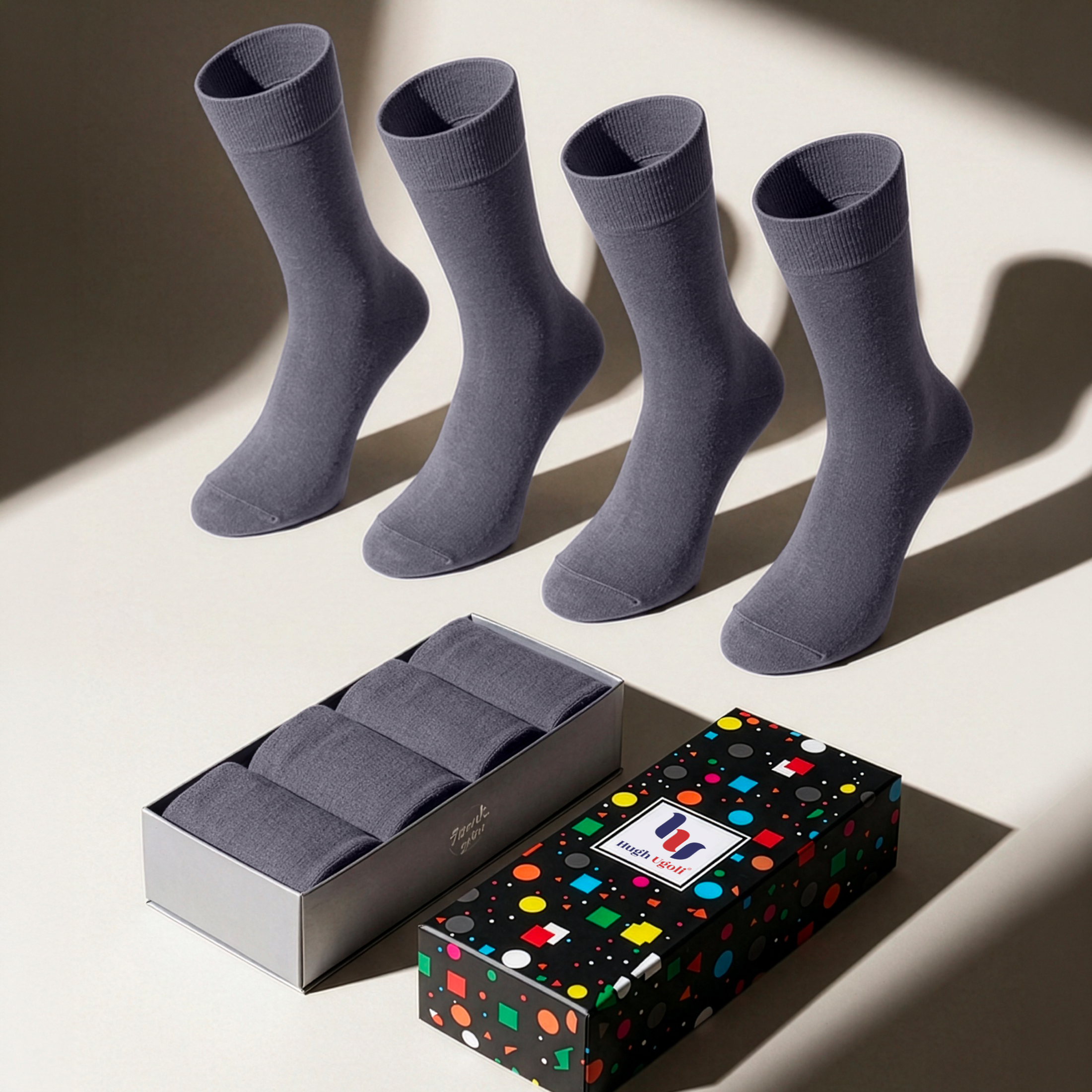
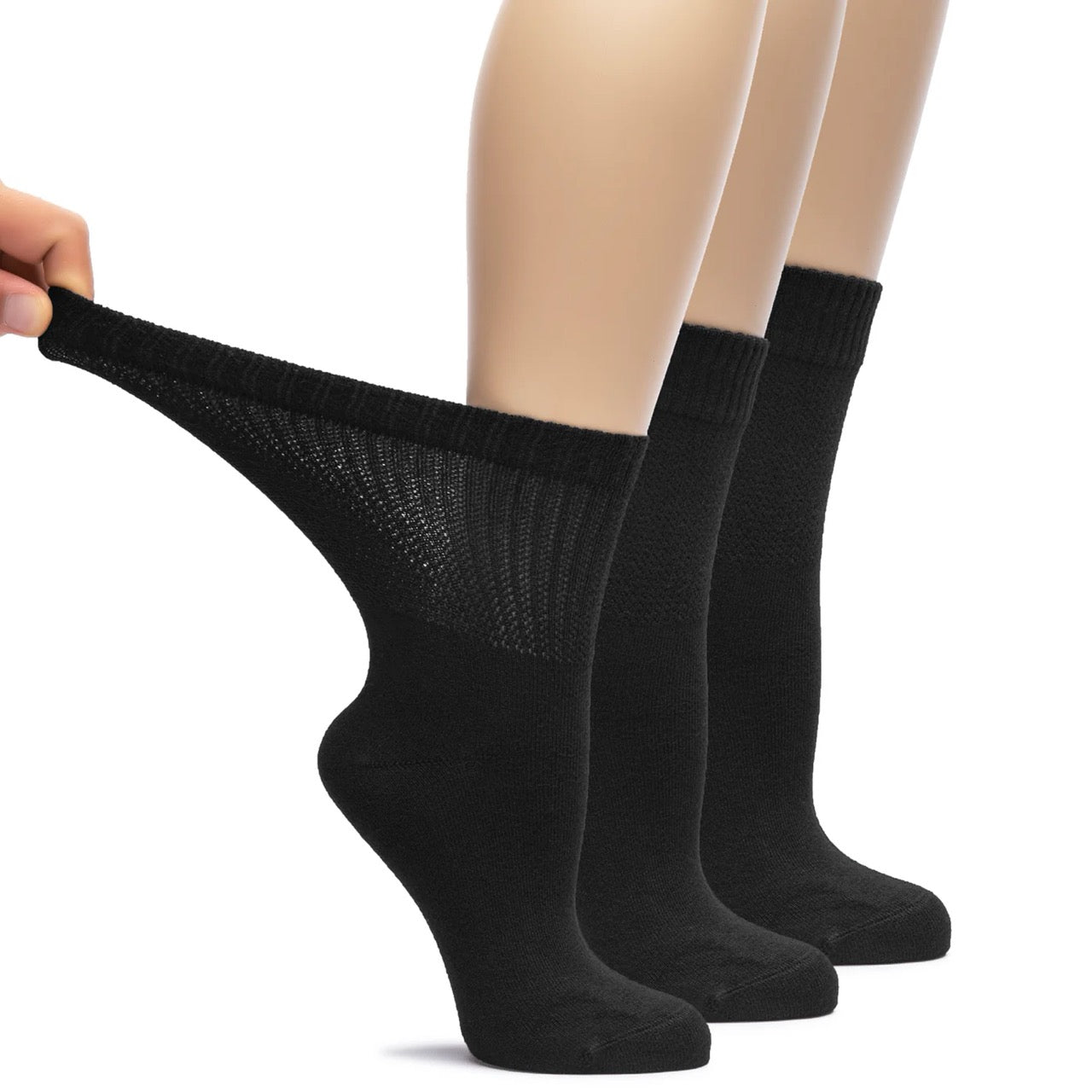
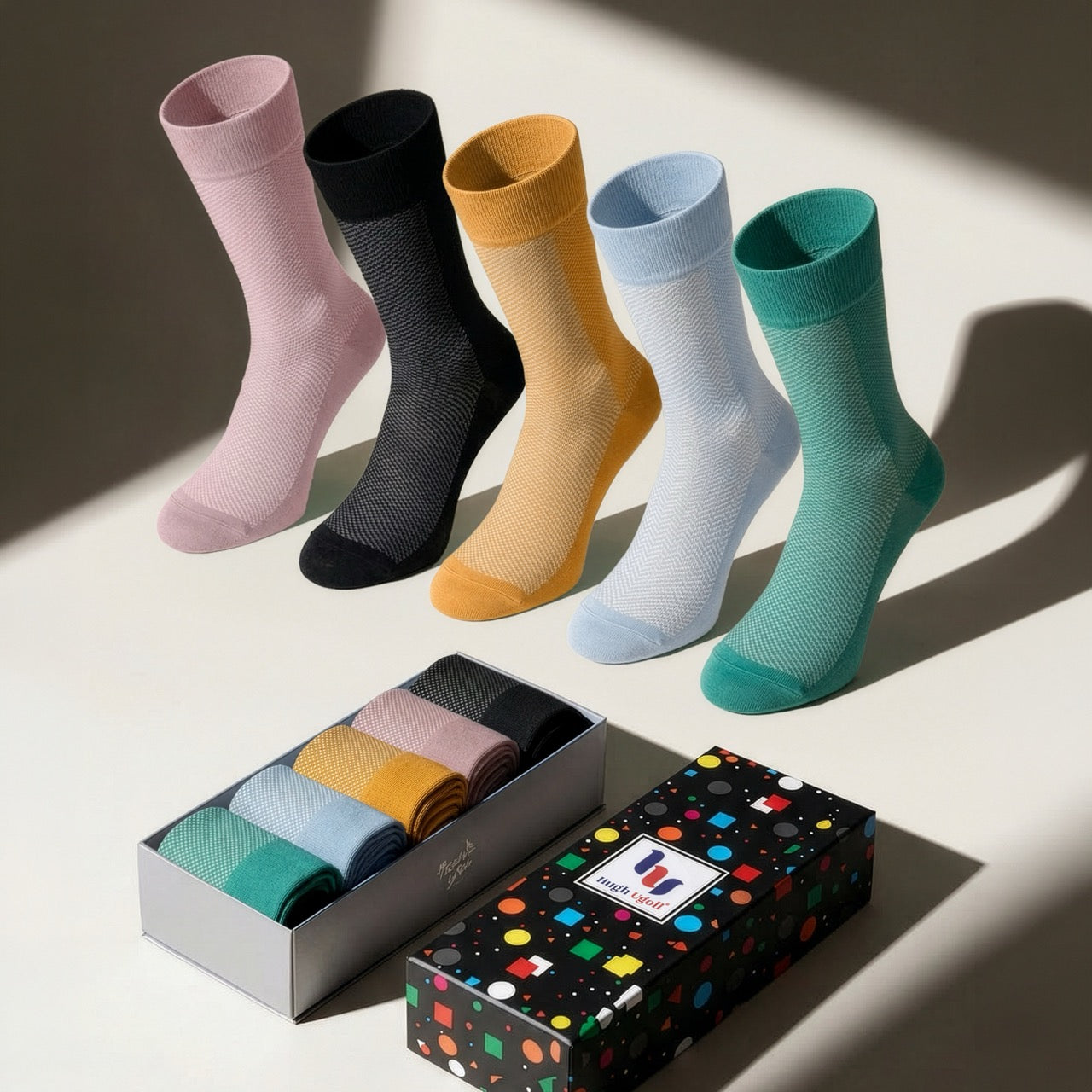
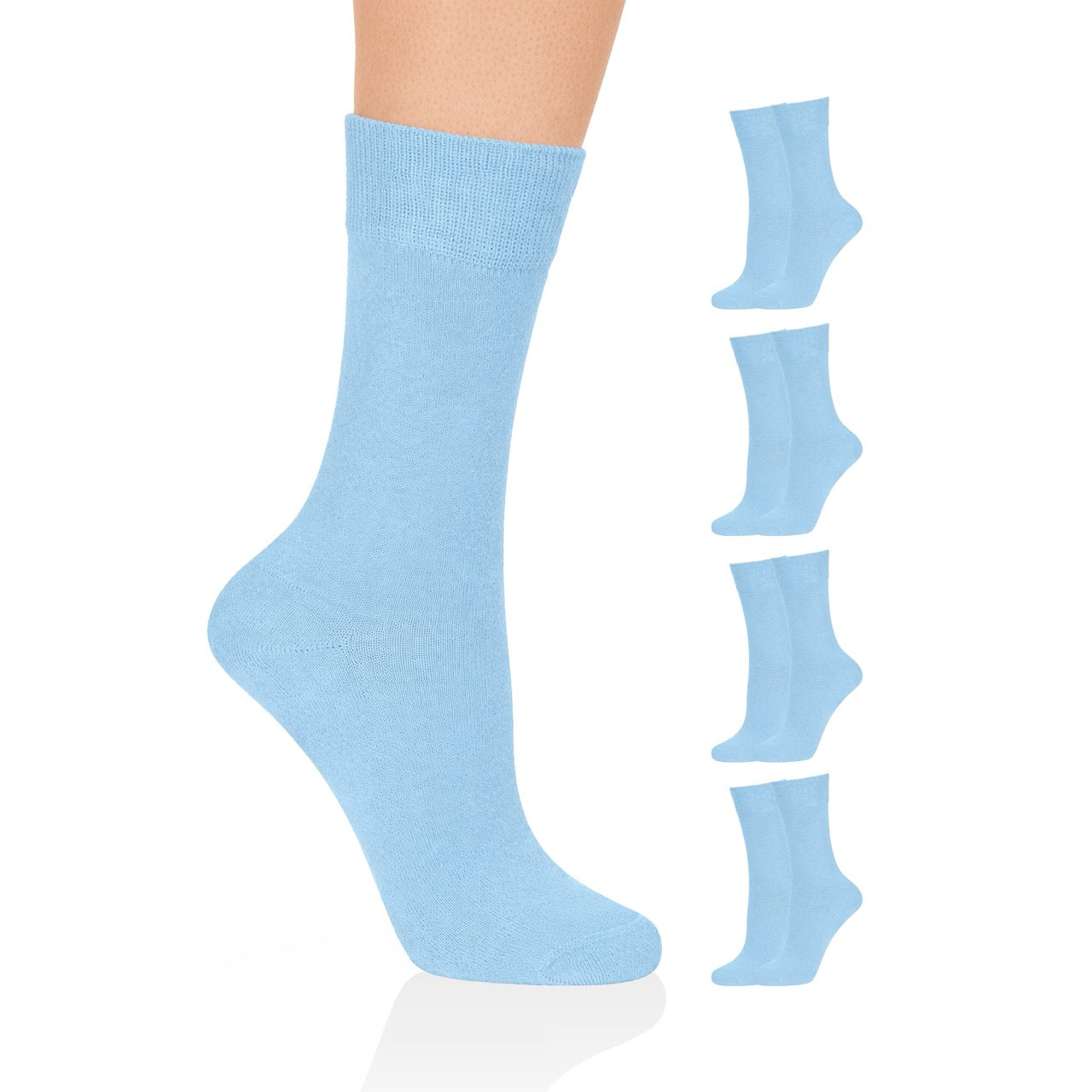
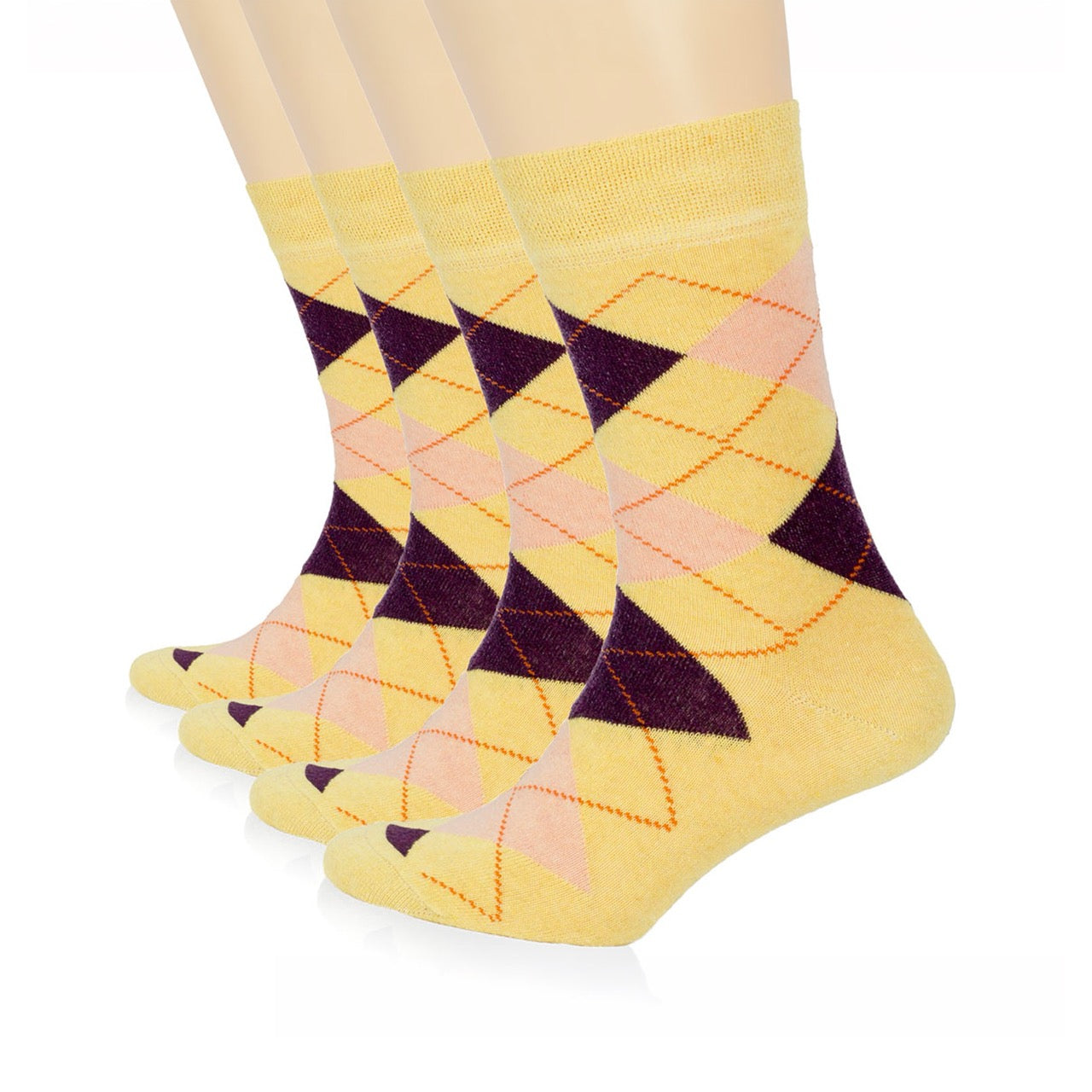
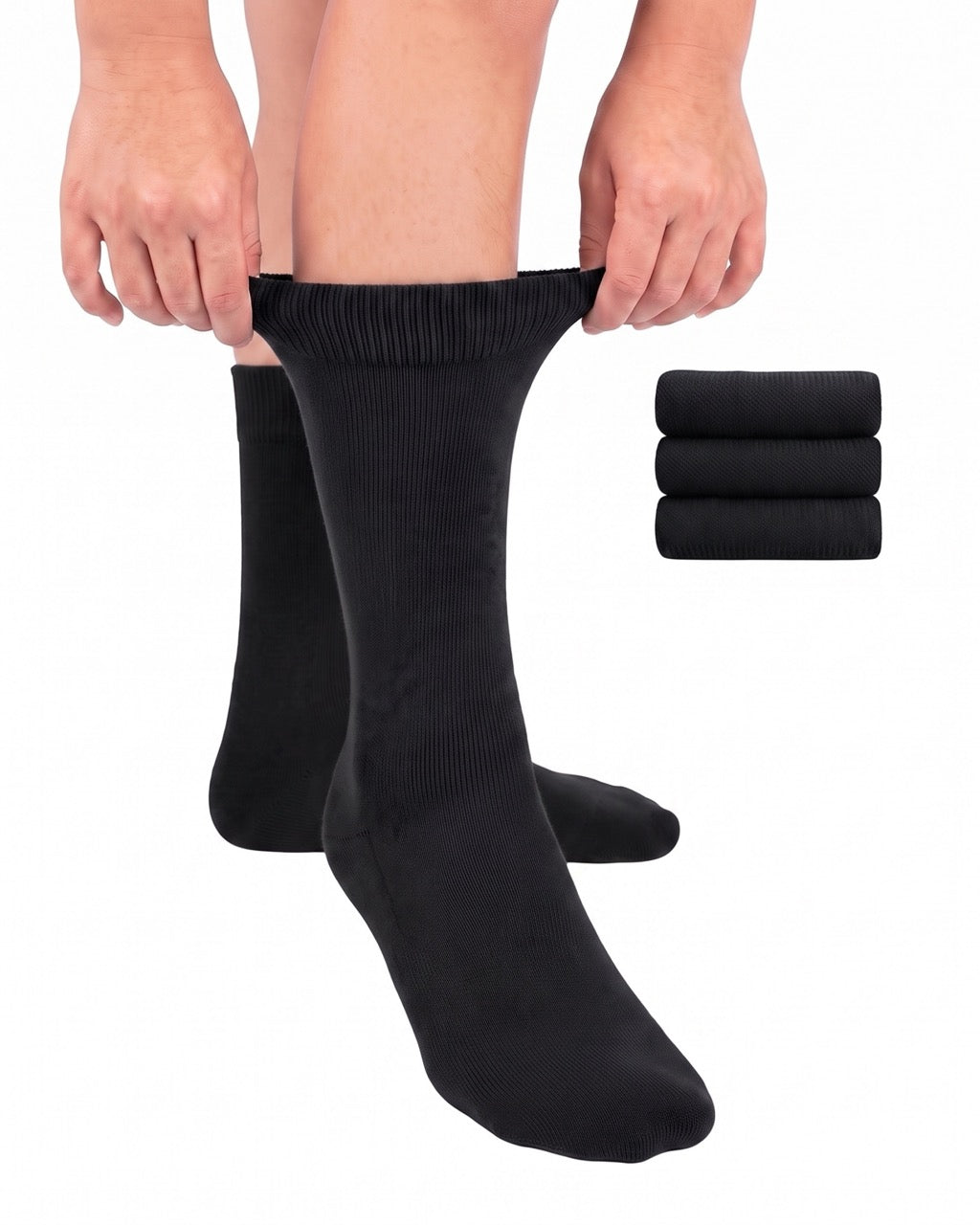
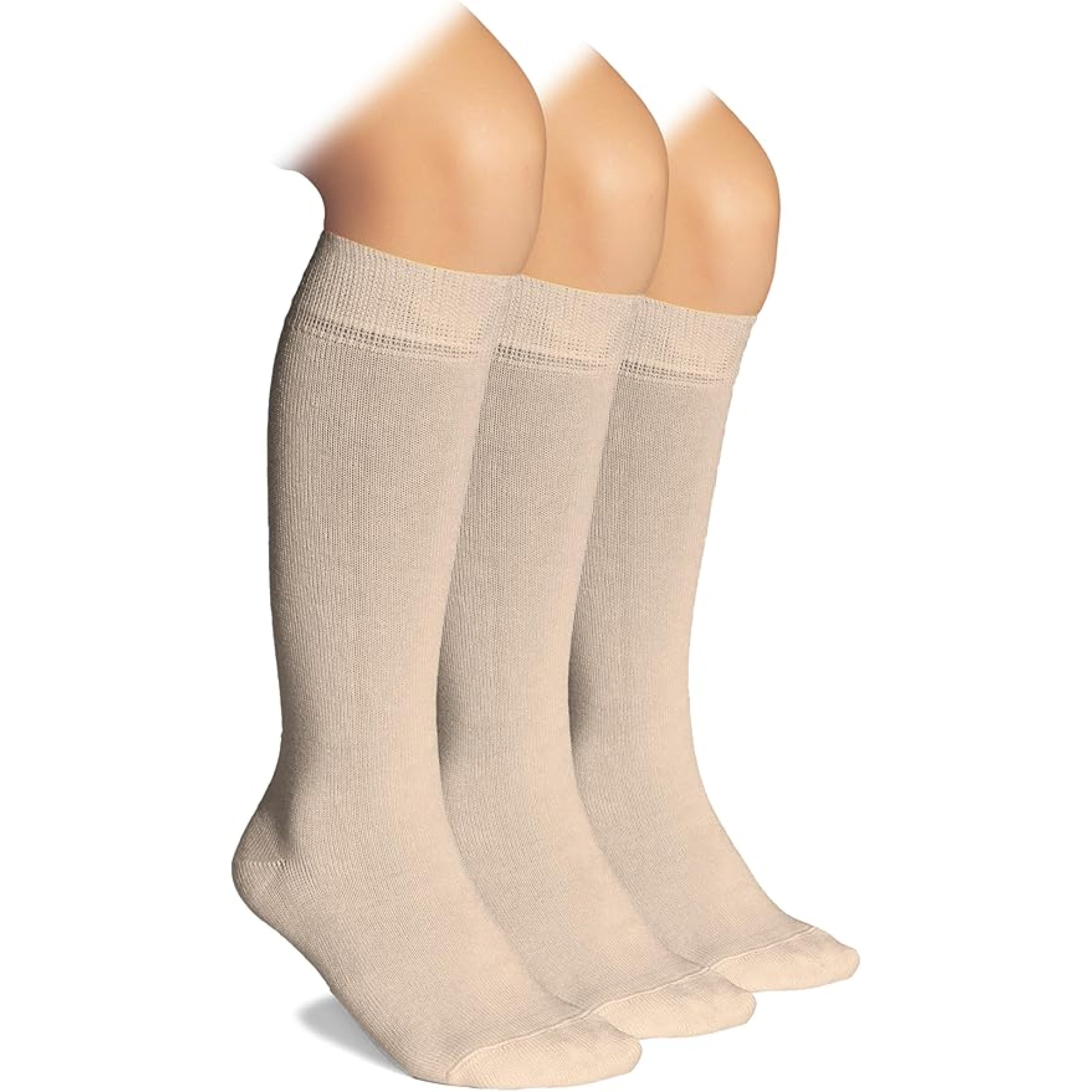


Socks should feel like a natural extension of your foot-not something you constantly notice or adjust. Yet many people struggle with socks that feel too tight, restrictive, or uncomfortable during the day. Whether it’s pressure around the calf, tightness across the foot, or discomfort after long hours, the wrong socks can negatively impact both comfort and foot health.
This guide explains how to choose socks that don’t feel tight or restrictive, while still offering the support, durability, and performance needed for everyday use.
To choose socks that don’t feel tight: focus on proper sizing, breathable materials like merino wool, balanced elasticity, and moisture-wicking properties. Avoid overly tight cuffs and low-quality fabrics that trap moisture and restrict movement.
Socks can feel restrictive for several reasons. Understanding these causes helps you make better choices.
Even regular socks can feel uncomfortable if they are not designed with comfort in mind.
The most important factor when you choose socks is fit. A sock that fits properly will feel secure without being restrictive.
If your socks leave deep marks on your skin, they are likely too tight.
Always check size charts instead of relying on “one size fits all.” Proper sizing ensures that socks stay comfortable and don’t restrict movement.

The materials used in socks determine how they feel over time.
Merino wool is one of the best materials for comfortable socks. It helps regulate temperature, allowing your feet stay warm in cold conditions and cool in warm weather.
Wool socks are also naturally flexible, reducing the chance of tightness.
Cotton socks are soft and comfortable, making them ideal for daily wear. However, they tend to absorb moisture instead of wick it away, which can lead to discomfort during long hours.
Synthetic fibers are often used to improve elasticity and durability. They help socks maintain their shape and prevent them from becoming too tight over time.
One of the most overlooked factors in sock comfort is moisture.
Socks with strong moisture wicking properties help:
When your feet stay dry, socks feel lighter and less restrictive throughout the day.
Socks should adapt to your environment, especially during long hours or outdoor activities.
High-quality materials:
This balance is essential for avoiding discomfort caused by heat or sweat.
Modern socks include features that improve comfort and reduce tightness.
Non-binding cuffs are designed to hold socks in place without squeezing the leg. This reduces pressure and improves circulation.
Arch support helps distribute pressure evenly across the foot. This reduces strain and makes socks feel more comfortable over time.
Socks should stretch naturally with your movement. Balanced elasticity ensures they stay in place without feeling restrictive.
The right sock depends on how you plan to use it.
For everyday use, choose socks that offer breathability and flexibility. These should feel light and comfortable for extended wear.
For outdoor activities, socks need to provide durability and moisture control. Materials like merino wool are ideal for these situations.
In warm weather, lightweight socks with strong moisture-wicking properties help prevent overheating and discomfort.
These mistakes can make even good socks feel tight and uncomfortable.
Proper care helps socks maintain their fit and comfort.
This helps preserve elasticity and prevents socks from becoming stiff or tight.
Wearing the wrong socks can impact your foot health. Tight socks may restrict movement, trap moisture, and increase discomfort.
Choosing comfortable socks helps:
The right socks protect your feet while keeping them comfortable throughout the day.
Choosing socks that don’t feel tight or restrictive comes down to fit, material, and design. The right pair should allow your feet to move naturally, stay dry, and remain comfortable for long hours.
By focusing on breathable materials like merino wool, ensuring proper sizing, and selecting socks with moisture-wicking properties and supportive features, you can avoid discomfort and enjoy better everyday comfort.
The best socks are the ones you barely notice—because they simply work.
This may be due to strong elastic bands or poor material quality that doesn’t stretch properly.
Merino wool and flexible blends are ideal because they regulate temperature and adapt to movement.
Yes, keeping feet dry reduces friction and makes socks feel more comfortable.
Cotton socks are comfortable but may retain moisture, making them less ideal for extended wear.
Choose the right size, look for breathable materials, and replace worn-out socks regularly.
He has been working for more than 20 years in the textile industry and has work experience in many parts of the world.