Cart
0
You may also like
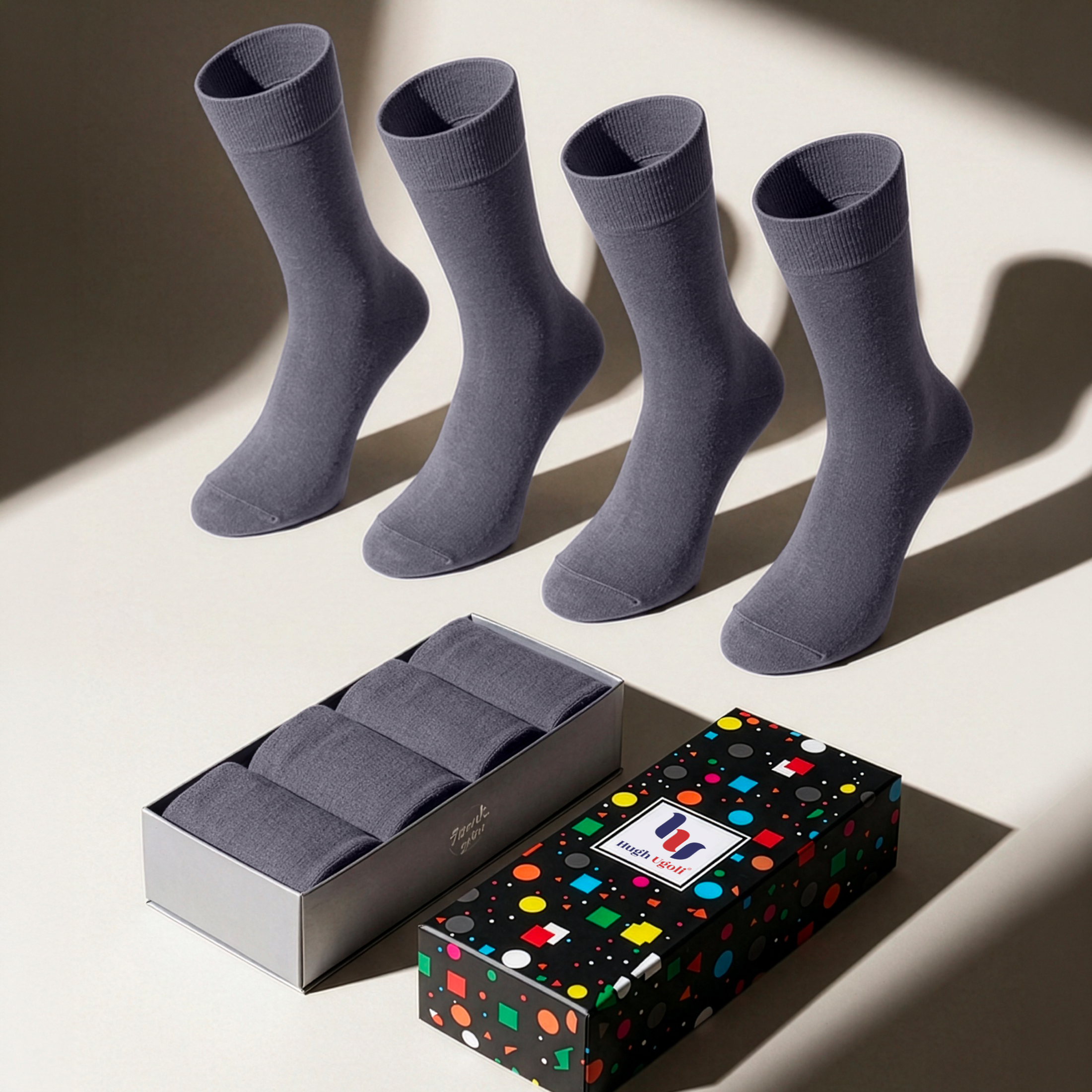
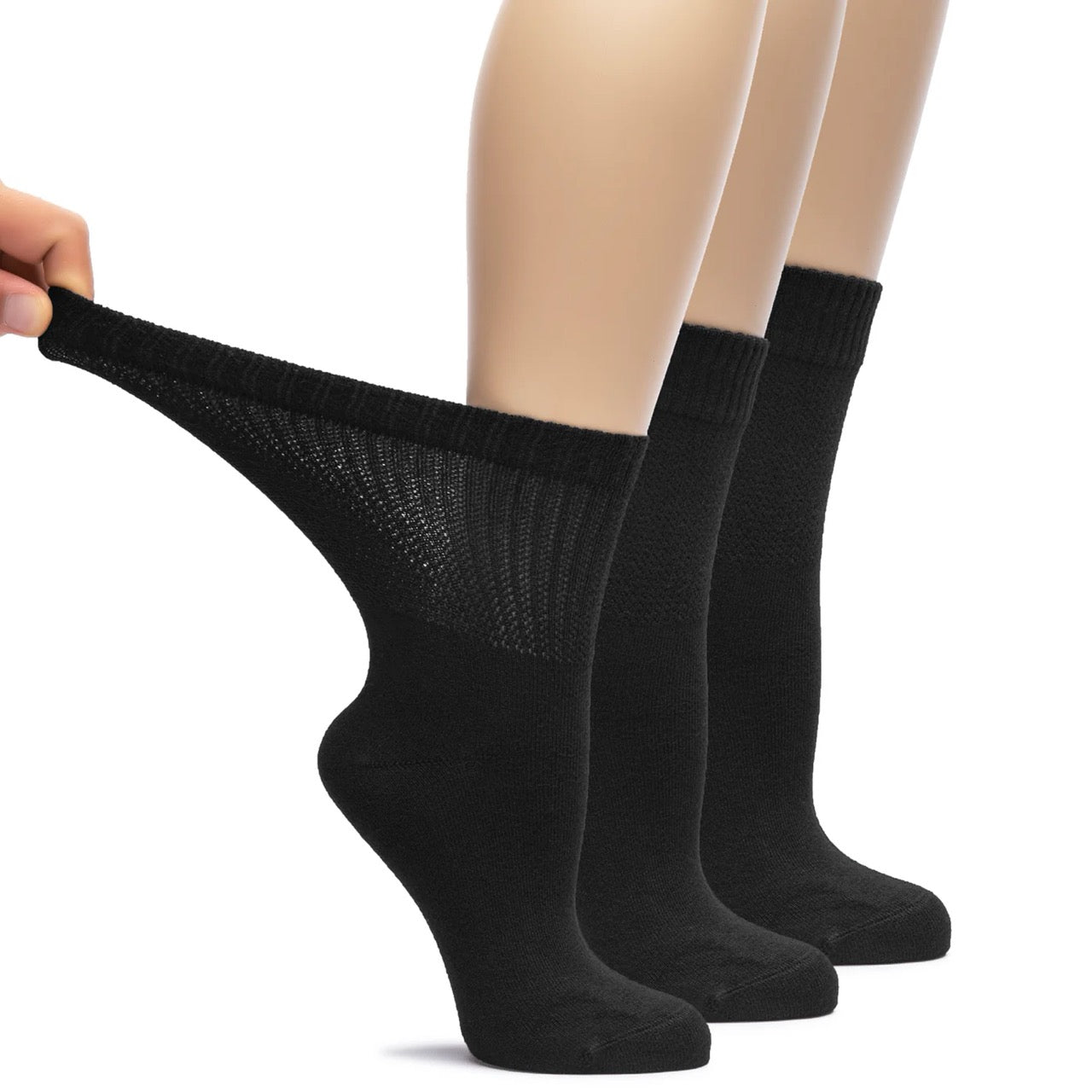
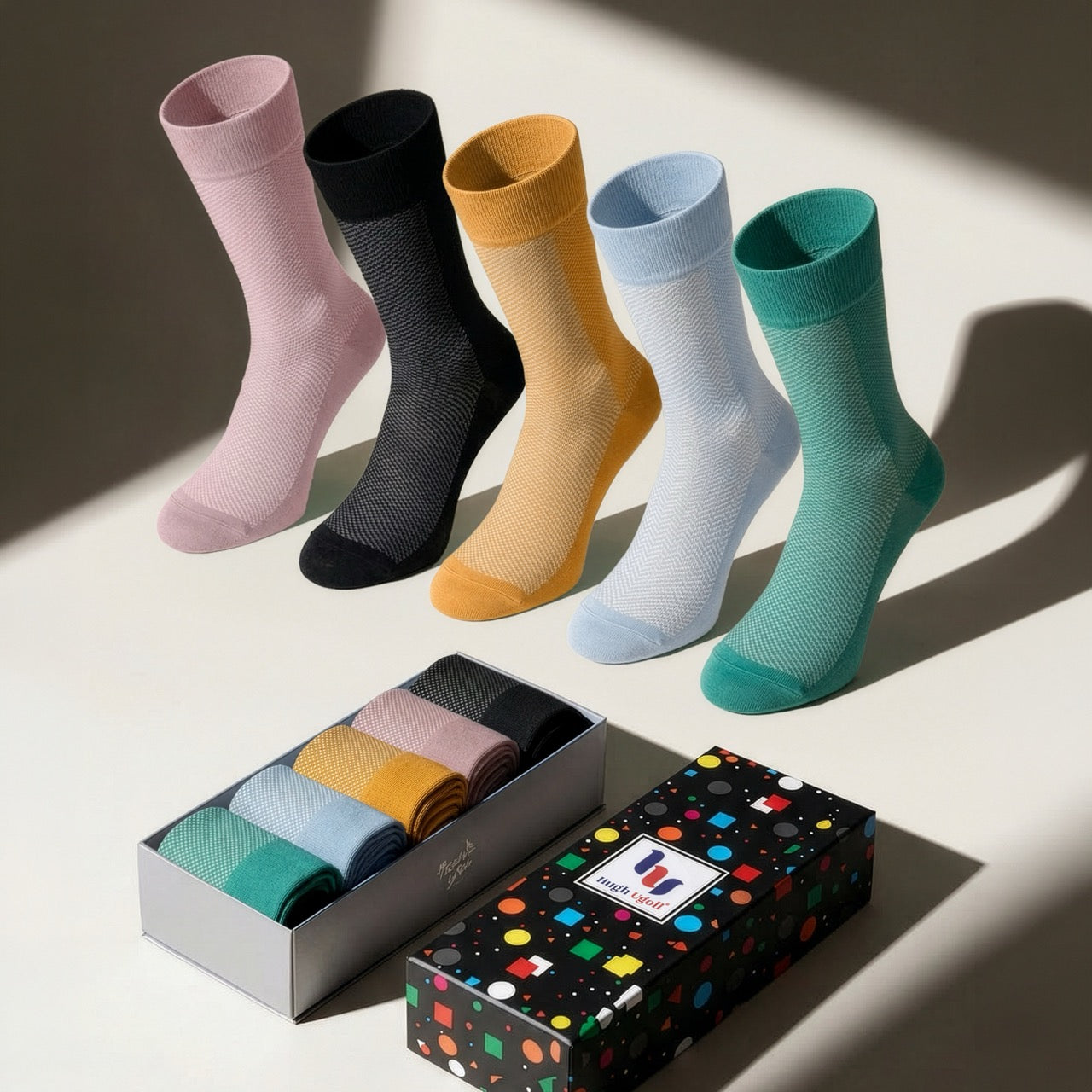
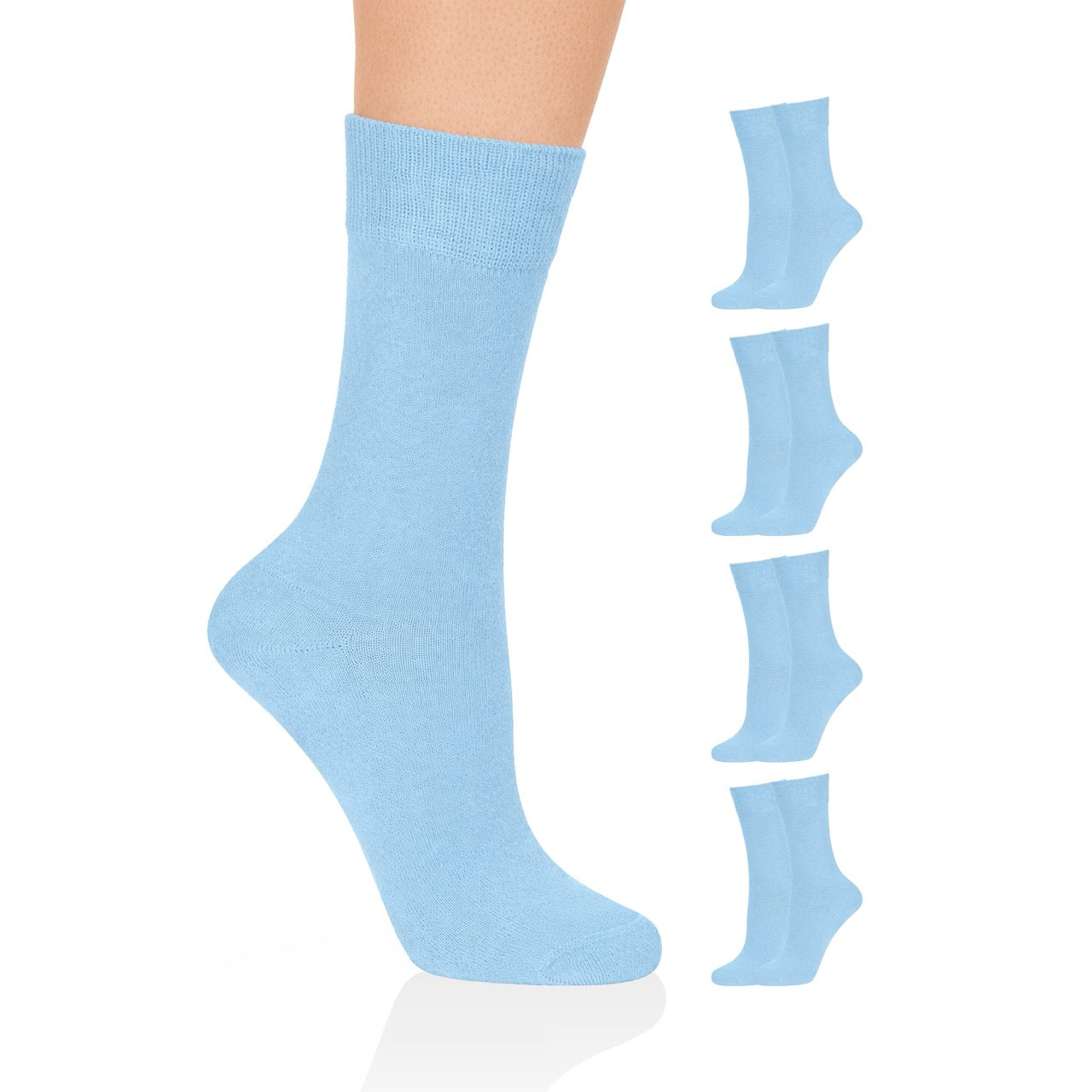
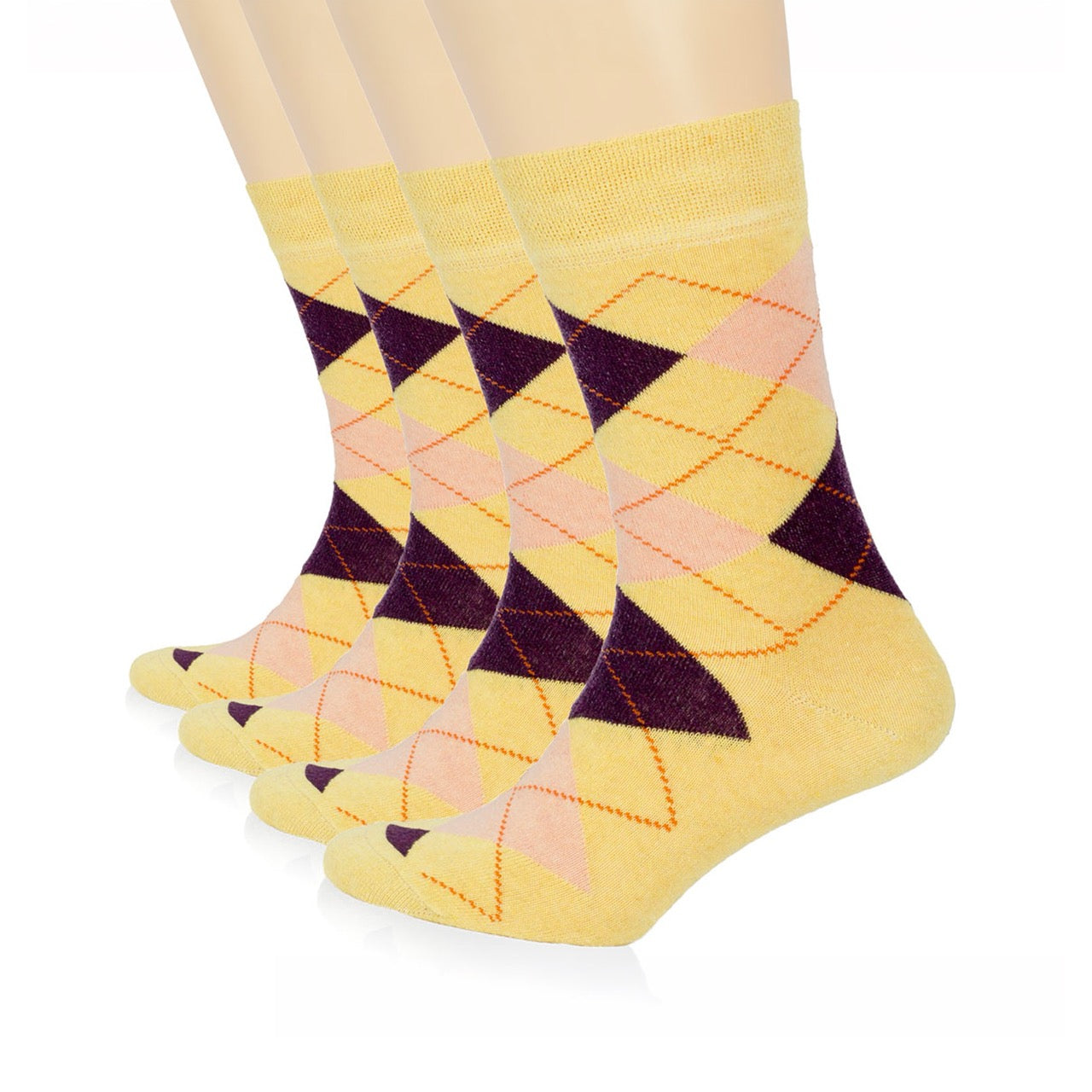
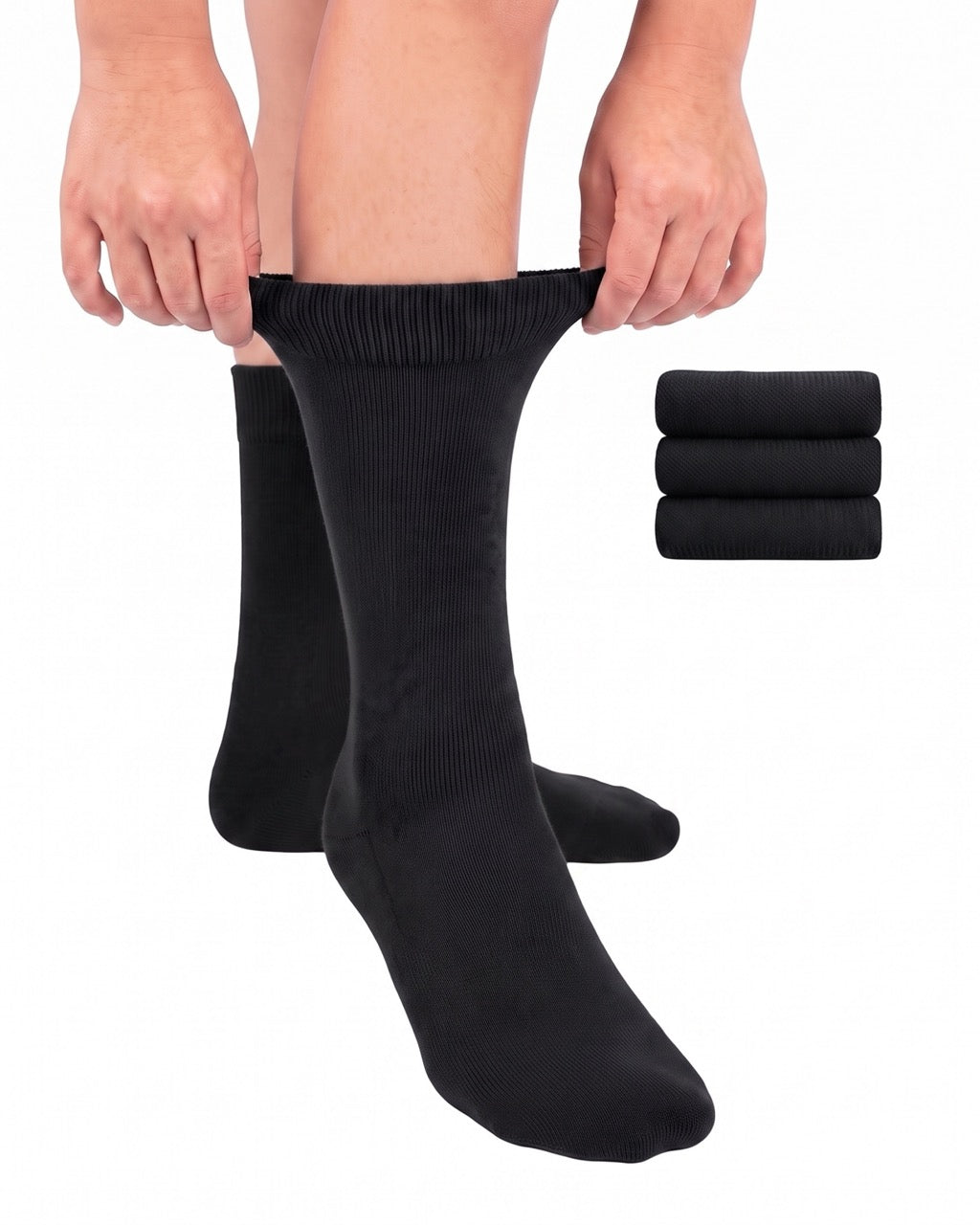


When you wear socks for long hours—whether at work, during travel, or throughout daily routines-comfort becomes more than a preference. It becomes essential. The wrong pair of socks can lead to discomfort, fatigue, and even foot health issues. On the other hand, the right pair can support your feet, keep them dry, and help you stay comfortable from morning to night.
So what actually makes a sock comfortable for long hours? The answer lies in a combination of materials, fit, structure, and performance features. This guide breaks down everything you need to know.
Comfortable socks for long hours keep feet dry, regulate temperature, reduce pressure points, and provide a secure fit. Look for moisture-wicking materials like merino wool, proper arch support, and reinforced construction.
When a sock is worn for extended periods, even small issues become noticeable. Tightness, moisture buildup, or poor fit can quickly turn into discomfort.
Comfortable socks are designed to:
Ignoring these factors can lead to fatigue, skin irritation, and even long-term foot health concerns.
The materials used in socks play the biggest role in how they feel over time.
Merino wool is one of the best materials for long-hour comfort. It naturally regulates temperature and helps keep feet dry by pulling moisture away from the skin.
This makes wool socks ideal for both warm and cool conditions. They keep feet warm when temperatures drop and breathable when it’s hot.
Cotton socks are soft and widely used for daily wear. While they offer everyday comfort, they tend to absorb moisture rather than wick it away.
For longer wear, cotton blends are often a better choice because they combine softness with improved performance.
Socks with strong moisture wicking properties help keep feet dry throughout the day. These materials wick moisture away from the skin, preventing sweat buildup.
Dry feet are essential for comfort, especially during long hours.

One of the biggest factors in sock comfort is moisture control.
When your feet stay dry:
Socks that wick moisture away from the skin help maintain a clean and comfortable environment for your feet.
Socks should help your feet adapt to different conditions.
High-quality materials like merino wool:
This balance is key for everyday comfort, especially during long days.
No matter how good the materials are, a sock that doesn’t fit properly will never feel comfortable.
A well-fitting sock should:
When a sock fits correctly, it supports the natural shape of your foot.
Poorly designed socks can create pressure points, especially around the toes, heel, and cuff.
These pressure areas can cause discomfort during long hours, so it’s important to choose socks designed to distribute pressure evenly.
Socks with arch support provide extra stability and reduce fatigue.
This feature helps:
For people who spend a lot of time standing or walking, arch support can make a noticeable difference.
Durability also contributes to comfort. Socks that wear out quickly lose their structure and become uncomfortable.
Look for socks with:
These features ensure the sock maintains its fit and performance over time.
Blisters are one of the most common issues during long wear.
Comfortable socks help with preventing blisters by:
Seamless or low-profile toe designs are especially helpful in minimizing irritation.
Dress socks should combine style with comfort. Look for thin but durable materials that maintain breathability and fit.
For daily wear, prioritize softness, breathability, and flexibility. Comfortable socks should adapt to different activities throughout the day.
For movement-heavy days, choose socks that provide moisture control, support, and durability.
The right socks materials determine how well the sock performs over time.
High-quality materials:
Investing in better materials results in better comfort and longer-lasting socks.
Avoiding these mistakes helps ensure your socks remain comfortable throughout the day.
Proper care helps socks retain their comfort features.
Maintaining your socks ensures they continue to perform well over time.
Comfortable socks for long hours are defined by a combination of factors: materials, fit, moisture control, and support. From merino wool socks that regulate temperature to cotton socks designed for everyday comfort, the right choice can transform how your feet feel throughout the day.
By focusing on proper fit, high-quality materials, and features like arch support and reinforced construction, you can find socks that provide lasting comfort and support your foot health.
The best socks are the ones you forget you’re wearing—because they keep your feet comfortable, dry, and supported all day long.
Material and fit are the most important. They determine how the sock feels and performs over time.
Yes, merino wool socks are excellent because they regulate temperature and keep feet dry.
Cotton absorbs moisture, so blends or moisture-wicking options are better for long wear.
They reduce friction, keep feet dry, and provide a smooth surface against the skin.
Yes, arch support improves stability and reduces fatigue during long hours.
He has been working for more than 20 years in the textile industry and has work experience in many parts of the world.