Cart
0
You may also like
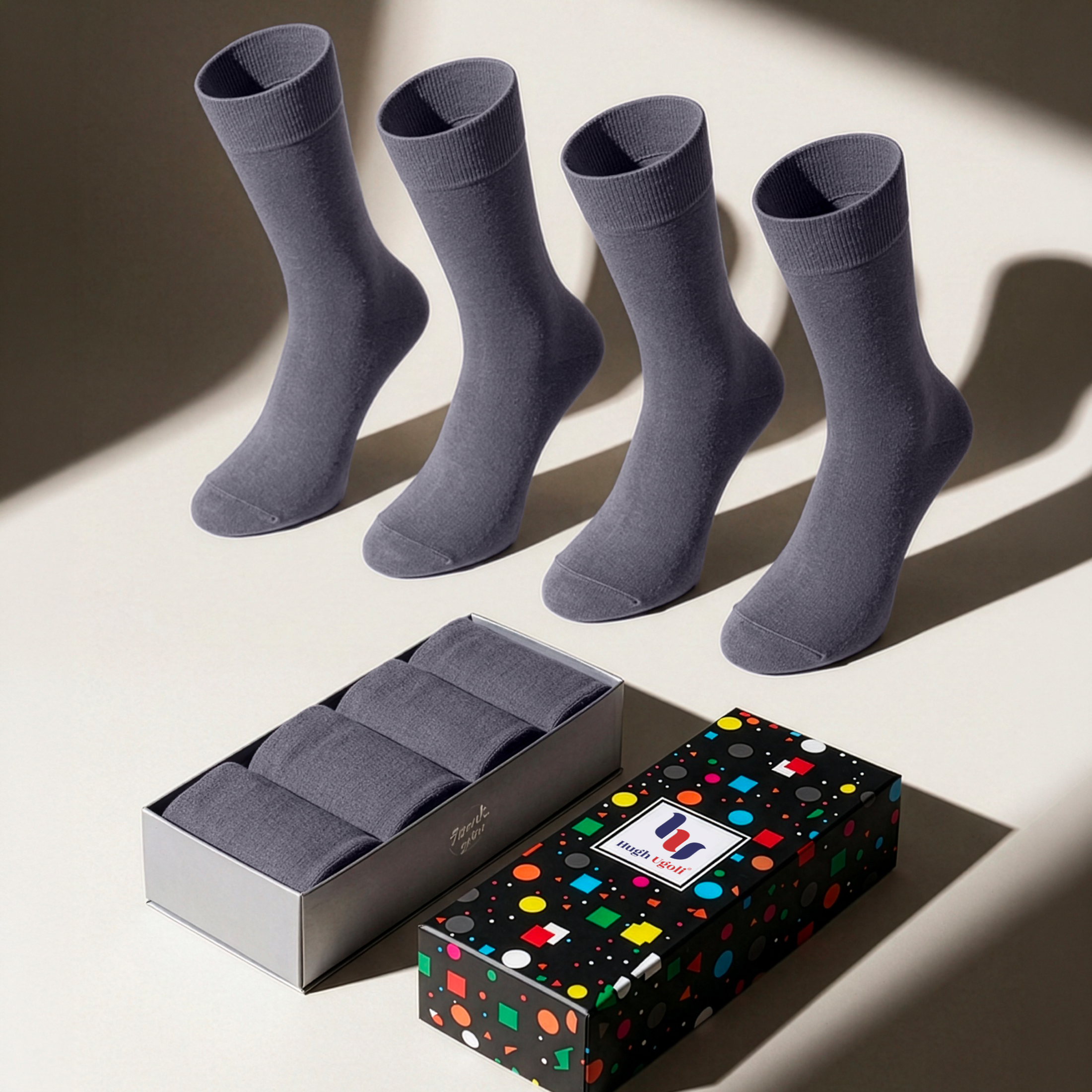
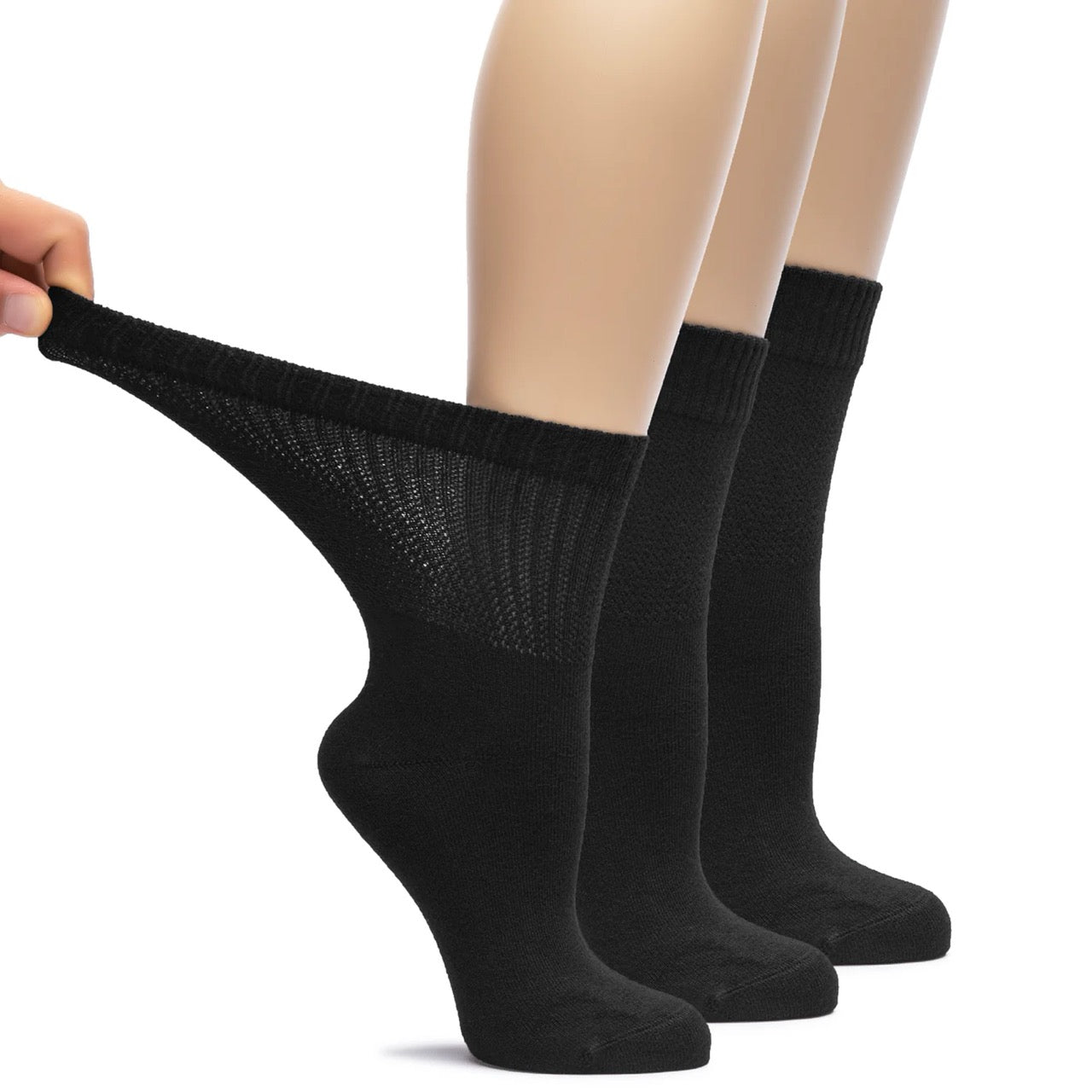
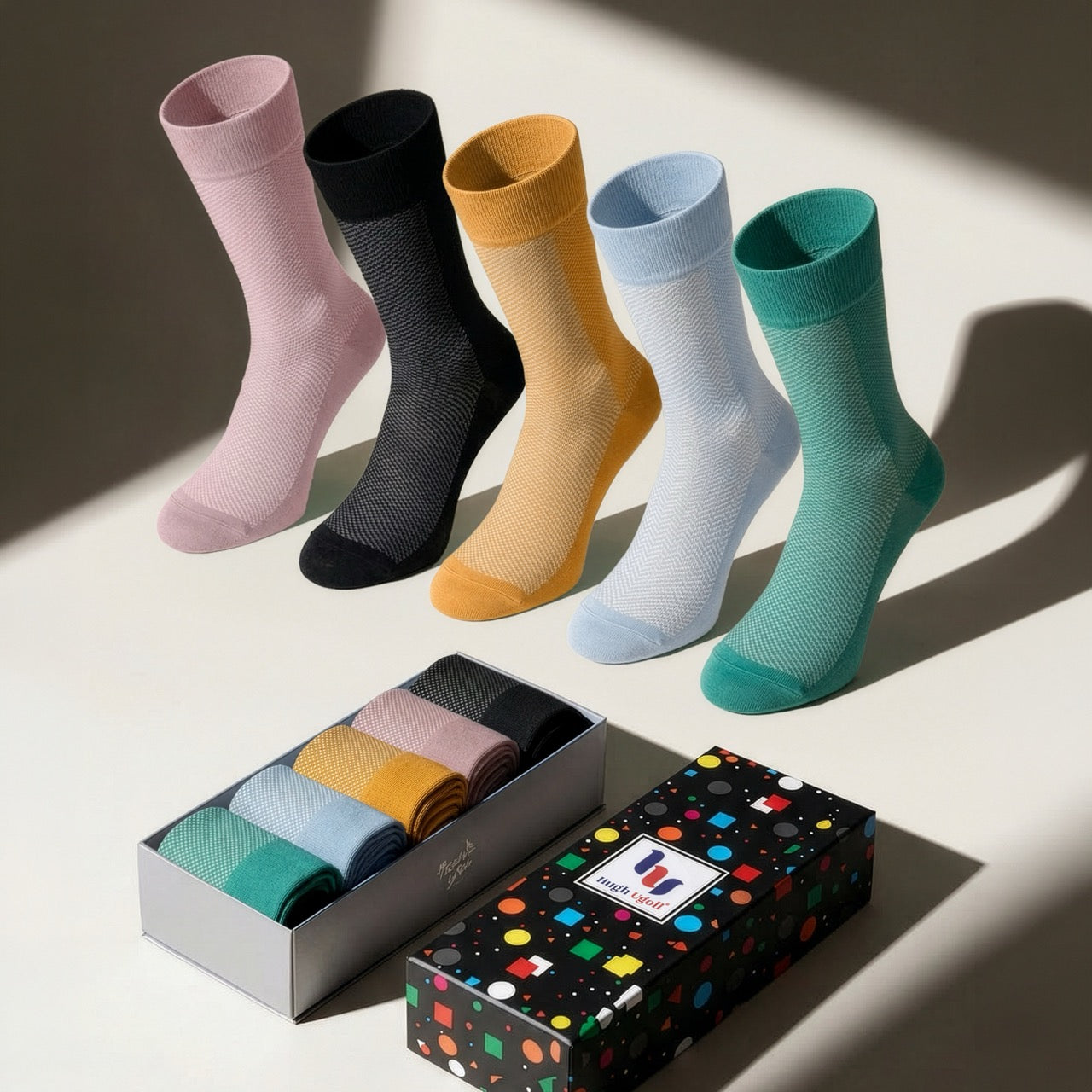
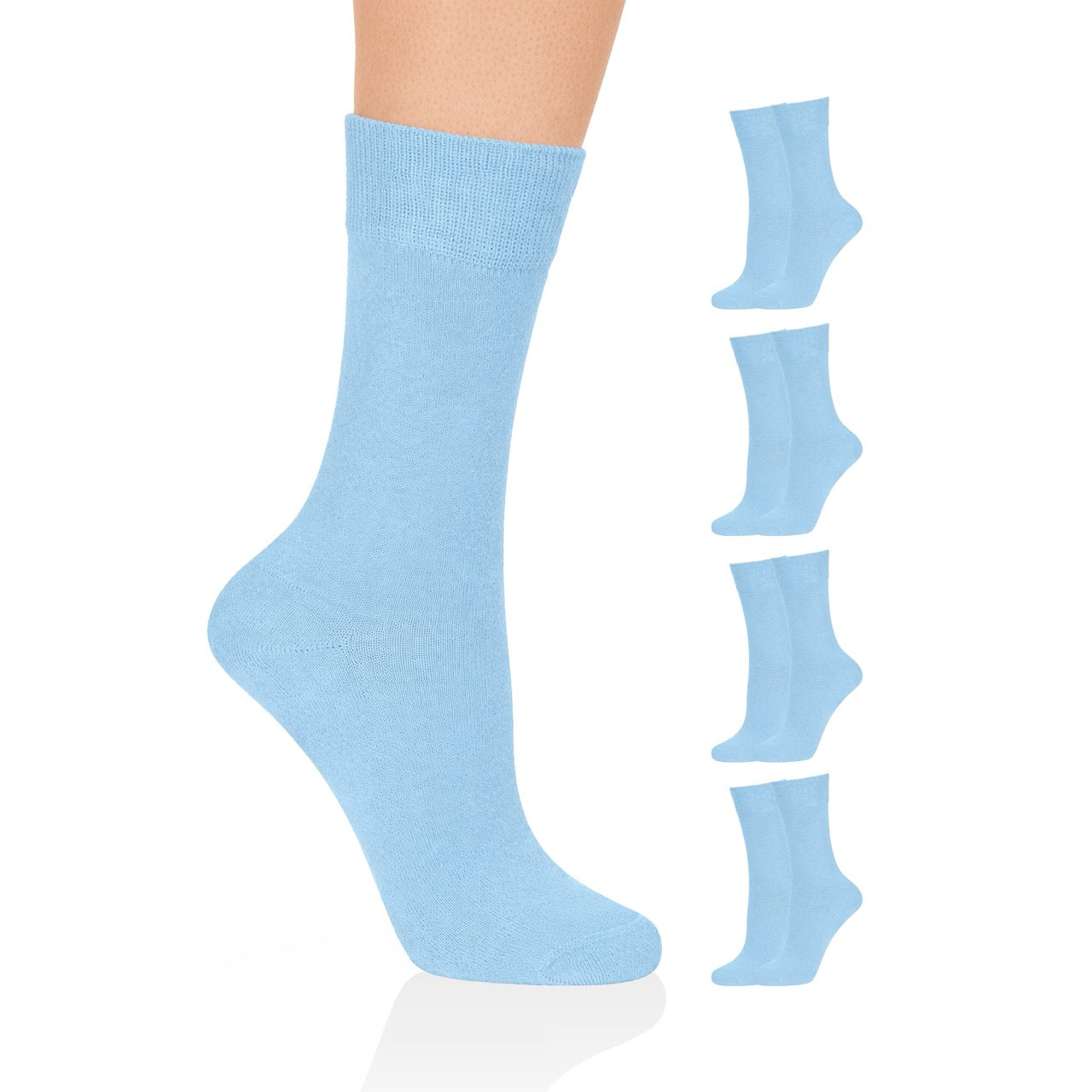
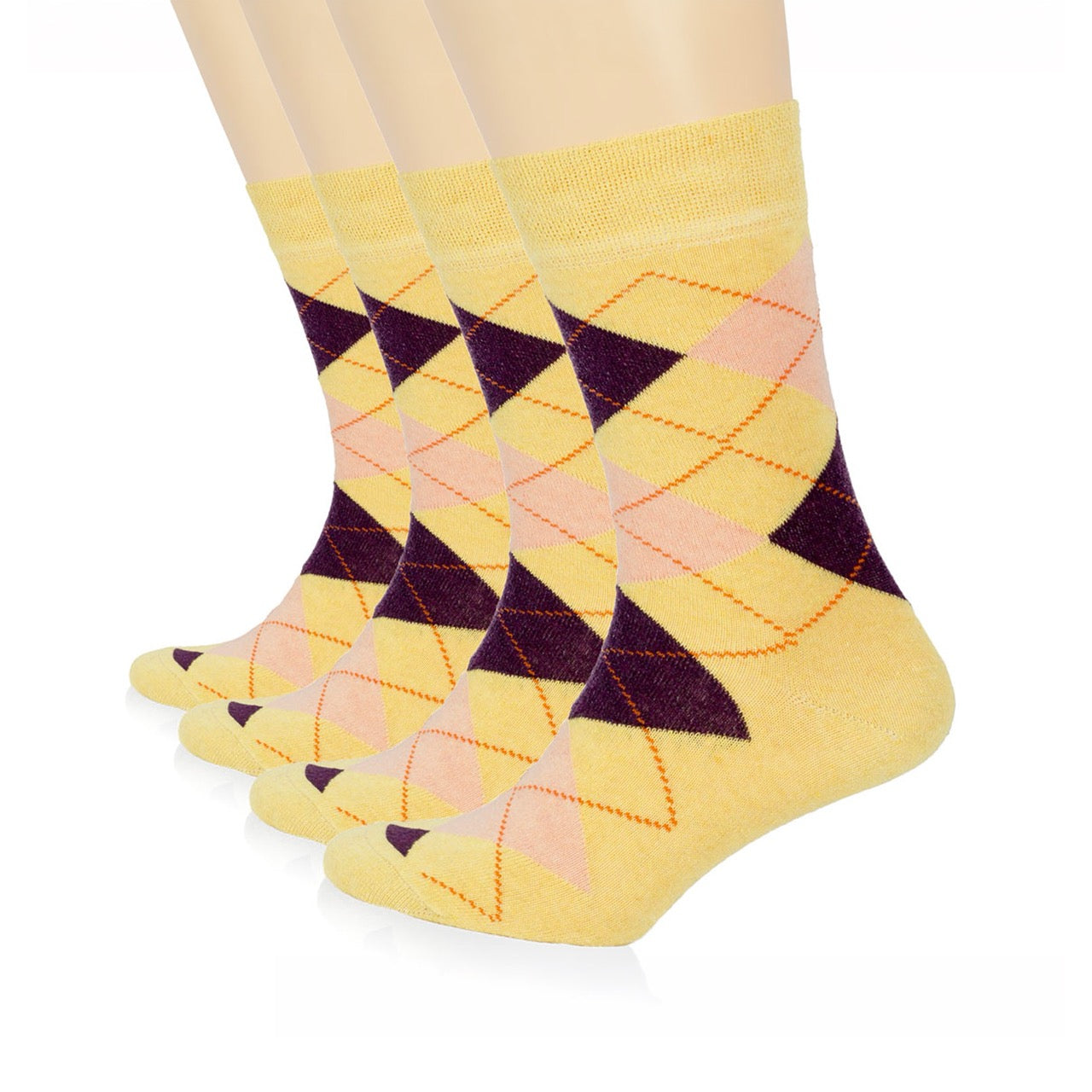
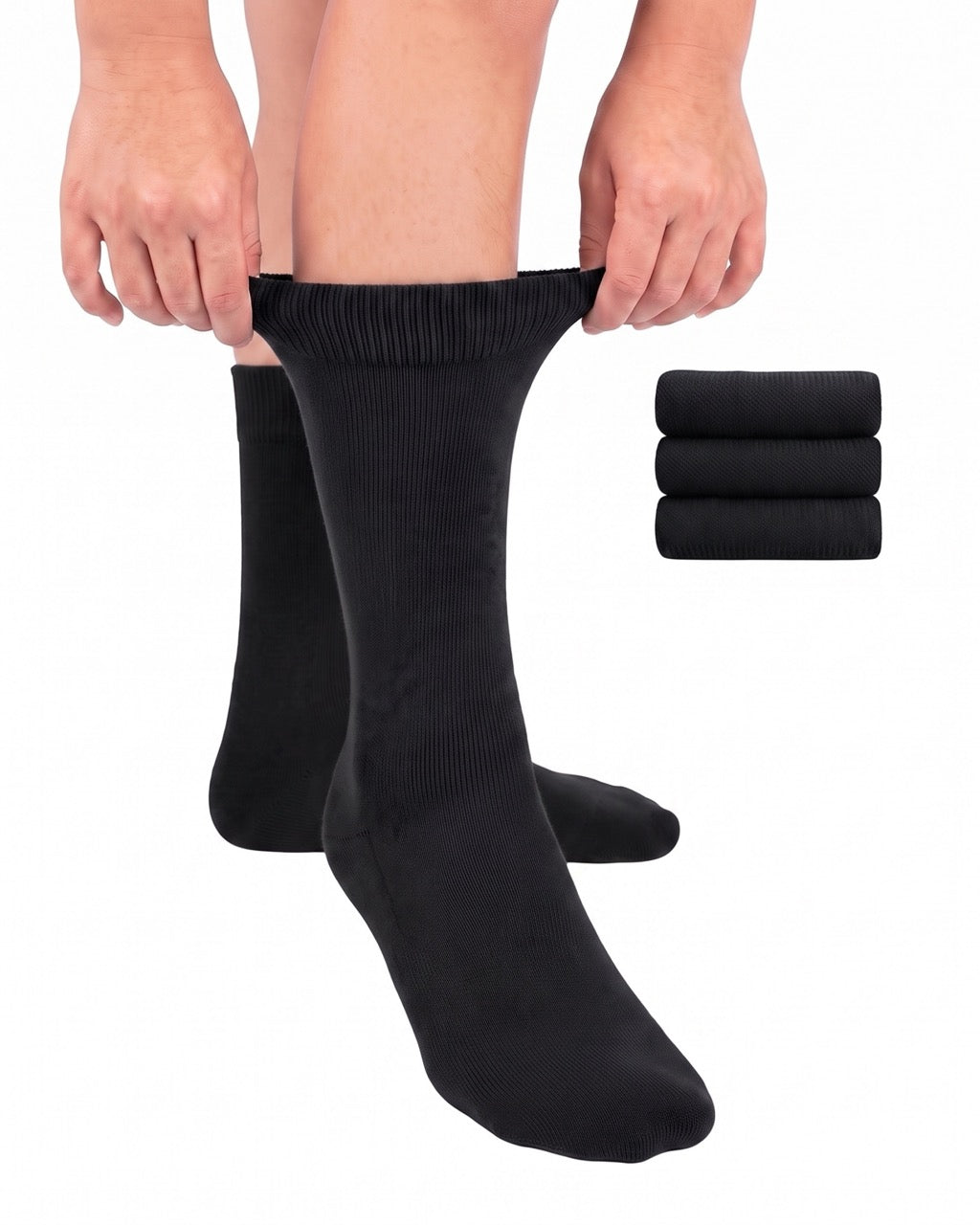
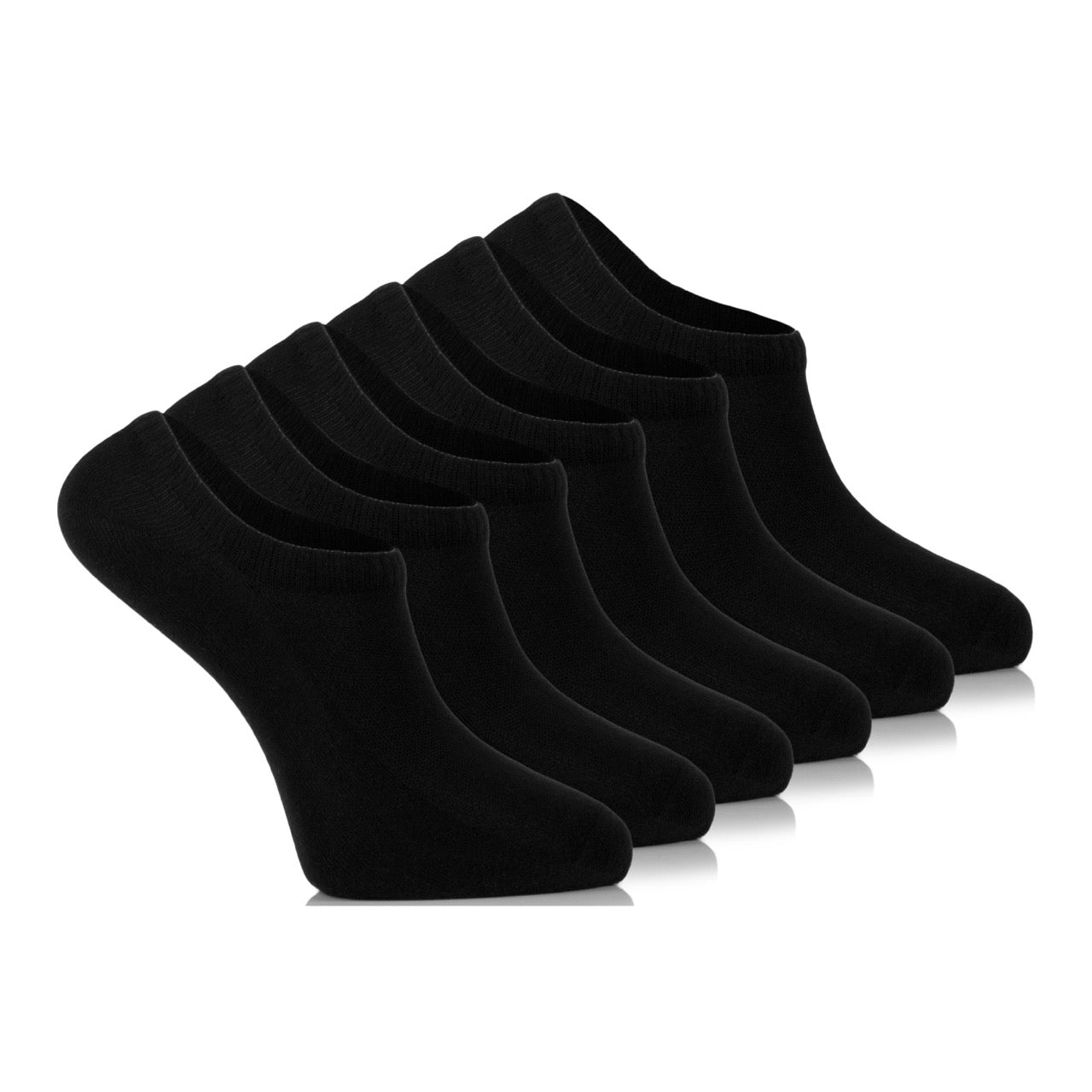
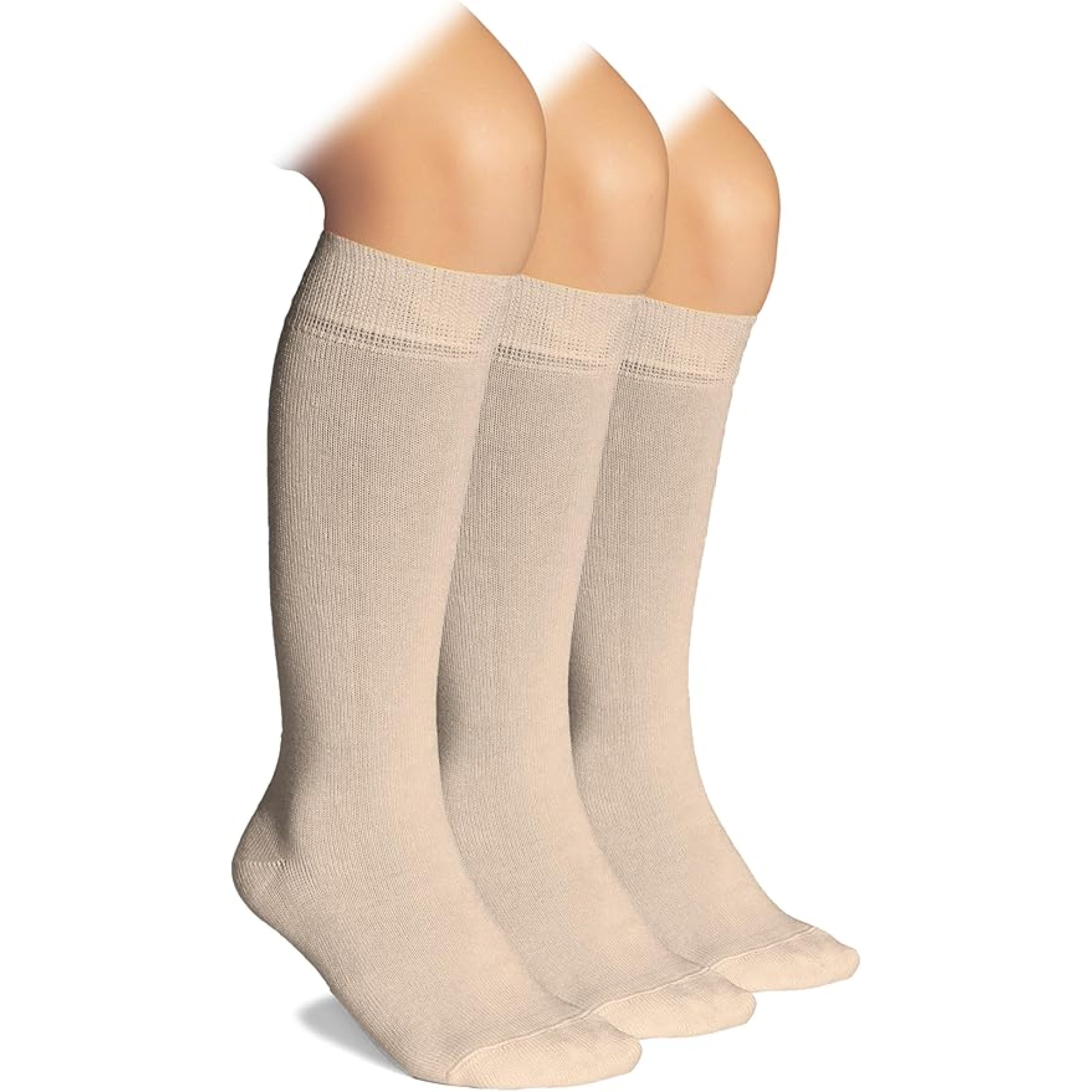


Finding the perfect pair of women’s calf socks can feel like a balancing act. You want a sock that stays in place, offers support, and keeps your feet comfortable-without that annoying tightness around the calf. The good news is that modern sock design makes this possible with the right materials, fit, and structure.
Whether you’re dressing for work, casual outings, or long days on your feet, choosing the right calf sock can completely change how your feet feel. This guide explains how to find comfortable socks for women that provide a perfect fit without pressure.
The best women’s calf socks: Use breathable natural fibers, have a balanced elastic cuff (non-binding), proper sock height, and moisture-wicking performance. They should stay in place without squeezing your calf.
A calf sock sits between ankle socks and knee-high styles, typically reaching mid-calf. This sock height provides more coverage than ankle socks while remaining lighter and more versatile than taller options.
Common variations include:
This range of styles makes calf socks one of the most practical choices for daily wear.
Many women avoid calf socks because of discomfort around the leg. This usually comes down to a few key issues:
These factors can lead to discomfort, visible marks, and even restricted circulation. The goal is to find socks that stay up without squeezing.

Choosing the right sock height is essential for comfort and function.
Calf socks provide:
Compared to ankle socks, calf socks are less likely to slip. Compared to knee-high socks, they feel lighter and less restrictive.
The materials used in socks play a major role in comfort, breathability, and fit.
Natural fibers like cotton and wool are known for their softness and breathability.
These materials allow your feet to breathe and reduce irritation.
Socks that focus on wicking moisture help keep your feet dry, especially if you deal with sweaty feet. Dry feet mean less friction and more comfort throughout the day.
Moisture-wicking socks also tend to be more odor resistant, improving overall wear experience.
Not all socks are created equal. The right design details can make a big difference.
A sock is built with comfort in mind when it uses a non-binding top. These cuffs hold the sock in place without creating pressure on the calf.
Good socks offer balanced elasticity. They stretch enough to fit comfortably but return to shape without squeezing.
High-quality calf socks include reinforced heel and toe areas. This helps maintain shape and durability over time.
Understanding how calf socks compare to other types helps you choose the right option.
For most situations, calf socks strike the best balance between comfort and function.
When selecting socks for women, think about how you plan to use them.
Choose comfortable socks made from breathable materials. These should feel soft, flexible, and easy to wear all day.
If you spend long hours standing or walking, look for socks that offer extra support and moisture control.
Calf socks can also act as show socks, adding personality through subtle colors or patterns while still delivering comfort.
Many people focus on style, but true comfort is what defines a great sock.
A well-designed calf sock should:
When these elements come together, you truly feel comfort with every step.
Avoiding these mistakes helps you find socks that stay comfortable and last longer.
Even the best socks need proper care to maintain their performance.
Taking care of your socks ensures they continue to offer comfort and support.
Women’s calf socks are one of the most versatile and comfortable options for daily wear. When designed correctly, they offer the perfect balance of coverage, support, and breathability—without feeling tight.
By choosing high-quality materials like cotton socks or merino wool socks, focusing on proper sock height, and selecting designs with non-binding cuffs, you can find the perfect pair that stays in place all day.
The right socks don’t just fit—they enhance how your feet feel from morning to night.
No, well-designed calf socks use non-binding cuffs and flexible materials to stay comfortable without pressure.
Natural fibers like cotton and merino wool offer softness, breathability, and temperature control.
Calf socks provide more coverage and are less likely to slip, making them ideal for daily wear.
Choose socks with non-binding tops and ensure you are wearing the correct size.
Yes, moisture-wicking and breathable materials help keep feet dry and reduce odor.
He has been working for more than 20 years in the textile industry and has work experience in many parts of the world.