Cart
0
You may also like
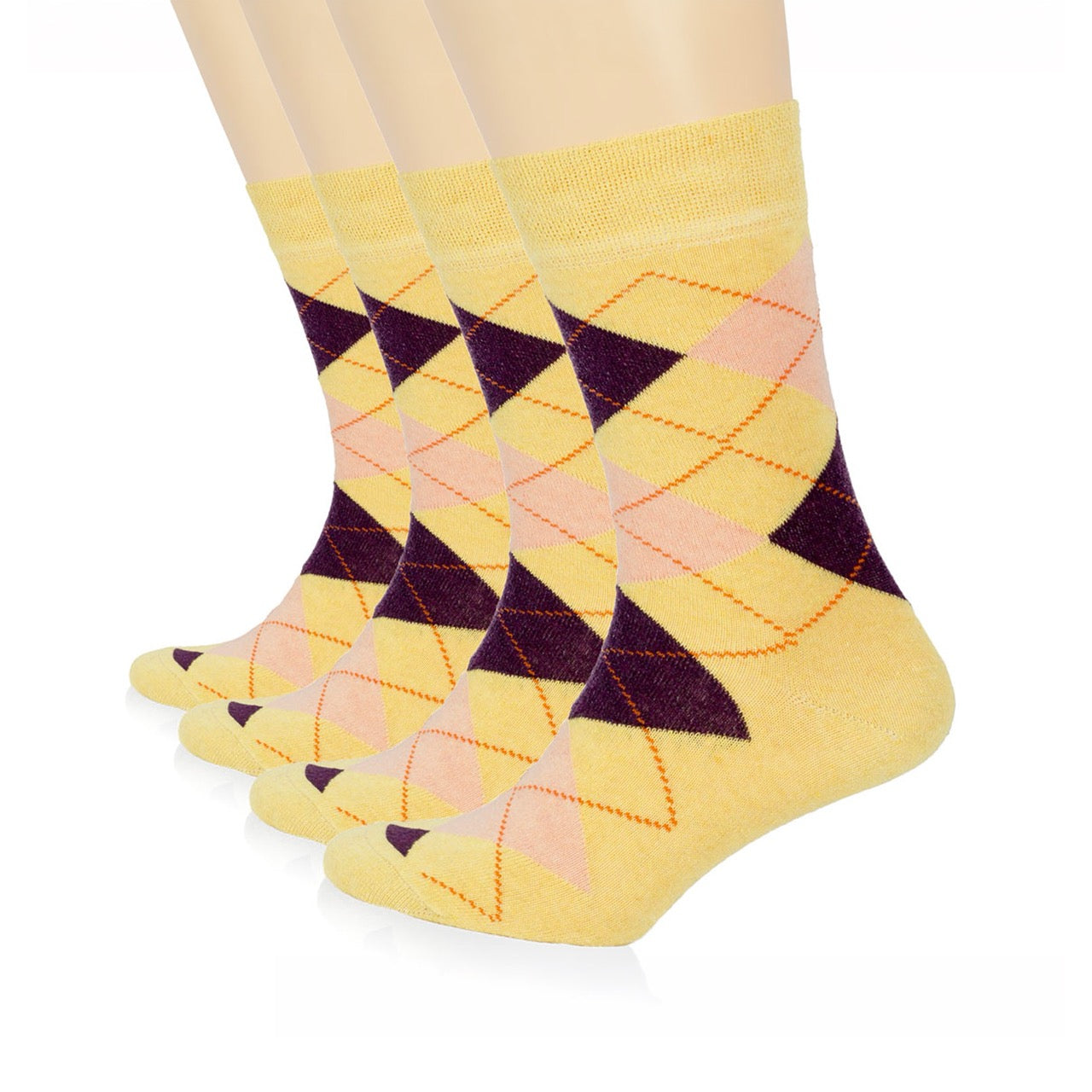
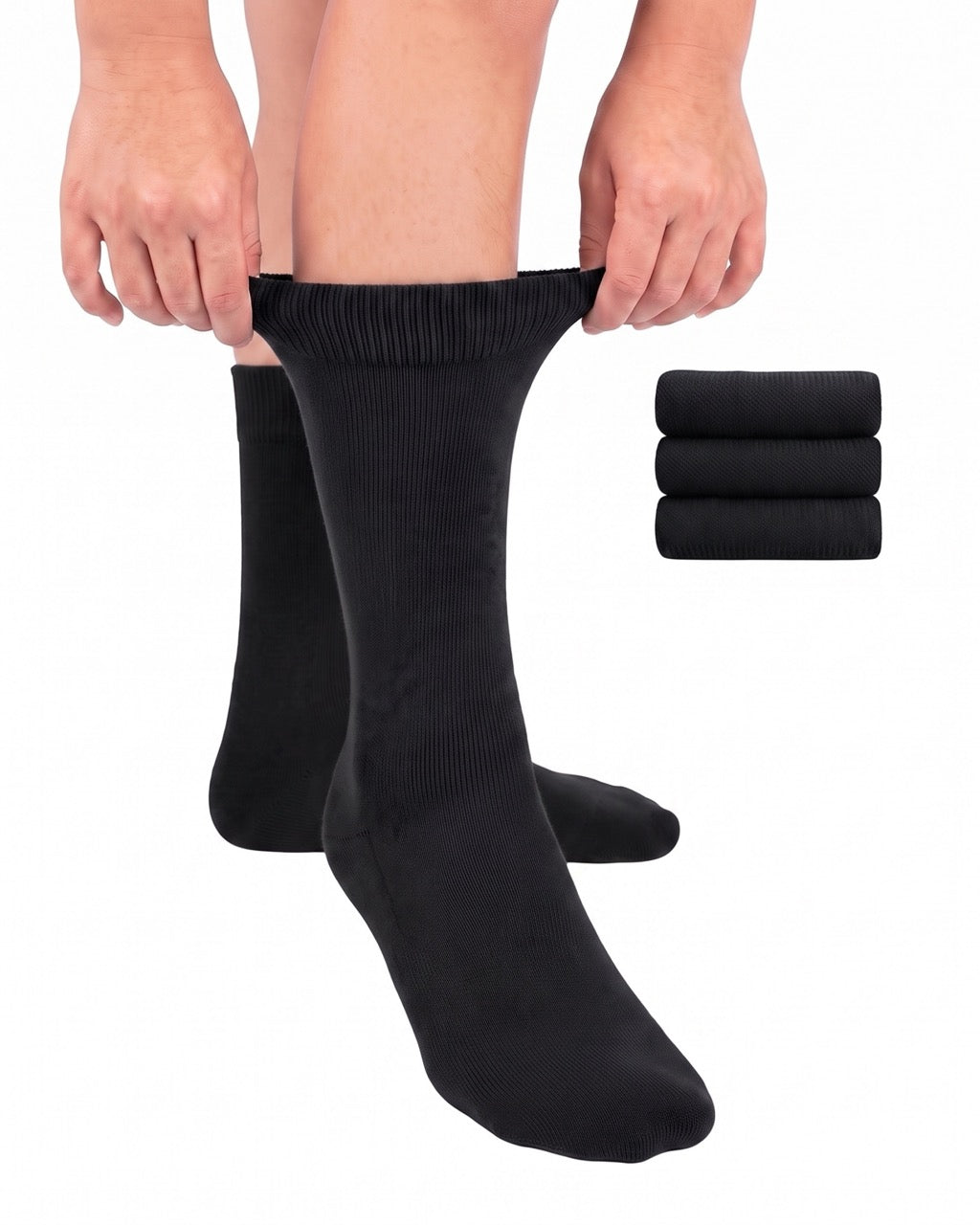
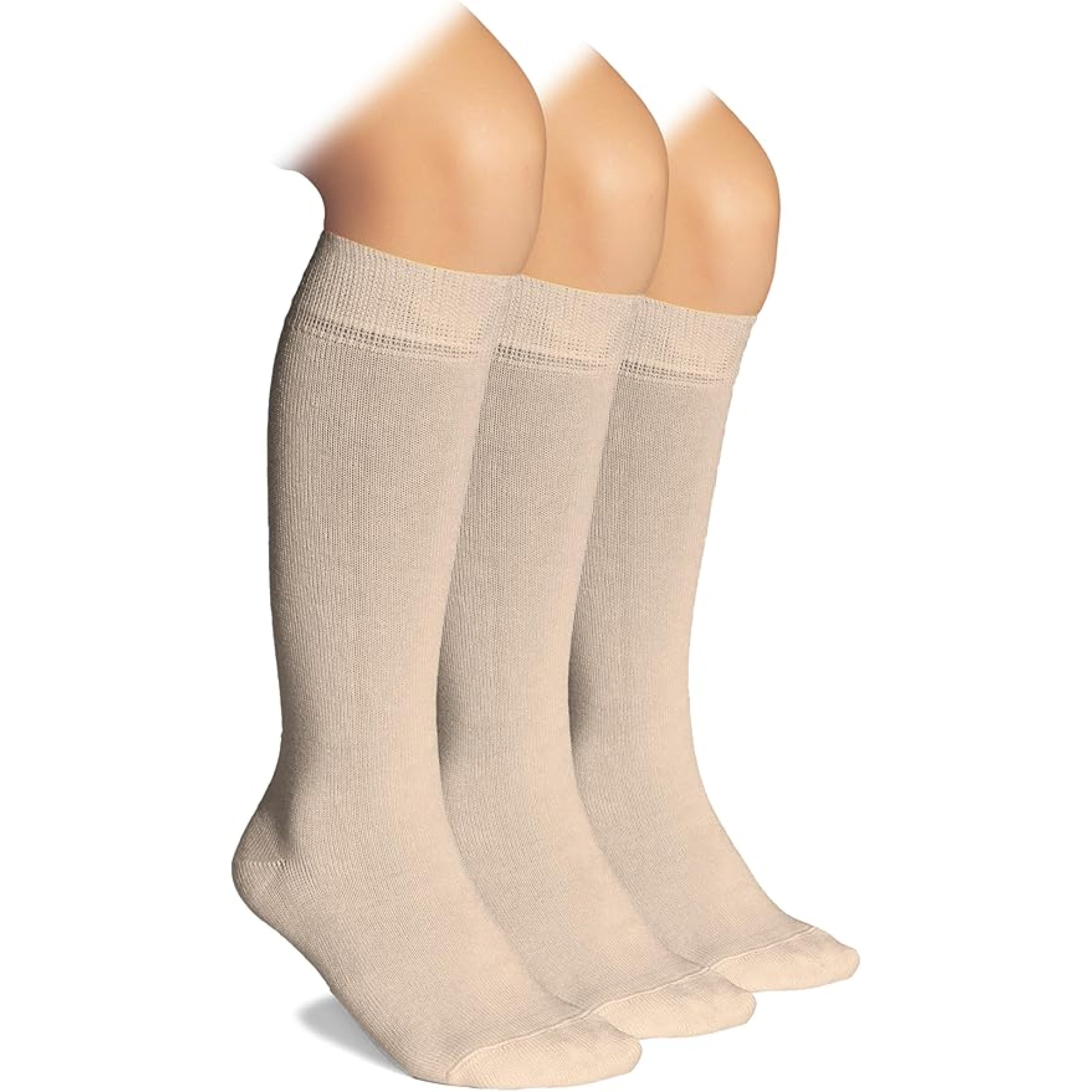


Quick Answer: A truly breathable sock manages moisture, regulates temperature, and allows airflow. The best breathable socks wick moisture, keep feet dry, and use advanced sock materials designed for moisture control and long-term comfort.
When it comes to comfort, breathability is one of the most misunderstood features in socks. Many assume thin fabric automatically means better airflow. In reality, true breathability depends on how well a sock handles moisture, supports temperature balance, and prevents sweaty feet throughout the day.
If you spend long hours in dress shoes, sneakers, or boots, the right pair of breathable socks can dramatically improve comfort. To understand what makes a sock genuinely breathable, we need to look at moisture management, fiber technology, and structural design.
Your feet contain thousands of sweat glands. During normal daily activity, they naturally produce moisture. Without proper ventilation and moisture control, sweat accumulates inside your shoes.
This can lead to:
Breathable socks help keep feet dry by managing moisture before it becomes a problem. The goal is not simply airflow—but balanced moisture regulation.
True breathability starts with moisture wicking properties. A high-quality sock must wick moisture and pull sweat away from the foot. This process involves pulling moisture away from the skin and dispersing it through the fabric so it can evaporate.
When socks wick moisture effectively, they:
Moisture control is essential for all-day wear. Without it, even the most stylish sock will feel uncomfortable.

The materials used in breathable socks directly determine performance. Not all fabrics handle moisture the same way.
Cotton absorbs moisture efficiently—but that is not always a benefit. While cotton feels soft, cotton absorbs moisture and holds it rather than releasing it quickly. This can leave feet damp for extended periods.
For short wear in mild conditions, cotton can feel comfortable. However, for long days or warm environments, 100 cotton socks may struggle to keep feet dry.
Merino wool socks are widely recognized for their ability to regulate temperature. Unlike traditional wool, merino fibers are fine and breathable.
They offer:
Merino wool socks excel in moisture control. They can absorb vapor while still feeling dry to the touch, making them ideal for extended wear.
Modern breathable socks often incorporate synthetic fibers such as polyester and nylon. These materials are engineered specifically for moisture performance.
Polyester and nylon are hydrophobic, meaning they resist absorbing water. Instead of holding moisture, they move it outward. This allows the fabric to dry quickly.
High-performance socks use synthetic fibers to wick moisture efficiently and maintain structure throughout the day.
Temperature regulation is as important as moisture removal. When sweat evaporates too slowly, heat builds up inside shoes.
Breathable socks help regulate temperature by:
The right combination of fibers ensures that socks offer cooling in summer and warmth in winter without trapping excess heat.
Breathability is not only about fiber content. Construction matters.
Ventilated zones, mesh panels, and lightweight weaving improve airflow. Even thicker socks can remain breathable if designed with strategic ventilation.
A well-constructed sock will:
This structural design contributes significantly to long-term comfort.
Many assume thinner socks equal better airflow. However, ultra-thin socks made from low-quality fibers may lack proper moisture control.
Without effective moisture wicking properties, sweat remains trapped—even in lightweight fabric. True breathable socks balance thickness, fiber technology, and airflow channels.
Sweaty feet are common, especially during long workdays or travel. Breathable socks are essential for maintaining comfort.
To maximize results:
Combining moisture wicking socks with breathable footwear enhances overall moisture control.
Both natural fibers and synthetic fibers offer benefits.
Natural fibers, such as merino wool, provide natural antimicrobial properties and temperature regulation.
Synthetic fibers, including polyester and nylon, excel at rapid moisture movement and durability.
Many modern breathable socks blend these materials to optimize performance.
When evaluating sock materials, look for:
A quality breathable sock should feel comfortable immediately—and remain comfortable after hours of wear.
Even the best sock materials cannot compensate for poor fit. Socks that are too tight restrict airflow. Socks that are too loose bunch up, increasing friction.
A properly fitted sock enhances breathability by maintaining even fabric distribution across the foot.
Lightweight merino wool socks or synthetic blends help regulate temperature in leather dress shoes.
Moisture wicking socks reduce discomfort during extended sitting and walking.
Breathable socks with mesh zones promote feet cooling and prevent overheating.
Breathability is not about thinness alone. It is about moisture management, temperature regulation, and intelligent construction.
The best breathable socks keep feet dry by pulling moisture away from the skin, regulating heat, and supporting airflow. Whether crafted from merino wool socks, advanced synthetic fibers like polyester and nylon, or thoughtful blends, the right pair enhances all-day comfort.
When chosen carefully, breathable socks offer more than ventilation—they provide balance, protection, and confidence from morning to evening.
A truly breathable sock manages moisture, allows airflow, and helps regulate temperature so feet stay drier and more comfortable throughout the day.
No. Thin socks are not always more breathable. Breathability depends more on moisture management, fiber type, and knit structure than on thickness alone.
Not always. Cotton absorbs moisture well, but it tends to hold onto it longer, which can leave feet damp and less comfortable during extended wear.
Merino wool, performance synthetic blends, and well-designed mixed fabrics are often the best options because they wick moisture, regulate temperature, and dry quickly.
Moisture wicking helps move sweat away from the skin, reducing dampness, friction, odor, and overheating inside shoes.
He has been working for more than 20 years in the textile industry and has work experience in many parts of the world.