Cart
0
You may also like
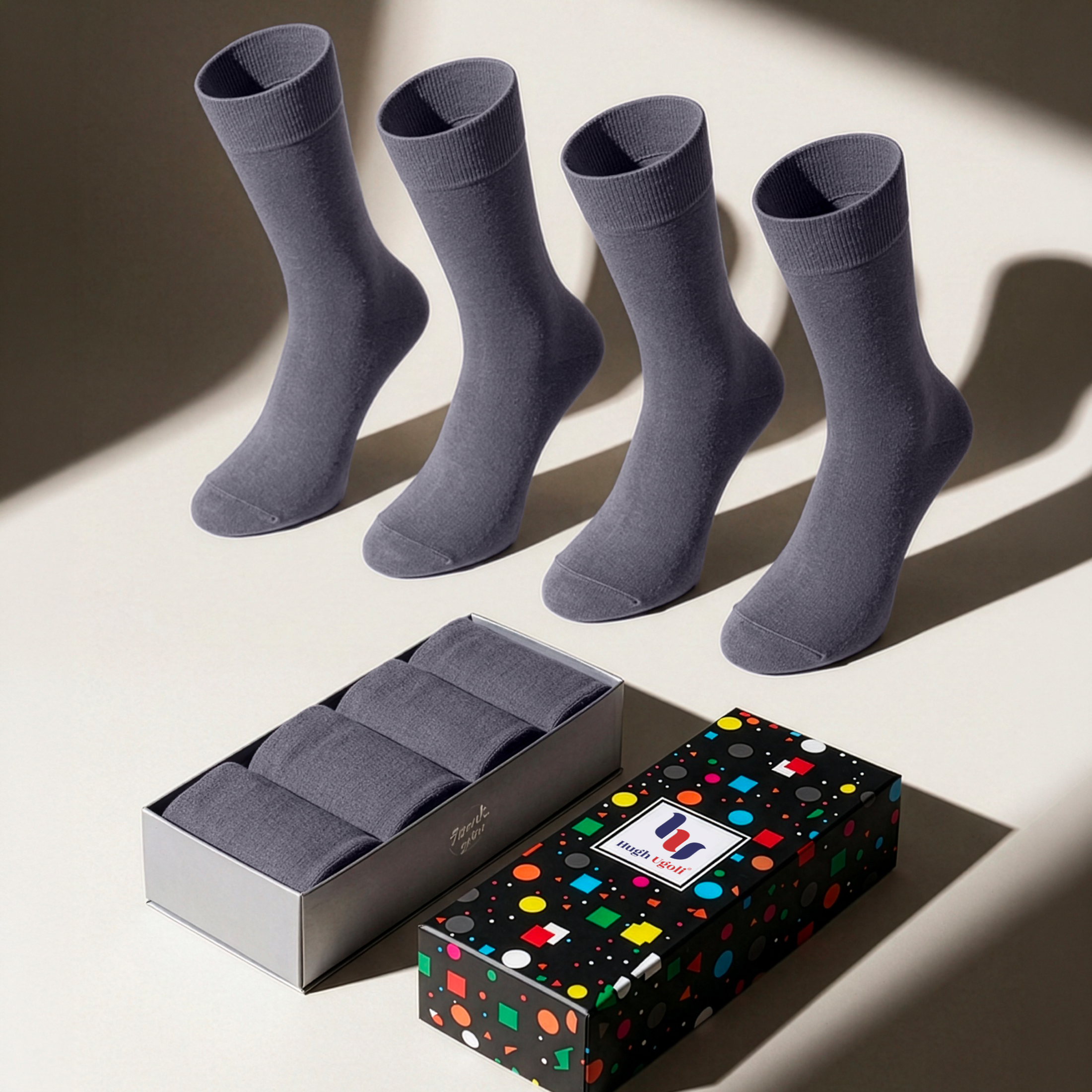
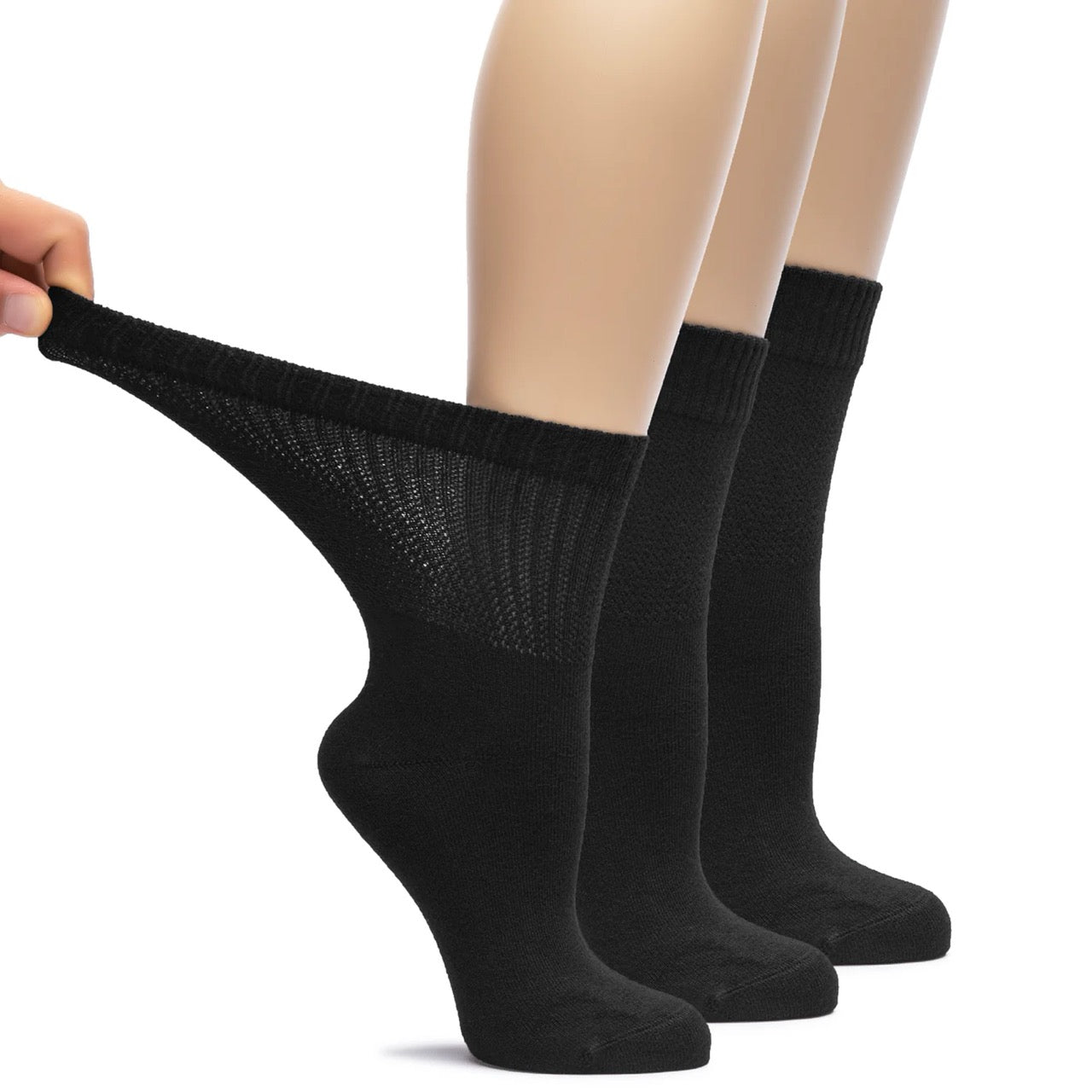

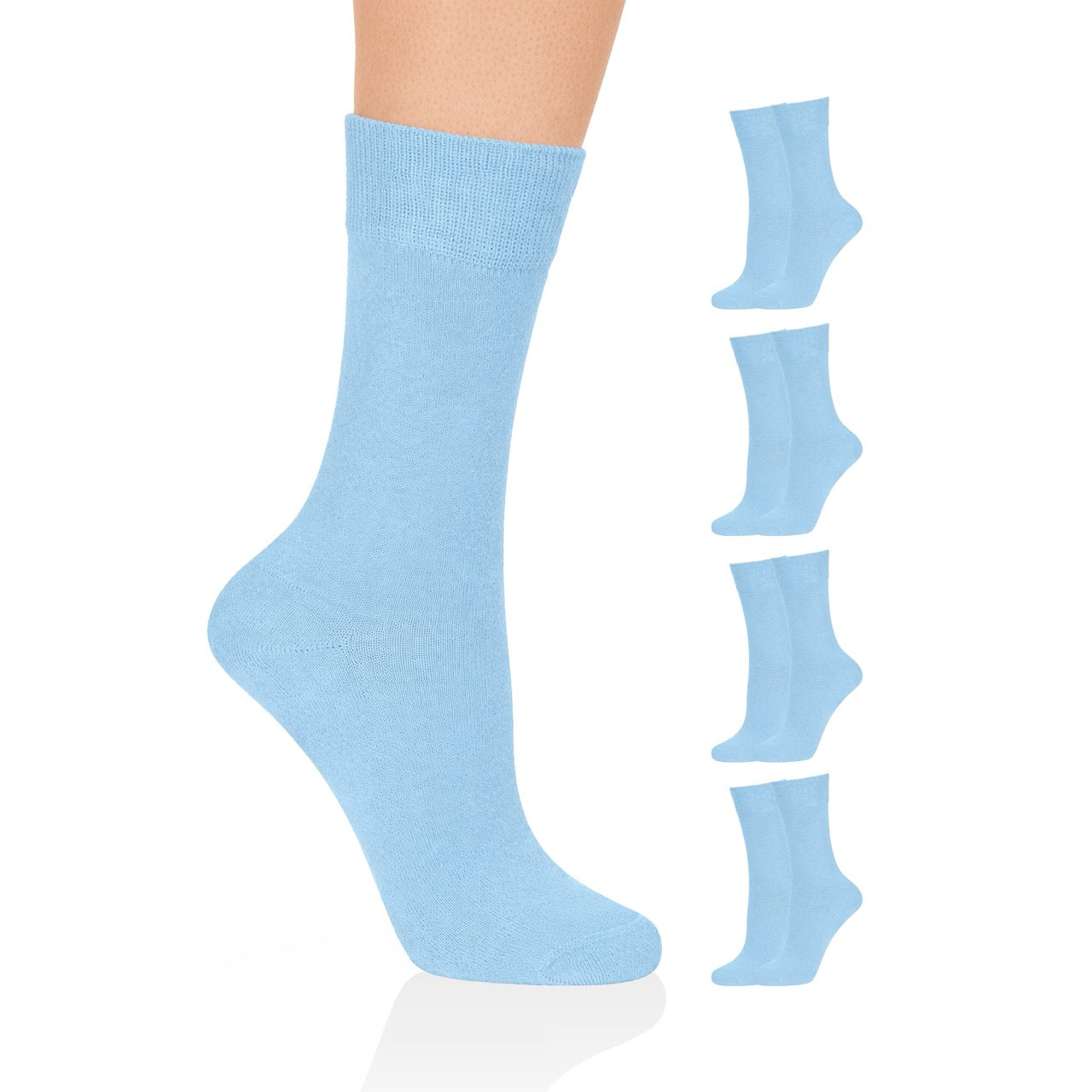
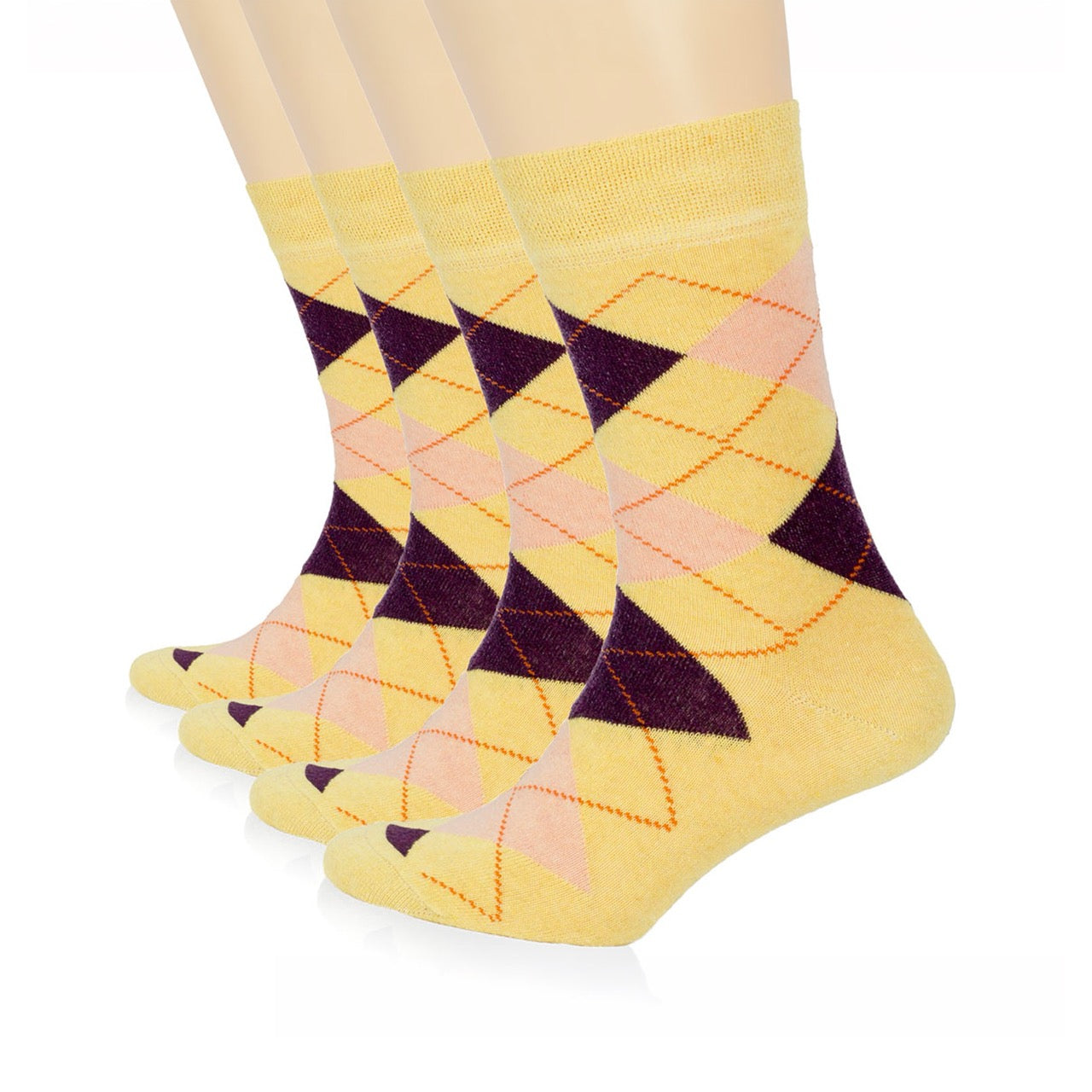
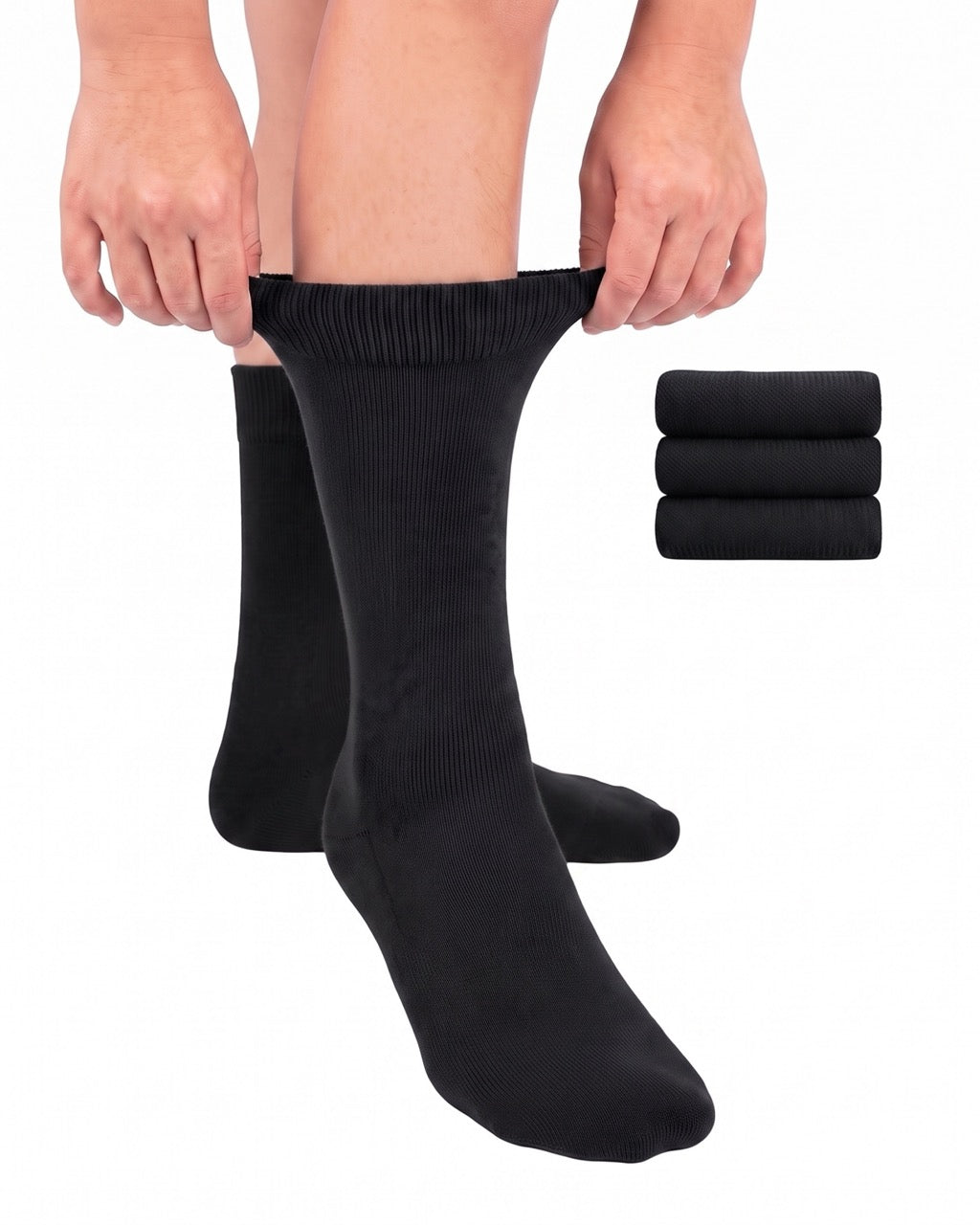


Quick Answer: To maintain elastic without losing comfort, wash socks in cold water, avoid high heat drying, air dry whenever possible, and prevent overstretching during wear and storage. Proper care preserves elasticity while keeping the fit soft and supportive.
Elastic is what allows socks to stay in place throughout the day. It provides structure at the cuff, supports the arch, and ensures a secure fit around the ankle or calf. However, elasticity can weaken over time if not properly maintained.
The challenge is balance. You want socks to stay up—but not feel restrictive. Understanding how elastic fibers work and how to care for them ensures long-term comfort and performance.
Elastic fibers are designed to stretch and return to their original form. Over time, exposure to heat, friction, and tension can damage those fibers.
Common causes of elastic breakdown include:
Just like an elastic waistband in clothing, sock elastic relies on flexibility. Excess heat or strain reduces its ability to rebound.
Hot water weakens elastic fibers. Washing socks in cold or lukewarm water protects stretch and preserves softness.
A gentle wash cycle reduces agitation and friction. Less friction means less stress on the elastic cuff.
Strong chemical detergents can degrade fibers over time. Use mild detergents to extend the life of both fabric and elastic.

High temperatures are the primary cause of elastic failure. Excessive heat breaks down stretch fibers and reduces flexibility.
For best results:
Air drying preserves both elasticity and fabric integrity.
Pulling socks too aggressively when putting them on can strain the cuff. Stretch gently and evenly instead of tugging from one side.
Socks should fit securely but comfortably. If they feel excessively tight, it may indicate sizing issues rather than elasticity strength.
Just as an elastic waistband should provide support without digging into the skin, sock cuffs should hold position without leaving deep marks.
Storage habits affect longevity. Avoid rolling socks tightly into compact balls, as this can overstretch elastic bands over time.
Instead:
Allowing elastic fibers to rest in a neutral position helps maintain structure.
Not all elastic is created equal. High-quality socks use durable stretch fibers blended evenly throughout the cuff and arch.
Look for:
Well-made socks maintain their shape longer and resist sagging.
Even with proper care, elastic eventually wears out. Watch for:
When elasticity no longer provides secure support, replacement ensures continued comfort.
Maintaining elastic is not about maximizing tightness. It’s about preserving flexibility and support without discomfort.
A properly maintained elastic band:
Just like an elastic waistband balances structure and softness, sock elastic should enhance comfort—not restrict movement.
Elastic plays a quiet but essential role in everyday comfort. With careful washing, low heat drying, proper storage, and mindful wear, you can maintain elasticity without sacrificing softness.
By treating your socks with the same care you give other essential garments, you extend their lifespan and preserve their supportive fit—ensuring comfort with every step.
High heat, hot water, overstretching, harsh washing, and tight storage habits can all weaken sock elastic over time.
Wash socks in cold or lukewarm water on a gentle cycle with a mild detergent to help preserve elasticity and softness.
Air drying is the best option for protecting elastic. If you use a dryer, choose the lowest heat setting possible.
Yes. Rolling socks tightly into balls can stretch the elastic unnecessarily and reduce its ability to hold shape over time.
Common signs include socks slipping down, loose cuffs, visible stretching, and a loss of supportive fit during wear.
He has been working for more than 20 years in the textile industry and has work experience in many parts of the world.