Cart
0
You may also like
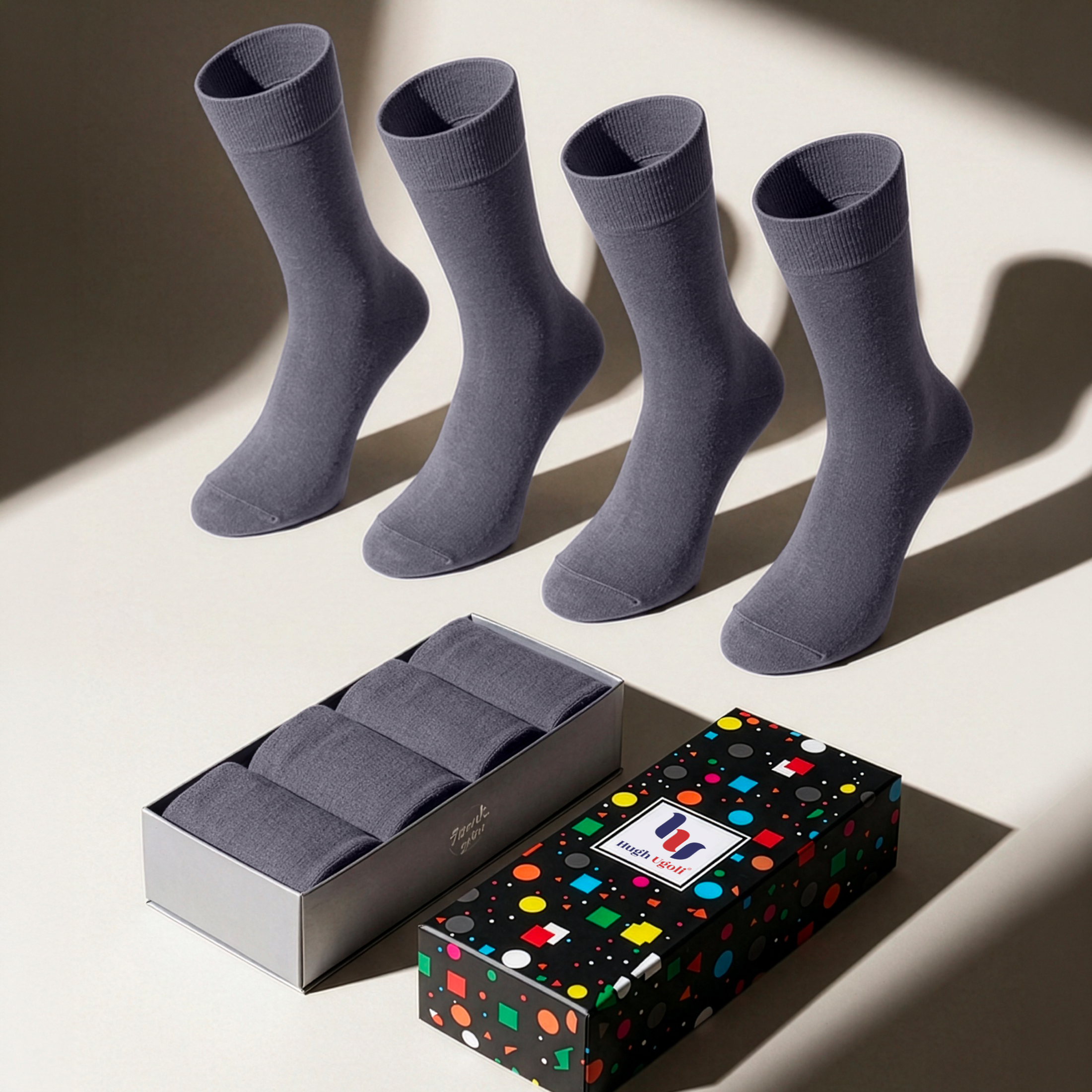
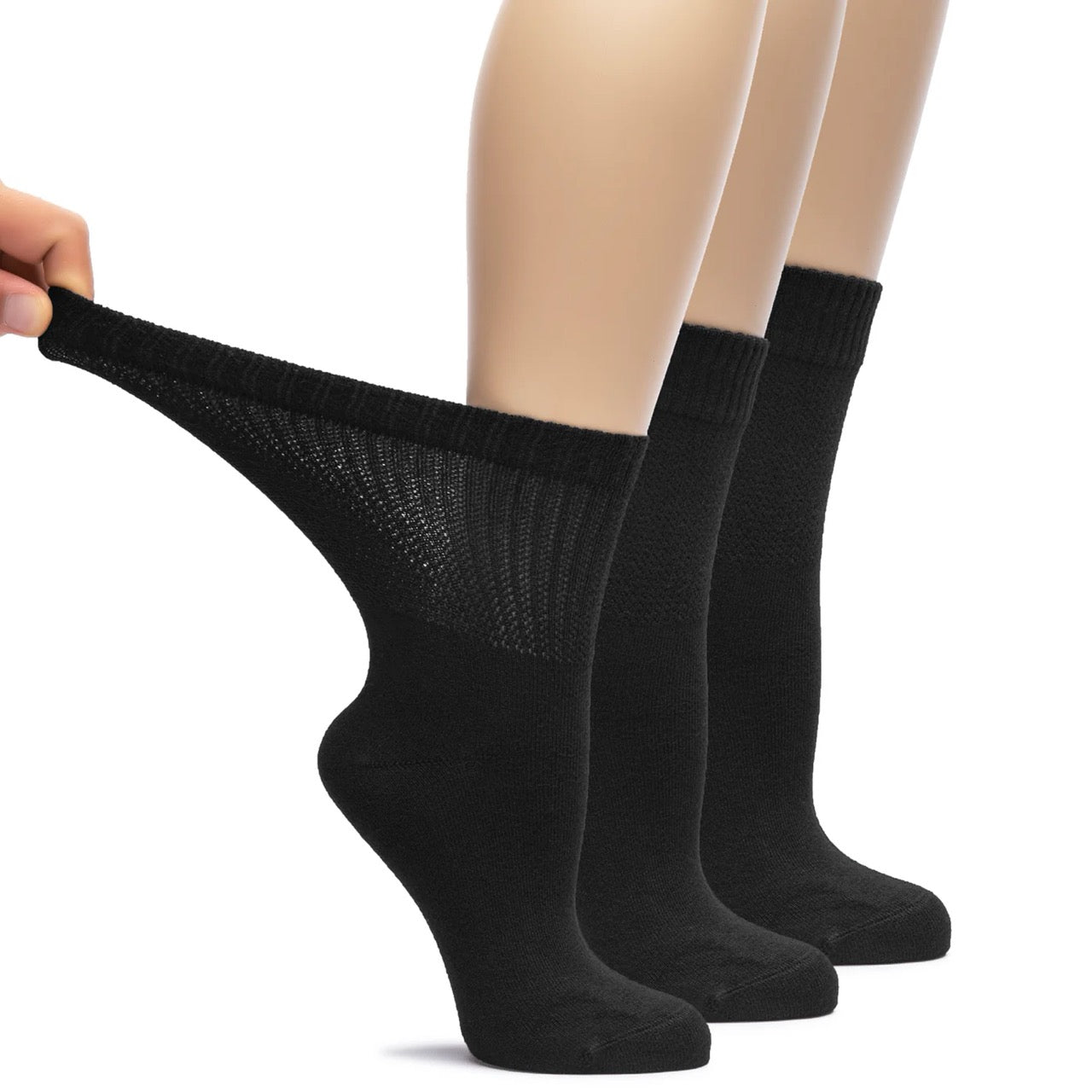
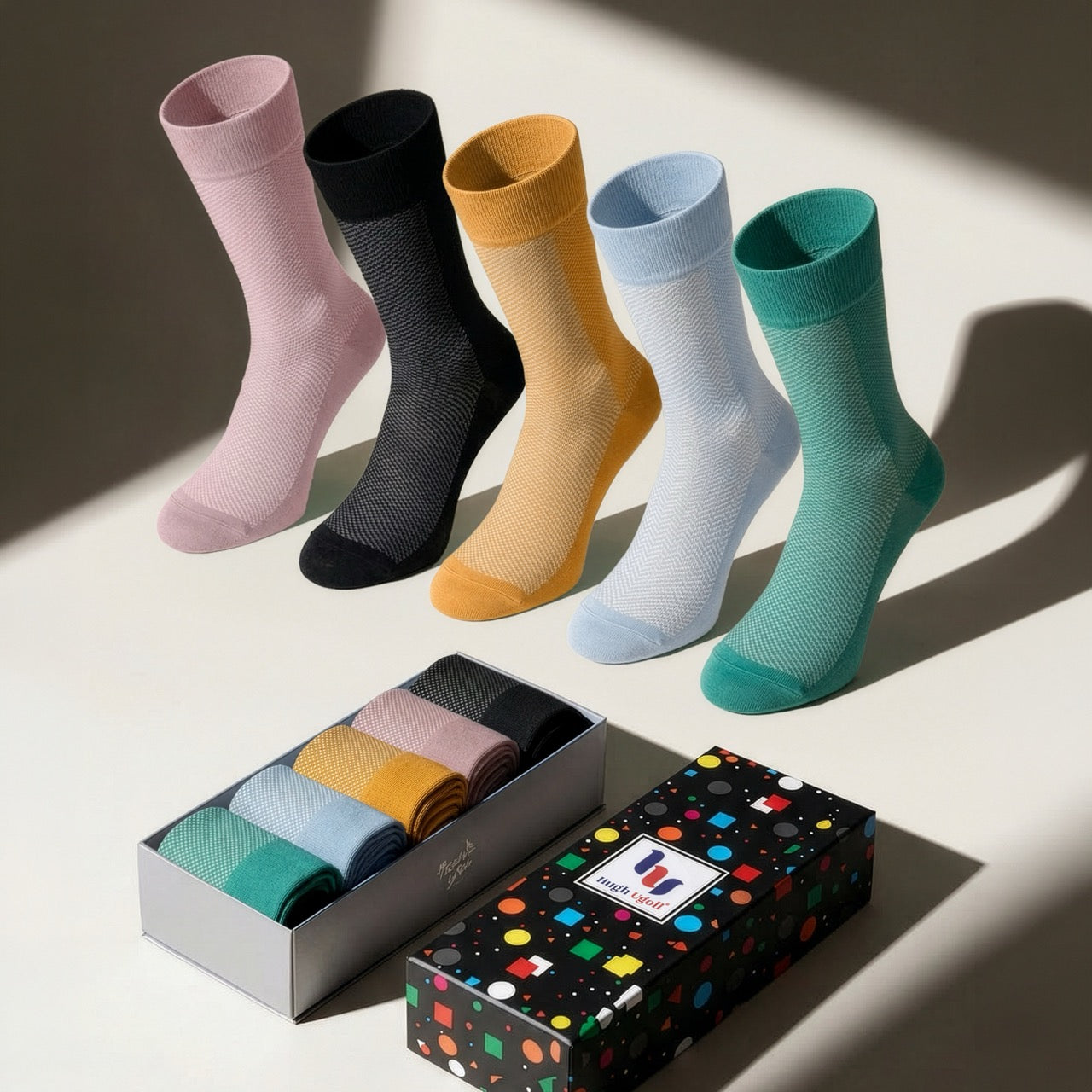
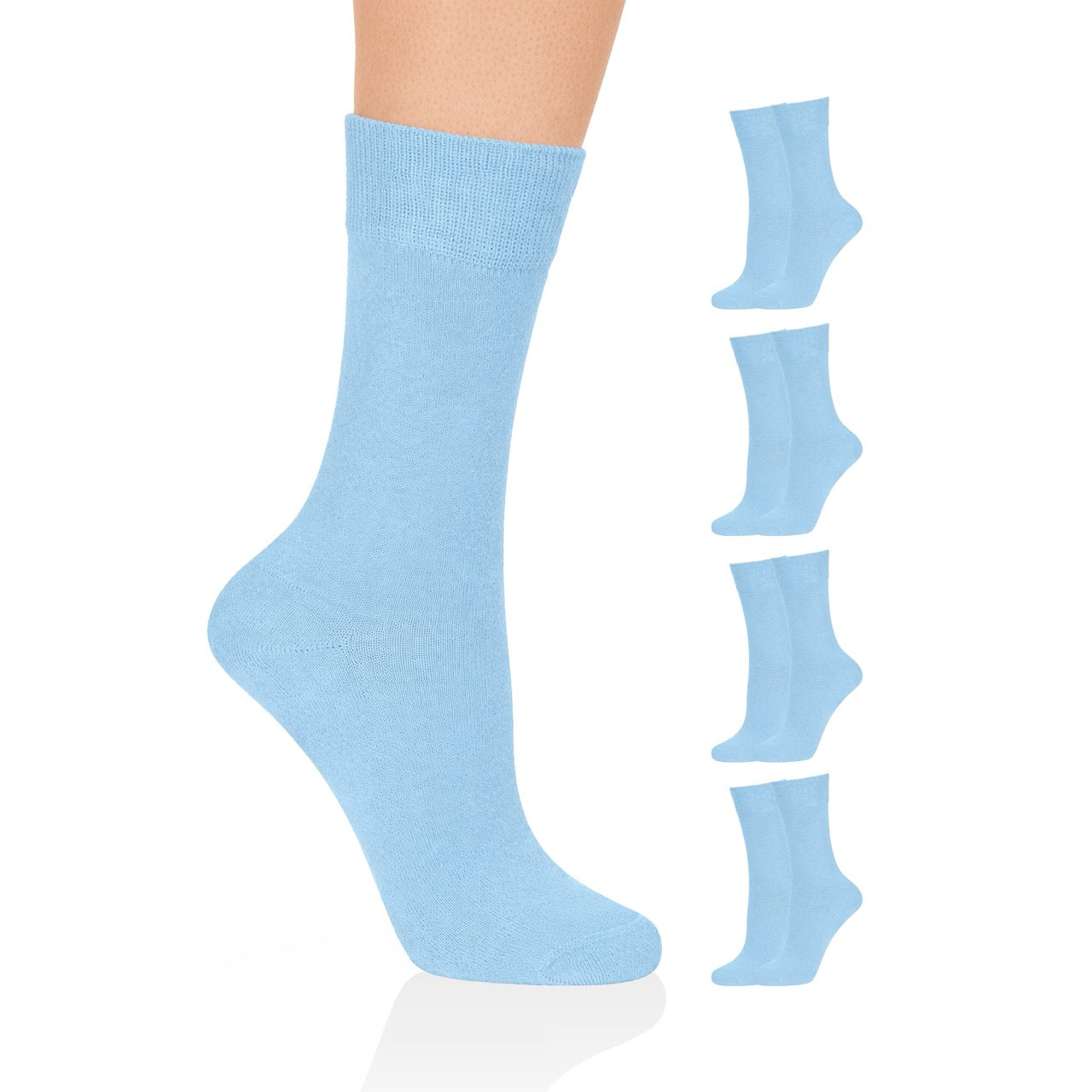
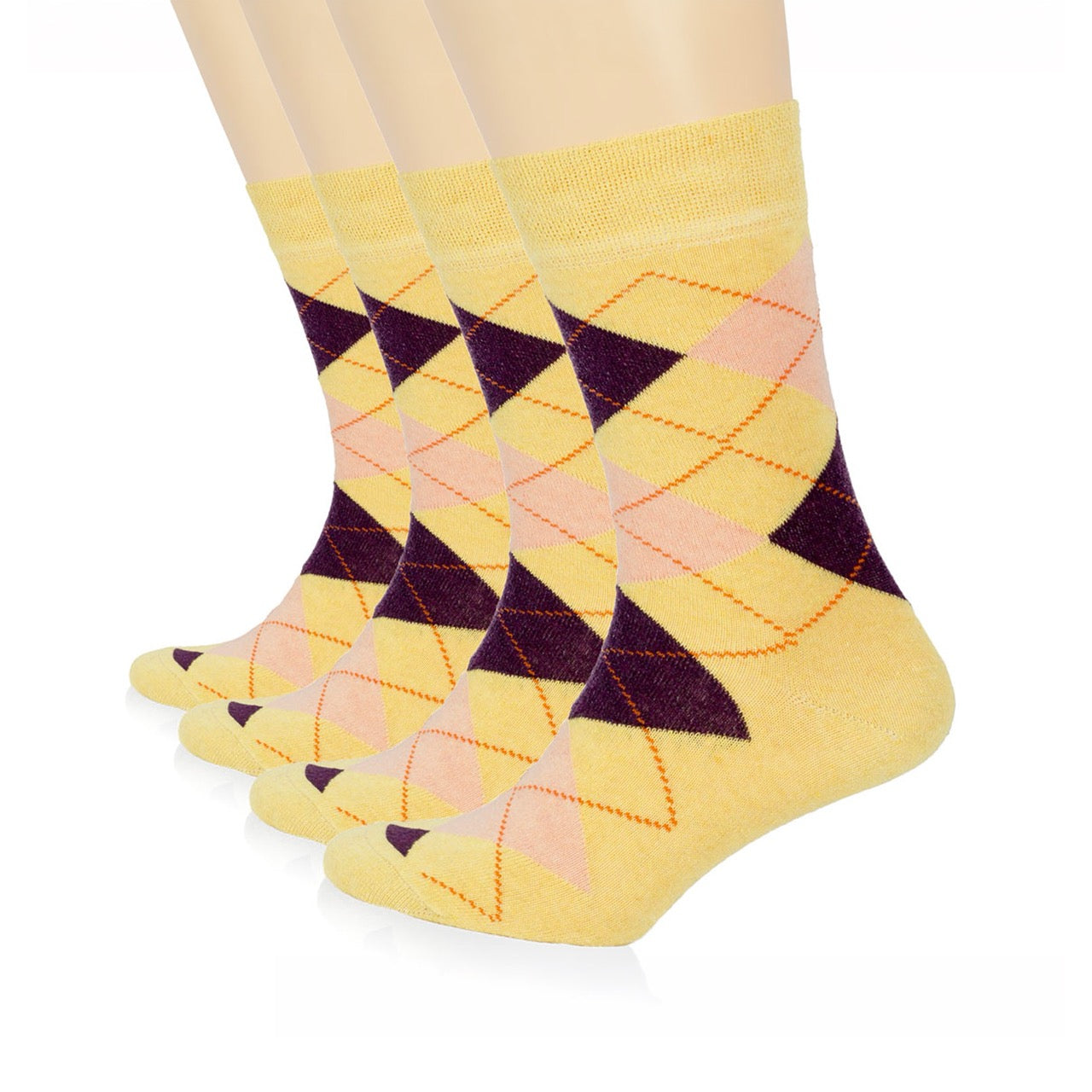
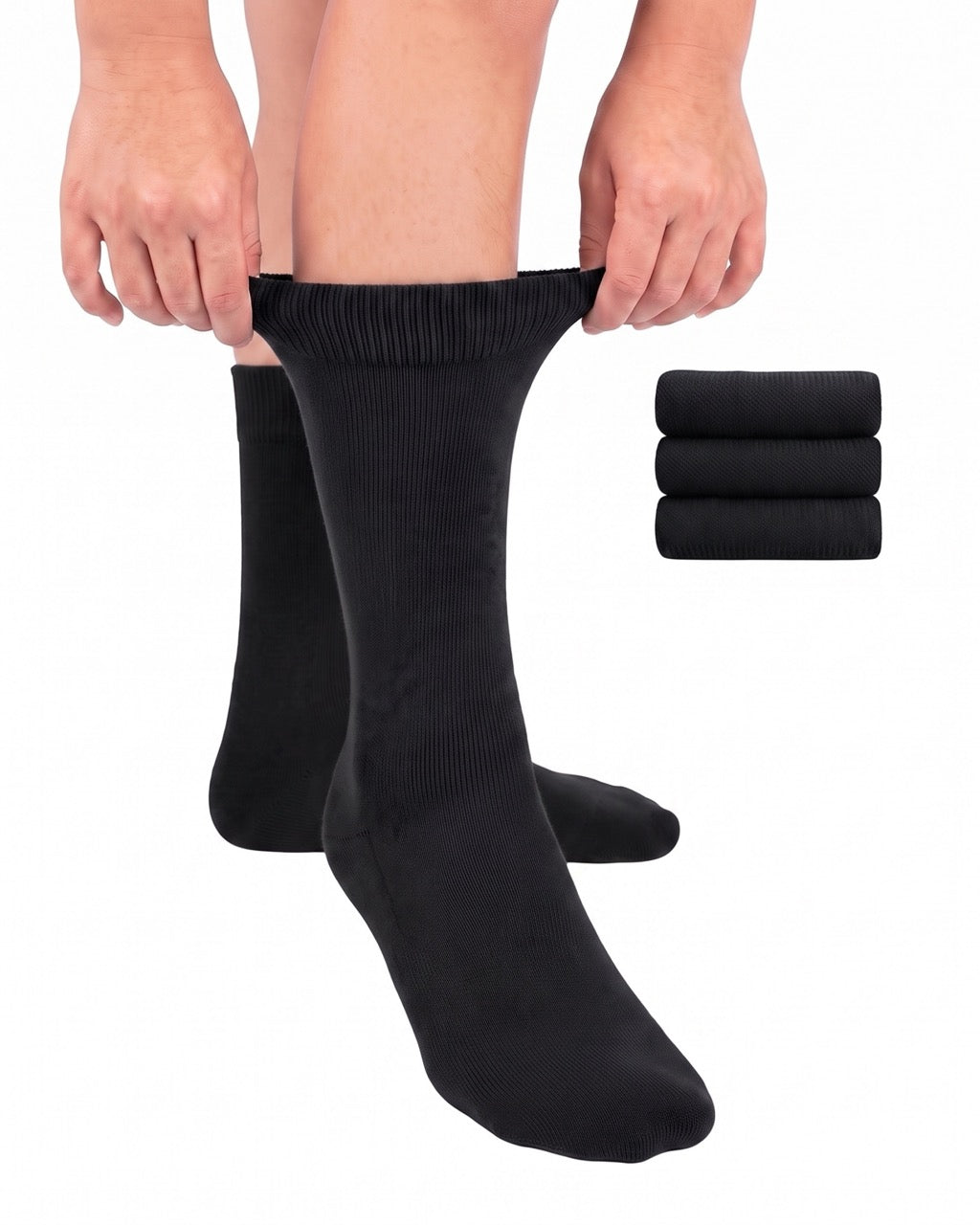
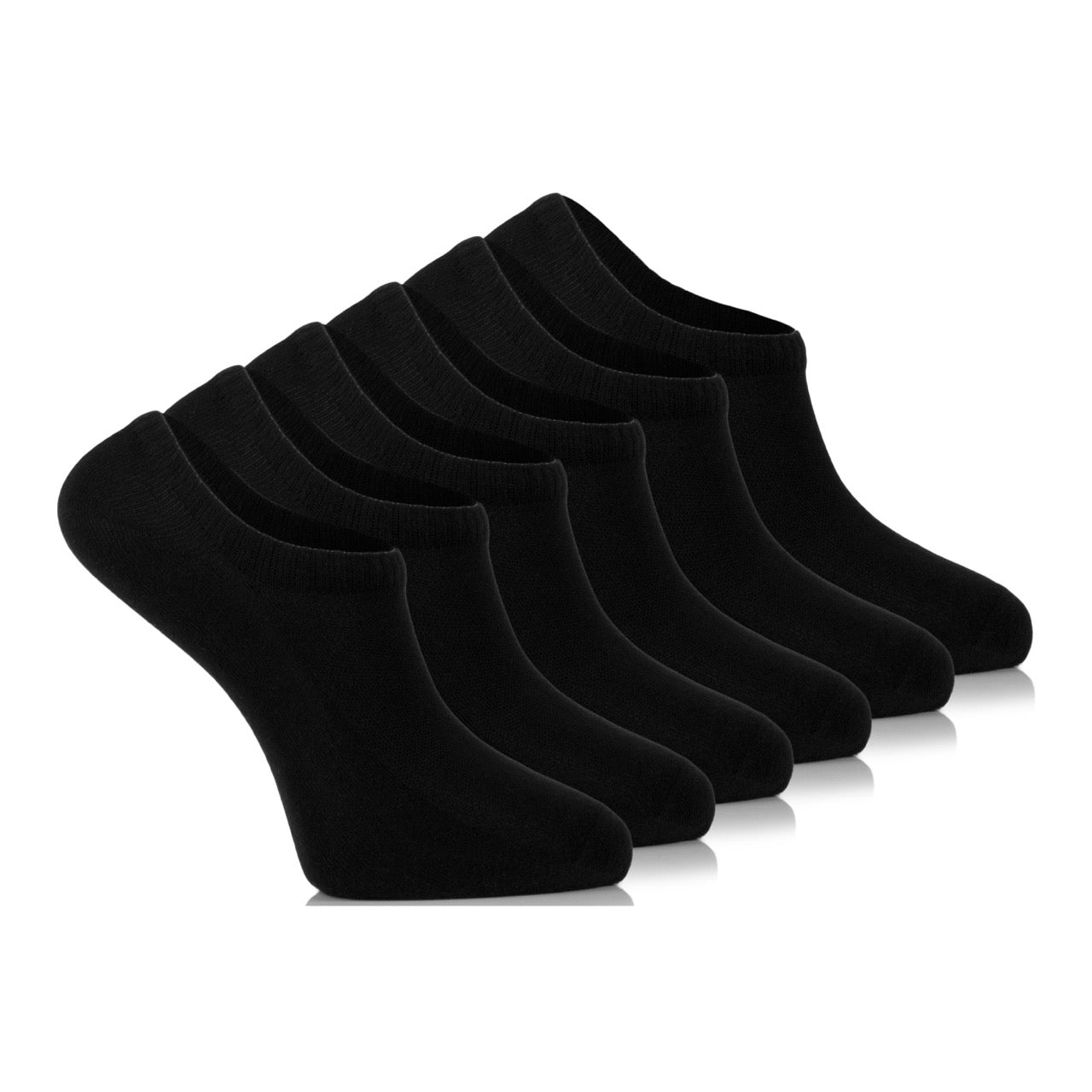
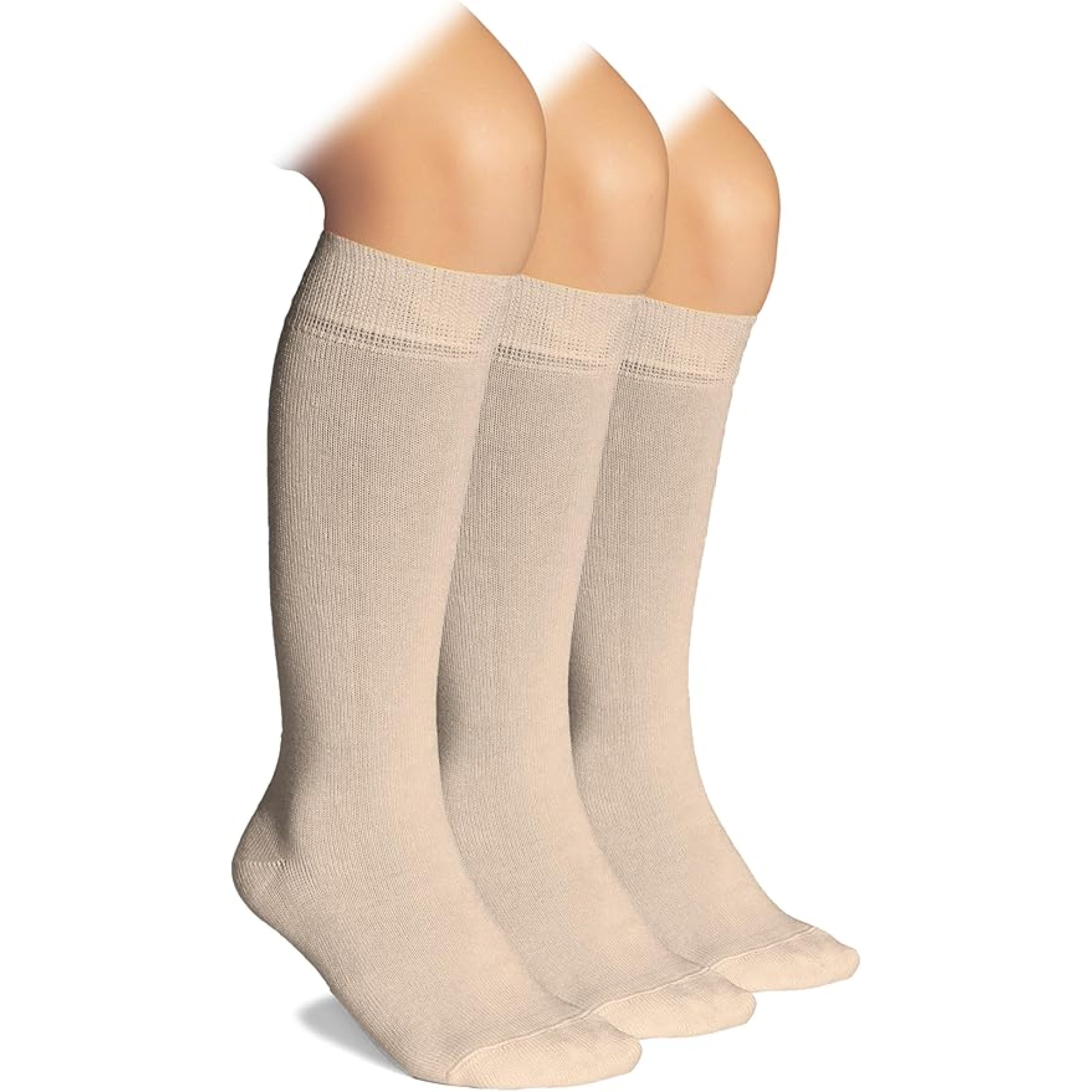


When it comes to diabetes management, proper foot care is non-negotiable. People with diabetes are often advised to pay special attention to their choice of footwear, including socks. Compression socks, while beneficial for many people, can present real risks for some people with diabetes — though the picture is more nuanced than a blanket "diabetics can't wear compression socks" rule. In this article, we explore what the evidence actually says, who should be cautious, and how Hugh Ugoli's non-binding socks offer a safer everyday default for many people.
Compression socks are designed to apply graduated pressure to the lower legs to support blood flow back toward the heart. The specific concern for some people with diabetes isn't diabetes itself — it's peripheral artery disease (PAD), a narrowing of the arteries that's more common in people with diabetes. According to vascular health resources, external compression on a leg with significantly restricted arterial blood flow can worsen circulation to the foot rather than help it — which is why severe PAD is considered a contraindication for standard compression therapy.
This is different from saying no one with diabetes can ever wear compression socks. A clinical study on the safety of medical compression stockings found that mild compression (18–25 mmHg) was safe and did not impair circulation in study participants with diabetes or PAD, when appropriately selected and monitored. The key word is "appropriately" — this is a decision to make with a healthcare provider, not a self-directed purchase.

For everyday wear — as opposed to medically prescribed compression therapy — non-binding socks avoid the question entirely by not applying compression at all. Hugh Ugoli offers options built around this approach:
Foot complications are a serious concern for people with diabetes. Proper foot care, including choosing the right socks, is part of preventing injuries and infections that can lead to more serious complications. For everyday, non-prescribed wear, socks that are non-binding, have minimal seams, and wick away moisture are a reasonable default.
Not all socks are suitable for people with diabetes, which is why it's worth understanding the features that support foot health. For a comprehensive look at what to look for in diabetic-friendly socks, our blog "What Type Of Socks Are Best For Diabetics?" goes into more detail.
Compression socks aren't automatically off-limits for people with diabetes, but they're also not a product to choose without guidance. The real question is whether peripheral artery disease or significant neuropathy is present — something only a healthcare provider can properly assess. For everyday comfort without that clinical question, non-binding socks are a sensible default. Hugh Ugoli's range of diabetic-friendly socks offers comfortable, non-restrictive options to support foot health day to day.
Managing diabetes successfully includes taking care of every part of your body, from head to toe — and talking to your doctor before adding or avoiding compression is part of doing that well.
This article is for general information and is not medical advice. Whether compression socks are appropriate for you depends on your individual circulation, and should be determined with your doctor.
Not automatically. The real concern is peripheral artery disease (PAD), which is more common in people with diabetes. A clinical safety study found mild compression (18–25 mmHg) was safe for some people with diabetes or PAD when properly assessed — but this should be determined with a healthcare provider, not self-selected.
If arterial blood flow to the foot is already restricted (as in PAD), added external pressure can worsen circulation. Reduced sensation from neuropathy can also make it harder to notice if a compression sock is too tight or causing a pressure injury.
Many can, particularly with mild compression levels and a doctor's guidance — especially for swelling or circulation support. People with significant PAD generally should not use standard compression without a vascular specialist's involvement.
For everyday, non-prescribed wear, the best diabetic socks are non-binding, moisture-wicking, breathable, and designed with minimal seams to reduce friction and pressure on sensitive feet.
Diabetic socks are designed to avoid pressure — reducing friction and protecting sensitive feet without constriction. Compression socks are designed to add graduated pressure to improve circulation and reduce swelling, and are best used under medical guidance for people with diabetes.
Yes. Many diabetic socks are designed with a loose, non-binding fit that accommodates swollen feet and legs while helping maintain comfort throughout the day.
Bamboo, cotton blends, and moisture-wicking fabrics are commonly recommended because they help keep feet dry, breathable, and comfortable.
Generally, yes, for everyday wear. Tight, unmedicated socks can restrict circulation, leave pressure marks, and increase the risk of irritation, without the benefit of properly assessed medical compression.
He has been working for more than 20 years in the textile industry and has work experience in many parts of the world.