Cart
0
You may also like
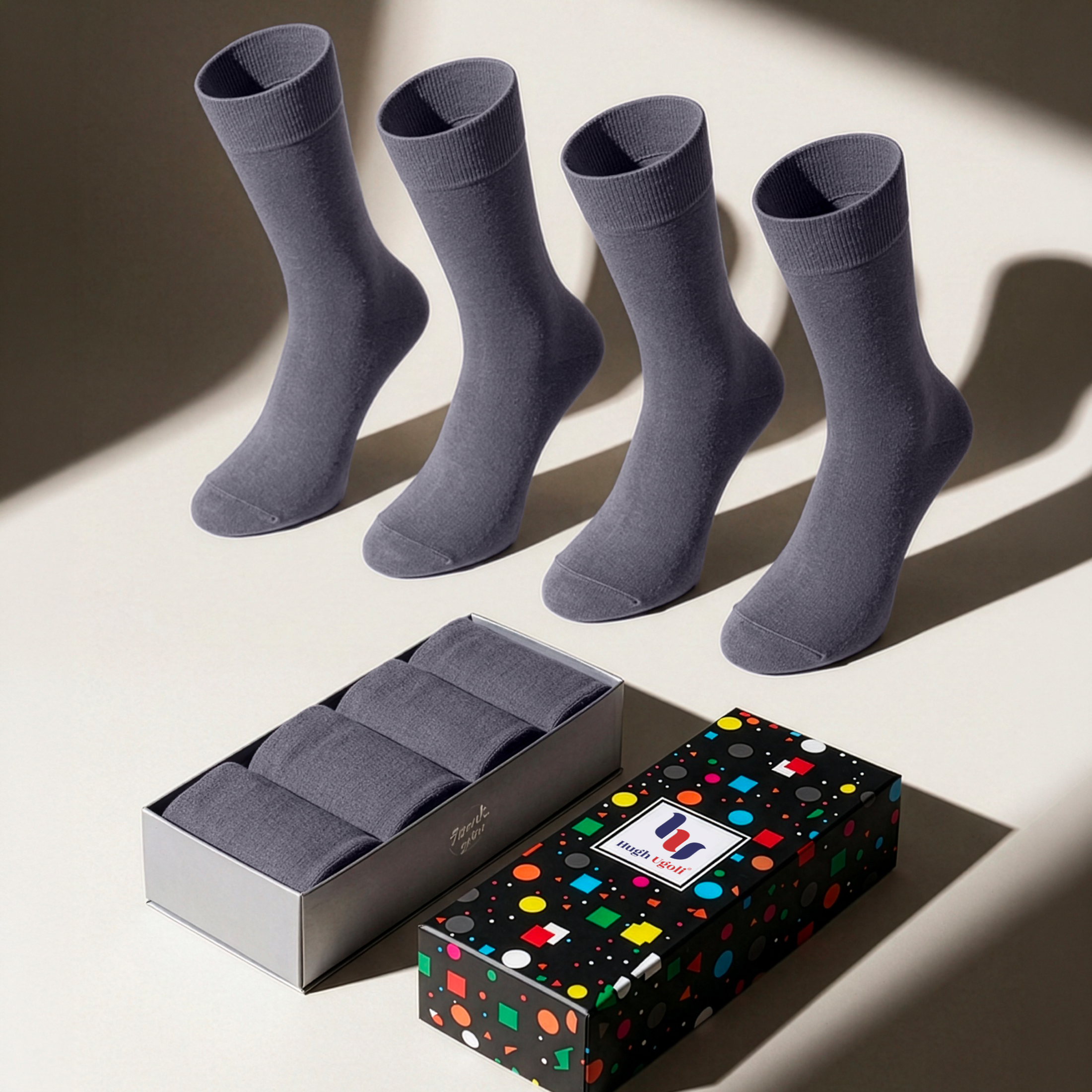
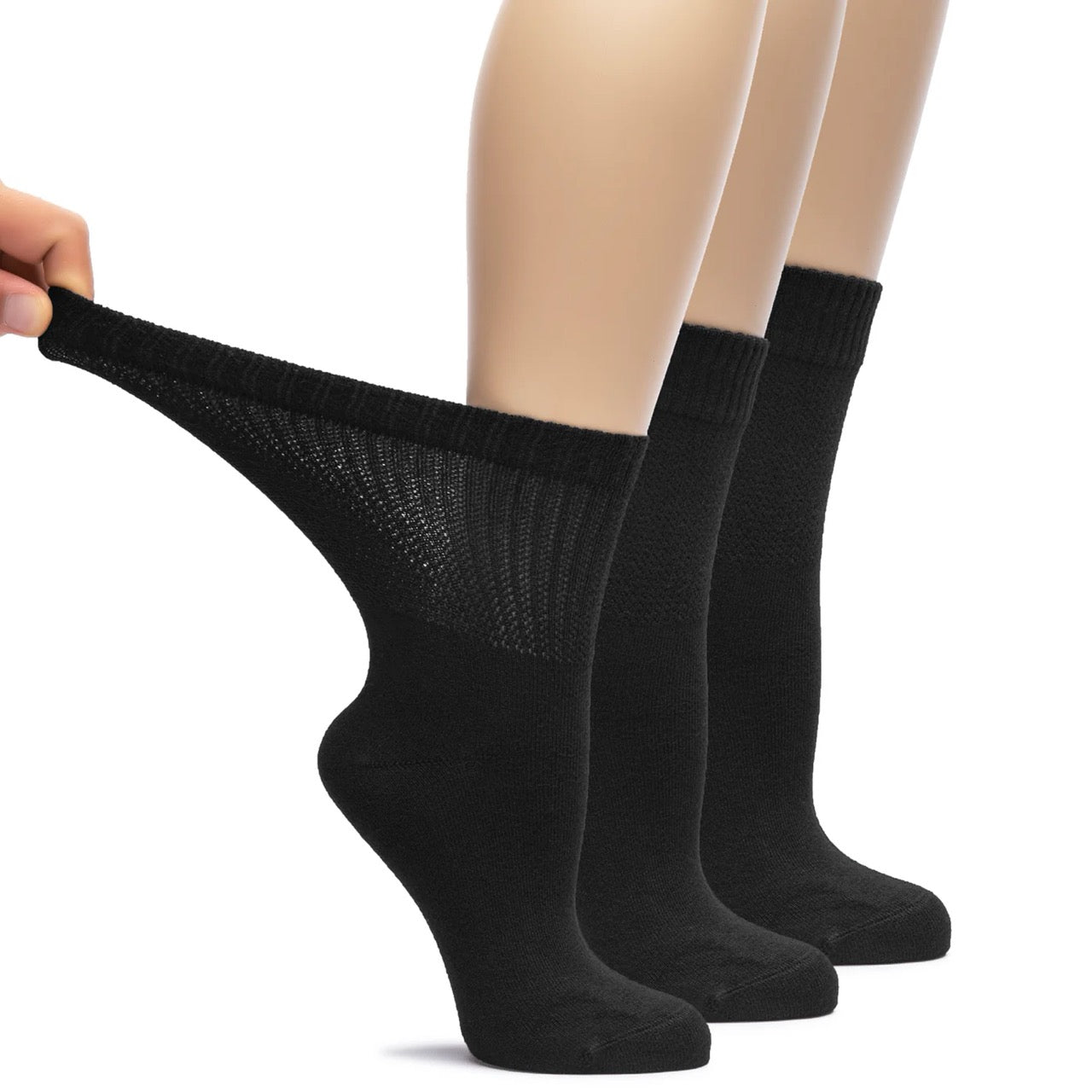
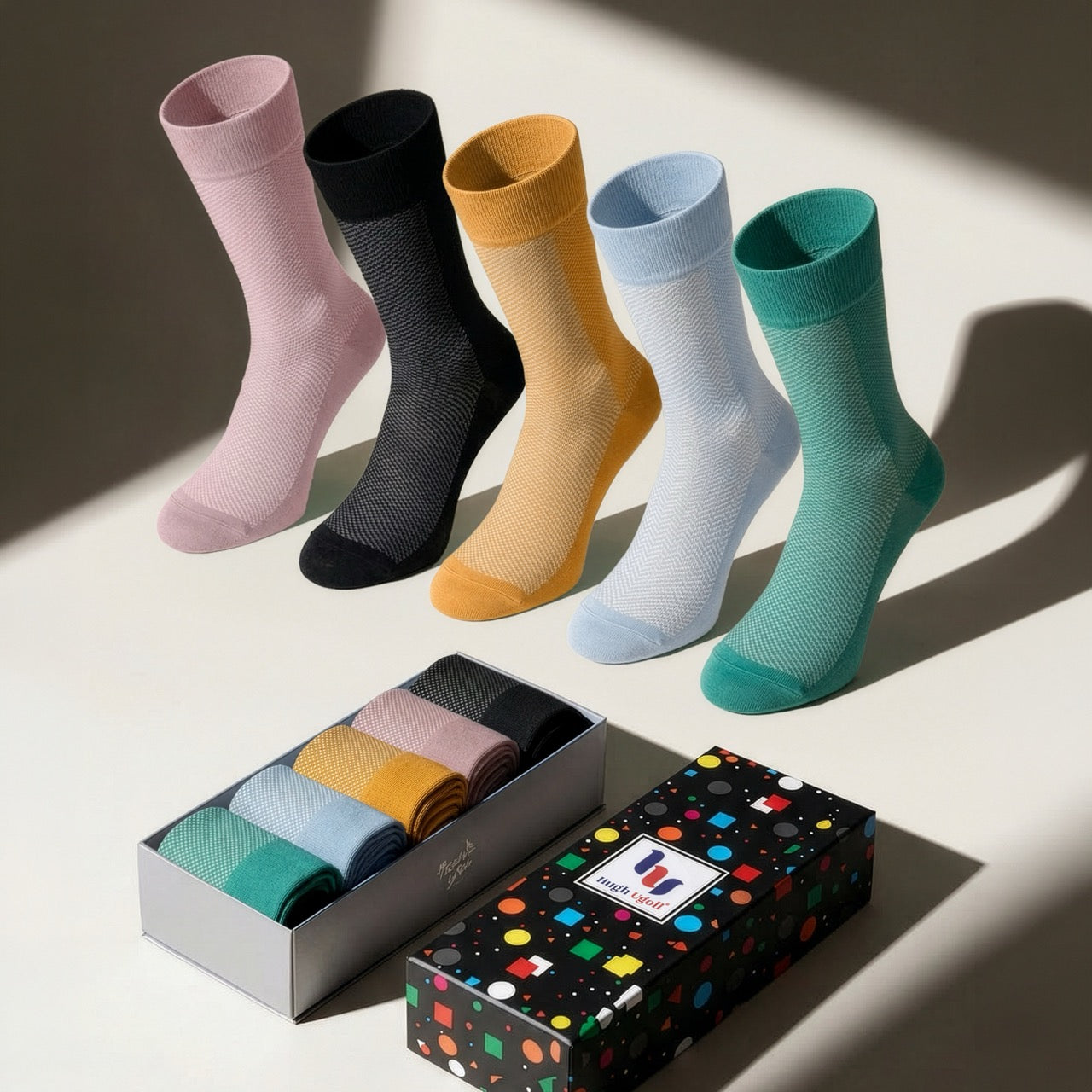
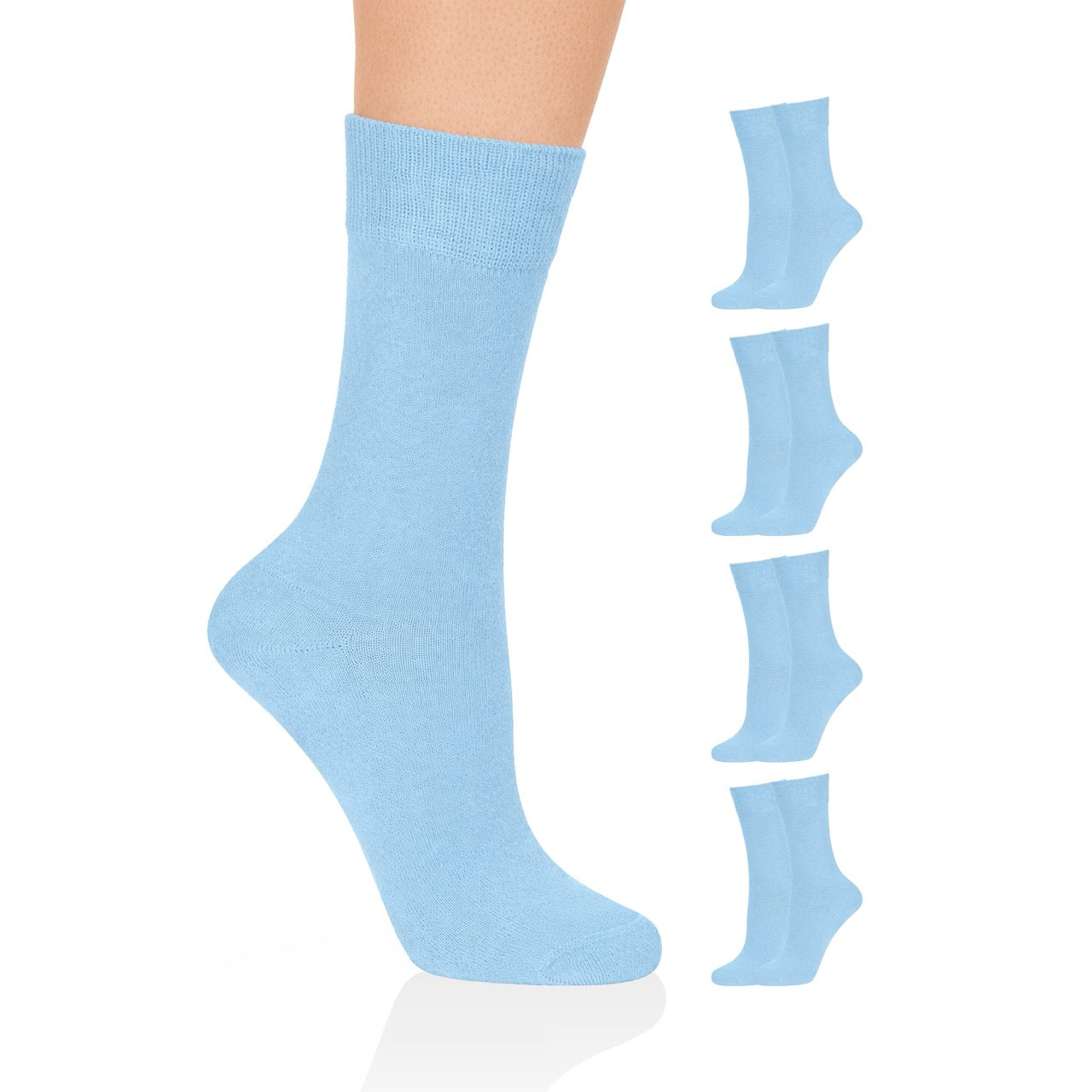
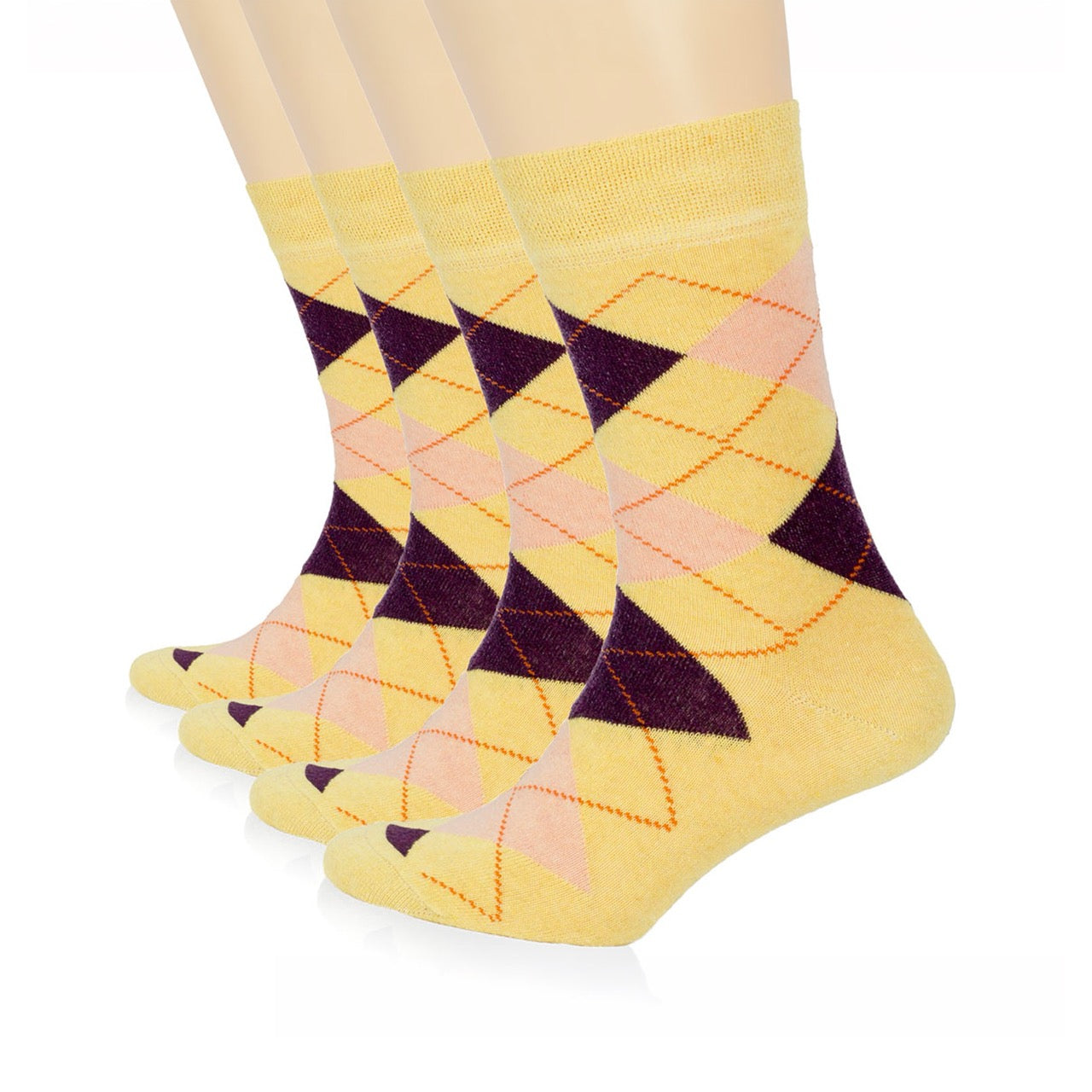
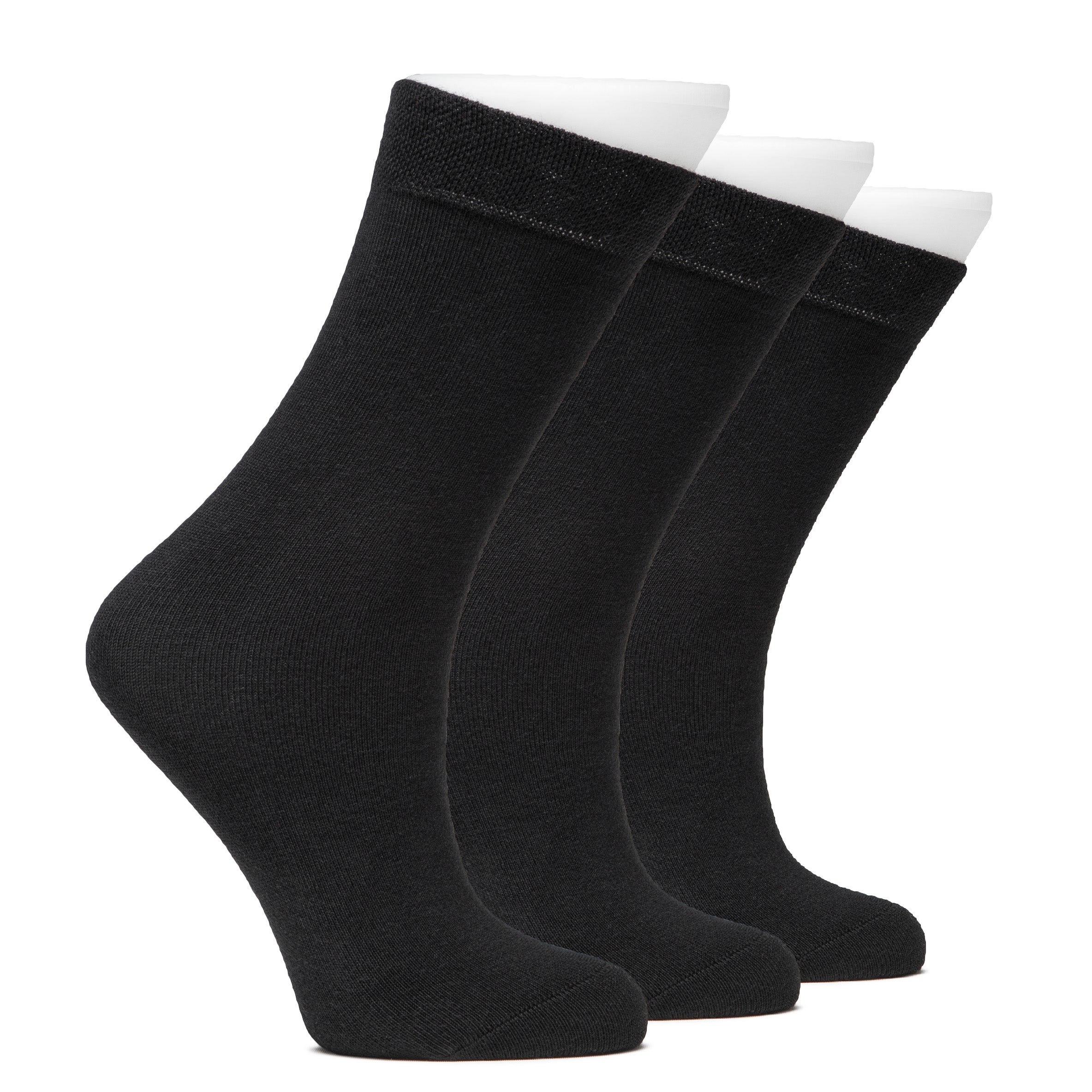
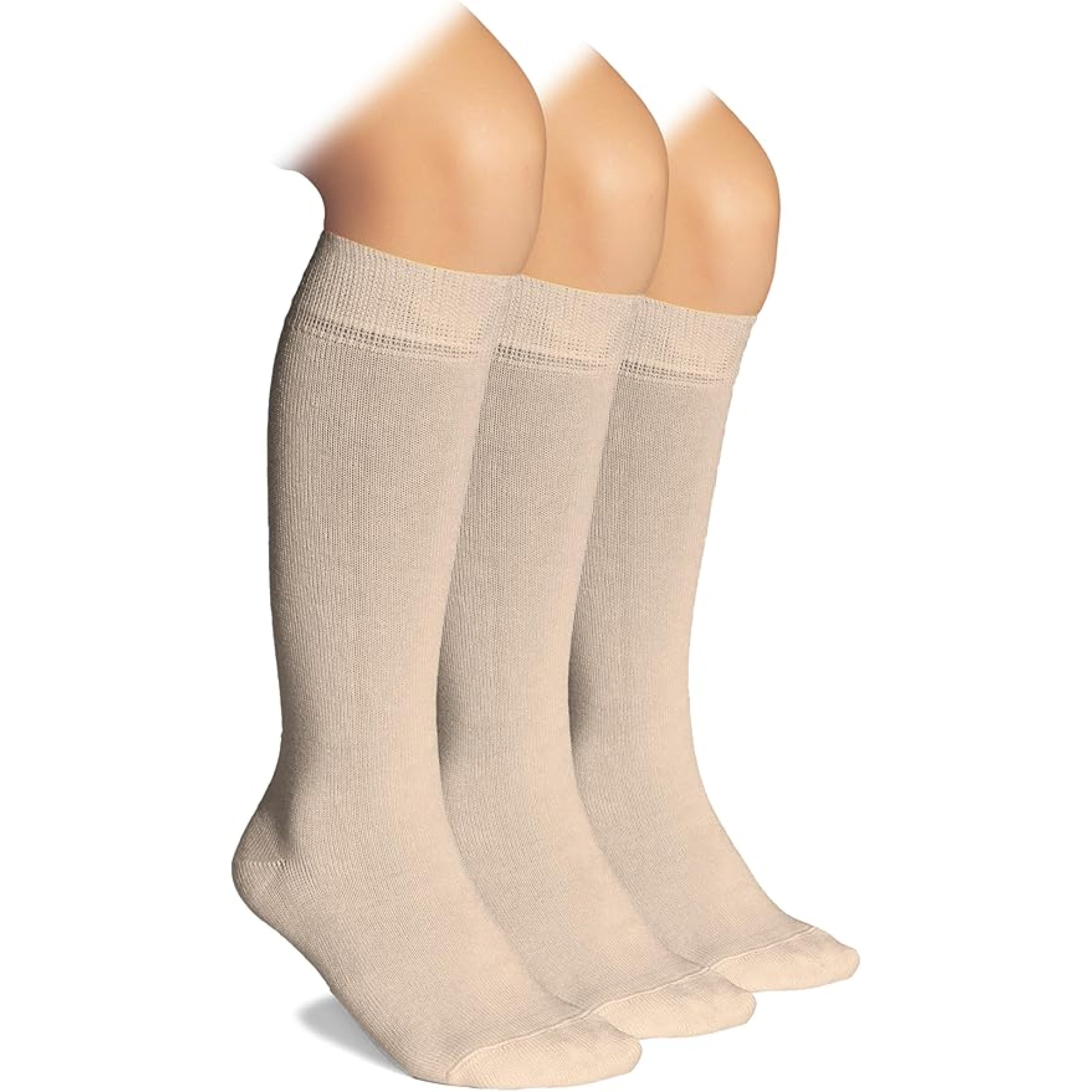


Winter boots are built for protection, insulation, and durability. But once you step indoors, that same warmth can quickly become uncomfortable. The key to staying comfortable all day is not just the boots you wear, but the pair of socks inside them. Choosing the right socks helps your feet feel warm outdoors, dry indoors, and comfortable everywhere in between.
Many people assume that the warmest socks are always the best choice for winter. In reality, socks that trap heat without managing moisture often cause overheating. The goal is balance: warmth, breathability, and comfort working together.
Winter boots are designed to retain heat. When paired with the wrong socks, they can create a sealed environment that traps sweat and warmth. This leads to discomfort, dampness, and cold feet once moisture cools.
The right socks help regulate temperature, support airflow, and prevent overheating while still keeping your feet protected from winter cold.
Staying warm in winter is not about adding bulk. It is about choosing materials that manage heat and moisture effectively. Socks that breathe allow excess heat to escape while keeping insulation close to the skin.
Moisture wicking socks pull sweat away from the skin and allow it to evaporate. This keeps feet dry and prevents the clammy feeling that often leads to chills later in the day.
Dry feet feel warmer than damp feet, even in cold temperatures. This is why moisture control is more important than thickness alone.
Merino wool is one of the best materials for winter boots. Unlike traditional wool, it is soft, breathable, and naturally temperature regulating.
Wool socks made with merino fibers adapt well as you move between cold outdoor environments and warm indoor spaces.
A wool blend combines natural insulation with performance fibers. This improves durability and shape retention while maintaining breathability.
Wool blend socks are ideal for daily winter use, especially when you wear boots for long hours.

Heavyweight socks may seem like the obvious winter choice, but they are not always practical. Thick socks can restrict airflow and reduce circulation if boots fit snugly.
This often causes feet to sweat, leading to overheating indoors and colder feet later.
Socks with moderate cushioning provide insulation without excess bulk. They fit comfortably inside most winter boots and allow natural movement.
This balance helps your feet feel great whether you are commuting, running errands, or spending time outdoors.
Boot socks are designed specifically for taller footwear. They offer extra coverage, cushioning, and protection against friction.
Crew socks are a versatile option for winter boots. They provide enough coverage for warmth while remaining lightweight and breathable.
Crew socks are ideal if you move frequently between outdoor and indoor settings.
Overheating often happens when socks trap heat without releasing moisture. To prevent this:
Socks should work with your boots, not against them.
Adjusting sock choice based on activity level and environment makes a noticeable difference.
You may also want to explore one of your existing blogs focused on winter sock selection, boot pairing, or cold-weather comfort to deepen your understanding of seasonal footwear choices.
Socks made from merino wool or wool blends with moisture wicking properties work best.
Yes. Heavyweight socks can trap heat and moisture, leading to discomfort.
Crew socks with proper materials and cushioning can provide sufficient warmth for most winter conditions.
Having several pairs allows you to rotate socks and maintain comfort throughout the season.
He has been working for more than 20 years in the textile industry and has work experience in many parts of the world.