Cart
0
You may also like
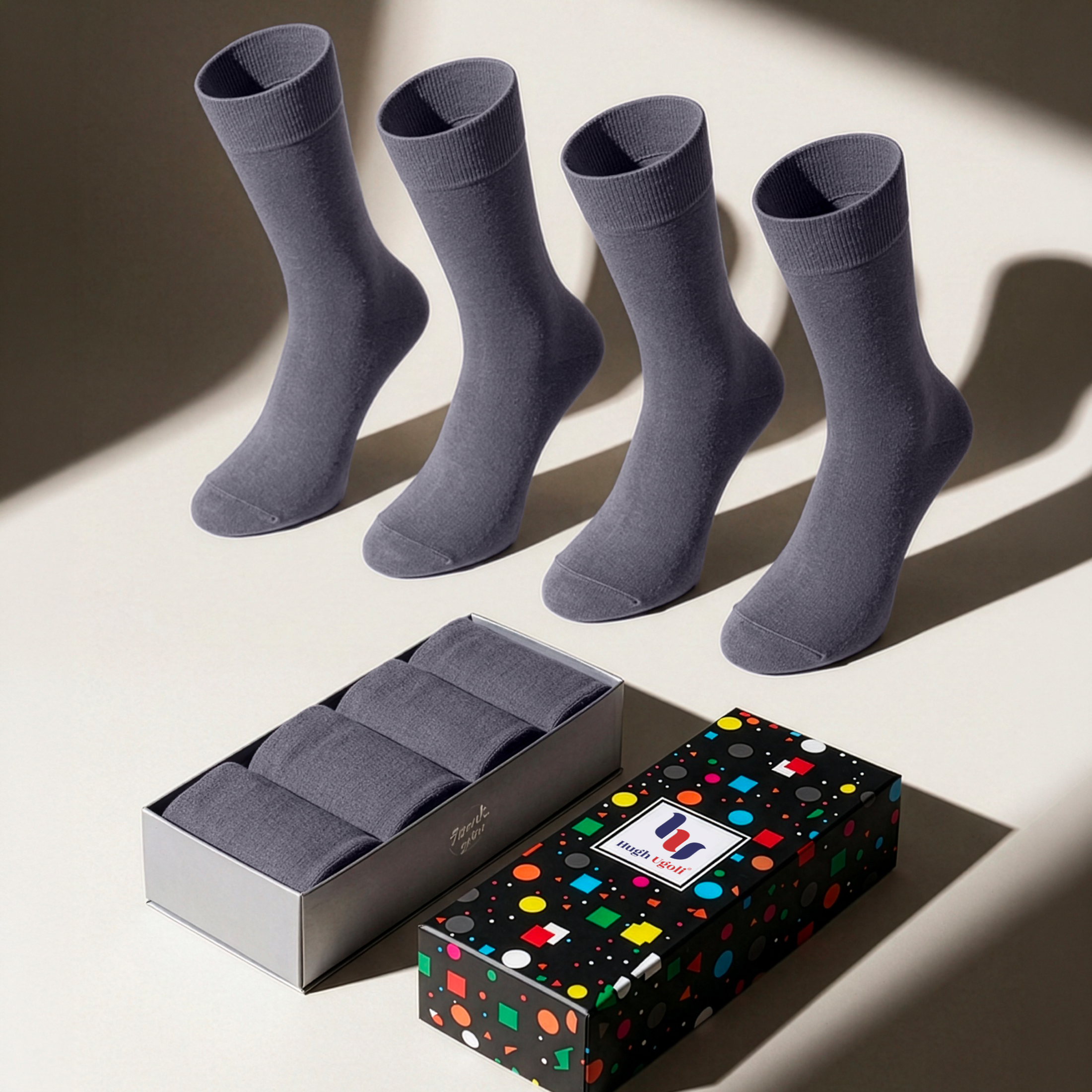
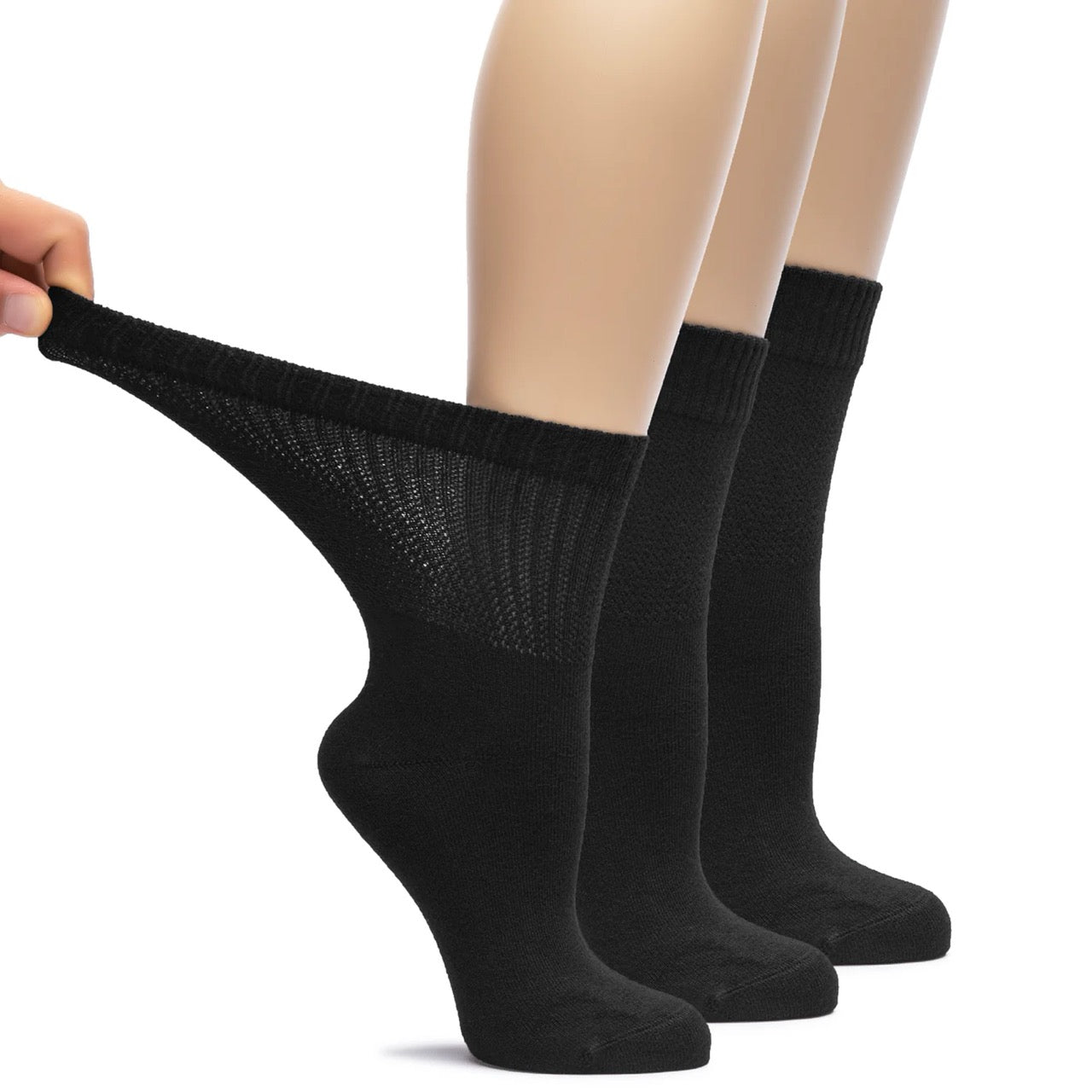
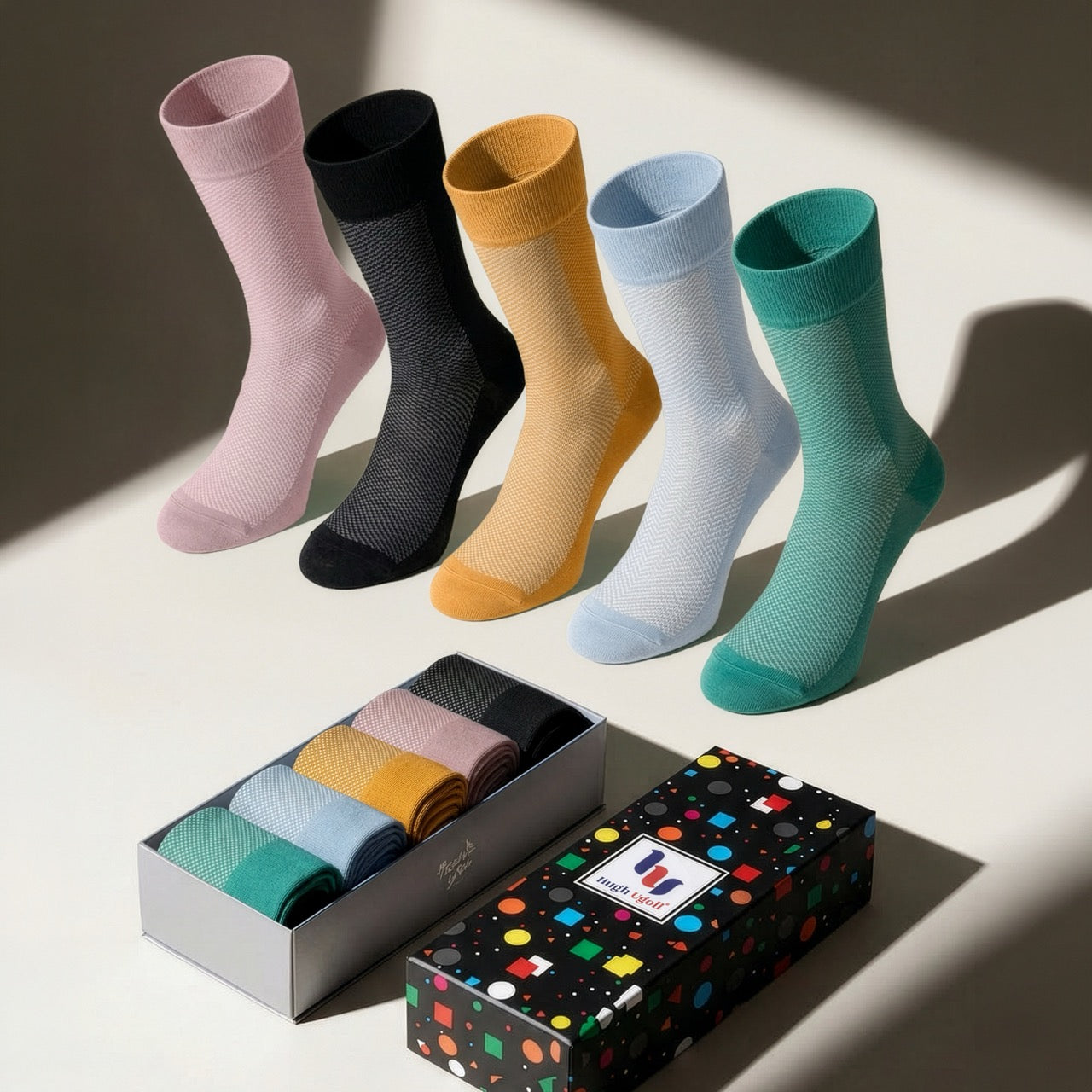
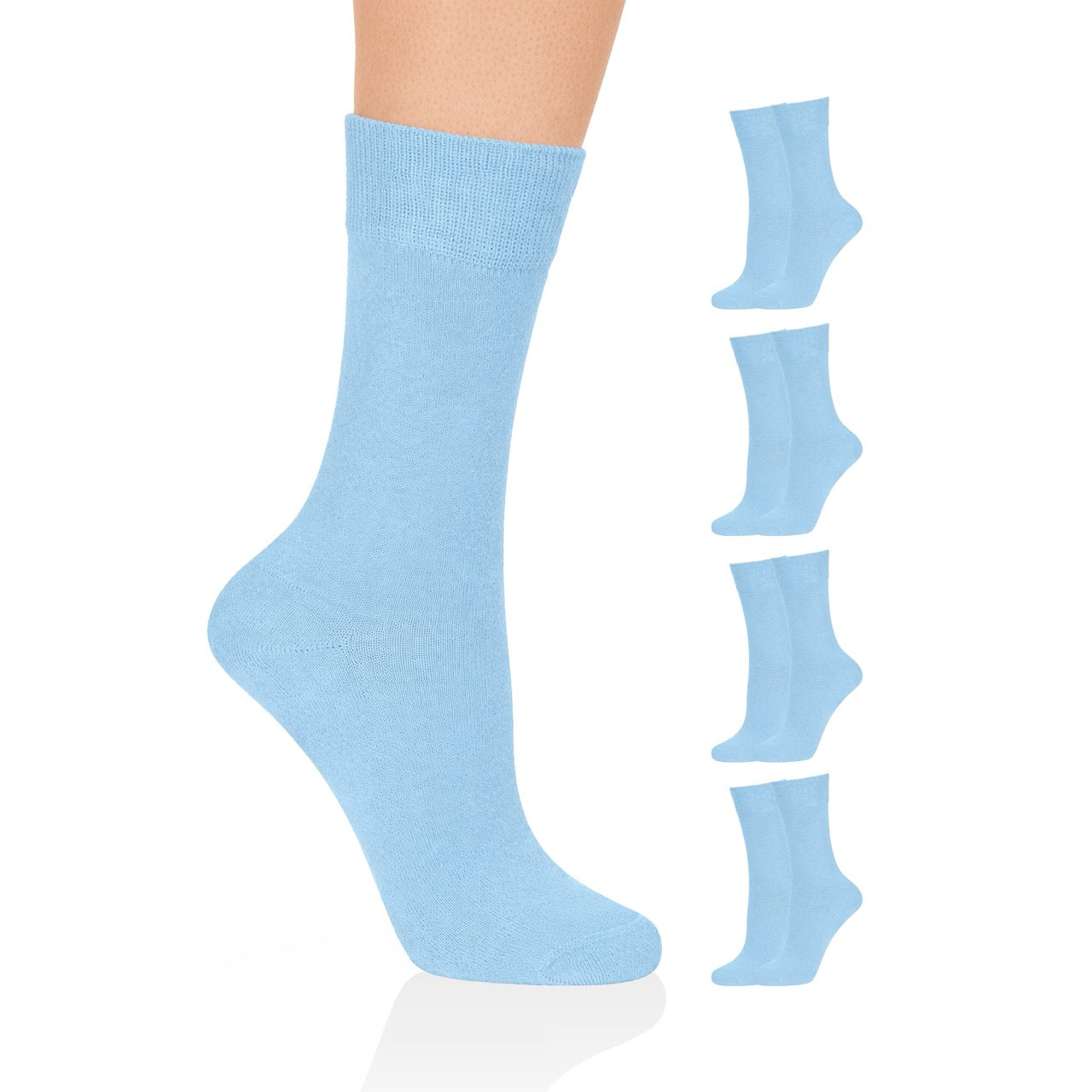
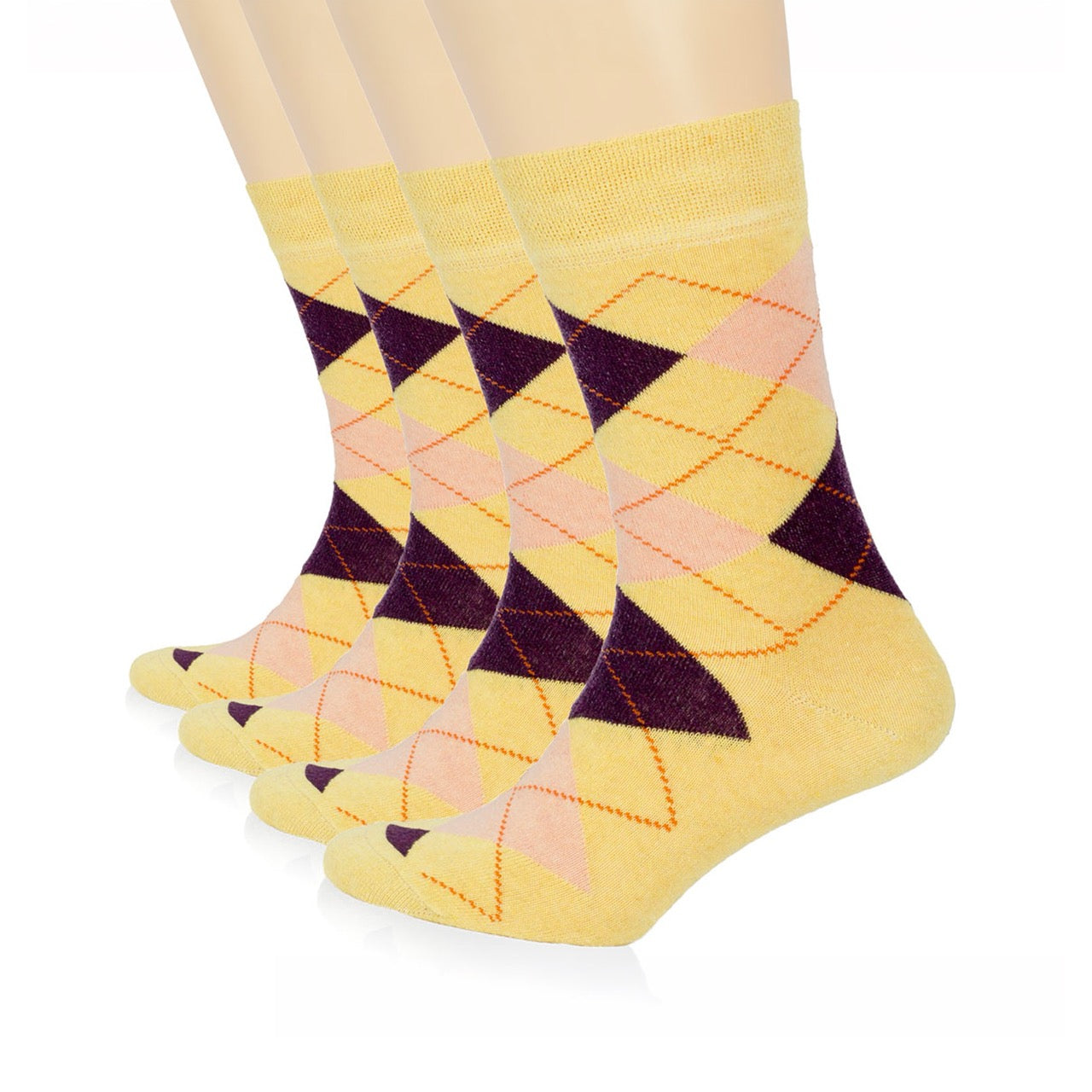
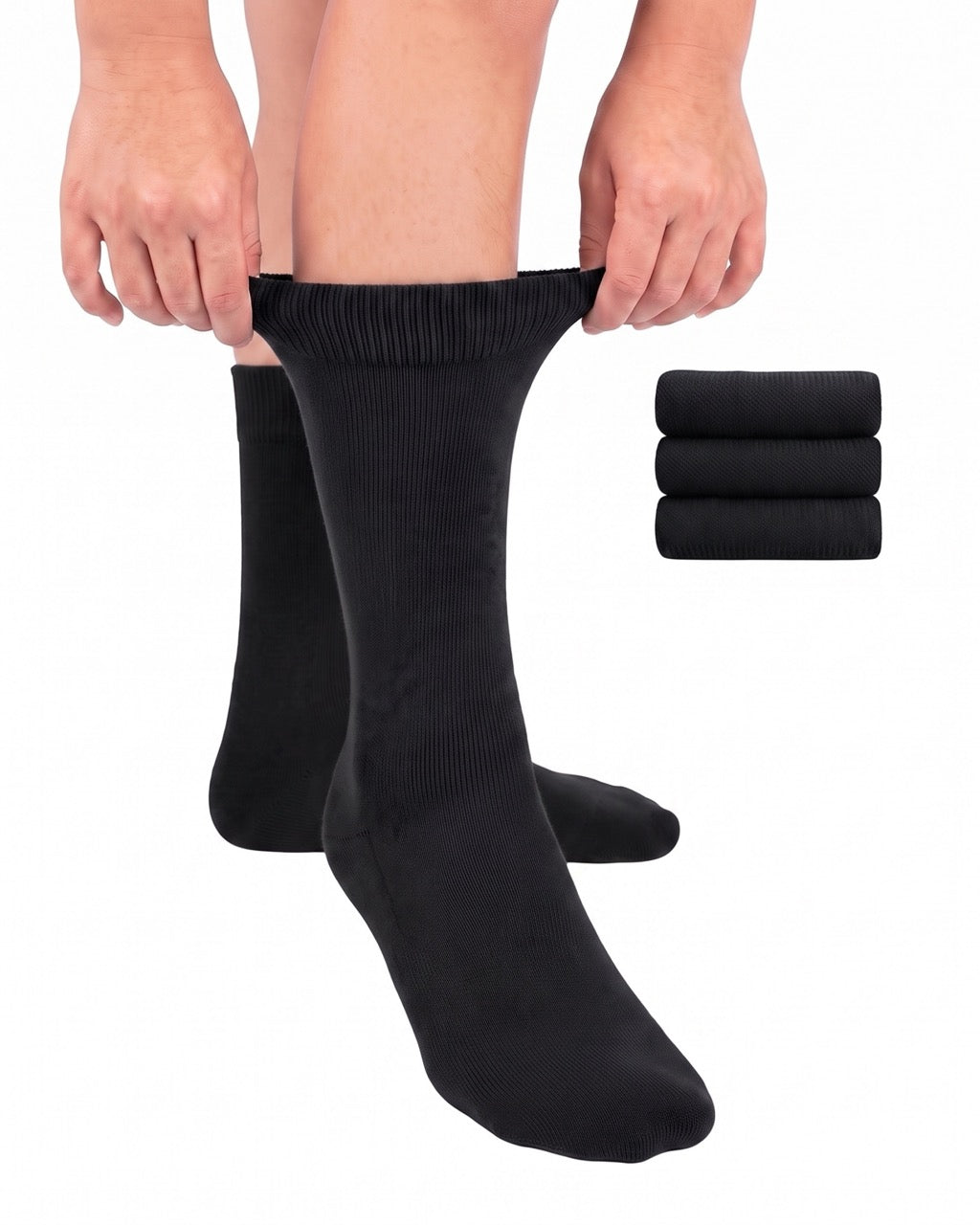
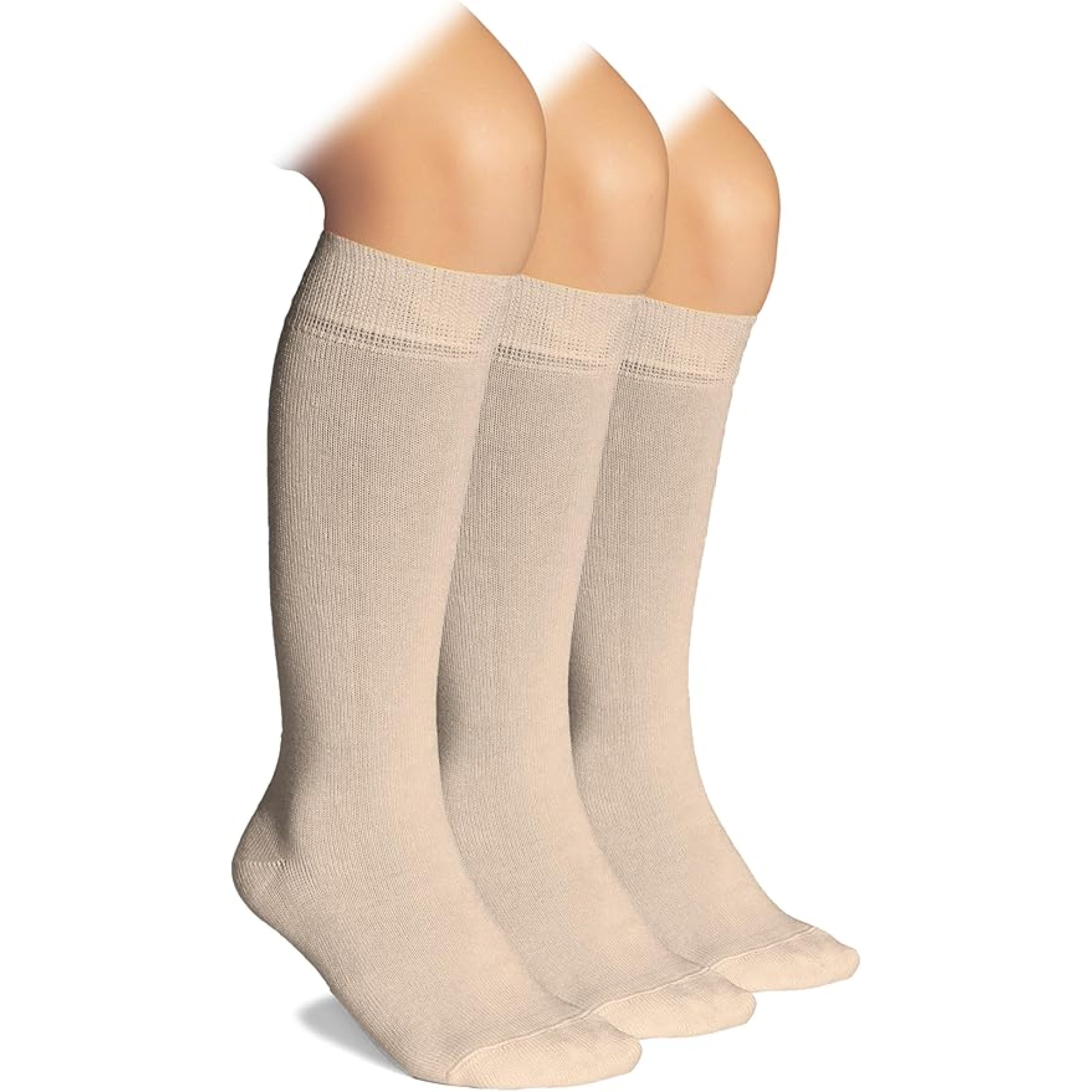


Foot fatigue and tired legs are often blamed on long days, standing jobs, or physical activity. However, one overlooked factor is the socks you wear. Wearing the wrong socks can directly affect comfort, blood flow, and overall foot health, leading to discomfort that builds throughout the day.
This article explains how socks influence fatigue, what to avoid, and how to choose the right pair for long-lasting comfort.
Yes, the wrong socks can cause foot fatigue and tired legs. Issues like poor fit, lack of support, and weak moisture wicking materials can lead to discomfort, reduced circulation, and increased strain on your feet.
Your feet rely on proper support, dryness, and circulation to stay comfortable. Socks play a key role in all three areas.
When socks fail to meet these needs, they can contribute to:
Over time, these issues can lead to noticeable foot fatigue and discomfort in your legs.
One of the most common causes of fatigue is wearing ill fitting socks.
Socks that are too tight can restrict circulation and reduce comfort. This may affect blood flow and contribute to tired legs.
Loose socks bunch inside shoes, increasing friction and causing pressure points.
A poor fit leads to uneven support, which forces your feet to work harder during movement.

Sweat buildup is another major factor. Socks without proper moisture wicking materials trap moisture, leading to discomfort.
This can result in:
Keeping your feet dry is essential for reducing fatigue and maintaining comfort.
The material of your socks directly impacts performance.
Cotton socks are soft but tend to absorb moisture instead of releasing it. This can make feet feel heavy and uncomfortable over time.
Merino wool offers better moisture control and temperature regulation, making it a stronger option for long wear.
Synthetic fibers improve durability and moisture management, especially in active situations.
Choosing the wrong material can contribute to foot issues and discomfort.
Socks without proper structure fail to support the natural shape of your foot.
This can lead to:
Wearing the right pair of socks with proper design helps distribute pressure evenly.
Very thin fabrics may feel lightweight but often lack cushioning.
Without enough padding:
Balanced cushioning is important for all-day comfort.
Circulation plays a major role in how your legs feel.
Poor sock design can:
Some socks, like compression socks, are specifically designed to improve circulation.
Compression socks apply gentle pressure to support blood flow and can help:
They are especially useful for people who stand or sit for extended periods.
People with sensitive skin may experience irritation from rough seams or poor materials.
This can lead to:
Soft, breathable materials help prevent these issues.
Avoiding fatigue starts with choosing better socks.
These features help reduce strain and support long-term foot health.
Useful for improving circulation and reducing fatigue during long days.
Designed for comfort and protection, especially for those with sensitive feet or circulation concerns.
Choosing the right type depends on your daily routine and comfort needs.
In addition to wearing better socks, small habits can help reduce fatigue:
These steps support overall comfort and reduce the risk of ongoing foot problems.
The connection between socks and fatigue is often underestimated. Wearing the wrong socks can lead to discomfort, reduced circulation, and tired legs.
By focusing on fit, material, and support, you can significantly improve comfort and reduce foot fatigue throughout the day.
Choosing the right socks is a simple but effective way to support your daily comfort and long-term foot health.
Yes. Poor fit and lack of support can affect circulation and contribute to fatigue.
Socks with good fit, cushioning, and moisture control help reduce fatigue.
They are comfortable but may retain moisture, which can lead to discomfort over time.
Yes. They support circulation and can reduce fatigue during long periods of standing or sitting.
If your feet feel tired, damp, or irritated, your socks may not be providing the right support.
He has been working for more than 20 years in the textile industry and has work experience in many parts of the world.