Cart
0
You may also like
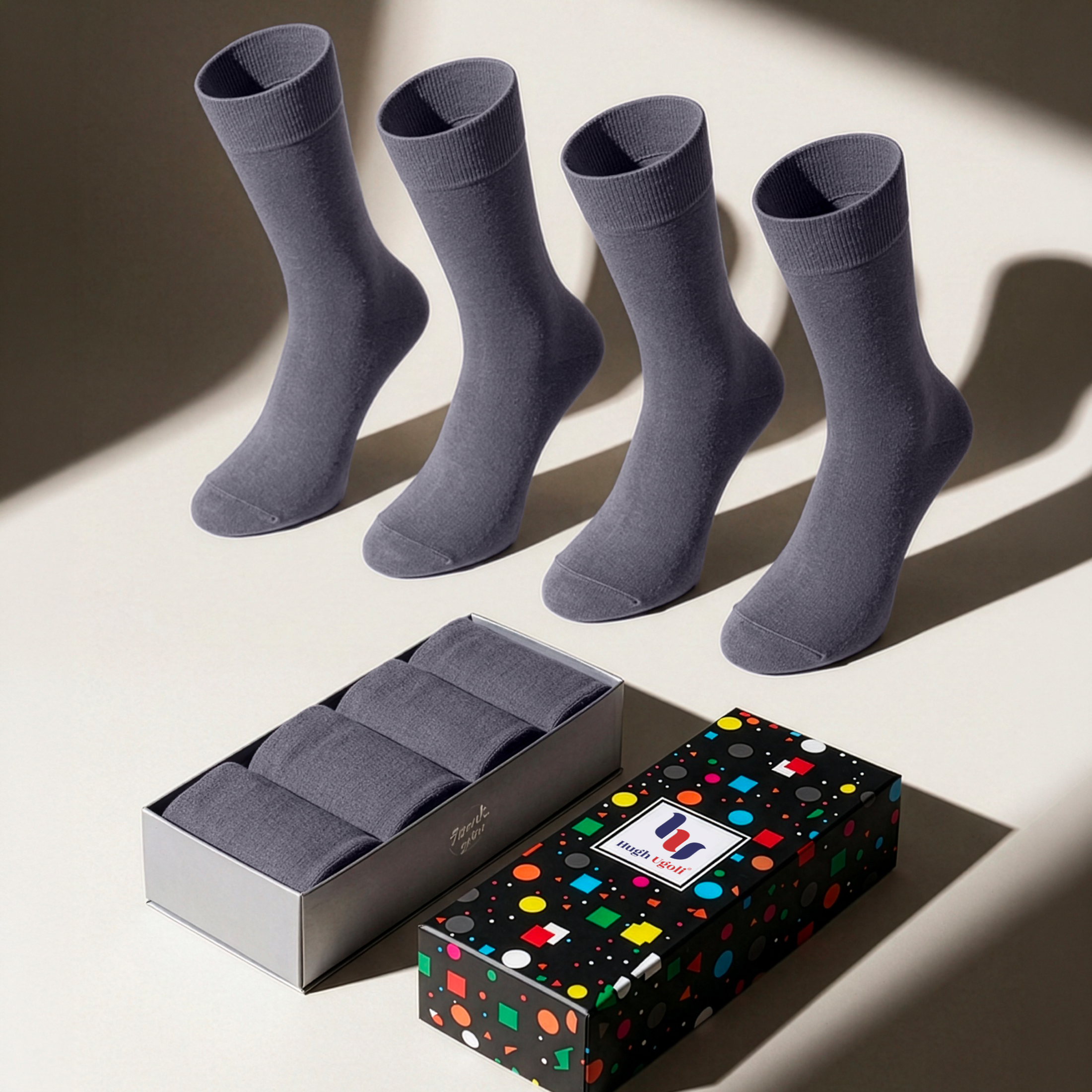
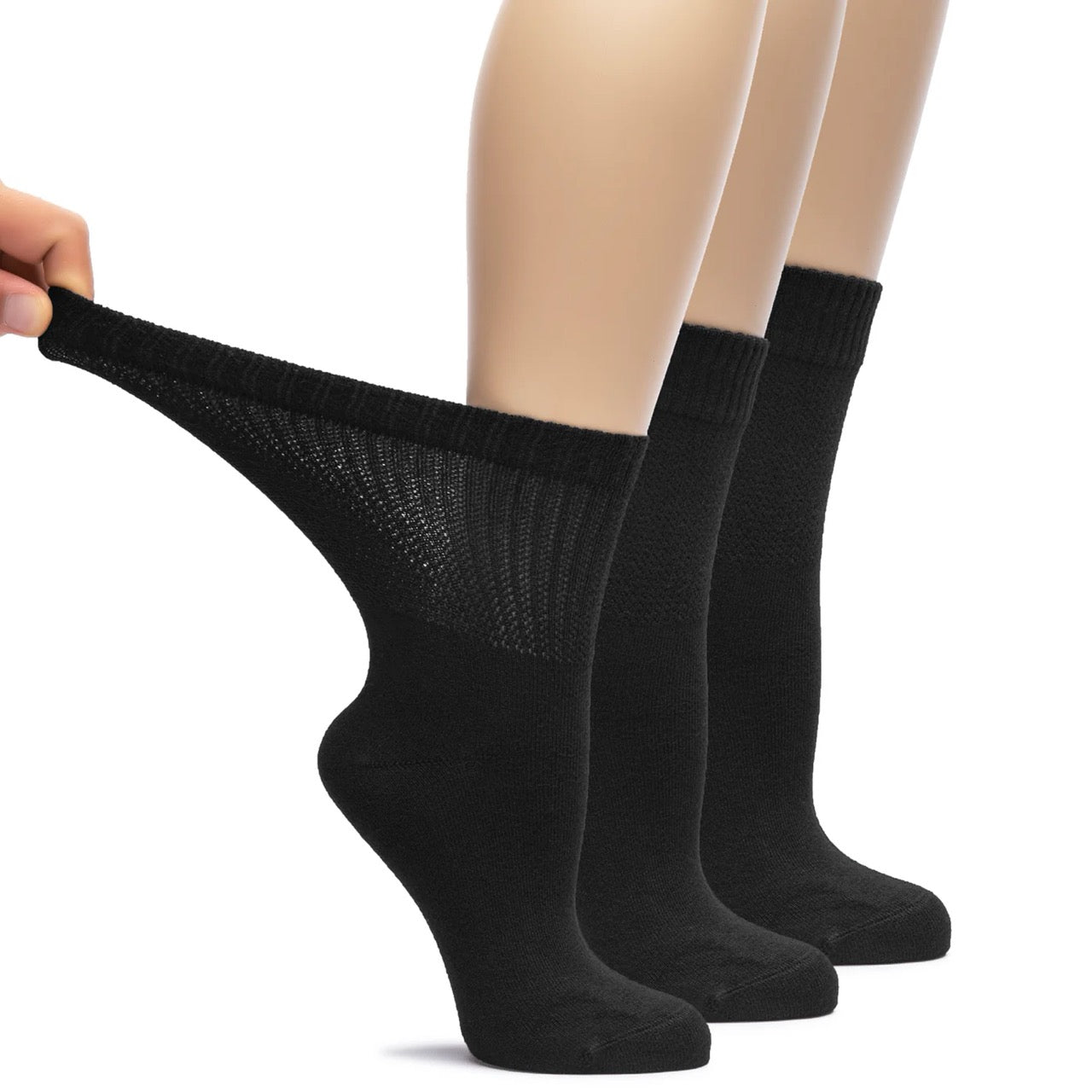
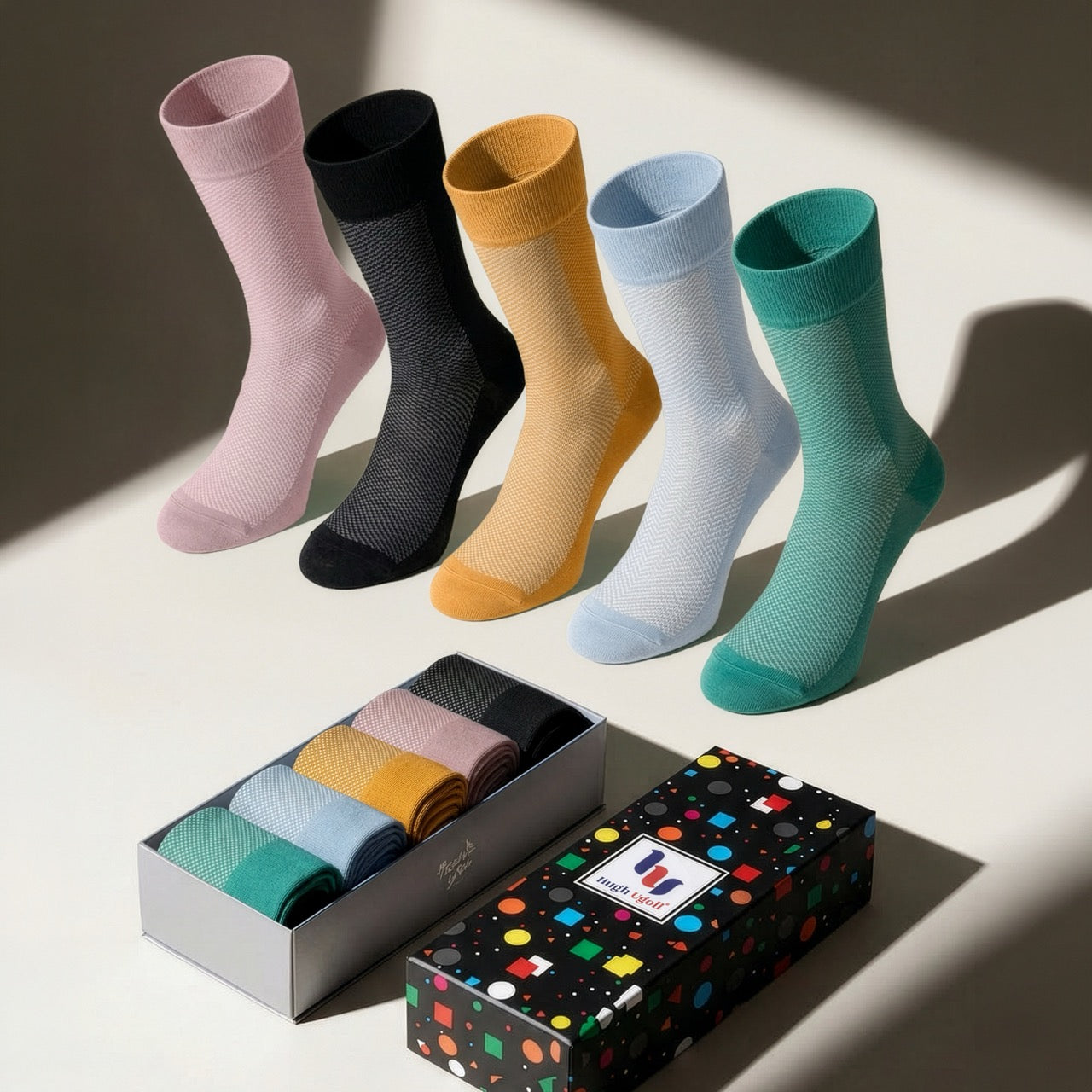
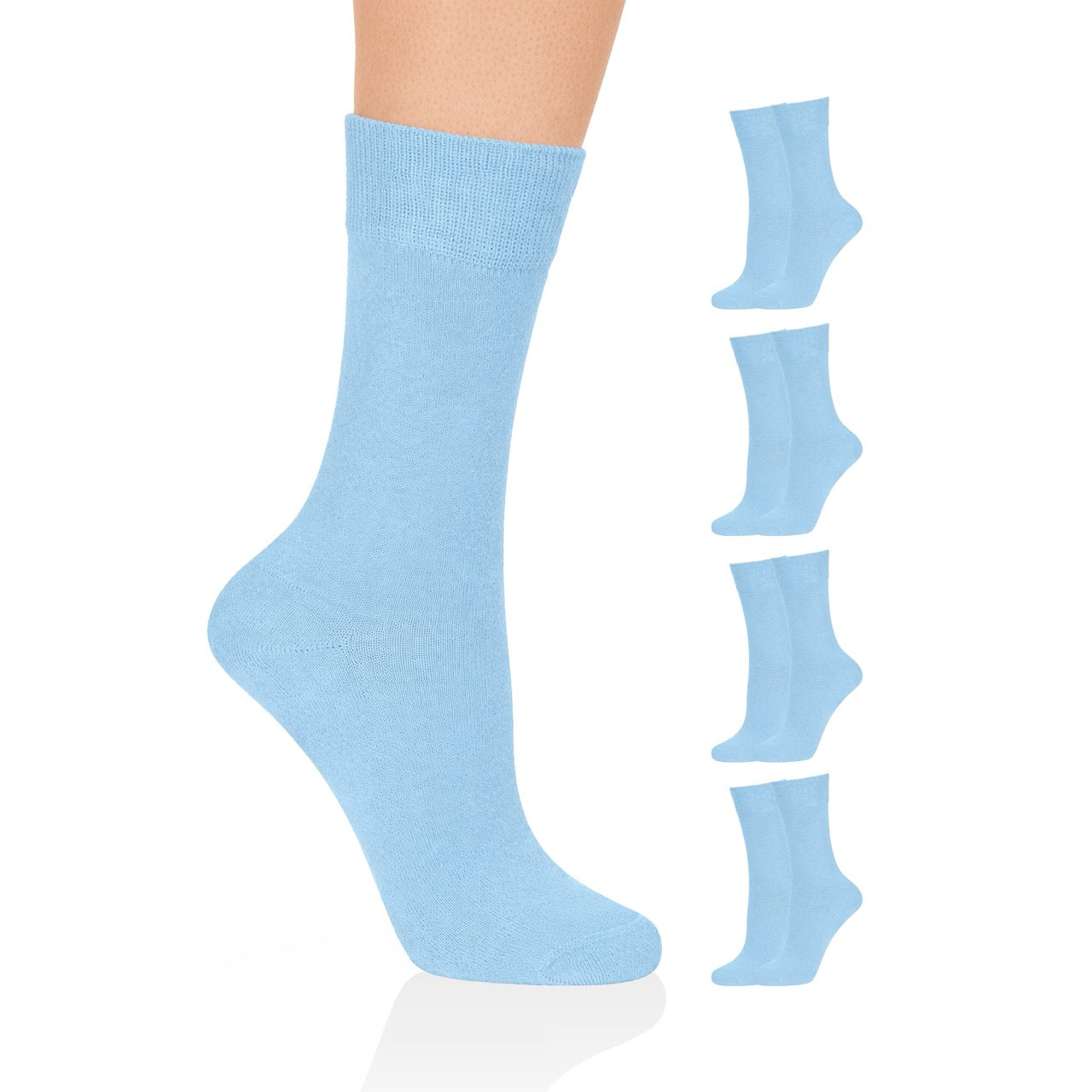
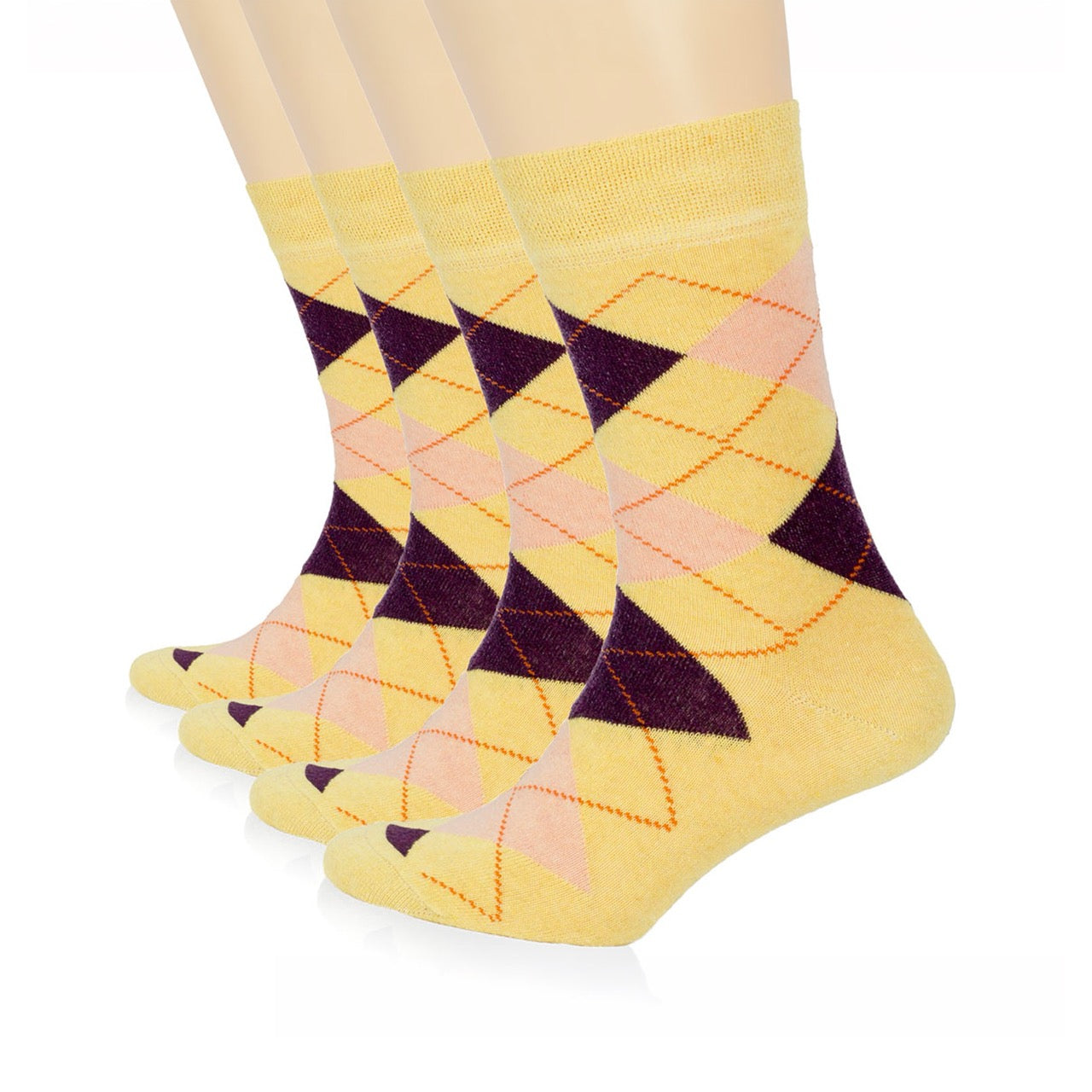


The right pair of socks can completely change how your feet feel throughout the day. Whether you're working long hours, walking frequently, or simply going about your routine, choosing socks that balance comfort, fit, and performance is essential for maintaining overall foot health.
This guide explains how to find socks that work for daily use while supporting comfort, durability, and proper circulation.
The best socks for daily use combine proper fit, moisture wicking properties, breathable materials, and supportive construction. These features help keep feet dry, reduce the risk of blisters, and improve long-term comfort.
Socks are in constant contact with your skin. Poor-quality or ill-fitting socks can lead to discomfort, irritation, and even long-term issues.
Choosing the right socks helps:
Even small improvements in sock design can make a noticeable difference in how your feet feel by the end of the day.
Material plays a major role in how socks perform during daily wear.
Blended materials often provide the best balance between comfort and performance.

Keeping your feet dry is critical for daily comfort. Socks that wick moisture away from the skin help prevent common issues.
Benefits include:
Moisture control is especially important during long workdays or active routines.
A proper fit ensures socks stay in place without causing discomfort.
Socks that are too tight may restrict circulation, while loose socks can cause friction and irritation.
Poor fit can lead to:
Cushioning helps absorb impact and improves overall comfort.
Daily-use socks should offer:
This helps maintain comfort without making shoes feel tight.
Some socks are designed to support circulation through structured pressure.
Socks with graduated compression use graduated pressure to improve blood circulation. They are tighter at the ankle and gradually loosen upward.
This can help:
Many individuals choose to wear compression socks for daily comfort or travel.
Compression socks are often recommended to help prevent deep vein thrombosis (DVT) and reduce the risk of blood clots, especially during long periods of inactivity.
They may also help with conditions such as varicose veins.
Groups that may benefit include:
Diabetic socks and compression socks serve different purposes. Diabetic socks focus on protection and comfort without pressure.
Wearing diabetic socks can help:
They are ideal for individuals who need extra care and gentle support.
Daily-use socks should be able to handle frequent wear and washing.
Durable socks provide consistent comfort and long-term value.
Your lifestyle should guide your sock choice.
Choose socks that provide support and reduce fatigue during long hours.
Focus on softness and breathability.
Select socks with strong moisture control and durability.
Versatile socks can transition between these uses while maintaining comfort.
The right socks can help prevent common problems.
This plays an important role in maintaining long-term foot health.
Finding the right socks for daily use comes down to understanding material, fit, and function. Socks that combine breathability, moisture control, and proper support provide the best experience for everyday wear.
By choosing carefully, you can improve comfort, reduce fatigue, and support your feet throughout the day.
Socks with breathable materials, proper fit, and moisture control are best for everyday wear.
Yes. The right socks help prevent irritation, manage moisture, and support circulation.
They can be helpful for long hours or travel, especially to improve circulation.
People with sensitive feet, diabetes, or circulation concerns benefit most from diabetic socks.
They should stay in place without being tight, and should not cause pressure or slipping.
He has been working for more than 20 years in the textile industry and has work experience in many parts of the world.