Cart
0
You may also like
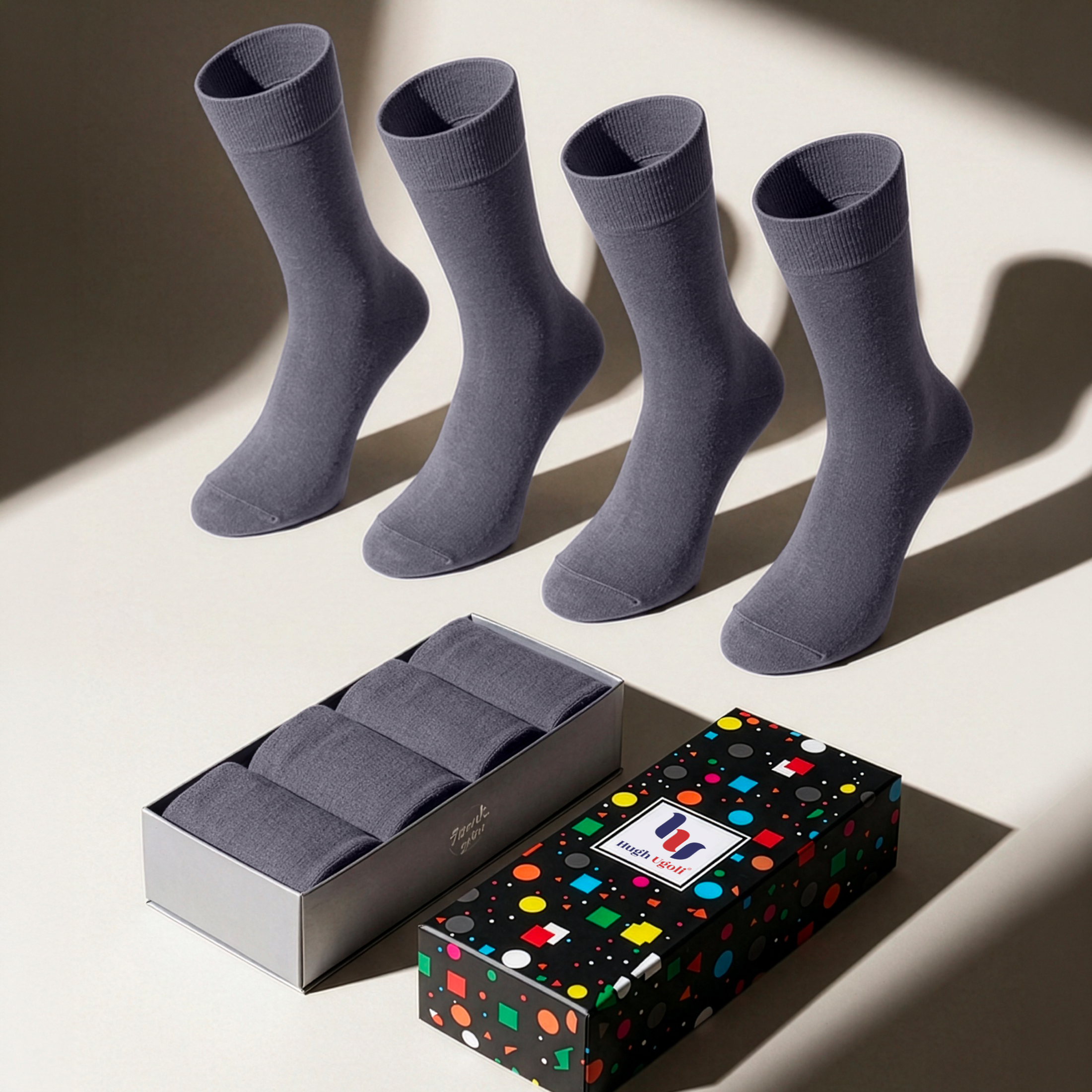
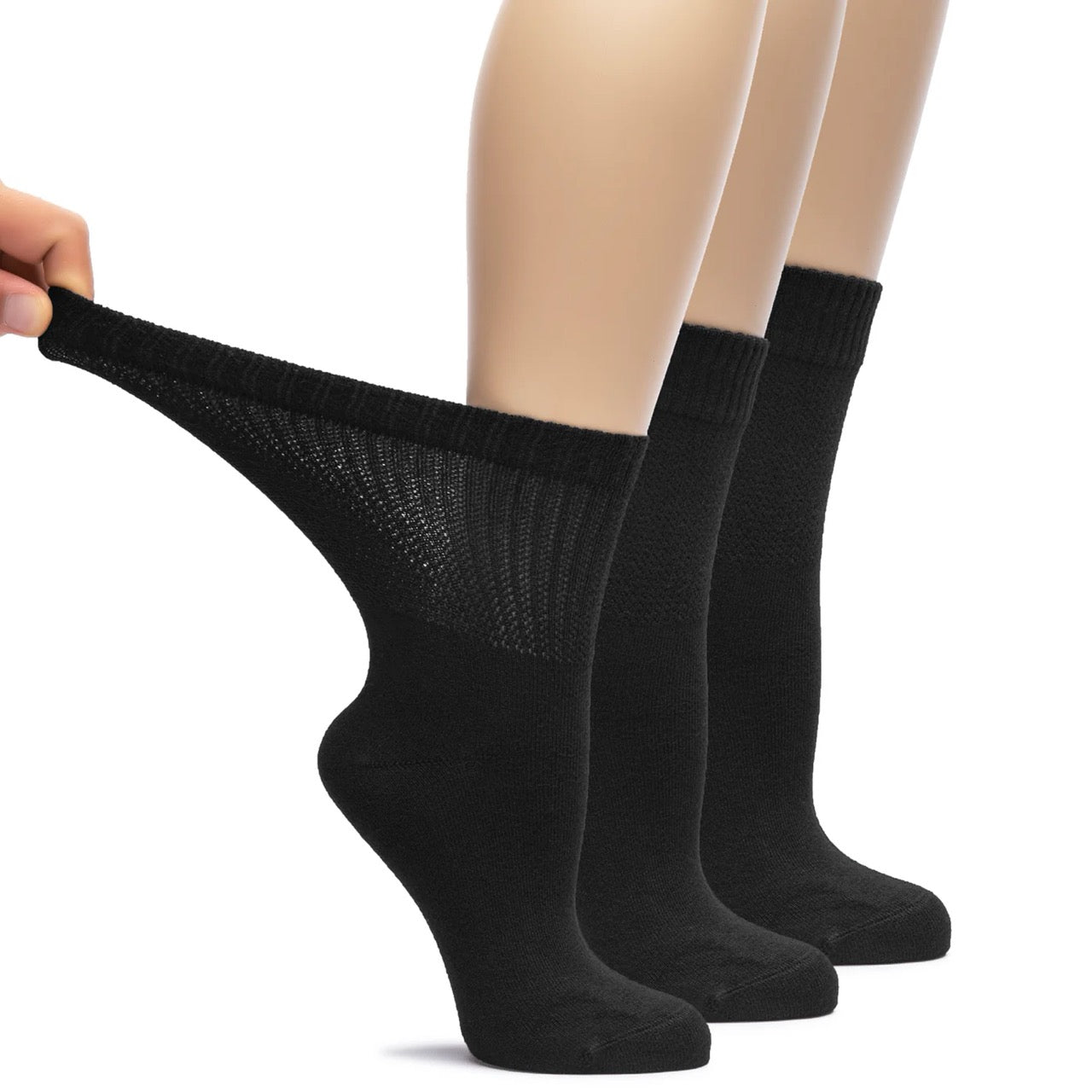
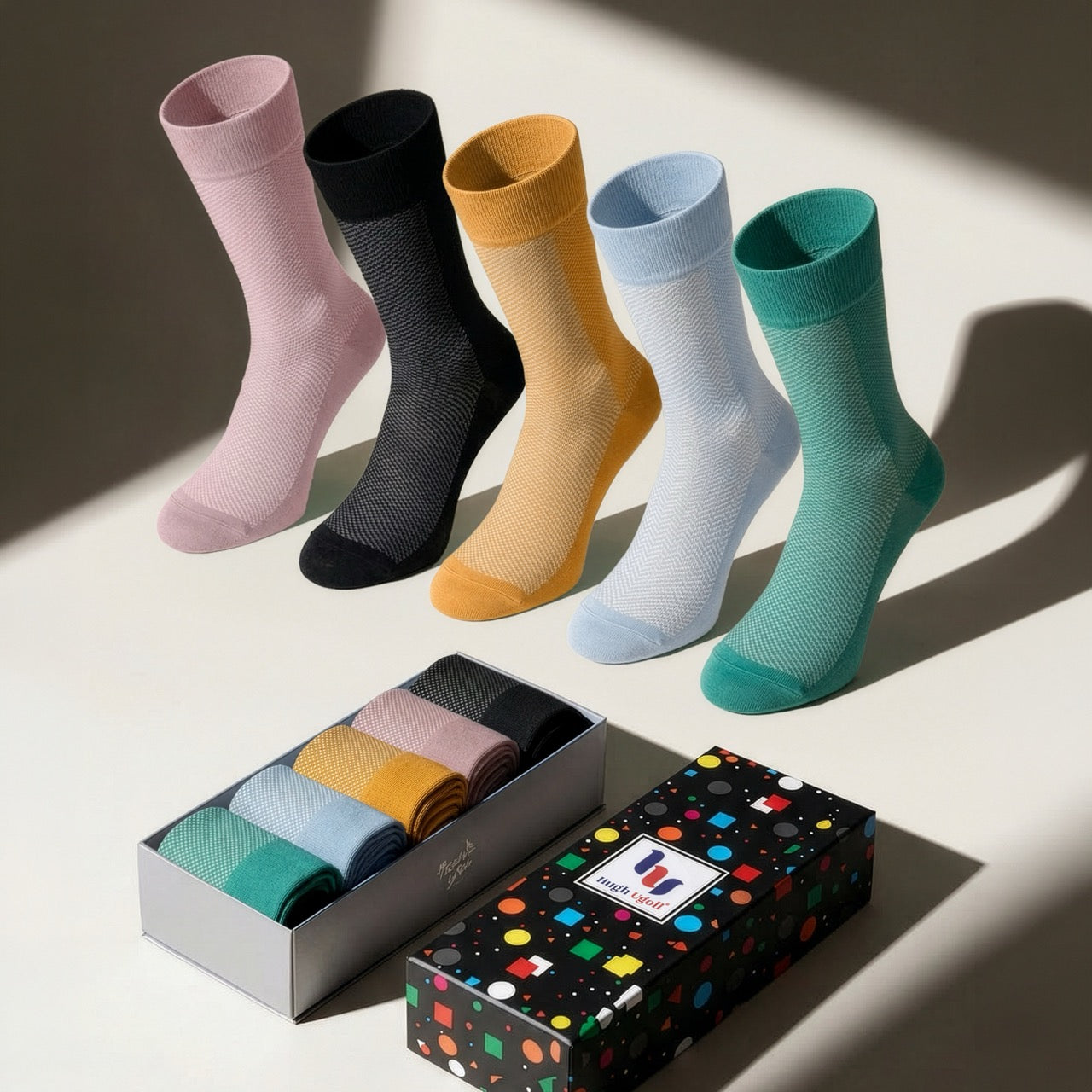
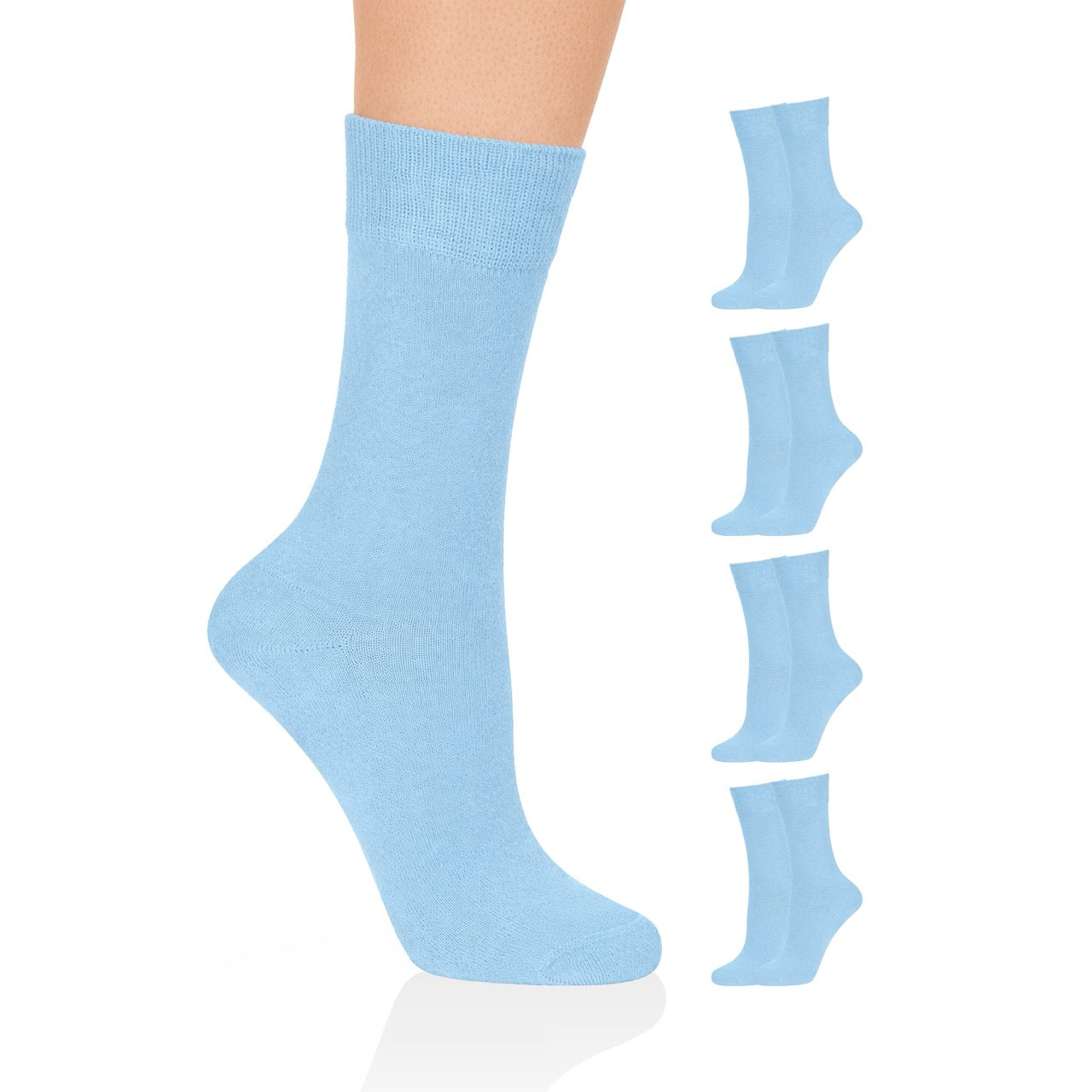
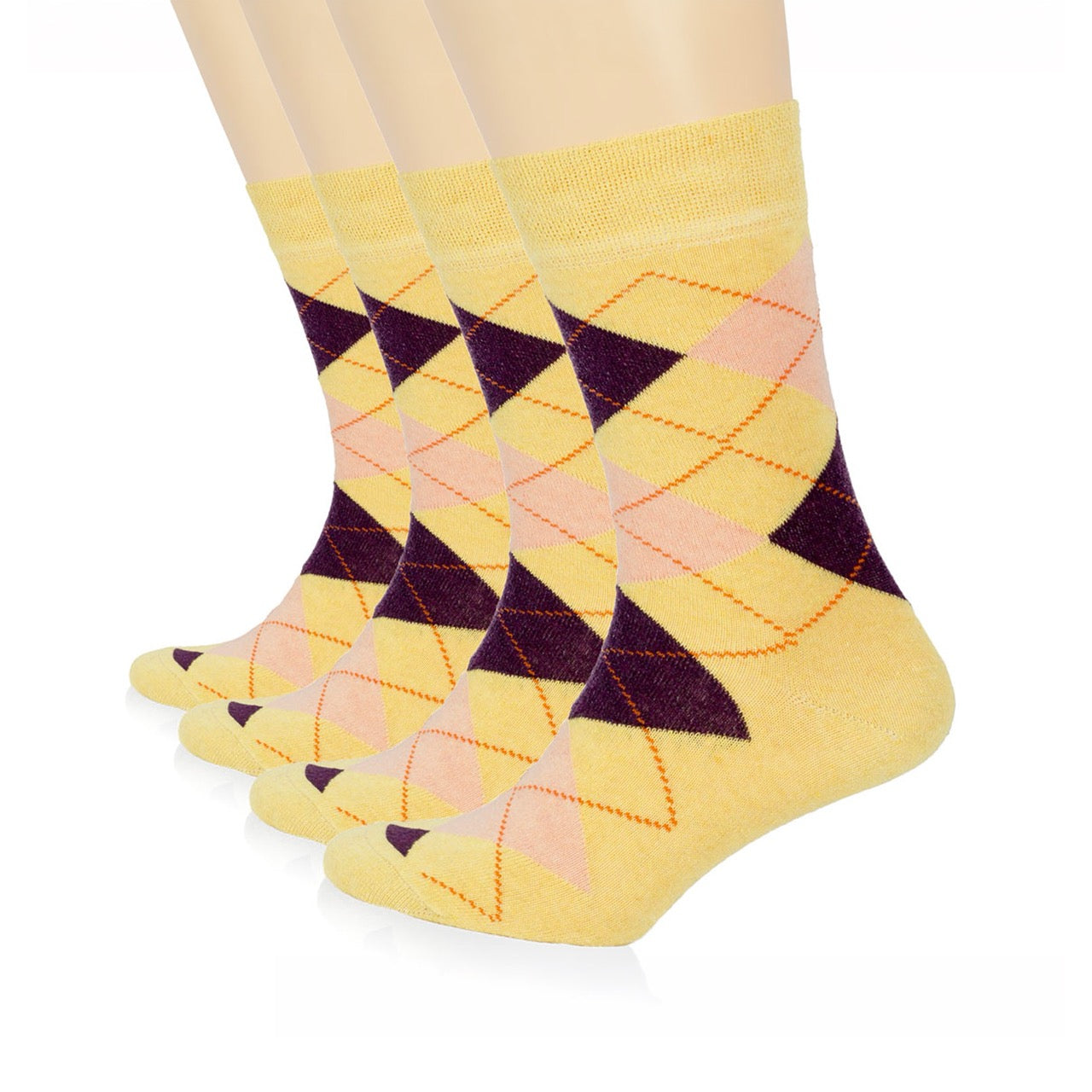
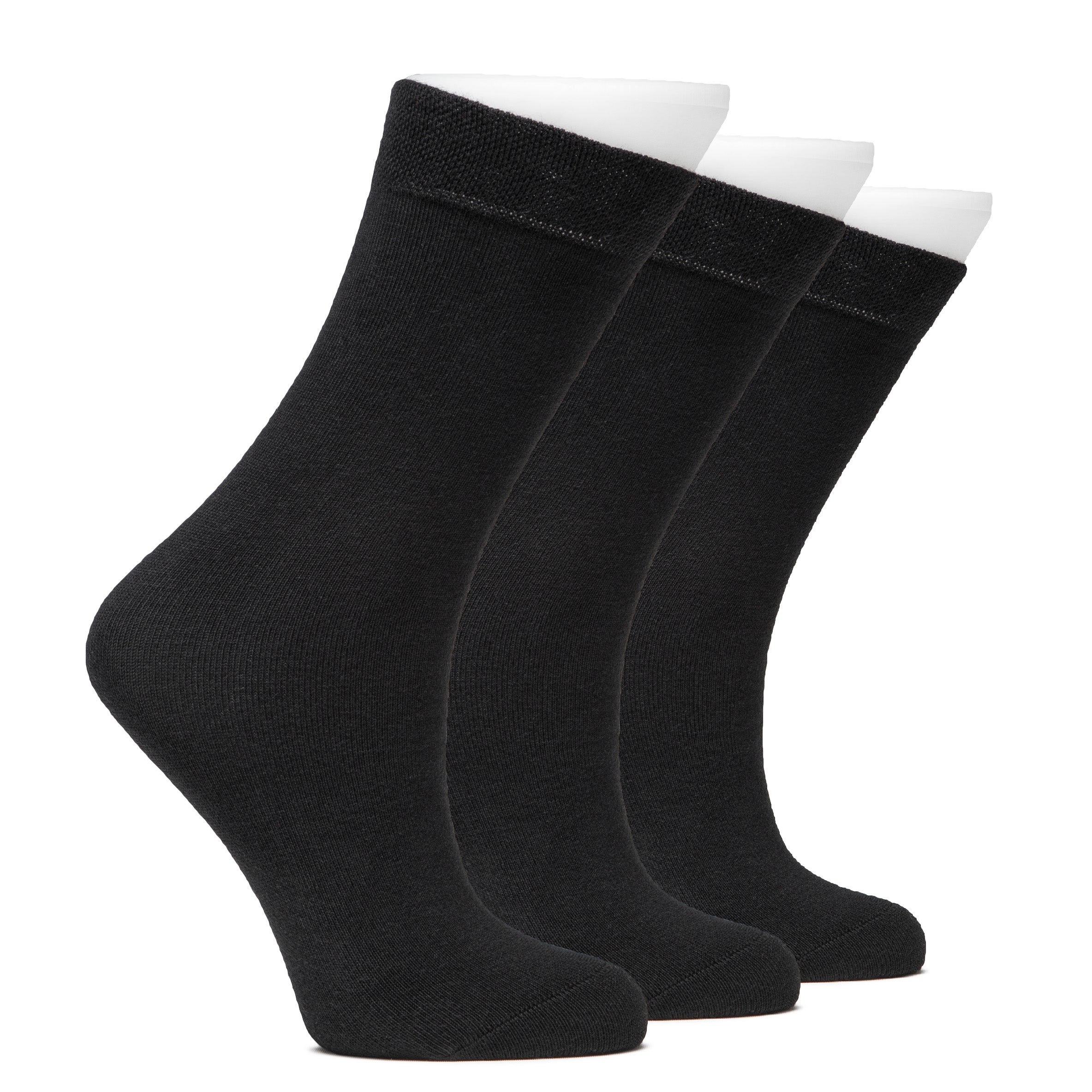
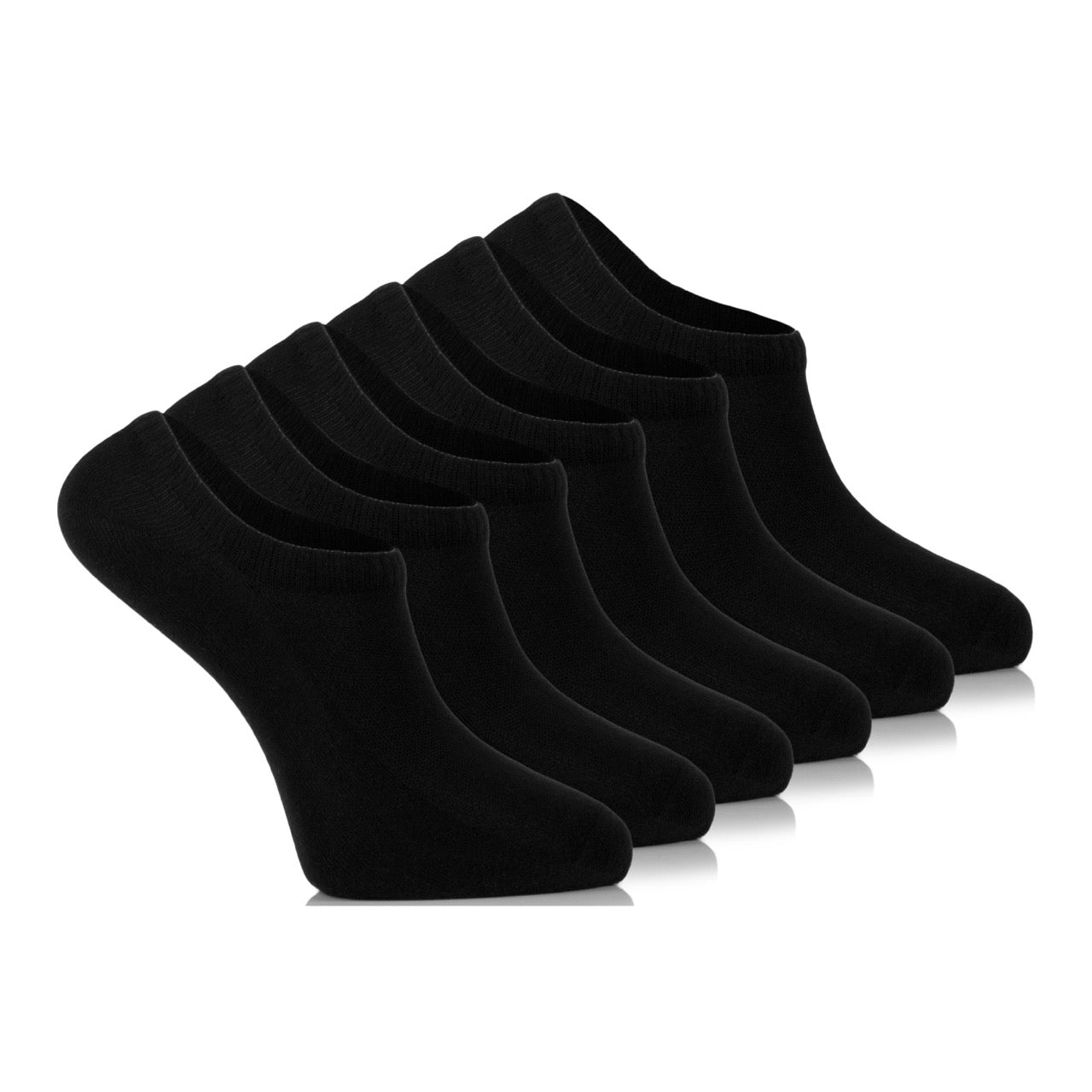
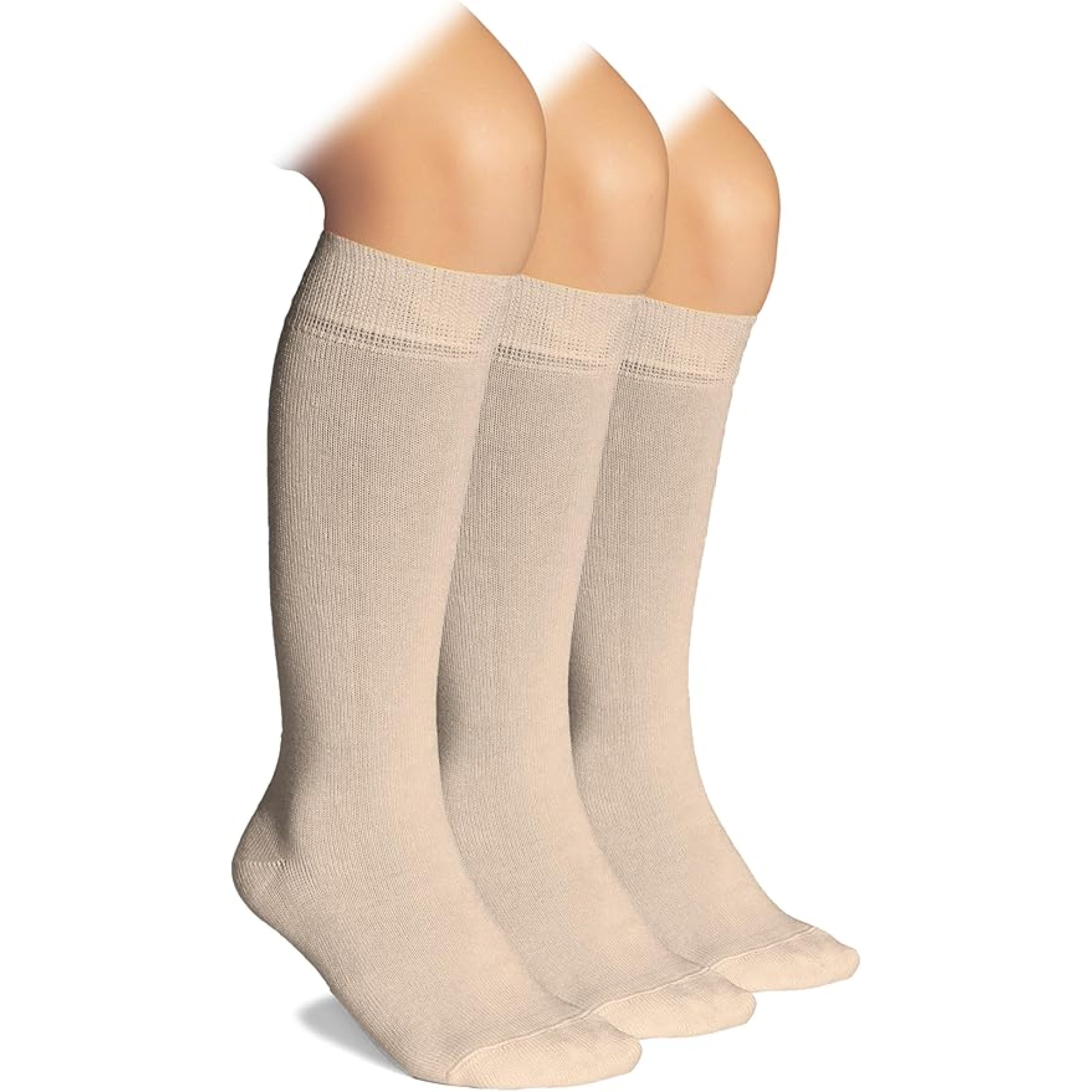


Buying socks may seem simple, but the right choice can significantly impact comfort, durability, and overall foot health. From material and fit to moisture control and support, several factors determine whether a pair of socks will truly meet your needs.
This guide breaks down what to look for before buying new socks so you can make informed, practical decisions.
Before buying new socks, focus on material, fit, moisture wicking properties, construction, and intended use. The right combination helps reduce discomfort, prevent irritation, and support daily foot care.
Material is the foundation of any good sock. It determines breathability, softness, and durability.
High-quality socks often combine both types for balanced comfort and durability.
Keeping your feet dry is essential for comfort and hygiene. Socks with strong moisture wicking properties pull sweat away from the skin.
This helps:
Moisture control is especially important during long days or physical activity.
A good fit ensures socks stay in place without restricting movement or circulation.
Ill-fitting socks can lead to discomfort, slipping, or pressure points that affect foot health.
Socks that are too tight may restrict circulation, leading to discomfort or leg fatigue. Over time, this can impact overall comfort, especially during long wear.

Well-made socks last longer and provide better comfort.
These details help prevent wear and improve long-term performance.
Some socks offer additional support to improve comfort and circulation.
Socks with graduated compression apply graduated pressure, tighter at the ankle and looser up the leg. This helps improve blood circulation and reduce fatigue.
These are useful for:
Many people choose to wear compression socks to reduce swelling and support circulation.
Compression socks are often used to help prevent deep vein thrombosis (DVT) and reduce the risk of blood clots, especially during long periods of sitting or standing.
They are also recommended for conditions such as varicose veins.
Diabetic socks and compression socks serve different purposes. Diabetic socks focus on comfort, protection, and circulation without pressure.
Wearing diabetic socks can benefit:
These socks are designed to reduce friction, prevent irritation, and support overall foot care.
Different activities require different types of socks.
Choose breathable, comfortable socks with moderate cushioning.
Look for socks that support circulation and reduce leg fatigue.
Select durable socks with strong moisture control and reinforcement.
Opt for lightweight, smooth socks that fit well with dress shoes.
High-quality socks should maintain their shape and function after multiple washes.
Proper care also extends the life of your socks and preserves performance.
The right socks can help prevent a range of issues.
Choosing the right pair plays an important role in maintaining long-term foot health.
Buying new socks is more than just picking a color or style. Material, fit, moisture control, and support all contribute to comfort and durability.
By paying attention to these details, you can choose socks that not only feel better but also protect your feet and support your daily routine.
Material and fit are the most important, as they directly affect comfort and performance.
Yes. The right socks help keep feet dry, reduce friction, and support proper circulation.
No, but they can help during long periods of sitting or standing and improve circulation.
If you have sensitive feet, diabetes, or circulation concerns, diabetic socks offer added protection.
Look for strong materials, reinforced areas, good elasticity, and consistent performance after washing.
He has been working for more than 20 years in the textile industry and has work experience in many parts of the world.