Cart
0
You may also like
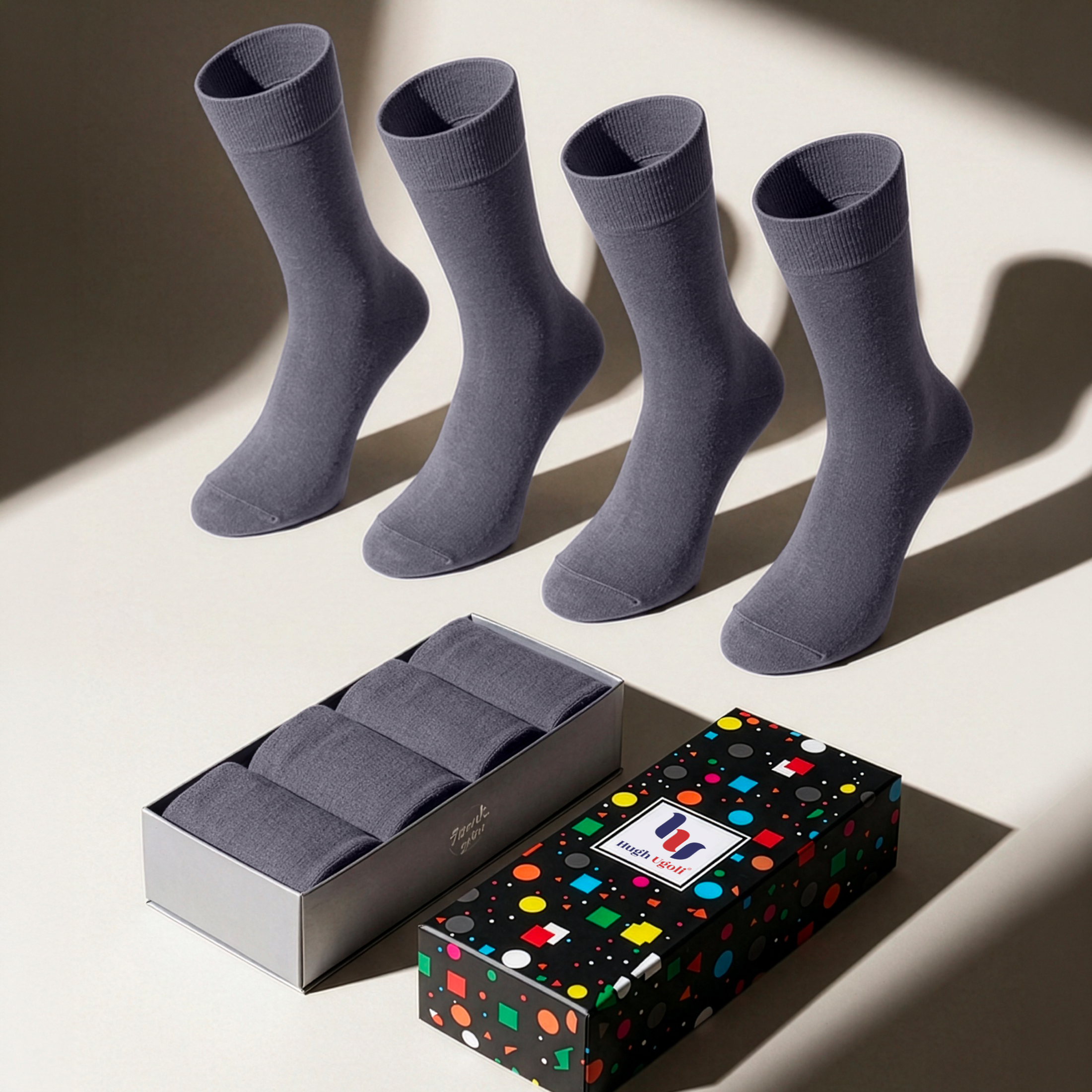
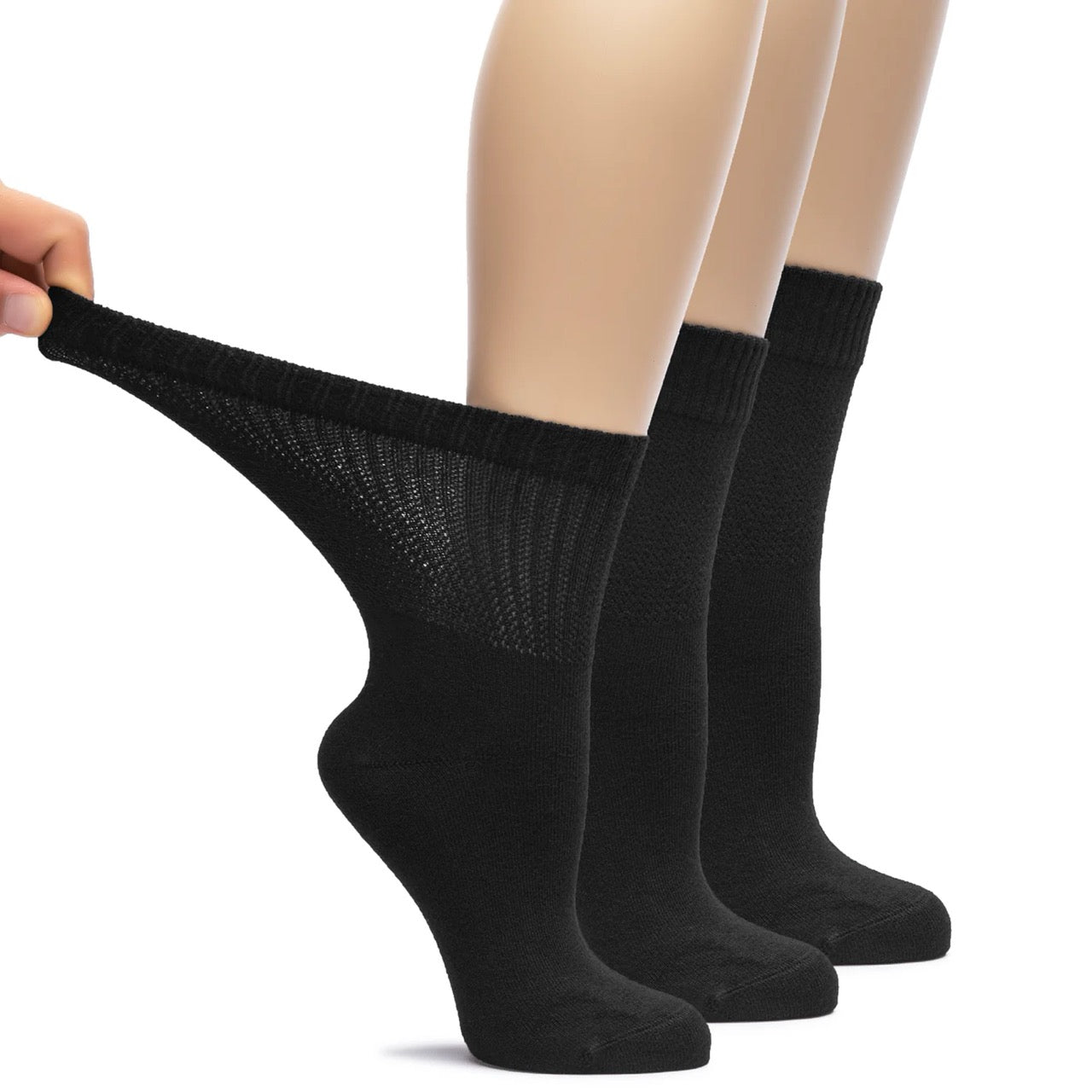
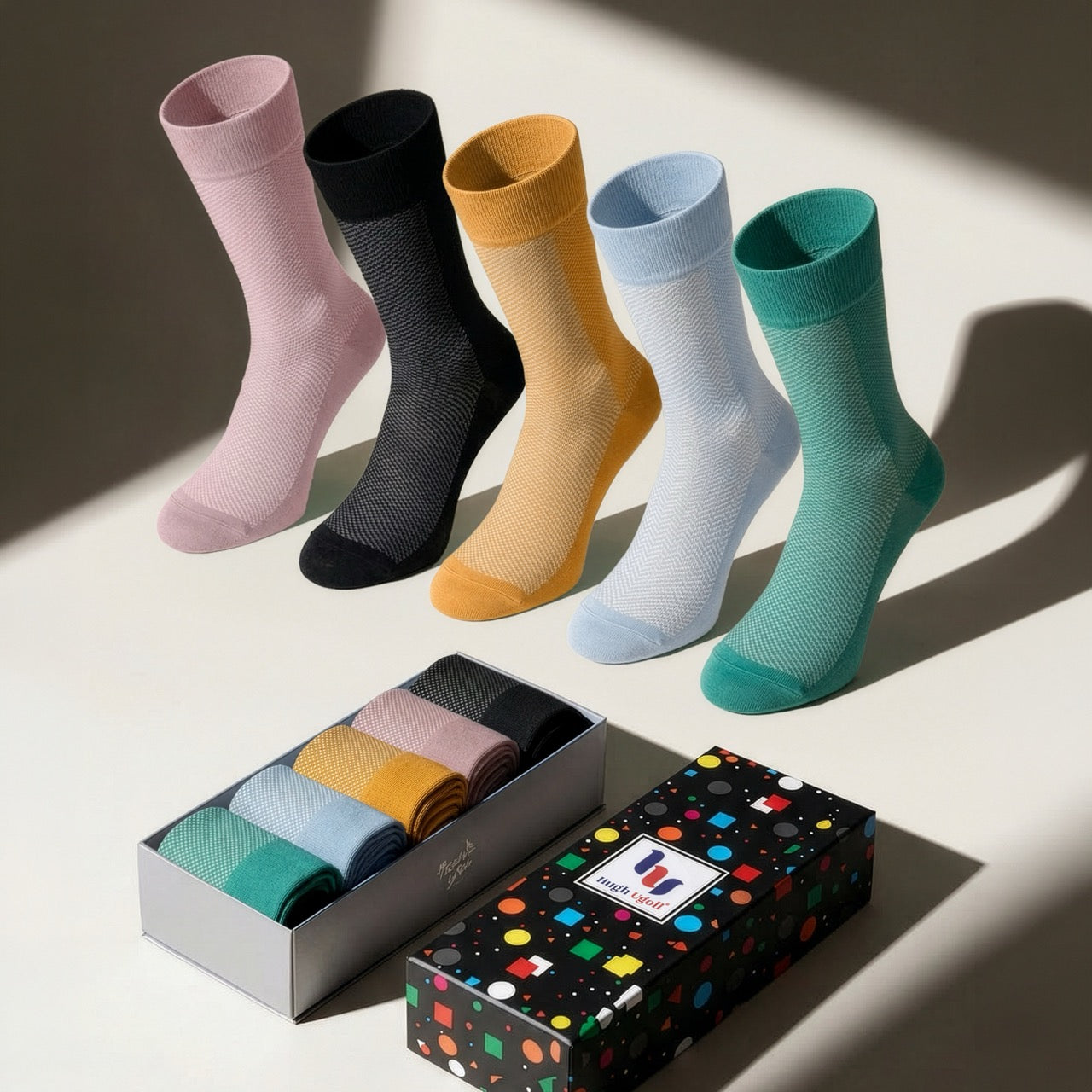
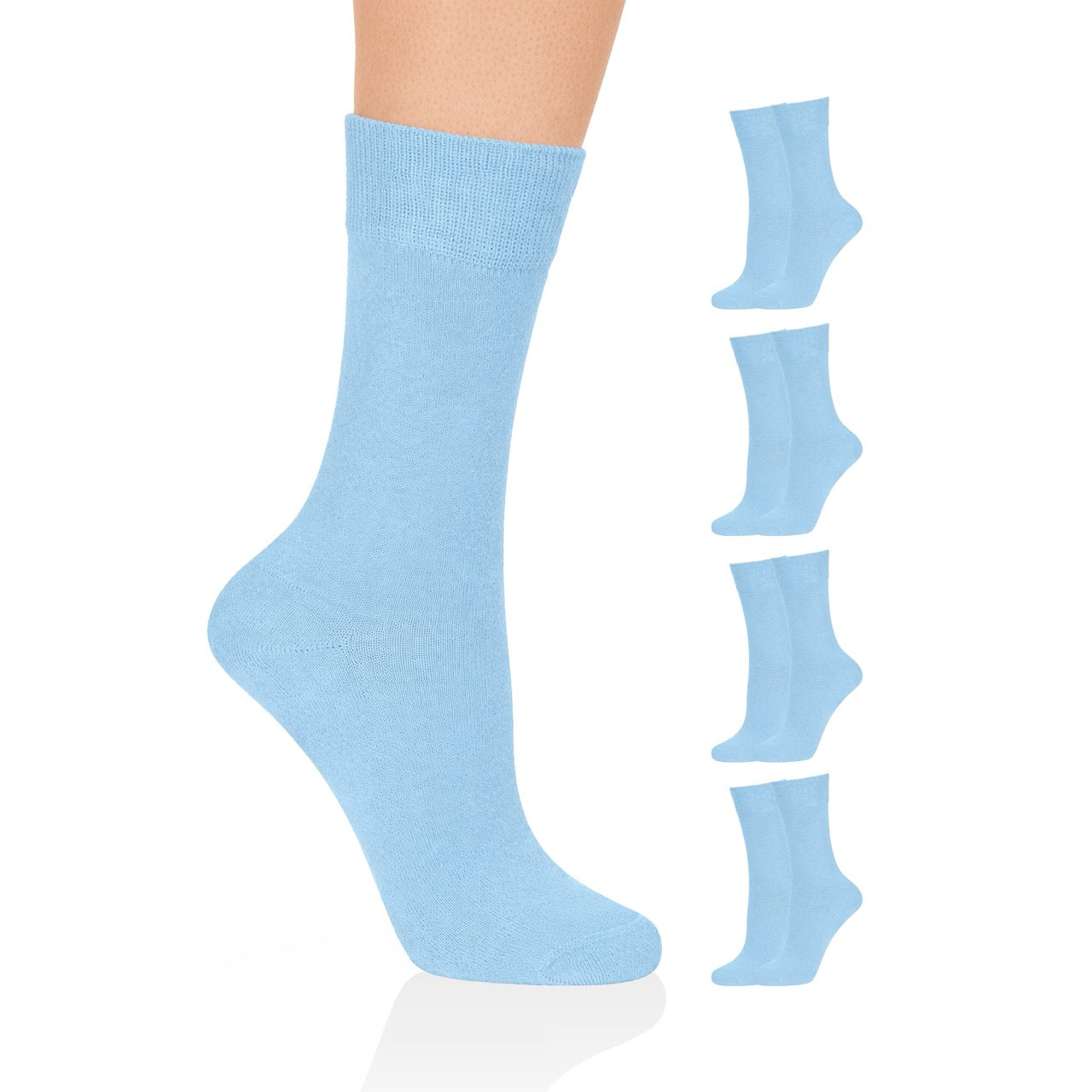
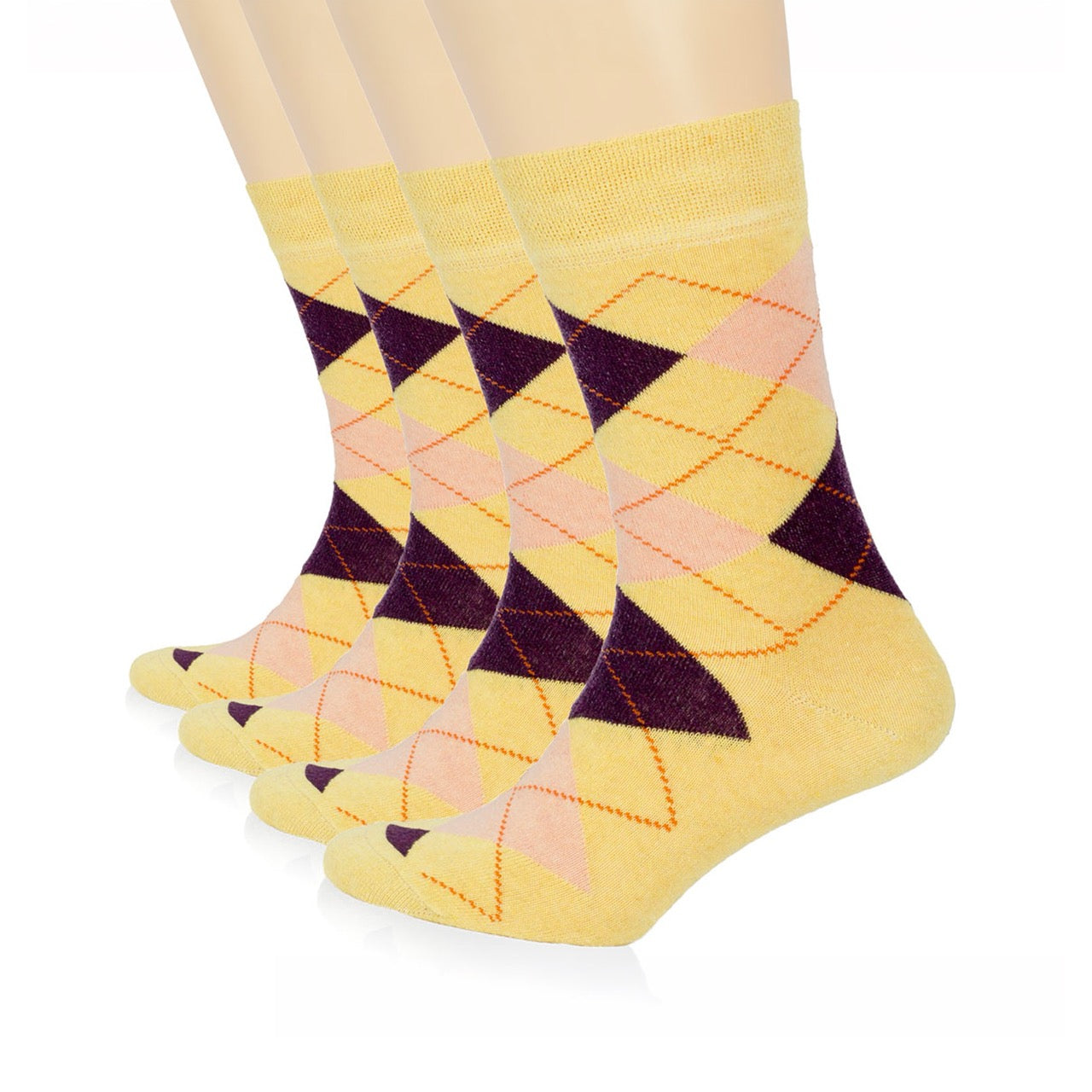
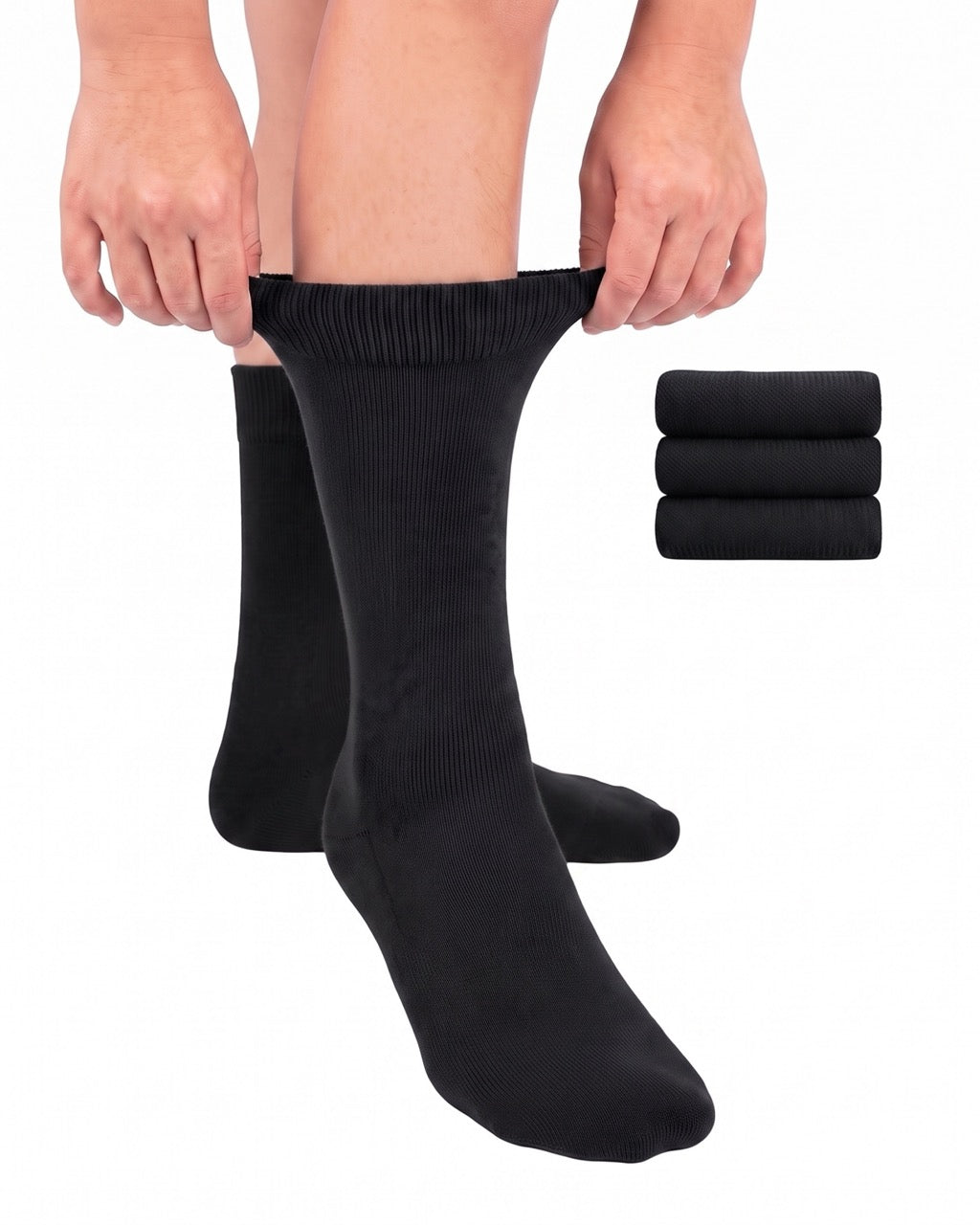
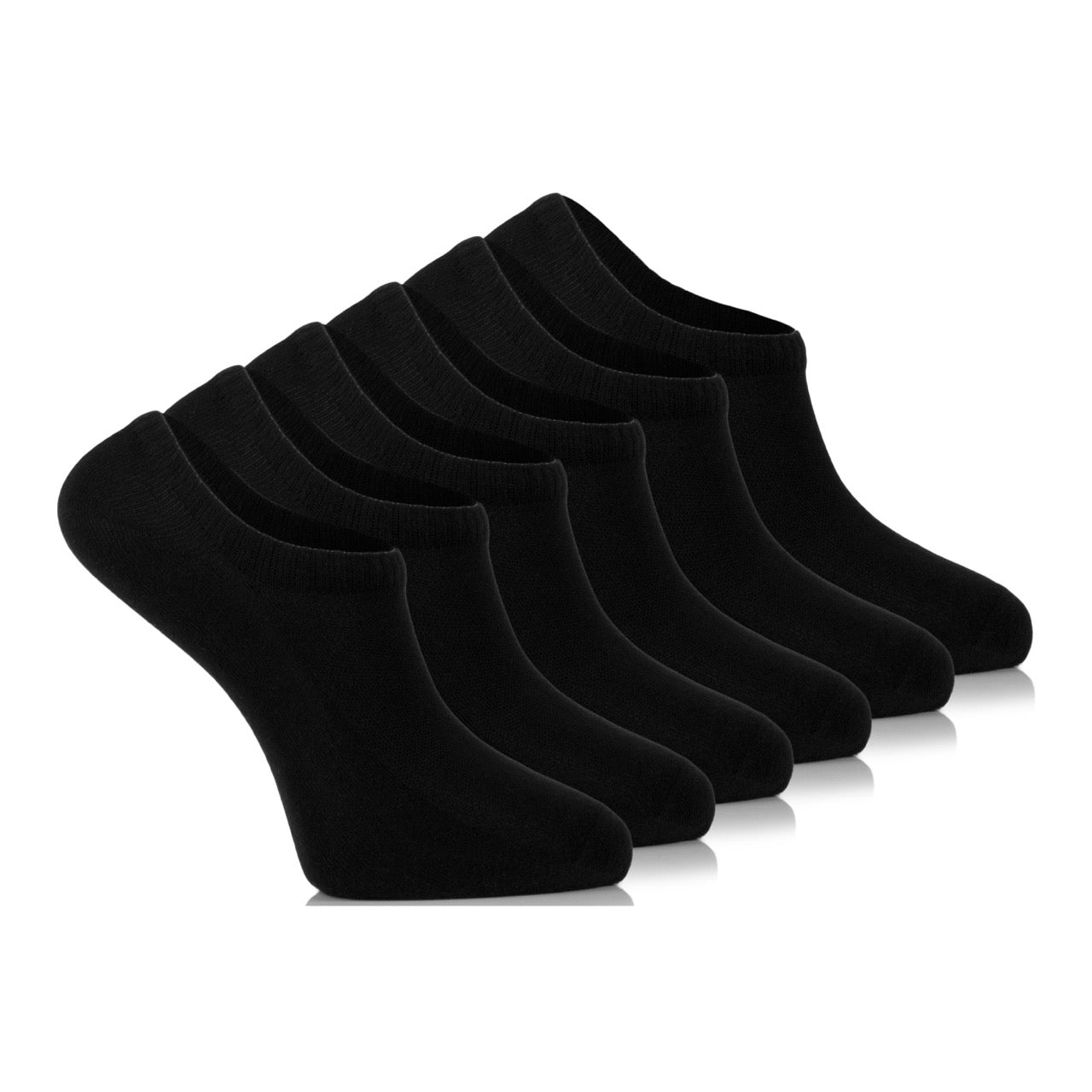
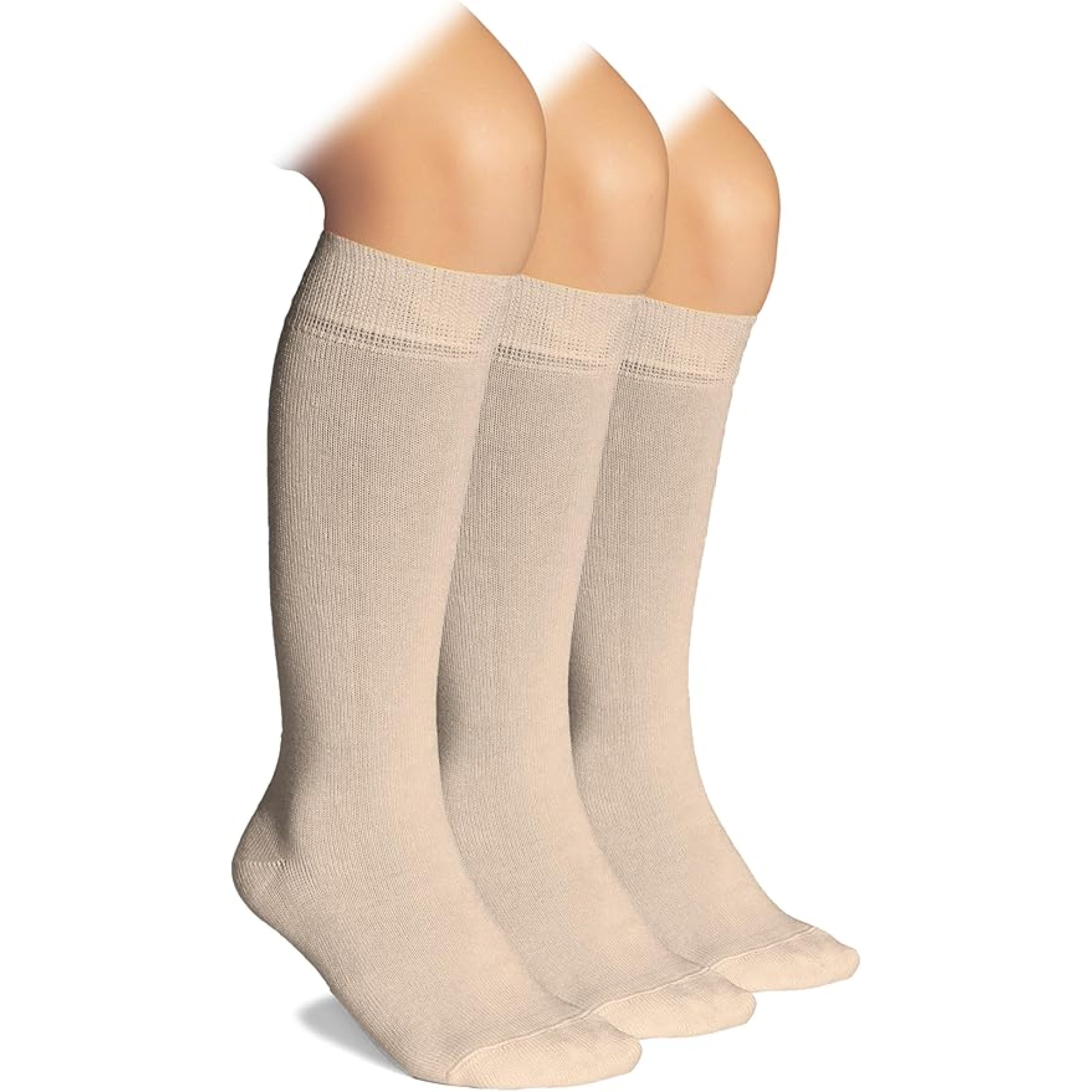


In recent years, a noticeable shift has emerged in how people choose their socks. The 2026 sock trend is moving away from tight, restrictive designs toward softer, looser options that prioritize comfort and everyday wearability. This change reflects a broader evolution in lifestyle, where comfort is no longer a luxury—it is a baseline expectation.
Socks are no longer just a functional layer between your feet and shoes. Today, they are part of a larger conversation about comfort, health, and personal style.
More people are switching to softer, looser socks in 2026 because they offer better comfort, reduce pressure, and support all-day wear. This sock trend reflects changing lifestyles where flexibility, breathability, and ease of movement matter more than tight compression or rigid structure.
Traditionally, socks were designed with structure in mind—tight cuffs, firm elastic, and limited flexibility. Today, socks are no longer defined only by durability or formality.
Instead, they are evolving into comfort-driven essentials that adapt to:
This shift explains why looser fits and softer materials are becoming more popular.
Modern consumers expect comfort in every part of their wardrobe.
Softer, looser socks provide:
This makes them ideal for long days, whether you're working, walking, or relaxing.
With more people working remotely or in flexible environments, comfort has become essential. Just as a software engineer or software developer focuses on optimizing every line of code when building software, consumers now expect the same level of refinement in everyday clothing.
Socks are part of that optimization—designed to feel better, not just function.

Tight socks can create pressure around the calf and ankle. Over time, this may lead to discomfort.
Looser socks help by:
This is especially important for people who spend long hours sitting or standing.
The materials used in socks have also evolved.
Softer socks often use:
These materials improve airflow and reduce overheating, making them suitable for year-round use.
Fashion trends have shifted toward relaxed silhouettes, and socks are no exception.
Sock styling now emphasizes:
Crew socks, in particular, have become a popular choice due to their balance between coverage and comfort.
Previously, socks were meant to stay hidden. Today, they are part of the outfit.
This has encouraged designs that:
Consumers are becoming more aware of how clothing affects their bodies.
Softer, looser socks help reduce:
This shift aligns with a broader focus on well-being and everyday comfort.
The modern lifestyle requires clothing that works across different settings.
Looser socks are suitable for:
This versatility makes them a practical choice for daily wear.
Another reason behind this trend is simplicity.
Consumers prefer products that are easy to understand and use—what could be described as a plain english approach to design.
Instead of complex features, socks now focus on:
This simplicity resonates with a wide range of users.
Minimalist fashion continues to shape buying decisions.
Softer socks align with this trend by offering:
They integrate easily into different wardrobes without standing out too aggressively.
Consumers are shifting away from products that feel restrictive over time.
Instead, they are choosing socks that:
This reflects a preference for long-term comfort over rigid structure.
The sock trend in 2026 suggests that comfort-focused design will continue to grow.
Future developments may include:
Socks will continue evolving as part of a broader shift toward comfort-driven products.
The move toward softer, looser socks is not just a passing trend—it reflects a deeper change in how people approach comfort and daily wear.
As socks are no longer just functional items, they are becoming essential components of a comfortable lifestyle. The 2026 sock trend shows that people value flexibility, breathability, and ease more than ever before.
Choosing softer, looser socks is a simple way to improve daily comfort and align with modern expectations.
They provide better comfort, reduce pressure, and fit modern lifestyles.
For everyday comfort, yes. They allow more natural movement and reduce irritation.
High-quality designs maintain a secure fit without being restrictive.
Yes. Crew socks are widely used because they balance comfort and coverage.
Yes. Comfort-focused design is expected to remain a priority in future sock styles.
He has been working for more than 20 years in the textile industry and has work experience in many parts of the world.