Cart
0
You may also like
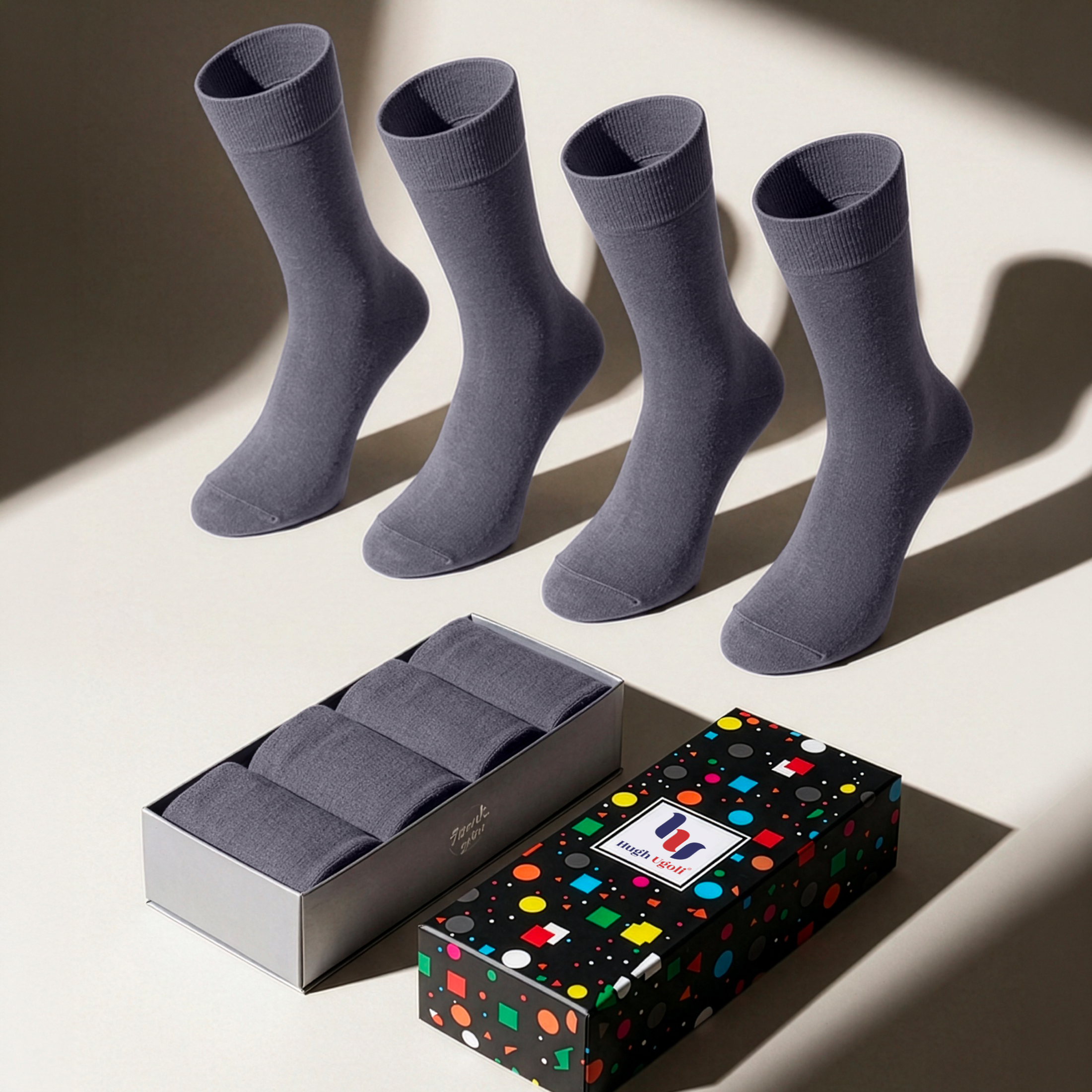
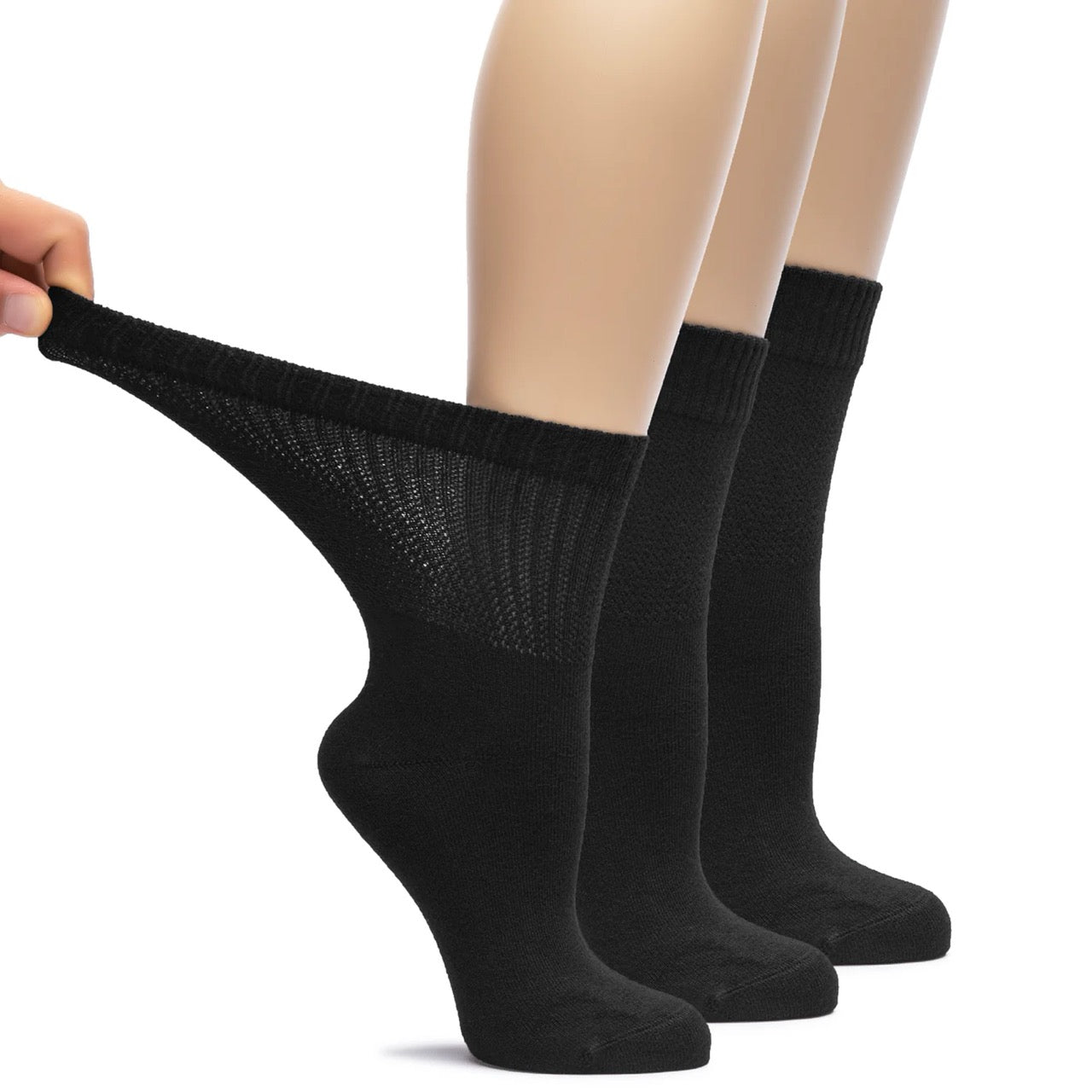

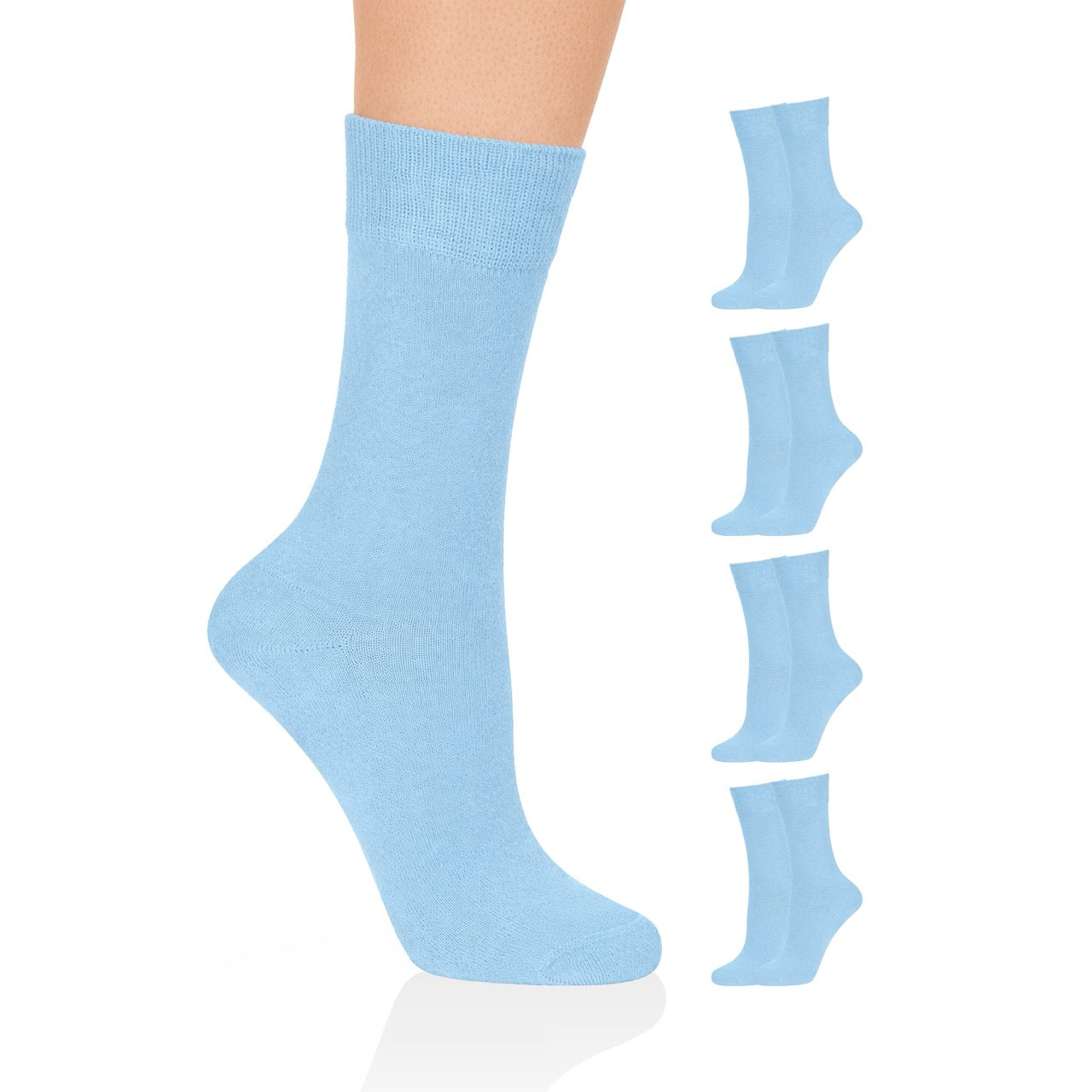
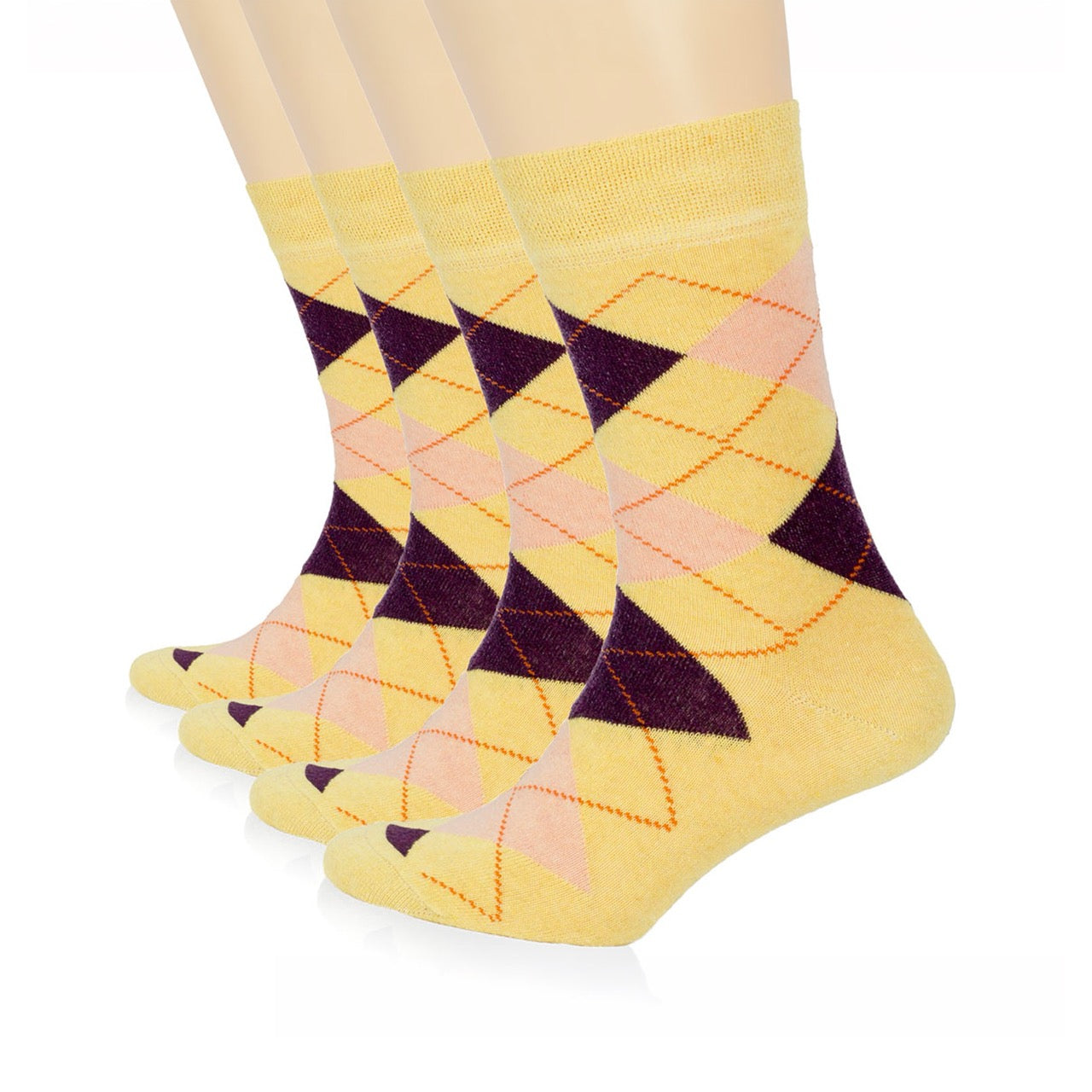
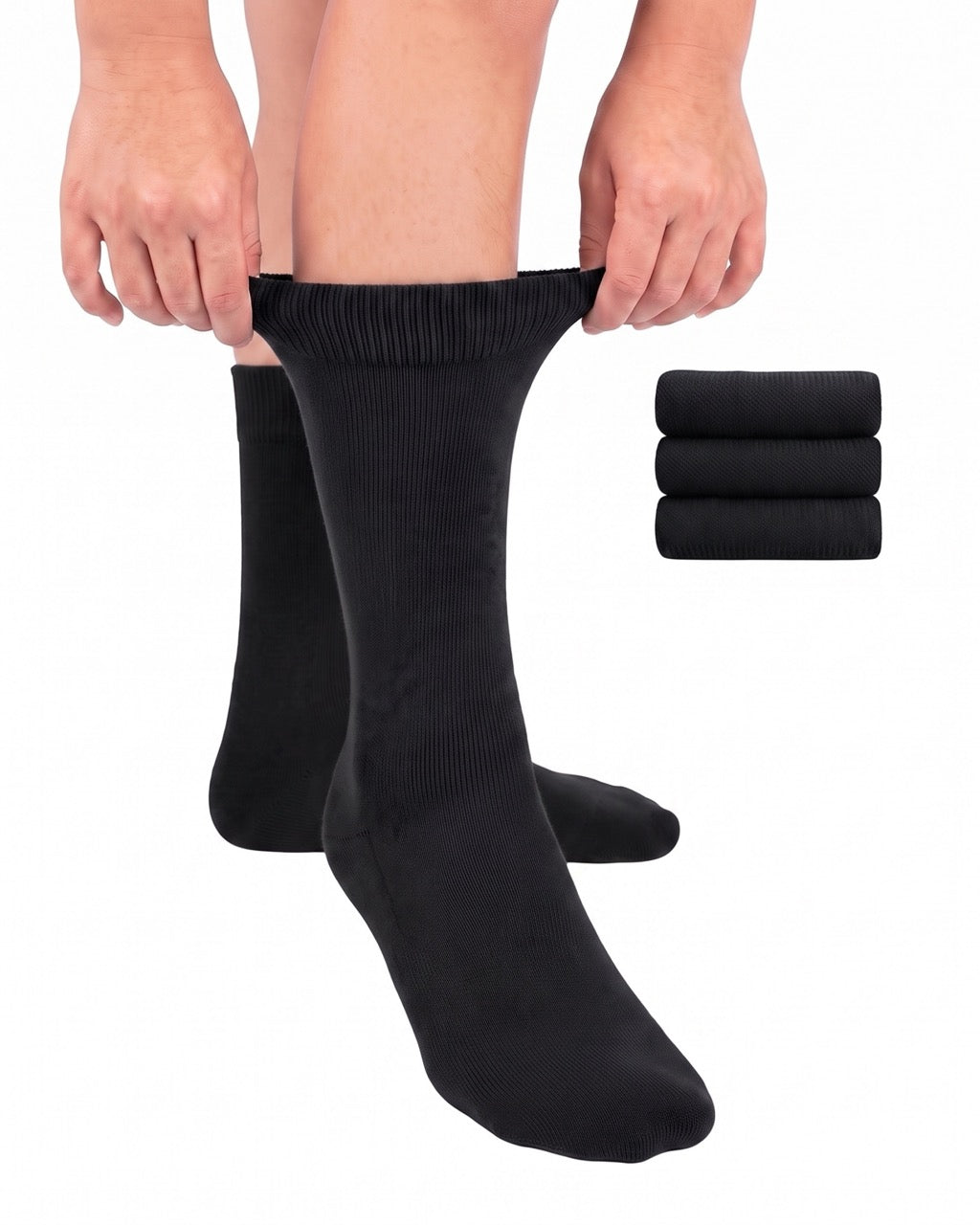
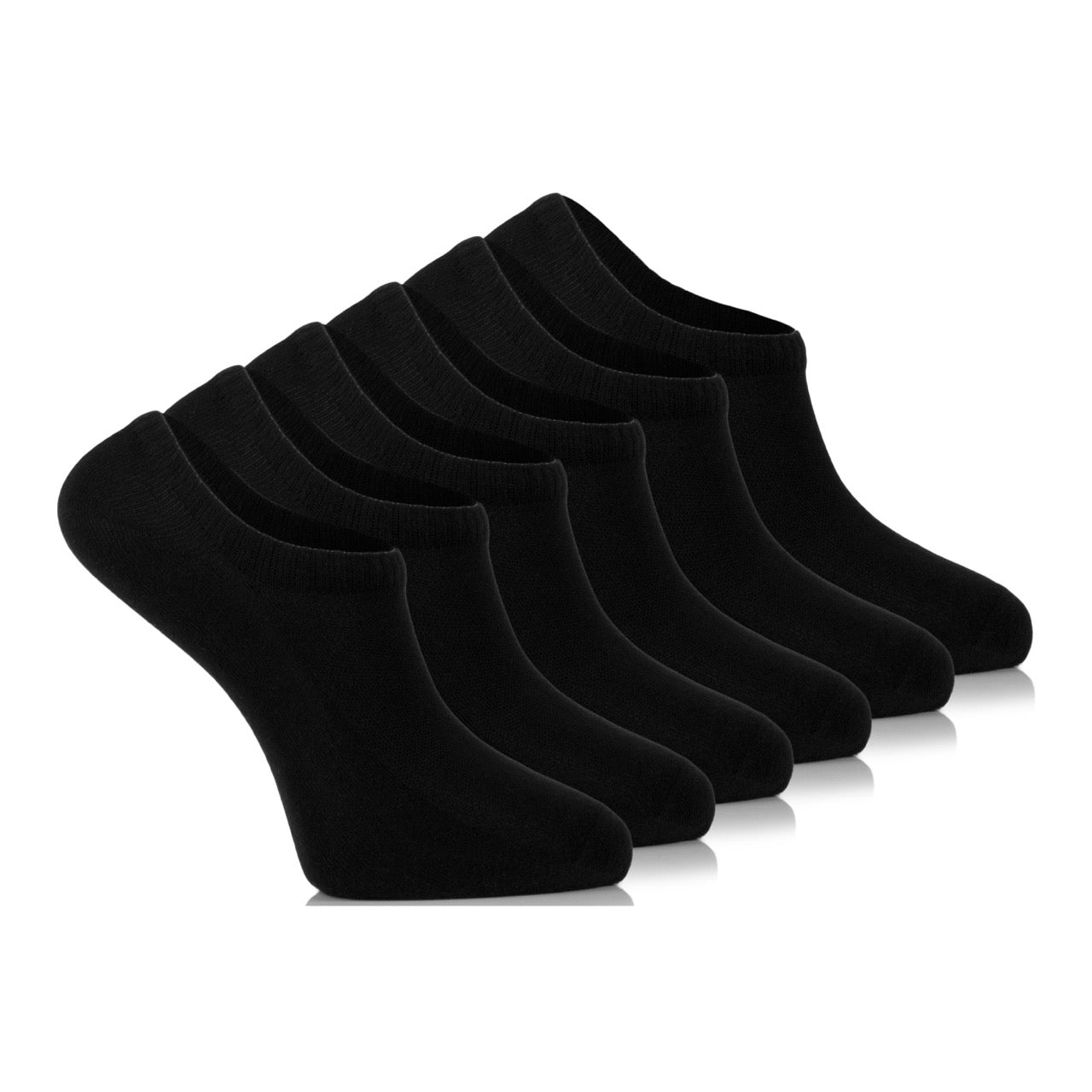
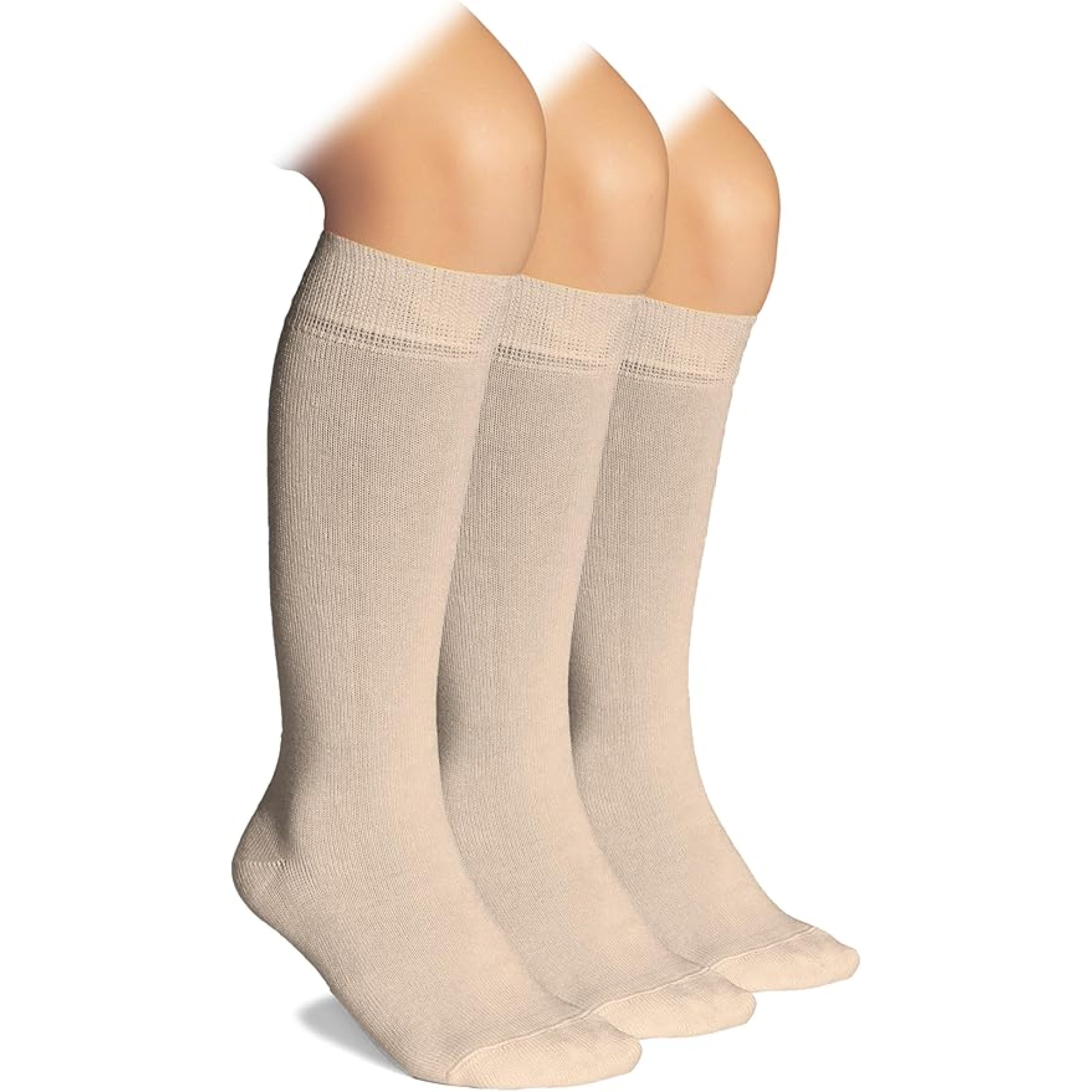


Most people don’t think much about how socks should feel—until something feels off. Whether they slide down, feel too tight, or create pressure points, poorly fitting socks can quickly become uncomfortable. Understanding how fitting socks should feel helps you avoid daily discomfort and choose better options for long-term wear.
This guide explains exactly how socks should feel when they fit correctly and what signs indicate a perfect fit.
When socks fit correctly, they should feel snug without being tight, stay in place without slipping, and provide even comfort across the foot. Properly fitting socks should not cause pressure, bunching, or irritation.
The most important characteristic of well-fitting socks is balance. They should feel snug, but never restrictive.
When you wear socks that fit properly, you should almost forget they are there.
Too much pressure can lead to discomfort over time.

Well-fitting socks should stay in place throughout the day.
If you constantly fix your socks, they are likely too loose or not designed properly.
Another sign of poor fit is excess fabric.
Bunching can create pressure points and lead to discomfort during long wear.
Properly fitting socks distribute pressure evenly across the foot.
This helps:
There should be no single spot that feels tighter or looser than the rest.
The toe section is one of the most sensitive areas.
When you wear socks that fit well, the toe area should feel natural and unrestricted.
The cuff (top band) should hold the sock in place without digging into the skin.
A good cuff ensures socks stay up without compromising comfort.
Socks come in different lengths, and each should feel secure in its own way.
Regardless of length, the fit should remain consistent and stable.
Comfort is not just about fit—it’s also about how the fabric feels.
When you wear socks that fit correctly, your feet should feel comfortable throughout the day.
As you walk or stand, socks should move naturally with your feet.
Well-fitting socks:
This is especially important for long days or active routines.
A good fit should last all day—not just when you first put the socks on.
High-quality fitting socks maintain their shape and comfort throughout the day.
If your socks feel any of the following, they may not fit properly:
Recognizing these signs helps you choose better options.
To improve comfort, focus on:
These factors ensure a better overall experience when you wear socks daily.
The right socks should feel natural, supportive, and almost unnoticeable. When they feel snug without pressure, stay in place, and provide consistent comfort, you know you’ve found the right fit.
Choosing properly fitting socks is a simple step that makes a big difference in your daily comfort.
They should feel snug, not tight. A proper fit balances comfort and support.
If they feel restrictive, leave marks, or squeeze your toes, they are likely too small.
This usually means they are too large or lack proper elasticity.
Yes. Ankle, crew, and longer socks are designed to fit different parts of the leg.
Absolutely. Properly fitting socks improve comfort and prevent irritation throughout the day.
He has been working for more than 20 years in the textile industry and has work experience in many parts of the world.