Cart
0
You may also like
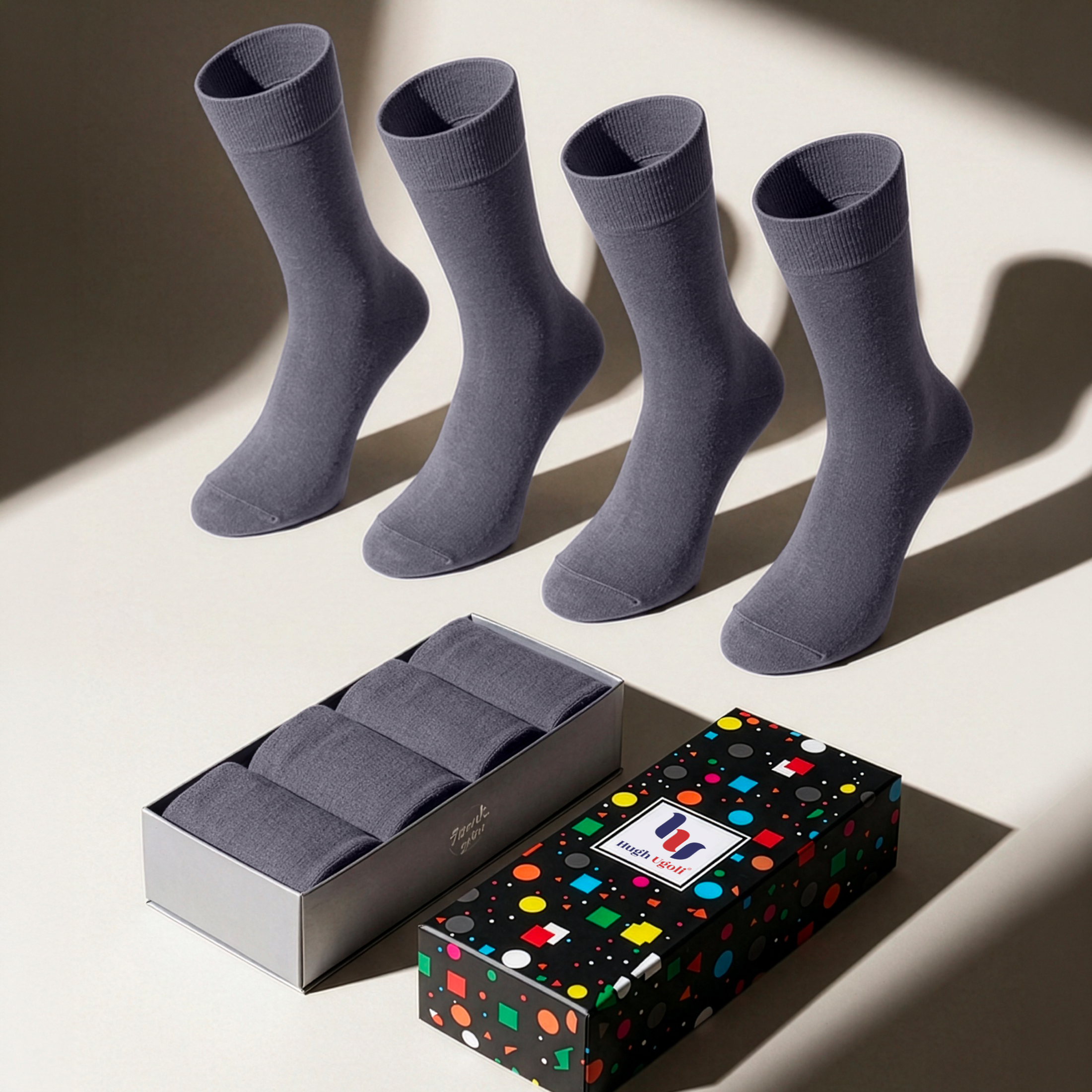
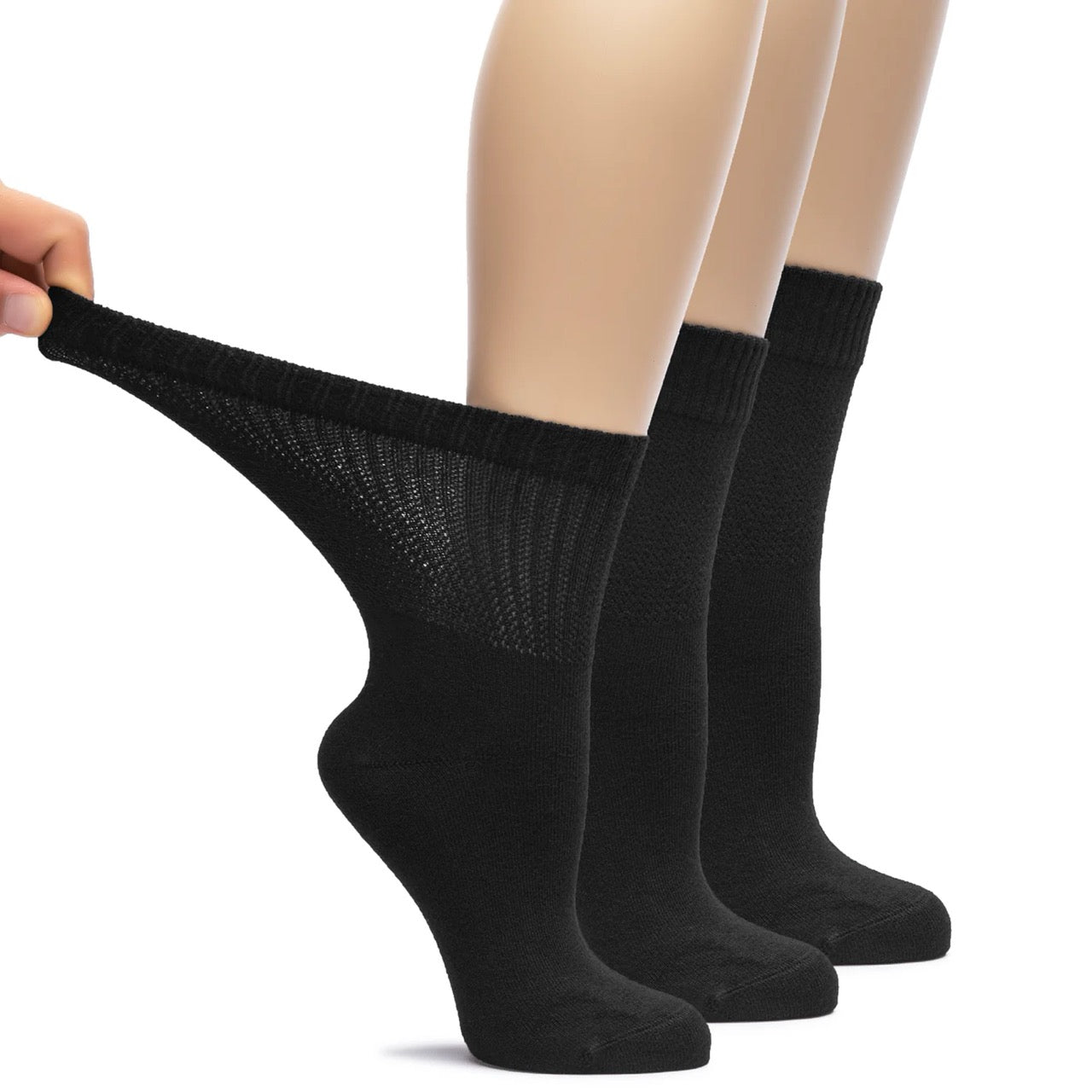
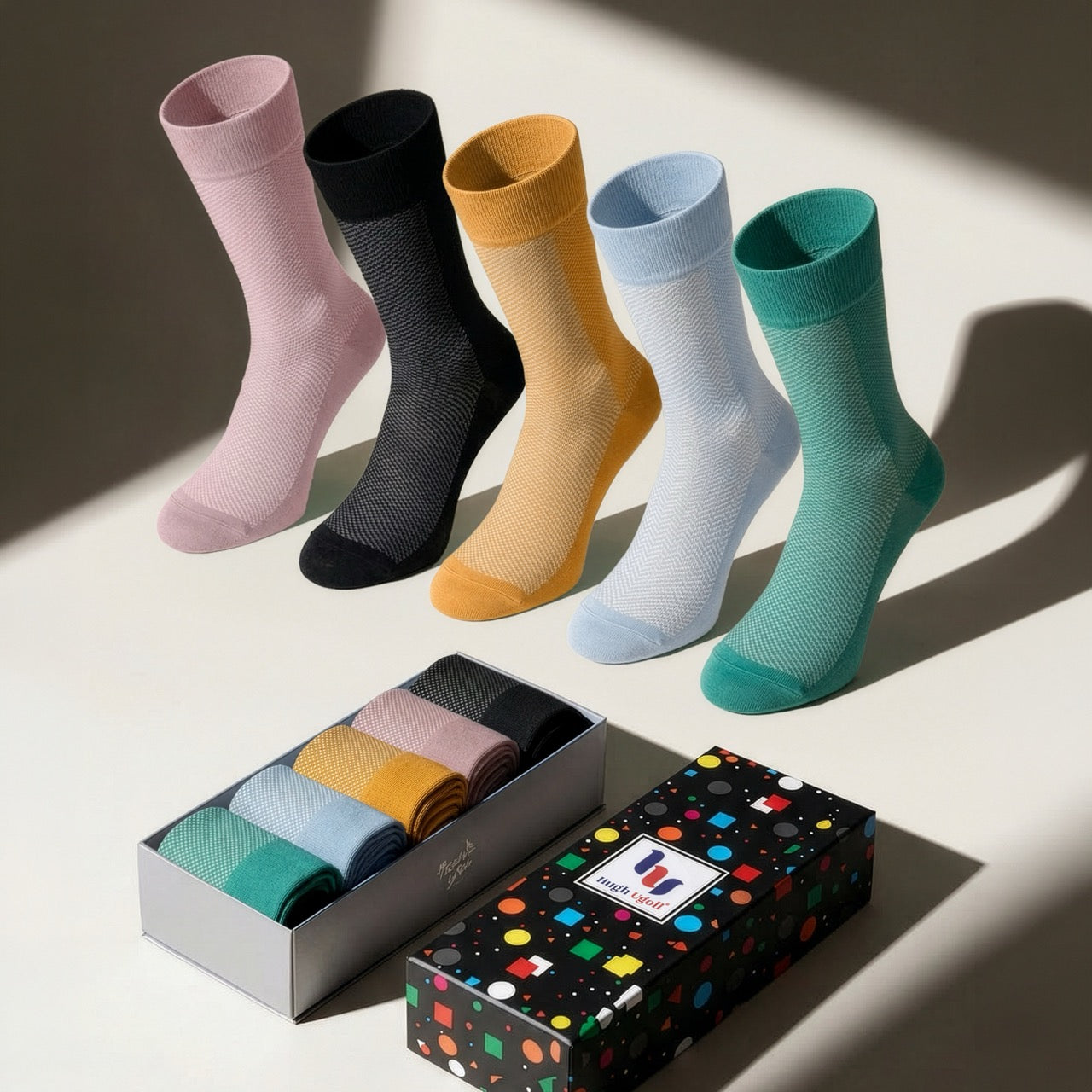
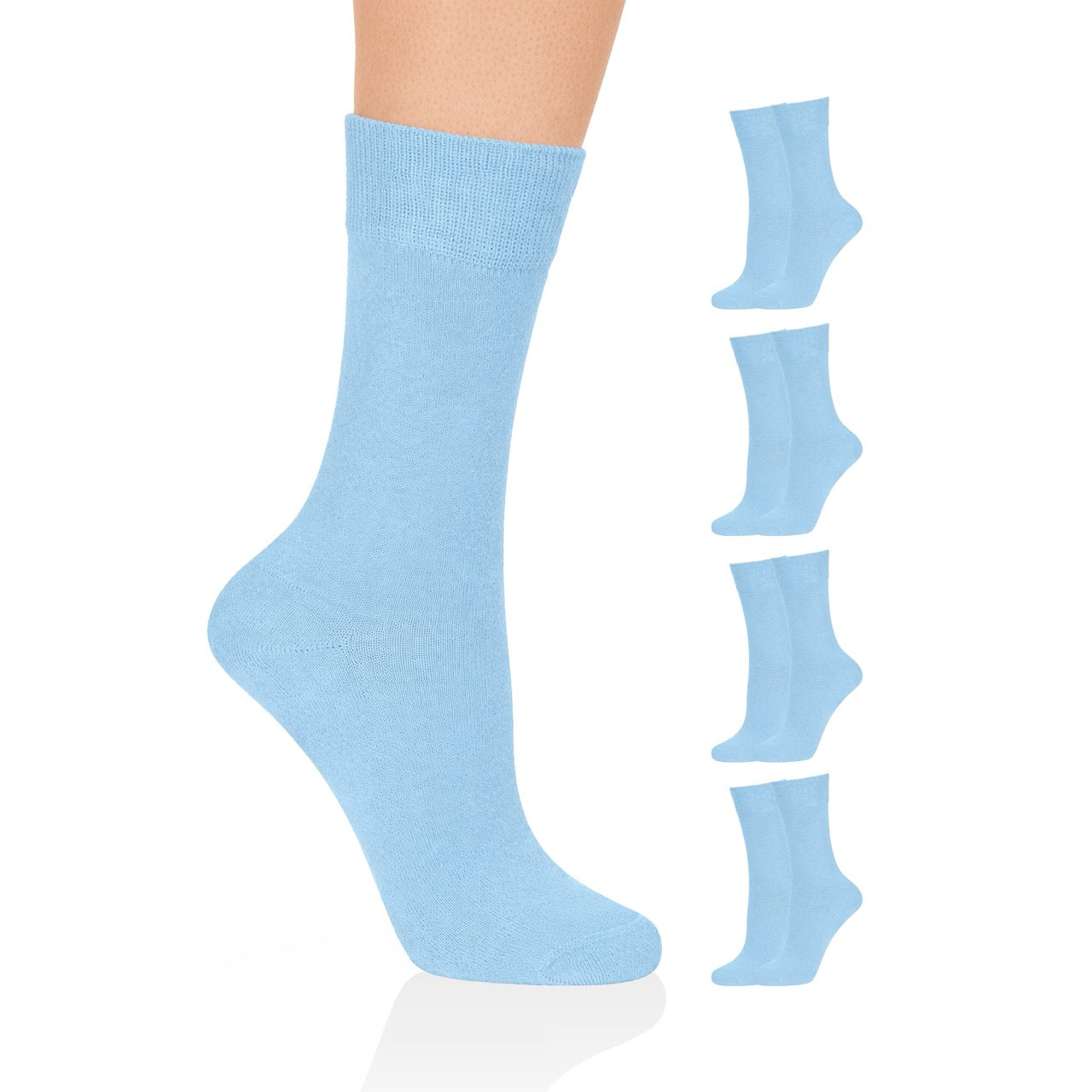
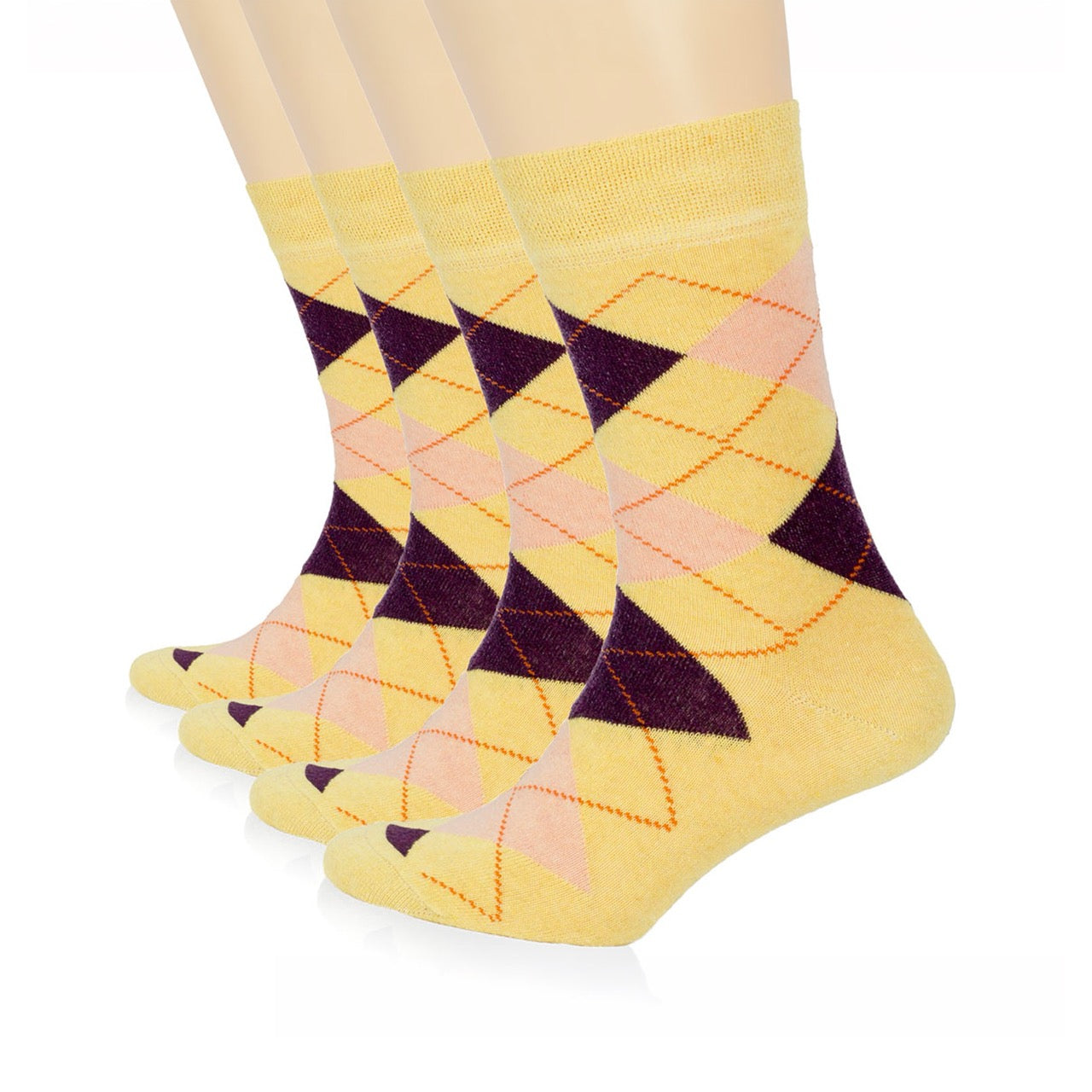
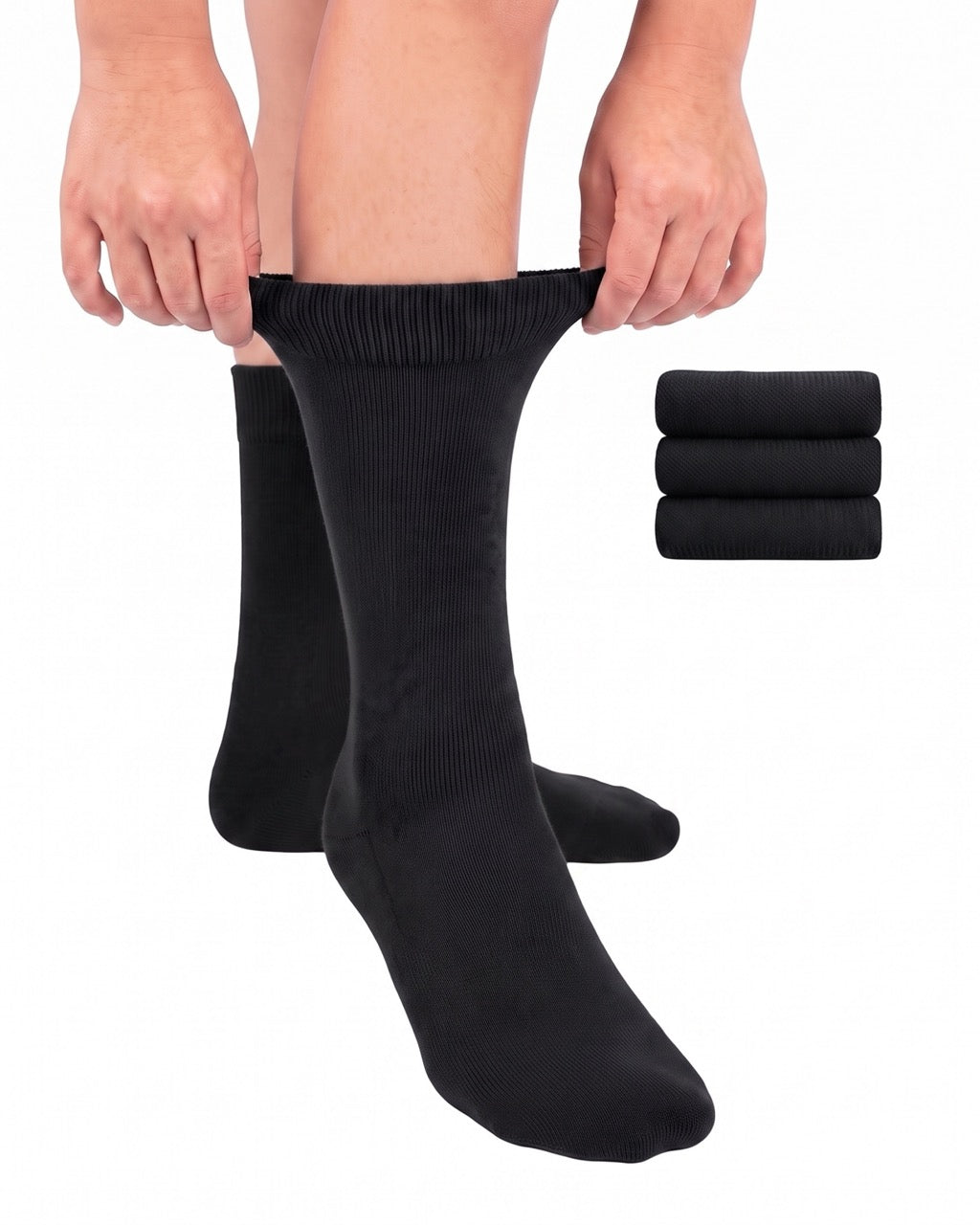


When shopping for socks, you don’t always need detailed specifications to identify a high quality sock. In many cases, your hands can tell you everything you need to know. By simply touching a sock—feeling its texture, stretch, thickness, and construction—you can quickly distinguish between a good quality product and one that may not last.
This guide explains how to evaluate socks by touch and what physical cues signal a truly premium sock.
You can identify a good sock by touch by checking softness, elasticity, thickness consistency, and finishing details like the toe seam. A perfect sock feels smooth, balanced, and durable without being stiff or overly thin.
The first and most obvious test is how the sock feels against your skin.
Materials like merino wool or high-quality cotton blends often feel soft yet structured. A harsh or coarse texture usually indicates lower-quality fibers.
Softness is not just about comfort—it also reflects fiber quality. Better materials reduce irritation and help prevent pressure points during long wear.
A high-quality sock should stretch easily and return to its original shape.
Good socks maintain their elasticity over time, which helps them stay in place during everyday wear.
These are signs the sock may not socks maintain its fit after washing.

The toe seam is one of the most important indicators of quality.
A poorly constructed toe seam can cause discomfort, especially inside tight shoes like a dress shoe.
A smooth toe area reduces friction and prevents irritation during both dress socks use and athletic socks performance.
Thickness alone doesn’t define quality—but consistency does.
A premium sock should feel uniform across all areas.
High-quality socks can be thin or thick, depending on their purpose. What matters is that the fabric feels strong and durable, not fragile.
Focus on the heel and toe areas, where socks experience the most stress.
These reinforcements protect against wear and tear and extend the life of the sock.
While you can’t fully test performance in-store, you can still get clues about moisture wicking.
Materials that feel breathable are more likely to support moisture control during everyday wear or sports activities.
A high quality sock should be flexible but not flimsy.
This balance ensures the sock adapts to movement while maintaining durability.
Small details often reveal overall quality.
These details indicate careful manufacturing and attention to quality.
Touch can also hint at how a sock will perform over time.
High-quality socks:
Proper care, such as choosing to air dry, helps extend their lifespan even further.
Different socks should feel different depending on their use.
A perfect sock matches its intended purpose while maintaining quality.
By touch, low-quality socks often show clear warning signs:
These issues can lead to discomfort and faster wear.
You don’t need technical knowledge to identify a high quality sock. By focusing on softness, elasticity, seam construction, and reinforcement, you can quickly determine whether a sock is worth buying.
A truly premium sock feels balanced, durable, and comfortable the moment you touch it—and continues to perform well through daily use.
Yes. Texture, elasticity, and seam construction provide strong clues about quality.
The toe seam and heel/toe reinforcement are key indicators of durability and comfort.
No. Quality depends on construction and material, not just thickness.
Wash them gently and air dry to preserve elasticity and fabric strength.
Softness, consistent texture, strong elasticity, and smooth seams all contribute to a premium feel.
He has been working for more than 20 years in the textile industry and has work experience in many parts of the world.