Cart
0
You may also like







Managing diabetes effectively often starts with understanding how the food you eat affects your blood sugar levels. The glycemic index (GI) is a well-established tool for anyone managing diabetes, as it helps classify foods based on their impact on blood glucose levels. This blog covers the fundamentals of GI and its connection to diabetes management — with a separate note at the end about foot comfort, which is a different topic from blood sugar itself.
According to Harvard Health, the glycemic index ranks foods on a scale of 0 to 100 based on how much they raise blood sugar. Foods are generally categorized as:
For people managing diabetes, favoring low- to medium-GI foods is a well-supported dietary strategy, though your doctor or a registered dietitian can help you apply it to your specific situation, since total carbohydrate amount also matters alongside GI.

For individuals managing type 2 diabetes or prediabetes, low-GI foods offer several evidence-supported benefits:
Incorporating low-GI foods into your diet, alongside guidance from your healthcare provider, can support long-term diabetes management.
Many people assume that all "healthy" foods are low-GI, but that's not always the case. For instance, white rice and some breakfast cereals are often staples in a balanced diet but rank medium to high on the GI scale. Similarly, fruit juices, despite being natural, can cause significant blood sugar rises. Knowing the GI of specific foods allows you to make more informed choices.
Designing a meal plan around low-GI foods doesn't have to be complex. Here's an example:
Balancing your meals with lean proteins and healthy fats can further support steadier blood sugar levels.
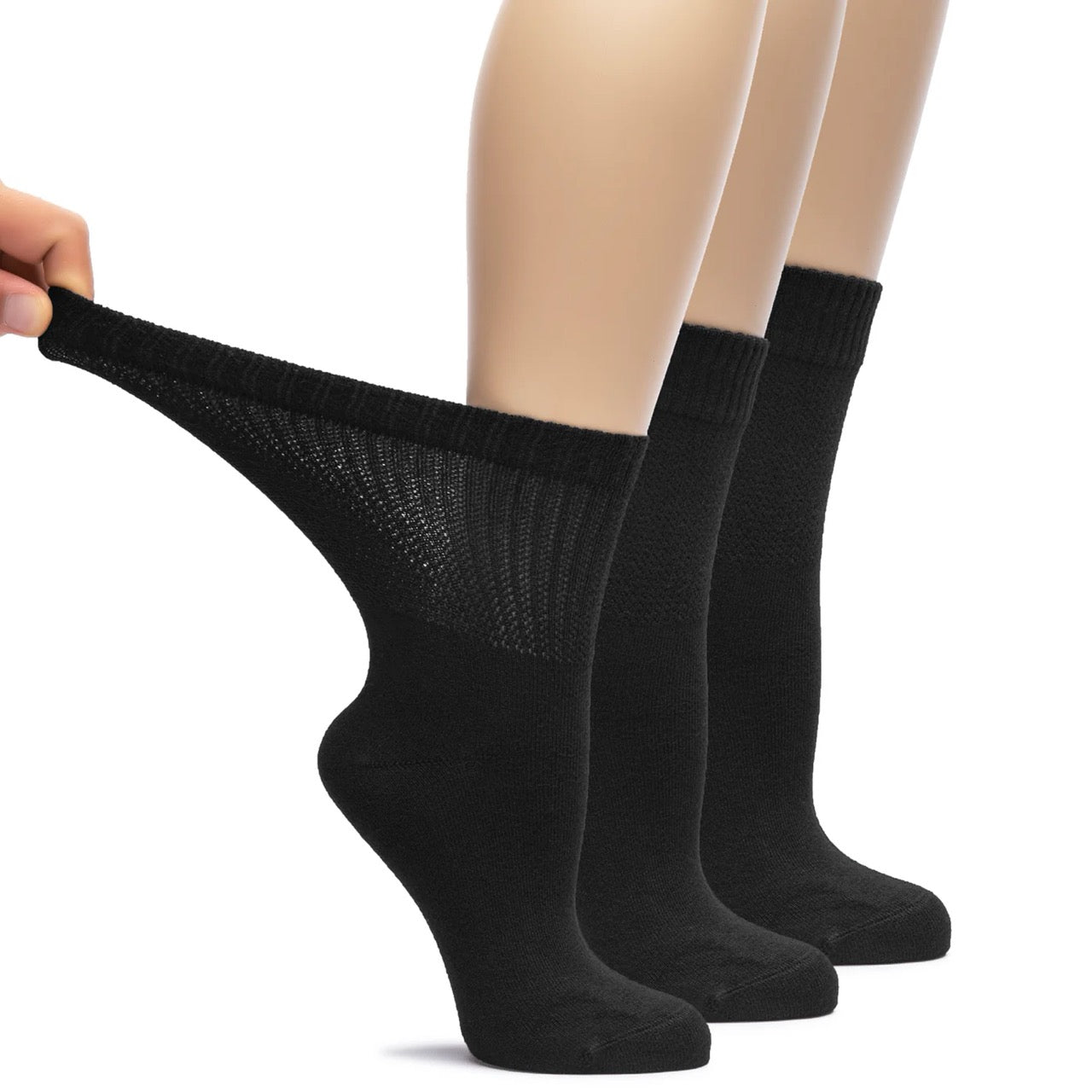
Diet and blood sugar management are one part of living well with diabetes; foot care is another, separate part — and they don't substitute for each other. Hugh Ugoli's diabetic socks, designed with moisture-wicking materials and non-binding cuffs, are aimed at everyday foot comfort and reducing friction — not at managing glucose or GI. Both a thoughtful diet and good foot care are worth prioritizing, but they address different parts of diabetes management.
Combining a low-GI diet with regular physical activity is commonly recommended to support blood sugar management. Exercise improves the body's ability to use insulin effectively. Activities like brisk walking, yoga, and strength training are commonly recommended for people with diabetes — check with your doctor about what's appropriate for you.
Even foods perceived as healthy can sometimes rank higher on the glycemic index. For example:
Dining out or traveling doesn't have to derail your diabetes management plan. Keep these tips in mind:
For more in-depth tips on managing diabetes, check out our related blog: Living with Diabetes: Essential Foot Care Tips for 2025.
This article is for general information and is not medical or nutrition advice. Talk to your doctor or a registered dietitian before making significant changes to your diet.
He has been working for more than 20 years in the textile industry and has work experience in many parts of the world.