Cart
0
You may also like
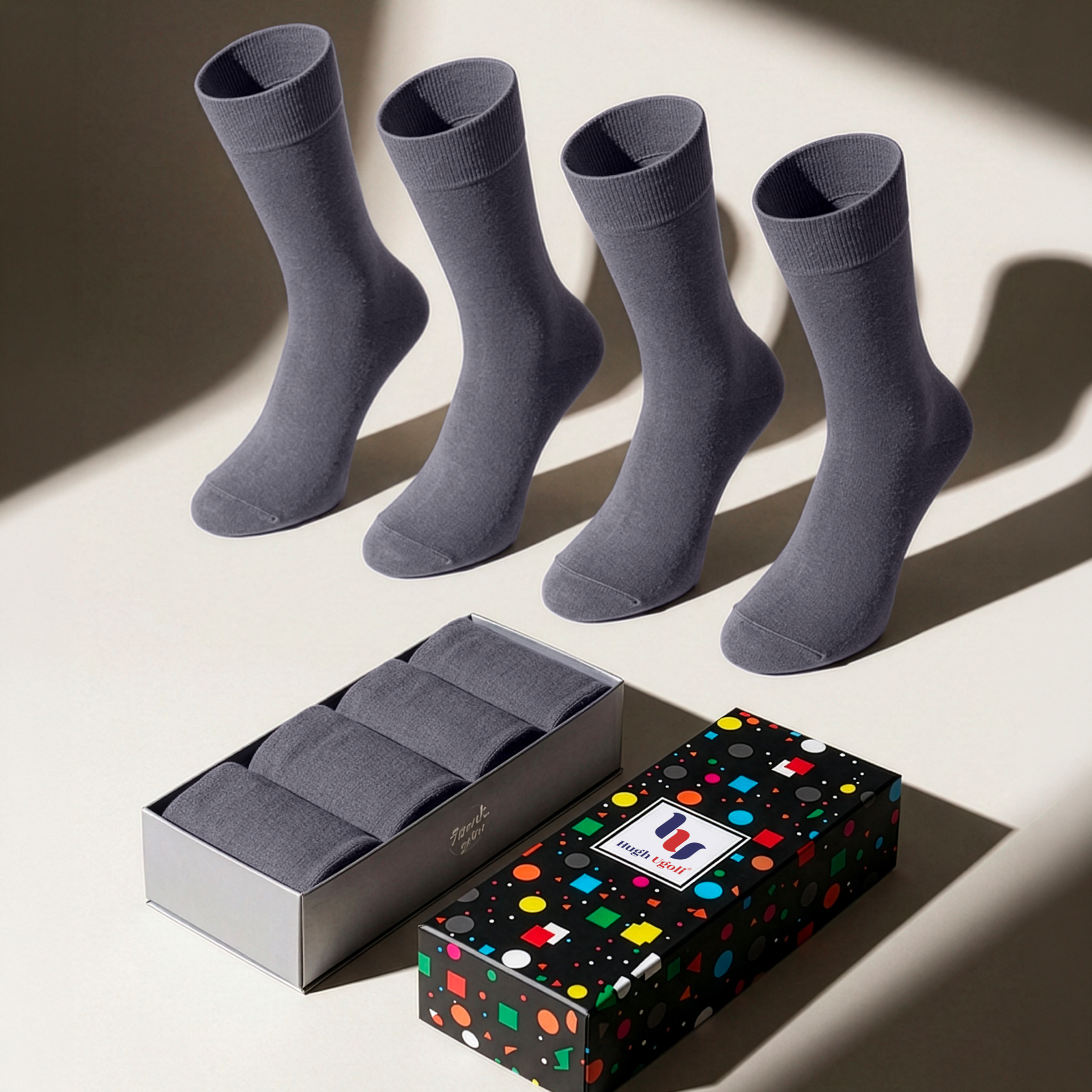

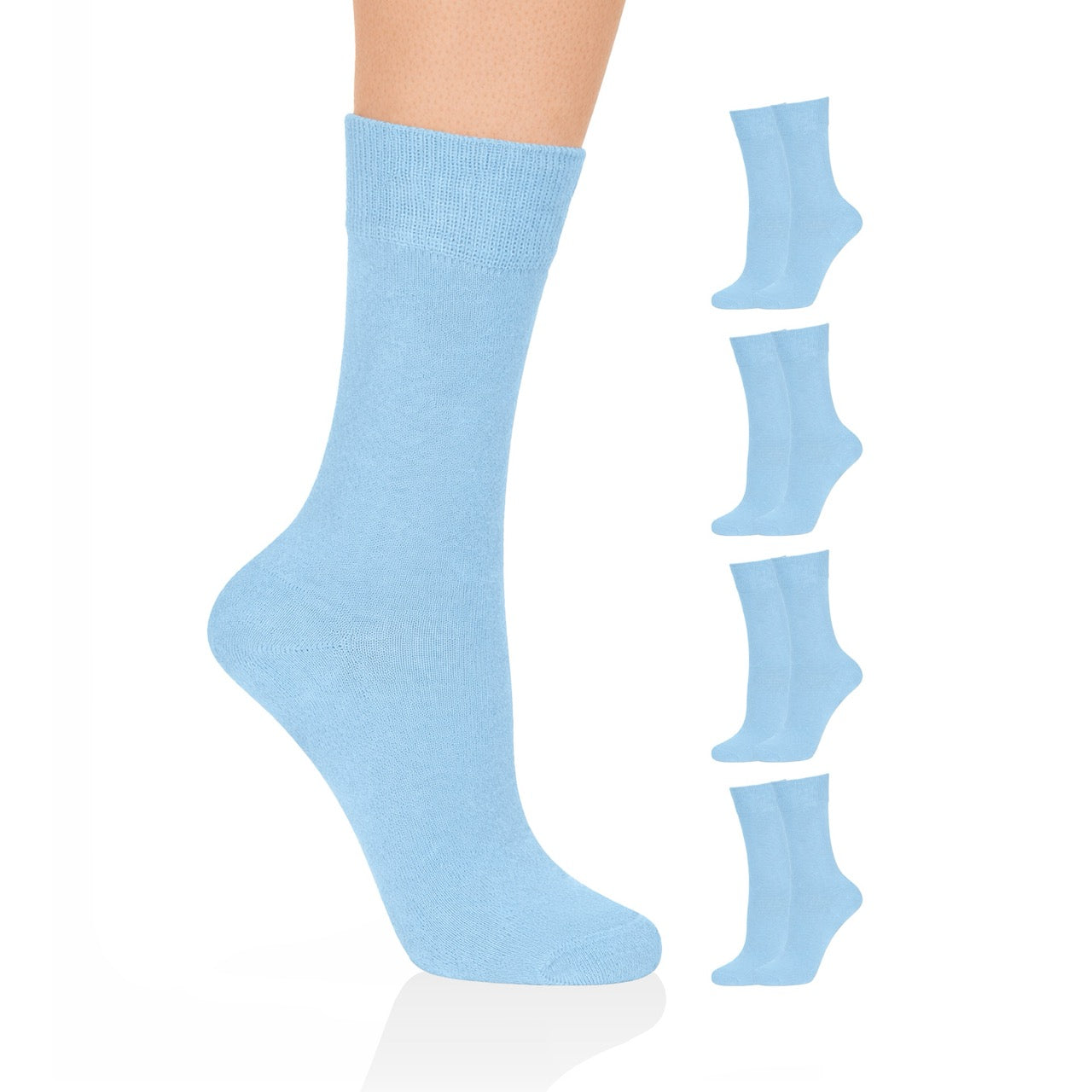
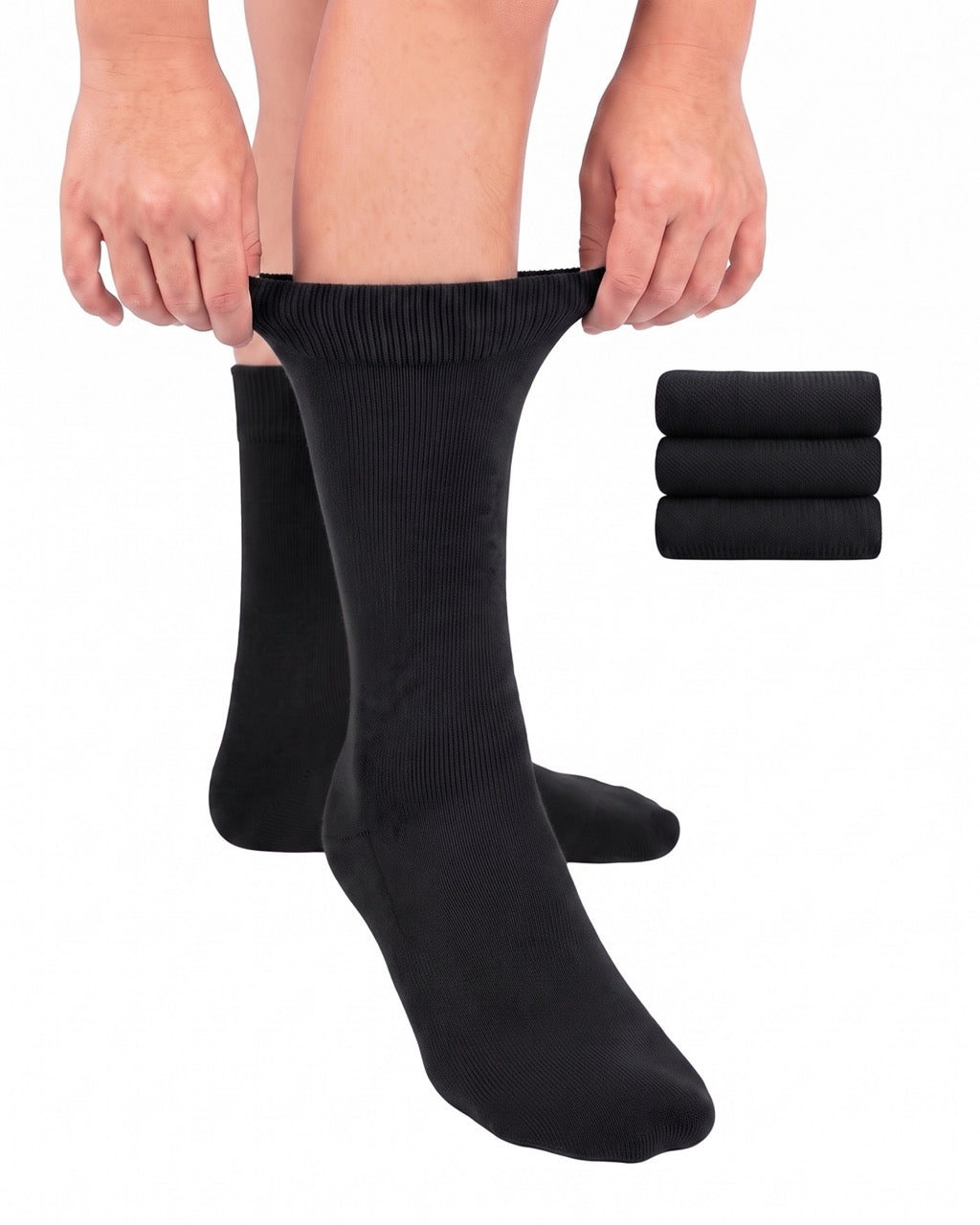
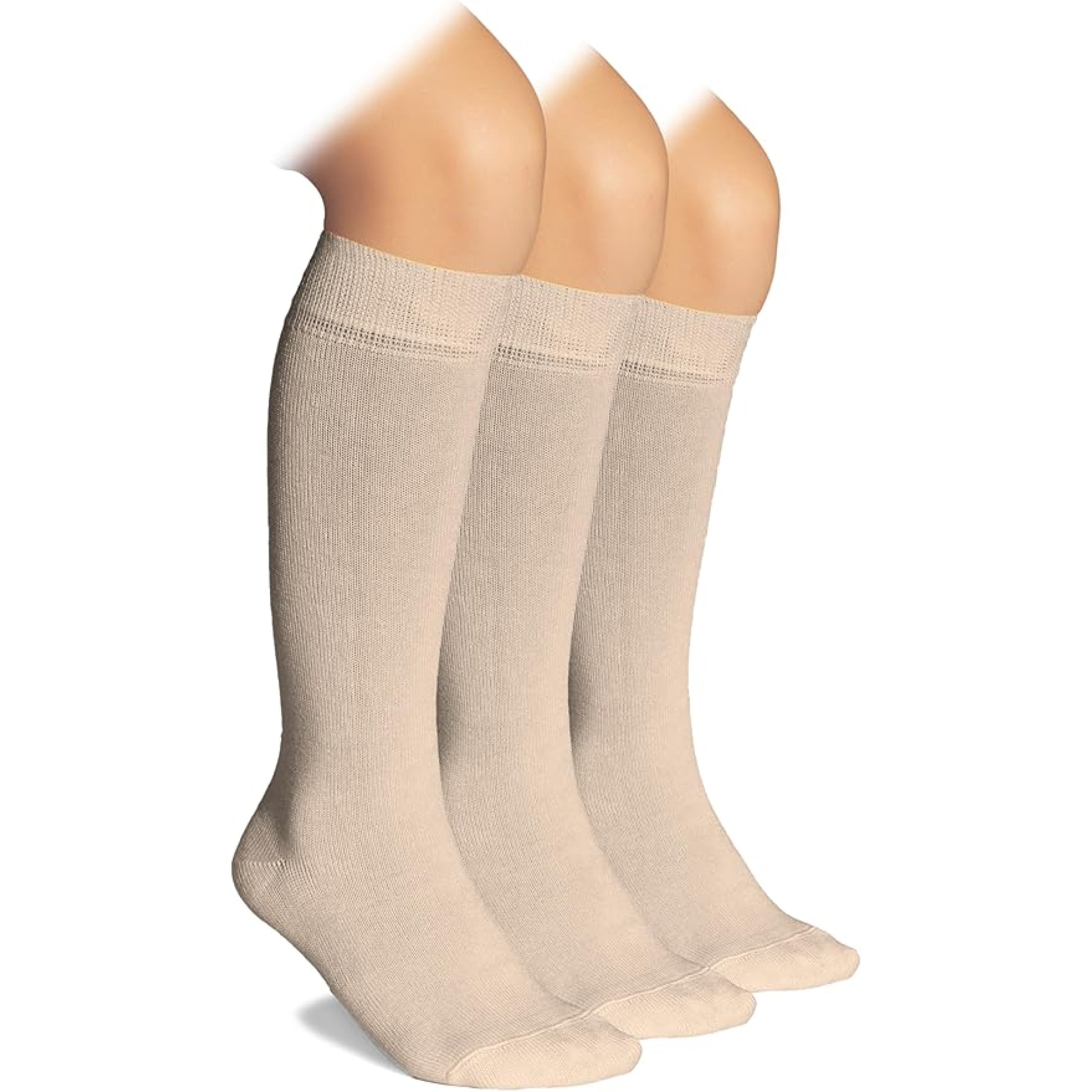


The best socks for cold, wet fall yard work are mid-weight crew socks in wool or a wool blend, because wool stays comfortable when damp and traps warmth. Choose crew height or taller so boots and wet grass do not rub bare skin, leave a little room in your boots so the fibers keep their loft, and pick a sock with a snug heel pocket and a smooth toe. Cotton is fine on dry afternoons but holds water on soggy mornings, so keep a spare dry pair by the door and swap if your feet get wet.
Key Takeaways
Fall yard work has a rhythm to it. You start in the cool morning with a rake and a coffee, the leaves are damp from overnight, and for the first twenty minutes everything feels fine. Then the grass soaks through your shoes, your feet stop feeling warm, and by the time you reach the last tarp of leaves you are counting the minutes until you can sit down and peel off your socks. Most people blame the weather or their boots. More often the real culprit is what is sitting between the two: the sock.
This guide walks through what cold, wet fall chores actually ask of your socks, which fibers and constructions hold up to raking, leaf blowing, hauling, gutter cleaning and general cleanup, and how to dress your feet so a two-hour job does not turn into a miserable one. Whether you wear rubber boots, waterproof hikers or old work shoes, the principles are the same.
Yard work in autumn combines three things that are each manageable alone but uncomfortable together: low temperatures, moisture and long periods of standing or walking on uneven ground. Understanding each one makes it easier to choose the right sock.
Fall cold is rarely dramatic. It is a steady fifty degrees with a breeze, or a morning at thirty-eight that warms up by noon. Because you are moving, your core stays warm and your brain tells you that you are dressed well. Your feet, however, sit close to cold ground and have less muscle mass to generate heat. They lose warmth gradually, and you often only notice once they are properly cold.
Wet leaves, dew, puddles and damp soil attack from outside. Sweat attacks from inside. Even in cool weather, feet working hard inside boots produce more moisture than most people expect, and rubber or waterproof footwear holds that moisture in. A sock that absorbs and keeps water will pull heat away from your skin far faster than a dry one, so the way a sock handles moisture matters as much as how thick it is.
Raking is a rhythmic, twisting motion that shifts weight constantly from heel to forefoot. Leaf blowing keeps you walking. Hauling bags and bins adds load. Over a couple of hours, a sock that bunches, slides or has a rough toe seam turns into a blister or hot spot. Fit and construction count here just as much as warmth.

The material your sock is made from controls how it feels once it gets damp, how quickly it dries and how well it holds warmth. Here is a practical comparison for yard work.
| Fiber | When damp | Drying speed | Best use in fall chores |
|---|---|---|---|
| Wool | Still feels relatively warm | Moderate | Cold, damp mornings and long jobs |
| Bamboo-derived fiber | Soft, feels cool when very wet | Moderate to quick | Mild days, sensitive skin, all-day wear |
| Cotton | Heavy, tends to hold water | Slow | Dry days, short jobs, an inner layer in blends |
| Synthetic blends | Dry feeling, little water held | Quick | Wet work, often added for durability |
Wool fibers have a crimped structure that traps air, and they can take on a fair amount of moisture before they feel wet. That is why many people reach for wool when they will be outside on a chilly, damp day. A mid-weight wool crew sock gives you warmth without the bulk of a full winter boot sock. If you want a place to start, our Warm Wool Women's Crew Socks are a practical option for exactly this kind of day, and you can browse more in the wool socks collection.
Cotton is soft and affordable, but it absorbs water and holds on to it. On a bright, dry afternoon, a cotton crew sock is perfectly comfortable. On a soggy morning in rubber boots, it can feel clammy within the hour. If you prefer cotton, look for a thicker, warmer construction and plan to change into a dry pair partway through. Our Women's Warm Winter Cotton Dress Crew Socks are built with colder weather in mind, though they are best kept for drier chores.
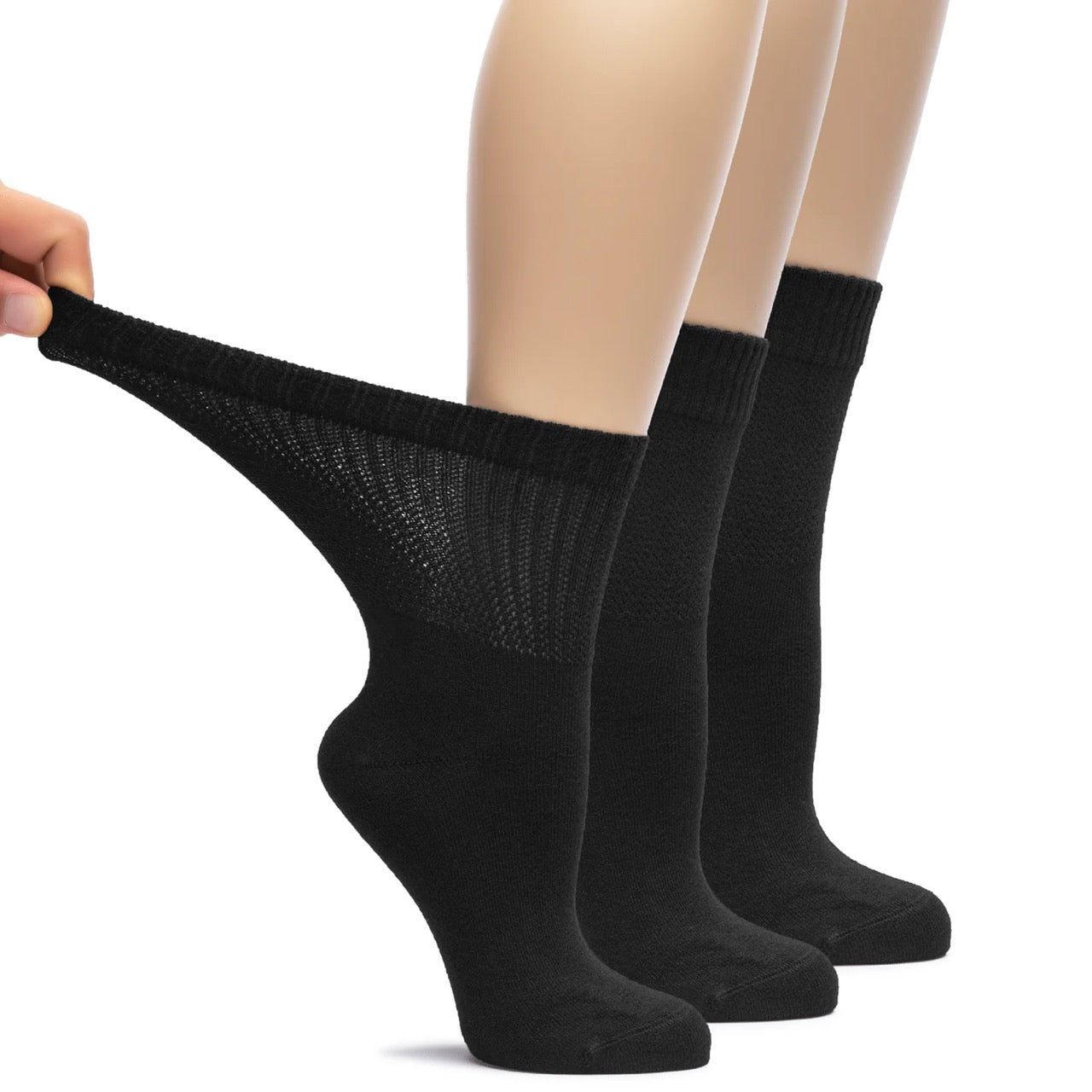
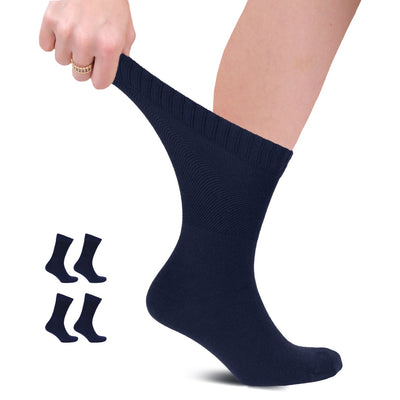
One feature that gets overlooked in outdoor work is the sock top. A tight elastic band around the calf can feel fine at first and become uncomfortable after an hour of bending, squatting and crouching to bag leaves. A loose, non-binding top stays in place without squeezing. That is the idea behind our Unisex Cotton Diabetic Crew Socks, which are designed for people who want a gentle fit around the leg. Many people who do not have any foot condition simply prefer that feel for a long day on their feet.
Ankle socks leave a gap between sock and pant leg, and in fall that gap collects dew, wet grass and debris. Crew height covers the lower calf, sits above the top of most boots and gives you a cushion against rubbing at the boot collar. If you are wearing tall rubber boots, a crew or knee-high sock keeps the boot from chafing the skin directly. Browse crew options in the men's crew socks collection or our women's winter socks.
It is tempting to wear the thickest sock you own, but a thick sock in a snug boot can squash itself flat and press on your toes, which reduces both warmth and comfort. Leave a little space. You should be able to wiggle your toes inside the boot. If you need more warmth, try a thinner liner under a mid-weight sock rather than one extra-heavy pair, an approach we explain in our guide to silk liner socks.
Dress your feet the way you dress the rest of you: in a system, not a single item. Here is a simple three-part approach that works for most yard jobs.
Rubber boots keep water out completely, but they do not breathe, so sweat has nowhere to go. If you wear them, choose a sock that wicks moisture and expect to change it if the job runs long. Waterproof hiking boots usually breathe a little better and fit closer to the foot, which makes a thinner sock a better match. Either way, check how your socks feel after the first thirty minutes. If they are already damp from sweat, go thinner or switch fiber next time.
Raking means a lot of small steps and twisting. Prioritize a snug heel and a smooth toe. A mid-weight wool or wool-blend crew sock is ideal if the ground is damp. For dry afternoons, a soft cotton or bamboo crew is comfortable and less hot.
Leaf blowers keep you on your feet for long stretches. Wet grass clippings and wet leaves cling to pant cuffs and shoes. A sock that reaches the lower calf and a boot that seals around it will keep debris out. Consider hearing protection and long pants, and choose a sock that does not slip down inside the boot as you walk.
Ladder work puts pressure on the arch and ball of the foot. A cushioned sole, even a semi-cushion one, can make rungs feel less harsh. Do not wear socks so thick that your boot feels loose on a ladder. Fit and grip matter more than extra padding when you are off the ground.
Digging and hauling add load, which means more pressure through the heel and forefoot. A reinforced heel and toe helps the sock last, and a well-fitting sock reduces rubbing. If you tend to kneel for planting bulbs or cleaning beds, consider a knee pad and a sock tall enough that your pant leg does not ride up.
Around fire or hot ash, avoid synthetic socks that can melt and stick to skin. Natural fibers like wool and cotton are a safer choice, and you should always wear closed, sturdy footwear.
Warm feet are the result of several small decisions rather than one big purchase. Here is a checklist you can use before heading outside.
Cotton is a fine everyday fiber, yet it is not the right choice if you will be standing in wet leaves for hours. If cotton is what you have, keep it for dry days or plan a swap.
Two heavy socks inside one boot create friction between layers and reduce warmth by packing the fibers together. One good pair almost always beats two mediocre ones.
A sock that is too big bunches under your arch and wrinkles around the toes. One that is too small can pinch. Check the size chart for your shoe size instead of guessing from the number of pairs in the drawer.
After a long day outdoors, wash and dry your feet, check for blisters or red spots and apply a light moisturizer to dry areas, avoiding the spaces between your toes. Put your boots near, not on top of, a heat source so they dry slowly. If you notice a sore that is not healing or persistent swelling, check with your healthcare provider.
Work socks take a beating, so a little care extends their life. Turn them inside out before washing so dirt and sweat are on the outside of the fabric. Wash them in cool or warm water with a mild detergent, skip fabric softener, which can coat fibers and reduce moisture handling, and dry on low heat or air dry. Wool socks in particular do best with gentle cycles, and you can learn more in our article on washing wool socks without shrinking them. Rotating between several pairs also helps each one last longer, since fibers recover between wears.
The right sock changes depending on what is on the outside of it. If you are planning your whole fall footwear setup, our guide to boot season prep and sock sizing covers how to size socks for different boots, while our roundup of the best socks to wear with boots compares options by boot style. And if the first real cold snap catches you off guard, the sock mistake people make every October is worth a read before you head out.
If you would rather not think about it every time, set up a small rotation and keep it by the door:
With that rotation you can handle nearly any fall chore without overthinking it. Match the sock to the weather, keep a dry pair within reach, and give your toes enough space to move.
Raking, leaf blowing and yard cleanup are some of the most satisfying jobs of the year, and they are a lot more satisfying when your feet cooperate. Pay attention to fiber, height, fit and a spare pair, and the cold, wet parts of fall stop being the part you dread. Pick a sock that manages moisture, leave room in the boot, and let the rest of the job be about the leaves instead of your toes.
A mid-weight crew sock in wool or a wool blend is a dependable choice for damp, cool days, while a soft cotton or bamboo crew works on mild, dry afternoons. Look for a shaped heel and a smooth toe seam.
Cotton is comfortable when dry but absorbs and holds water, so it can feel clammy in wet grass or rubber boots. Save it for dry days or carry a spare pair to swap.
Wear a moisture-handling sock such as wool, leave a little room so the fibers are not crushed, and change into a dry pair if sweat builds up. Rubber boots do not breathe, so dampness can build over a long job.
A thin liner under a mid-weight sock can work, but two heavy pairs often pack the boot and reduce warmth. Make sure you can still wiggle your toes.
Crew height or taller is usually best because it covers the lower calf, keeps wet grass and debris off your skin and cushions the boot collar.

Discover All Hugh Ugoli Socks
Shop All Socks