Cart
0
You may also like
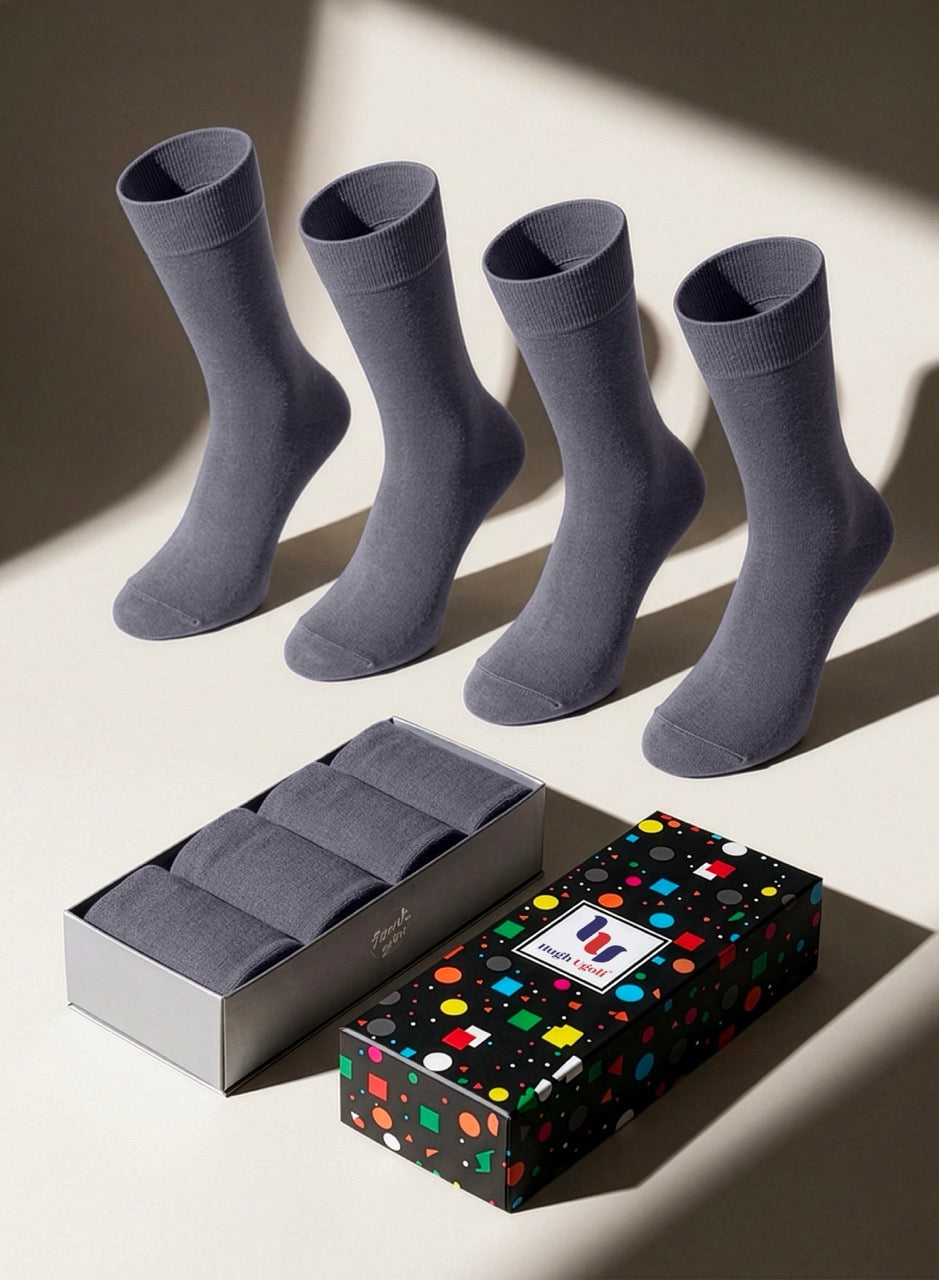
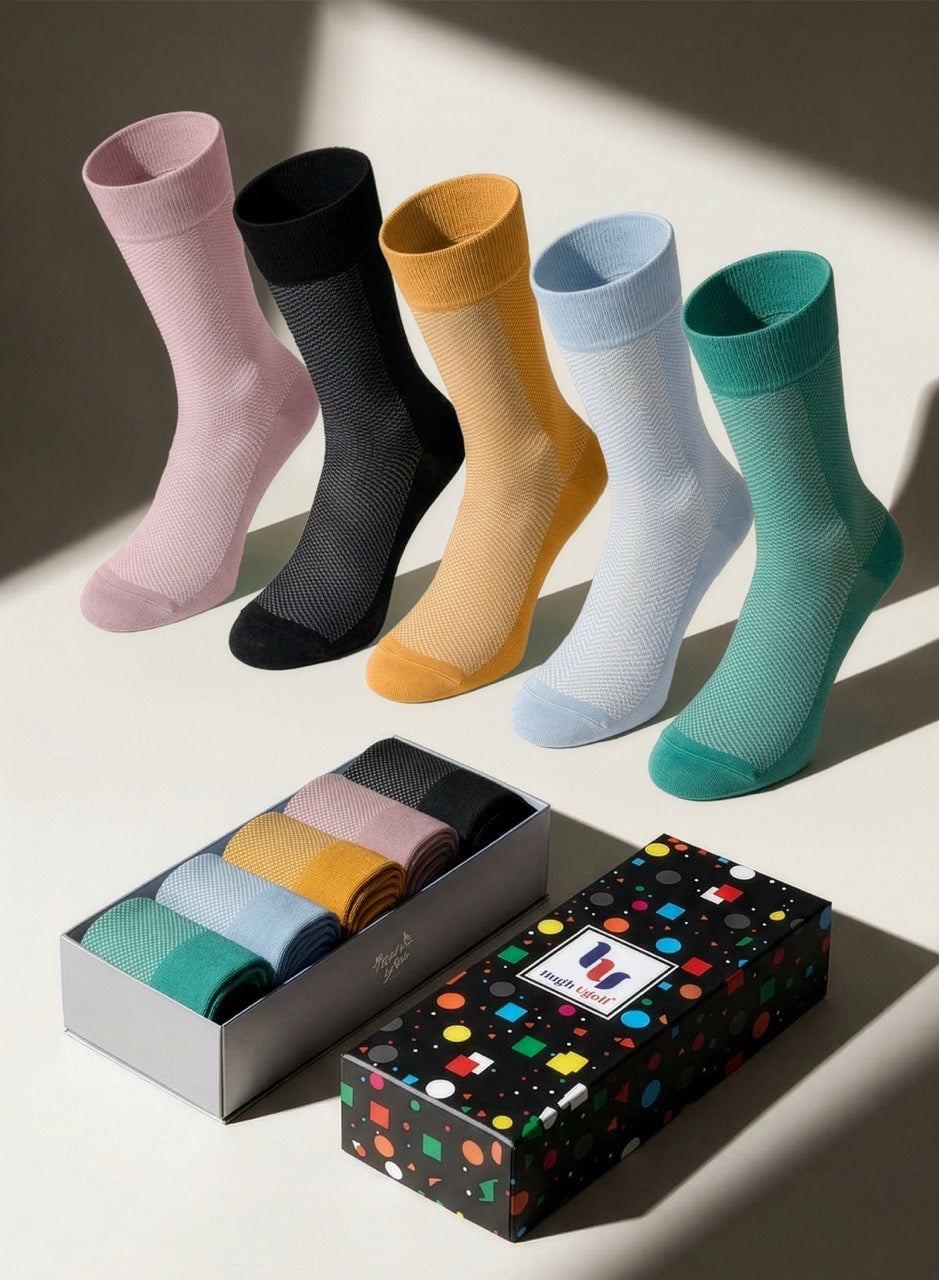
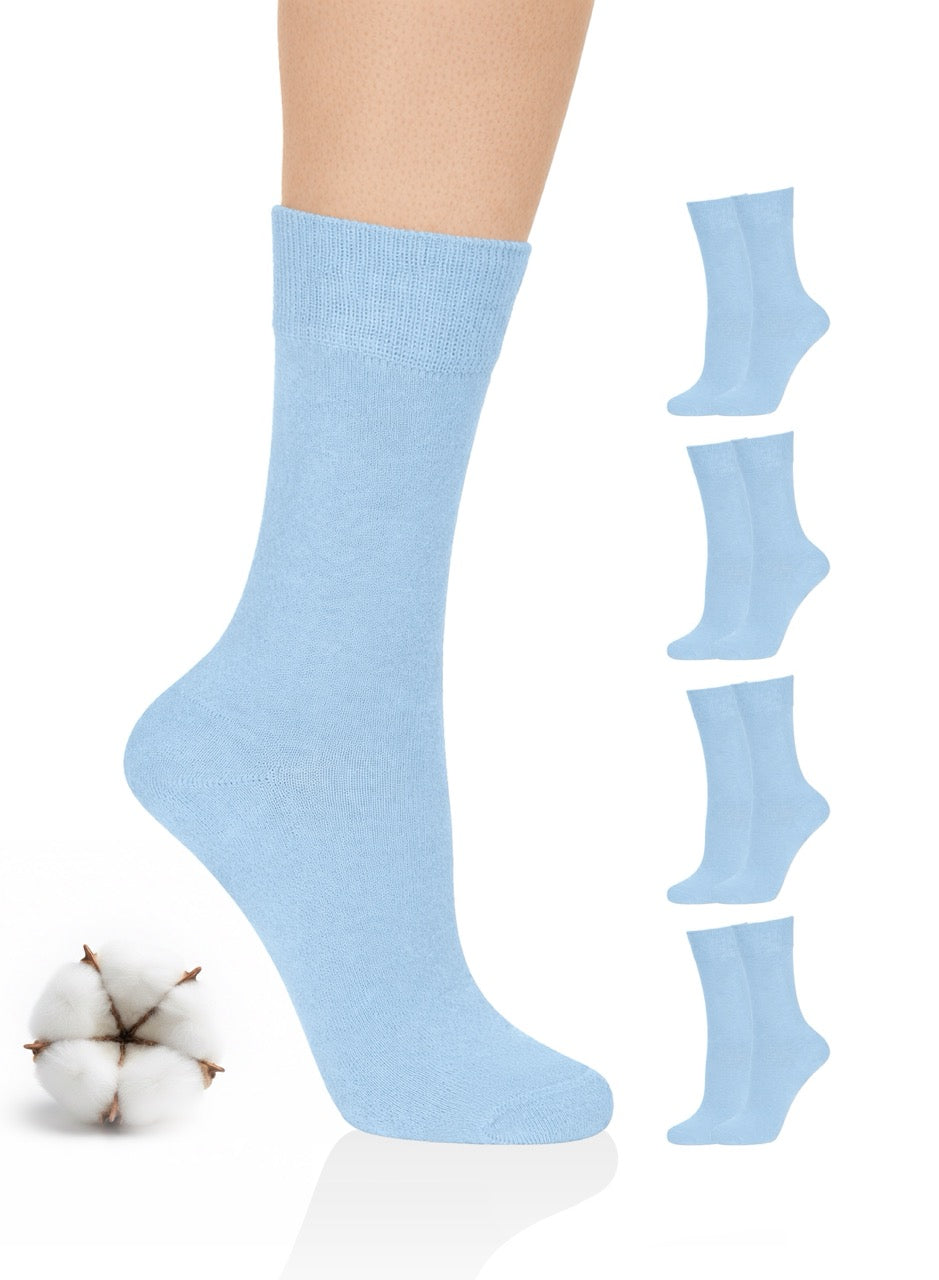
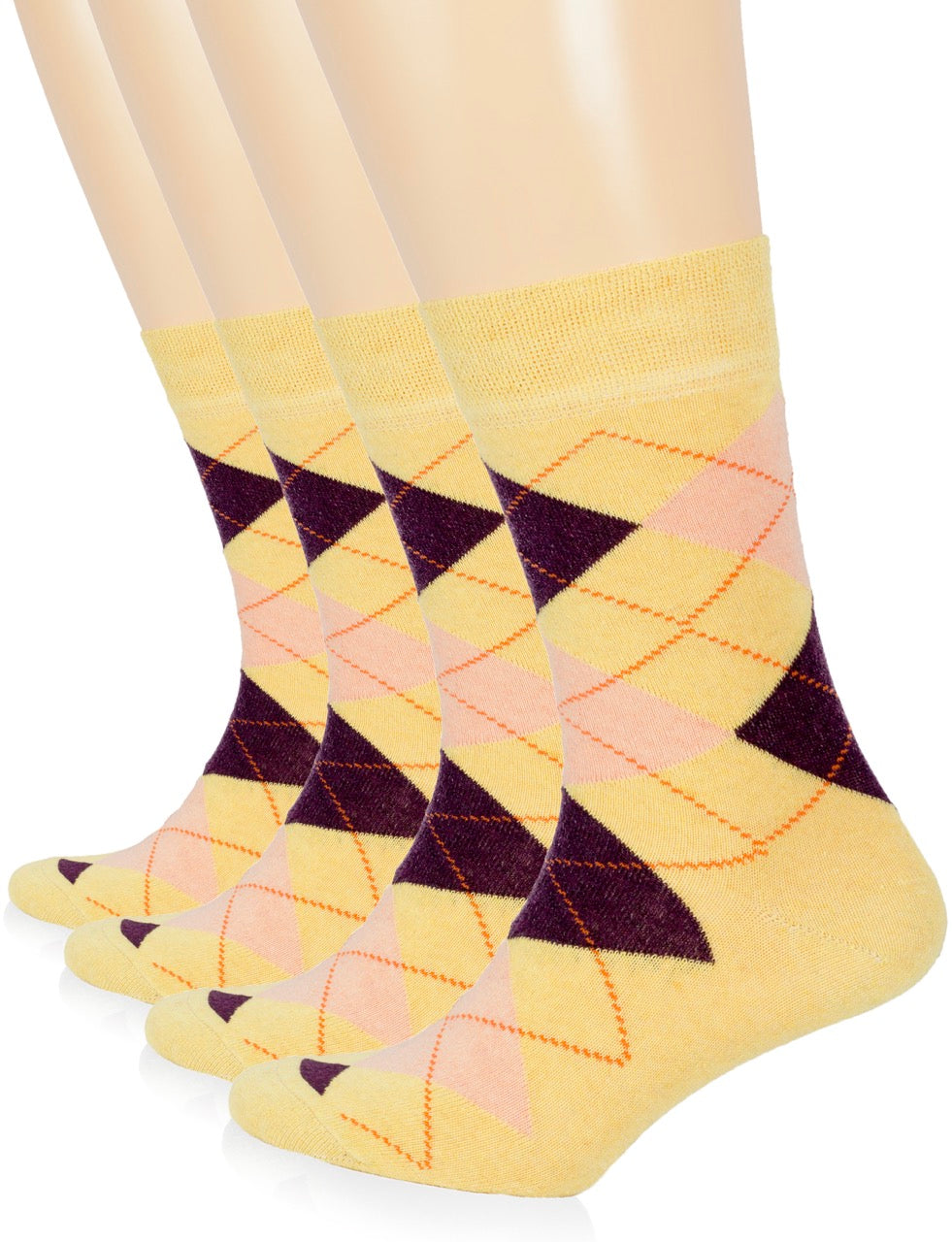
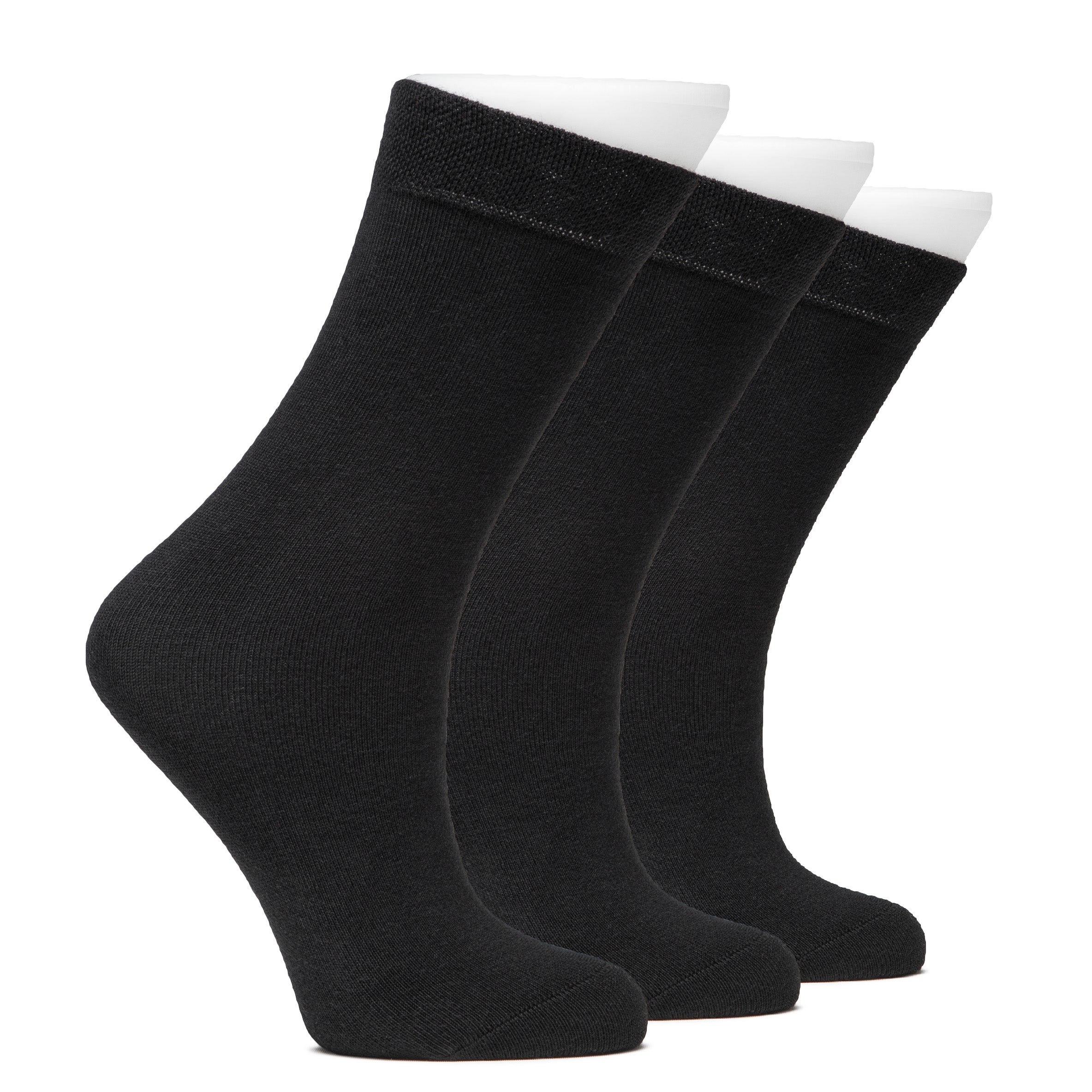
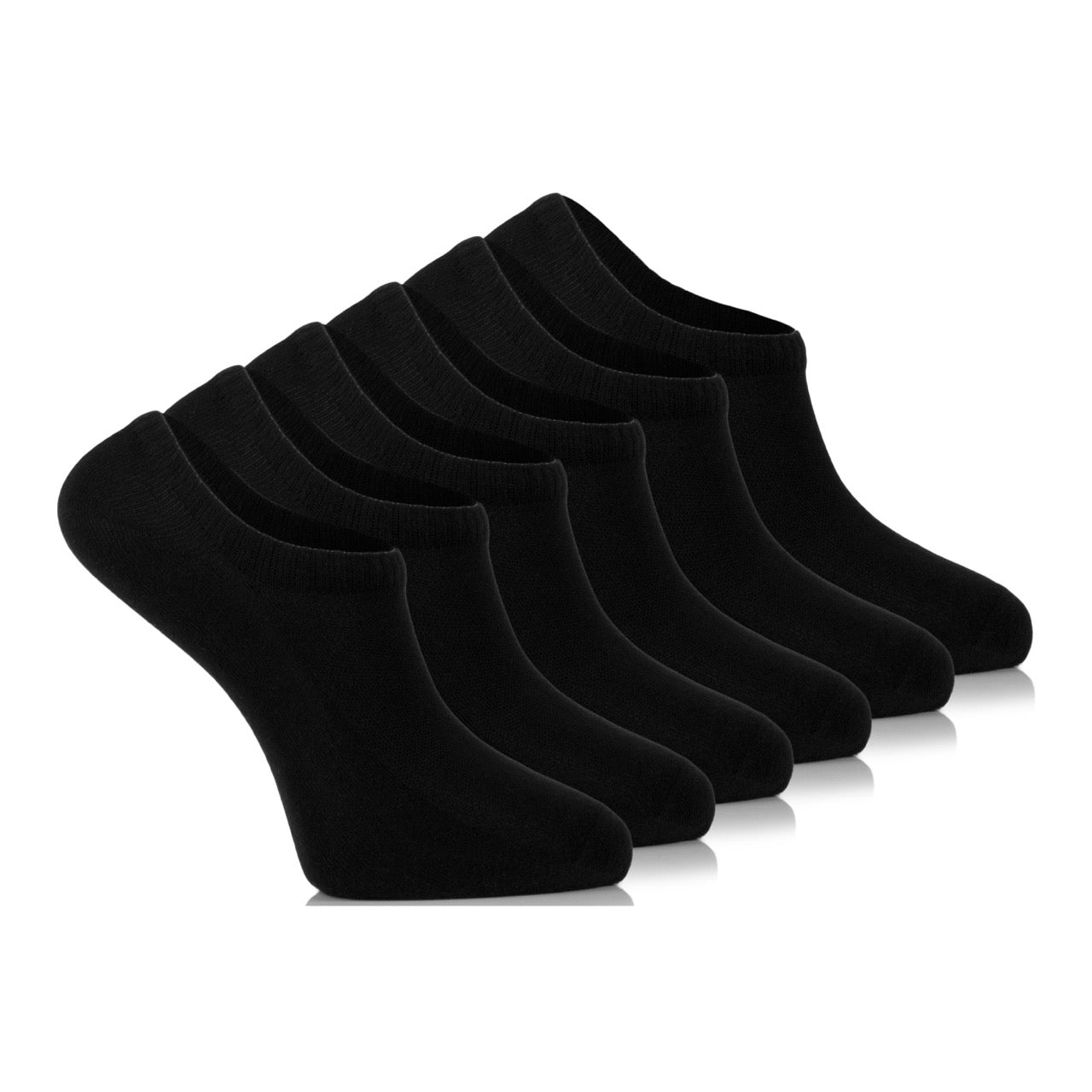
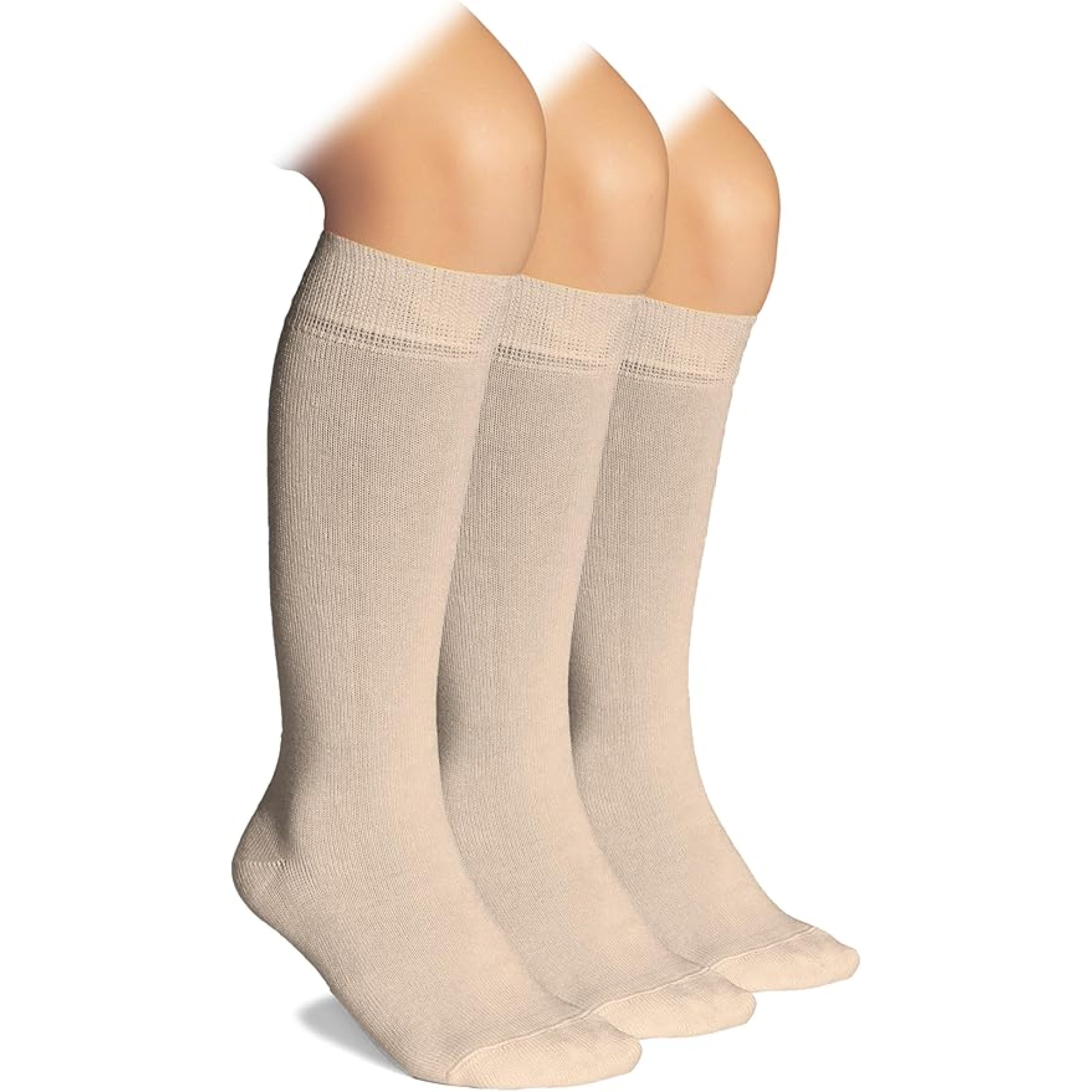


As we age, our feet require extra care—especially for seniors who experience reduced mobility, circulation issues, or spend long periods sitting or standing. Pressure sores, swelling, and poor blood circulation are common concerns. The right socks can play a crucial role in preventing discomfort, reducing risks, and supporting overall foot health.
While many people talk about choosing the right compression socks, not every senior needs high levels of compression. In fact, for those with sensitive skin, diabetes, or circulation problems, gentle, non-binding socks often provide better day-to-day comfort. However, understanding how compression levels work—and when they may be appropriate—helps ensure safer choices.
Seniors face unique foot-related challenges. Conditions like neuropathy, diabetes, peripheral artery disease (PAD), varicose veins, and chronic swelling can worsen without proper care. Poor circulation slows healing, increases the likelihood of injury, and raises the risk of pressure sores.
This is why comfort-focused diabetic socks and light wellness socks are often recommended for everyday wear, even when medical-grade compression socks aren’t necessary. These socks can help keep feet protected, cushioned, and well-ventilated.
Circulation naturally decreases with age. When seniors sit or stand for long periods, blood struggles to return upward through the legs, increasing the chance of:
In some cases, doctors may recommend compression therapy to improve circulation, reduce swelling, and prevent complications like deep vein thrombosis (DVT). However, seniors should be cautious—especially if they have diabetes, neuropathy, or PAD—because improper or excessive compression can worsen symptoms.
Compression pressure is measured in millimeters of mercury (mmHg). Understanding levels helps seniors choose the safest option.
Not all seniors need compression. Many achieve better relief with loose-fit socks that do not restrict circulation and help prevent friction-related skin damage.

Pressure sores (also known as decubitus ulcers) happen when constant pressure reduces blood flow to a specific area. Seniors with thin skin, limited mobility, or diabetes are especially vulnerable. Socks are a simple but powerful preventive tool.
Seniors often benefit most from socks that protect the skin, stay breathable, and avoid restrictive pressure around the ankles and calves. That’s why many caregivers prefer diabetic crew socks for daily use.
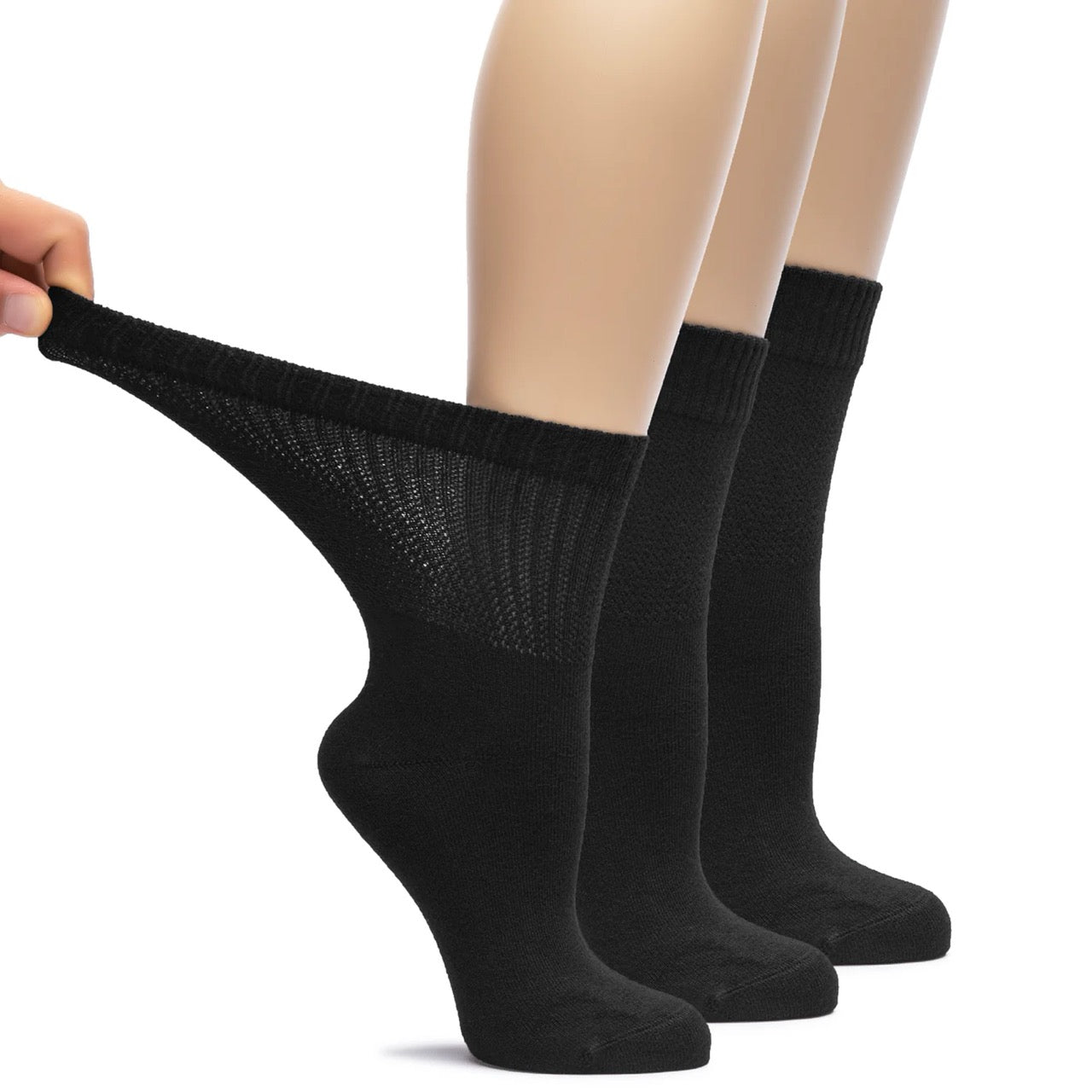
A highly suitable option is Hugh Ugoli’s Unisex Cotton Diabetic Crew Socks, which offer non-binding comfort, cushioning, and excellent moisture management—ideal for preventing irritation in sensitive feet.
Whether using light compression or non-binding socks, circulation-friendly design is key. Seniors should look for socks that:
For seniors with swelling and pain, a doctor may recommend graduated compression, which gently squeezes the lower leg to promote upward blood flow. These socks can help reduce the risk of blood pooling, thereby lowering the chance of a blood clot. But again, professional guidance is essential.
Although wearing compression socks is beneficial for many, some conditions require caution:
In such situations, a soft, non-binding diabetic sock may be safer than any level of compression.
Whether selecting wellness socks, diabetic socks, or compression designs, seniors and caregivers should consider:
Socks may seem like a small detail, but for seniors, they can dramatically improve daily comfort, prevent complications, and support healthy circulation. Whether using non-binding diabetic socks for everyday wear or doctor-recommended compression styles for specific conditions, choosing the right pair makes all the difference.
For further reading on senior foot comfort, we recommend exploring one of our earlier blogs about circulation-friendly socks—another helpful resource for understanding how footwear supports long-term wellness.
He has been working for more than 20 years in the textile industry and has work experience in many parts of the world.