Cart
0
You may also like
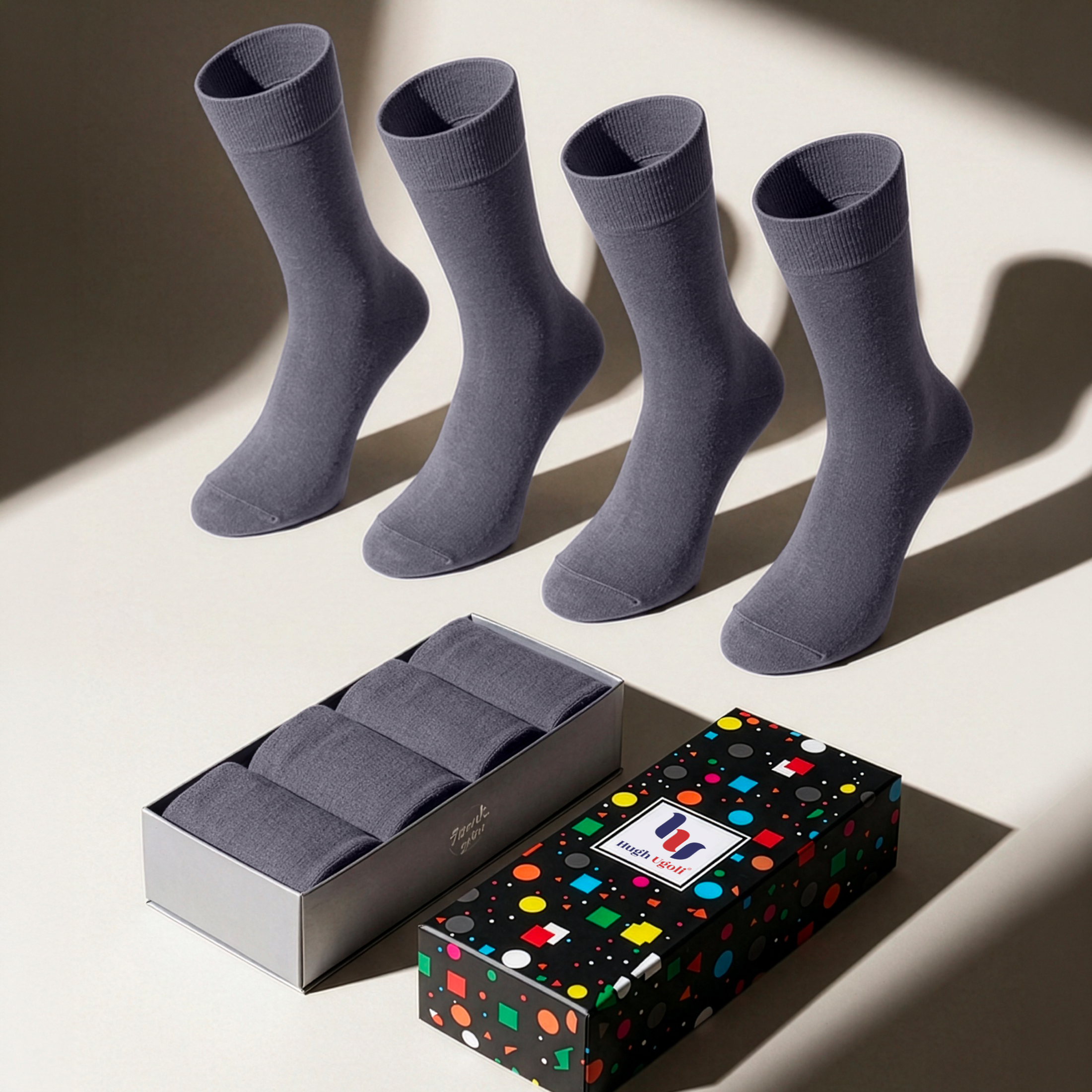
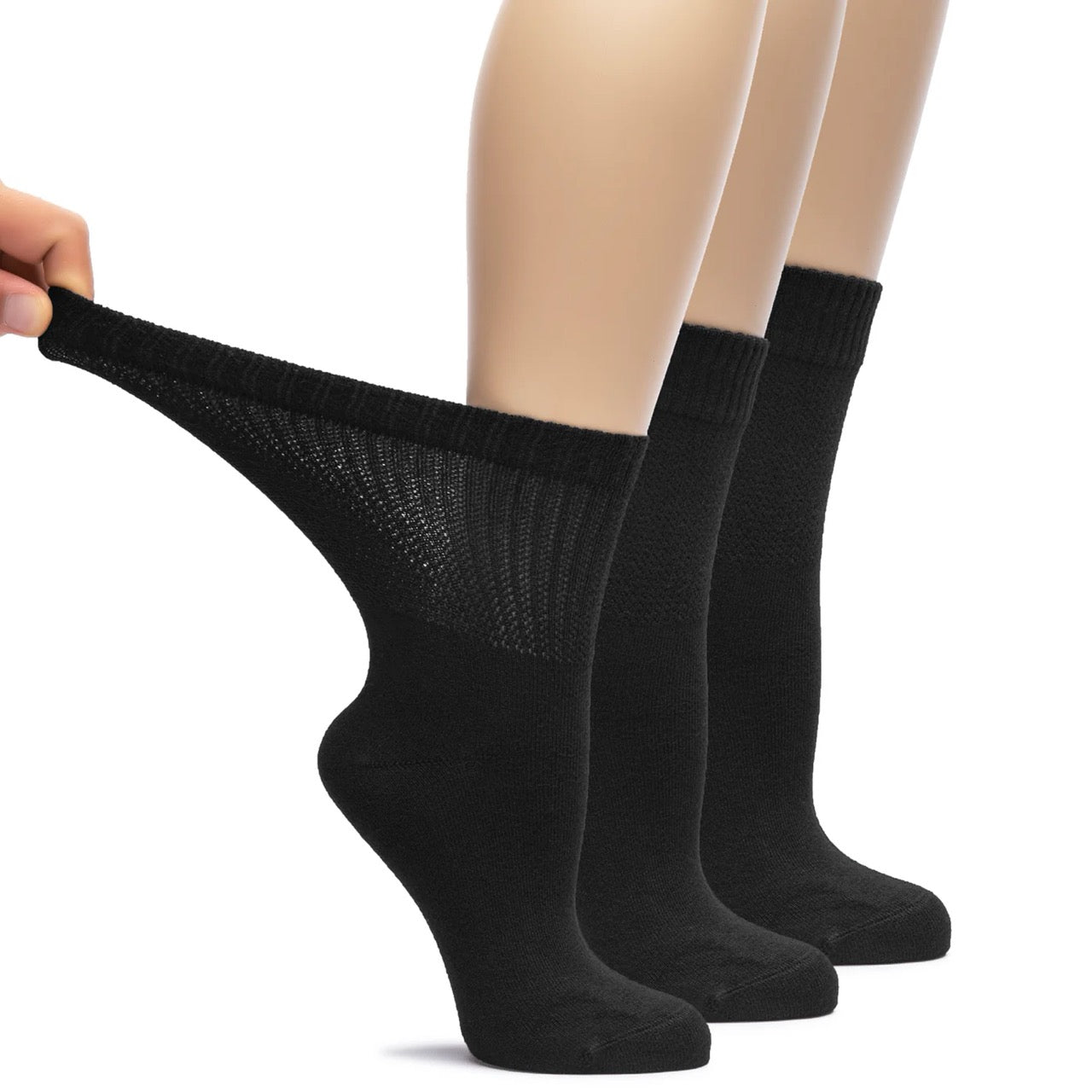
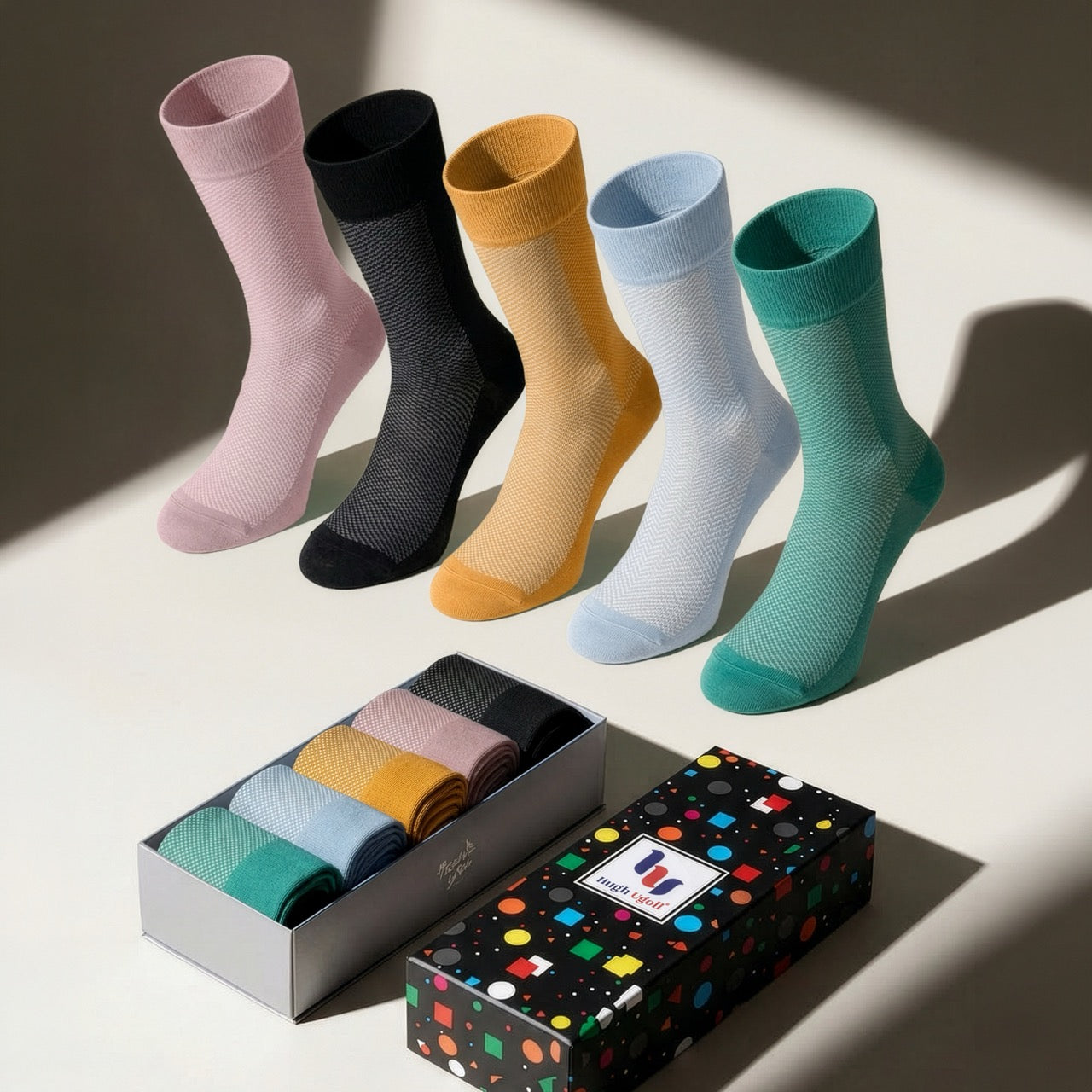
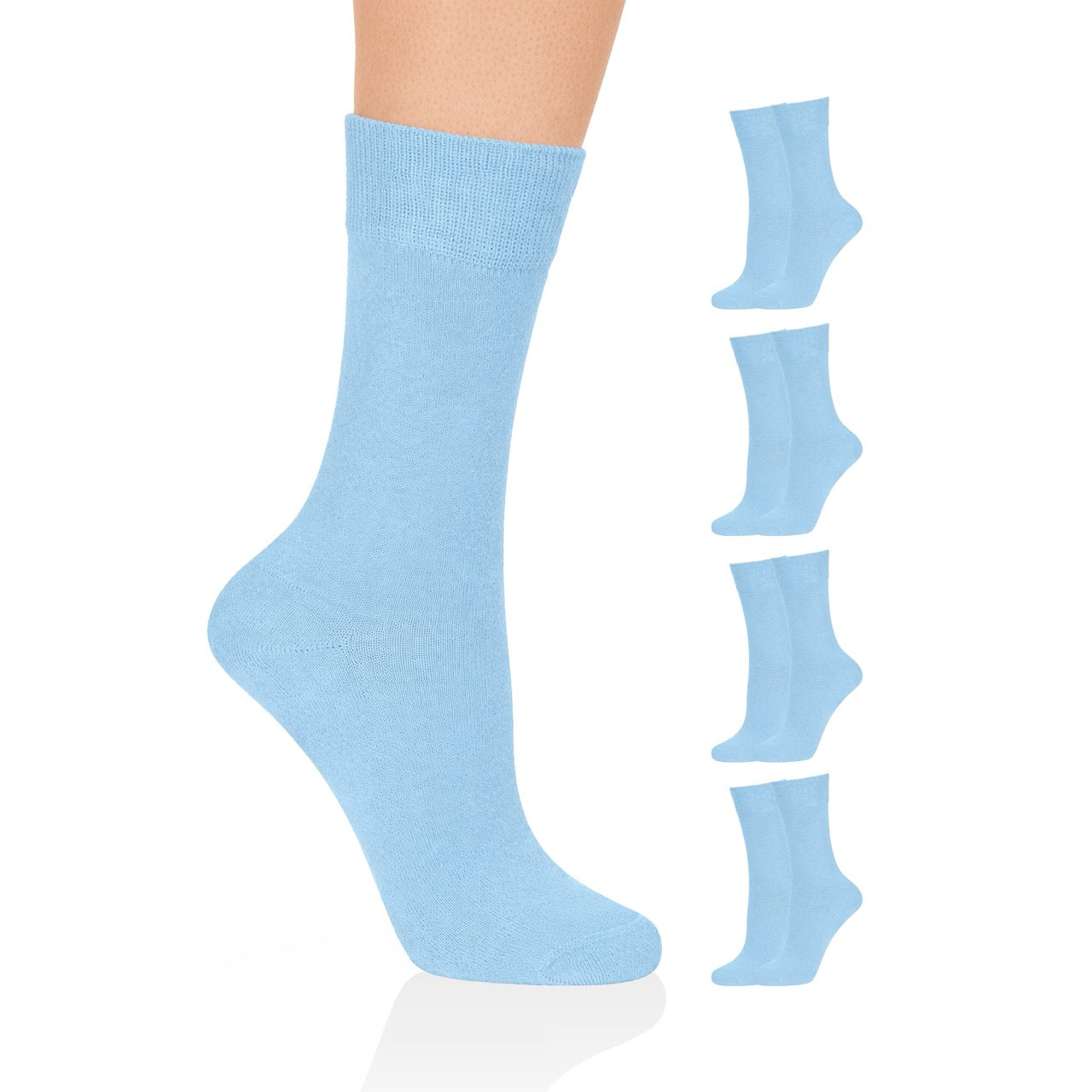
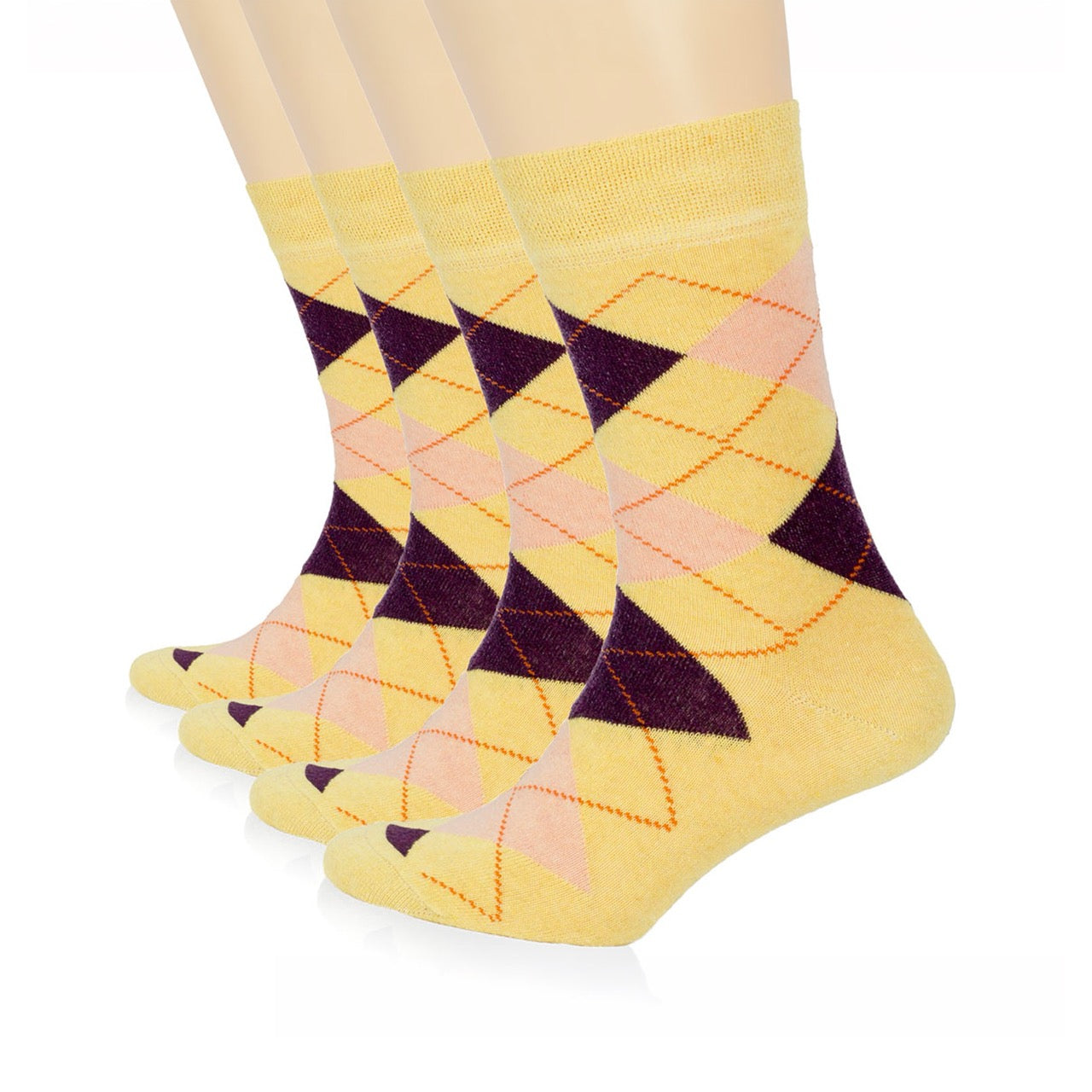
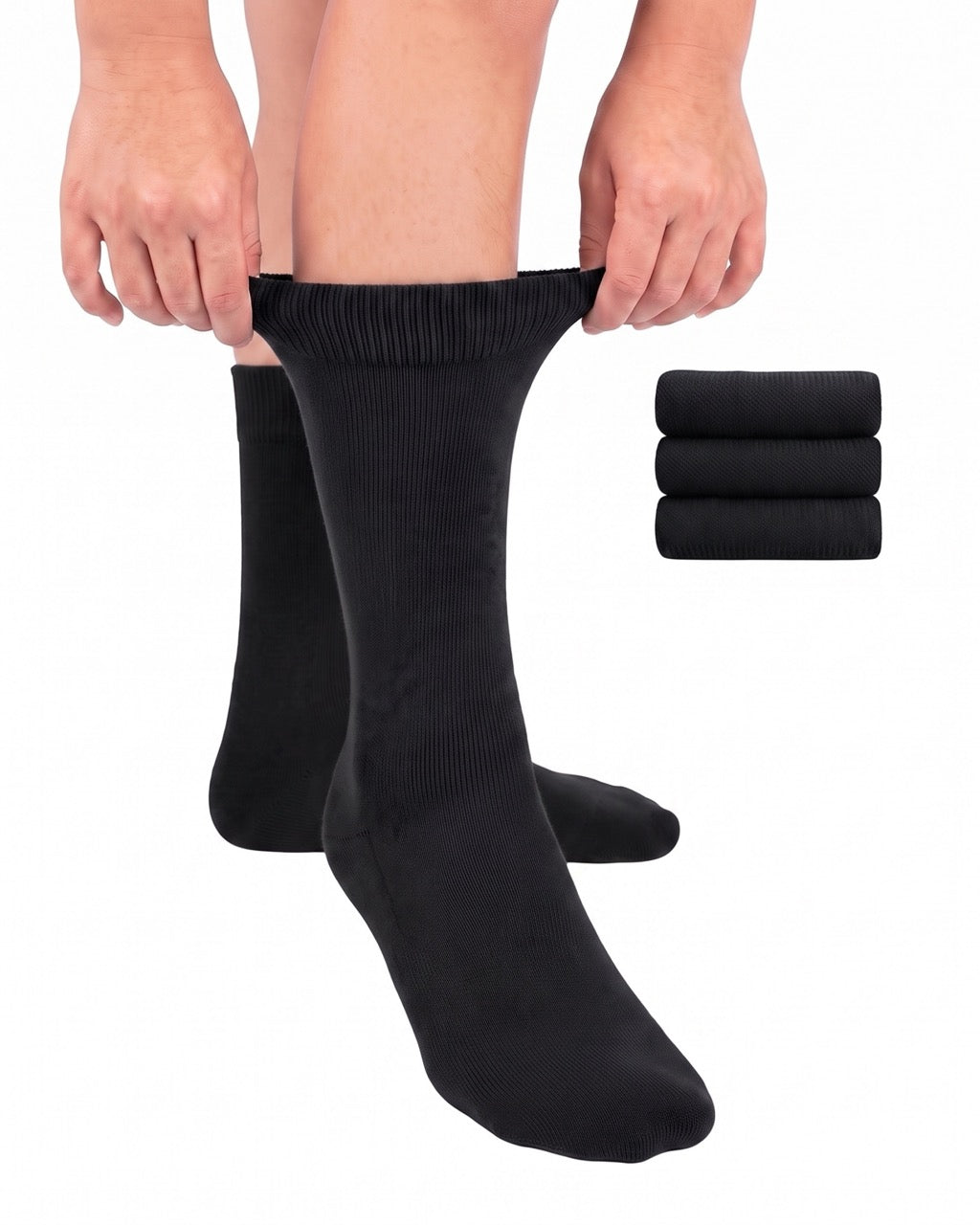
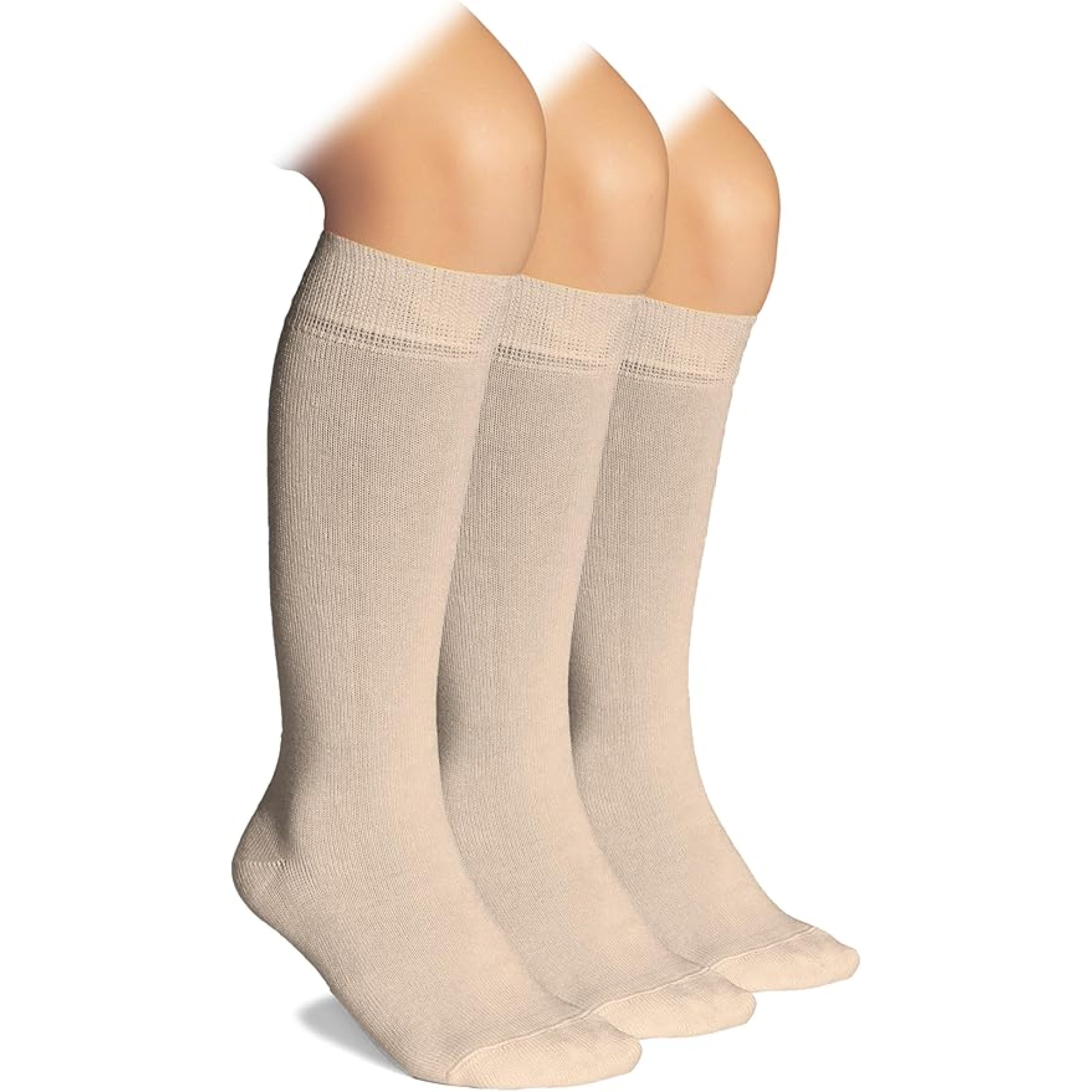


The upcoming 2025–2026 travel season is shaping up to be one of the busiest in years. Whether you're planning winter road trips, long-haul flights, or snowy cabin getaways, one underrated essential can make or break your comfort: the right pair of socks. Hours of sitting, changes in cabin pressure, cold air, and limited movement all impact foot health. Choosing socks with moisture-wicking performance, warmth, and gentle circulation support ensures your feet stay dry, cozy, and protected throughout your travel days.
From knee-high designs for added warmth to soft wool blends for winter comfort, the right socks can help reduce swelling, avoid irritation, and keep you comfortable during long periods of sitting or walking. This guide explores the best sock features for flights, driving, and cold-weather adventures—plus a product recommendation from the Hugh Ugoli collection based on what travelers look for most.
Travel exposes your feet to unusual conditions. On a long flight, reduced cabin pressure and minimal movement can slow blood flow, leading to swelling or discomfort. During winter drives or road trips, cold temperatures make it essential to keep your feet warm and dry. And if you're walking through snowy streets or exploring new cities, you need cushioning and materials that support your movements for long hours.
A good pair of travel socks solves these issues with smart design and high-quality fibers. The right materials minimize sweat, enhance warmth, and reduce swelling—especially helpful for travelers prone to foot sensitivity or circulation concerns.
On winter road trips or snowy vacations, your feet spend long periods inside boots. That means sweat becomes trapped, increasing the chance of odor, friction, and irritation. Socks made with moisture-wicking yarns pull moisture away from the skin so your feet stay dry, even during long hours of wear.
Materials like merino wool blends, nylon, and spandex offer a balance of warmth, flexibility, and dryness—ideal for cold climates as well as temperature changes inside airplanes.
Winter vacations often mean colder climates. Wool socks, particularly those made with a merino wool blend, regulate temperature naturally. They help keep your feet warm in extreme cold while avoiding overheating indoors. This adaptability makes them one of the best choices for trips that involve both outdoor activities and long indoor transits.
Swelling happens on long-haul flights because sitting limits calf muscle movement, which slows the return of blood upward. While travelers often consider pairs of compression socks, not everyone needs high or medical-grade support.
Even minimal, travel-friendly support socks—lightly structured around the arch or lower leg—can help reduce swelling and maintain comfort. If compression is recommended, choose levels measured in millimeters of mercury (mmHg) appropriate for your needs and doctor’s guidance.
When you're on your feet for sightseeing or sitting for hours on a plane, irritation is the last thing you want. A seamless toe closure reduces friction and prevents rubbing inside shoes or boots.
During travel—especially cold-weather travel—your feet may swell slightly, making socks harder to pull on. Look for designs that are easy to put on yet snug enough to stay in place inside shoes.

The combination of dry cabin air, limited movement, and cold temperatures makes flights particularly challenging. The best socks for flying include:
If you choose compression, select a moderate level and avoid anything too tight unless medically recommended.
Whether you’re driving through snowy mountain passes or visiting family for the holidays, comfort makes a huge difference when you’re in the car for hours.
These socks retain heat while staying breathable, making them perfect for winter driving.
Snowshoeing, skiing, hiking, or even exploring winter markets require socks that balance warmth, dryness, and comfort.
If your activities involve intense walking or climbing, a well-fitted wool travel sock is essential.
For winter travel, long road trips, and plane journeys, one standout from the Hugh Ugoli collection is the Women’s Bamboo Diabetic Crew Socks. Though designed with diabetics in mind, their moisture-wicking softness, gentle structure, and breathability make them excellent for anyone spending long hours sitting or walking.
These socks are especially helpful for reducing irritation and keeping feet dry—crucial during long-haul flights and cold-weather travel days.
If you’re wearing boots, choose thicker wool or blended socks. For athletic shoes or travel sneakers, something lighter and more flexible works best.
Even in winter, sweat happens. Moisture-wicking is non-negotiable for comfort and odor prevention.
Even non-compression socks can offer light structure to reduce fatigue and swelling.
Because travel is unpredictable, bringing extra pairs of socks ensures you’re prepared for wet conditions or temperature changes.
For more cold-weather options, check out our Women Winter Socks collection, and for more on staying comfortable while flying, see High-Flying Comfort: What to Wear on Your Feet During a Long Flight and Which Diabetic Socks Are Best For Air Travel?.
Whether you're navigating airports, exploring snowy streets, or embarking on long winter road trips, the right socks offer warmth, dryness, and better circulation. With smart materials like merino wool blends, supportive designs, and seamless construction, travel socks provide comfort that lasts through every journey.
For more travel-friendly insights, we recommend exploring one of our earlier blogs about staying warm and comfortable during winter adventures—another great resource for preparing your cold-season wardrobe.
He has been working for more than 20 years in the textile industry and has work experience in many parts of the world.