Cart
0
You may also like

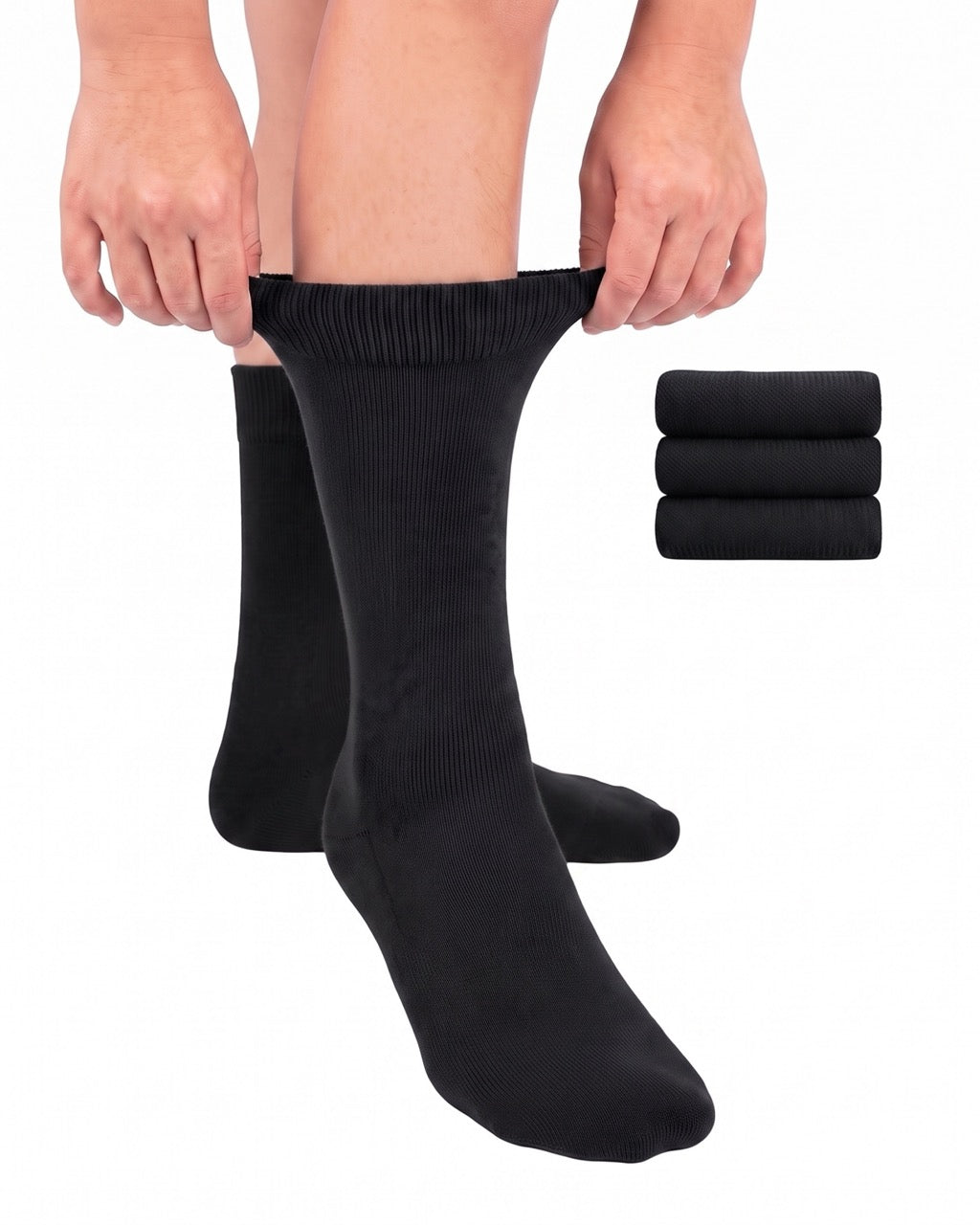


A persistent burning sensation in your feet can range from mildly uncomfortable to disruptive enough to affect sleep, movement, and daily life. Some people describe it as heat, tingling, or sharp discomfort, while others say their feet feel unusually warm or sensitive after long days.
Although burning feet can have several causes, the right socks may help improve comfort and reduce irritation in certain situations.
Burning feet syndrome can be linked to circulation issues, nerve damage, pressure on the feet, infections, or medical conditions such as peripheral neuropathy. While socks cannot treat the underlying cause, breathable and non-restrictive socks may help improve comfort and support healthier blood flow.
Burning feet syndrome refers to a feeling of warmth, tingling, or burning discomfort in the feet. In some cases, the feet may simply feel hot. In others, symptoms may include:
The severity can vary from occasional discomfort to a more persistent issue.
There are many common causes of burning feet, ranging from temporary irritation to medical conditions.
Peripheral neuropathy is one of the most common causes. It occurs when the peripheral nerves become damaged.
Symptoms may include:
This type of nerve damage is especially common in people with diabetes.
Circulation problems can also cause feet to burn or feel hot.
Reduced blood flow may result from:
Restricted circulation may increase discomfort over time.
Shoes that are too tight can compress nerves and reduce airflow around the feet.
This may lead to:
Combined with thick or restrictive socks, discomfort can become worse.
Tarsal tunnel syndrome occurs when nerves inside the ankle become compressed.
Symptoms often include:
The discomfort may worsen during long periods of standing or walking.
A fungal infection such as athlete’s foot can cause burning, itching, and irritation.
Warm, moist environments increase the likelihood of infection, especially when feet cannot breathe properly.
Certain vitamin deficiencies, particularly involving B vitamins, may affect nerve health.
This can contribute to:
Rheumatoid arthritis may also contribute to burning feet due to inflammation affecting joints and nerves.
Inflammation can create pressure that leads to discomfort and heat sensations.
Some medications, including certain chemotherapy drugs, may affect the nerves and lead to burning sensations in the feet.
This type of discomfort is often associated with long-term nerve sensitivity.

Yes. The wrong socks can increase discomfort.
Socks that trap heat and moisture may worsen symptoms, especially when feet already feel hot.
While socks cannot cure the underlying cause, the right pair may improve comfort and reduce irritation.
Breathable materials help reduce overheating and improve airflow.
This can help:
Loose, non-binding socks reduce pressure around the ankle and calf.
This supports healthier blood flow and may reduce irritation caused by tight elastic bands.
Socks that manage moisture effectively help maintain a drier environment.
This can lower the risk of:
Smooth seams and soft materials help protect sensitive feet.
This is especially helpful for individuals experiencing peripheral neuropathy or other forms of nerve damage.
Some individuals benefit from socks designed for sensitive feet.
Specialized diabetic socks focus on:
These features may help improve comfort for people with diabetes.
In addition to choosing better socks, simple daily habits can reduce discomfort.
These steps support overall foot comfort and circulation.
Occasional warmth or discomfort may not be serious, but persistent symptoms should not be ignored.
You should seek medical advice if:
A healthcare provider can evaluate potential underlying causes and recommend proper treatment.
A burning sensation in your feet can have many causes, from temporary irritation to underlying nerve or circulation conditions. While socks alone cannot solve the problem, choosing breathable, non-restrictive socks may help improve comfort and support healthier blood flow.
Paying attention to footwear, sock materials, and daily foot care can make a meaningful difference in managing discomfort over the long term.
Peripheral neuropathy is one of the most common causes, especially in people with diabetes.
Yes. Tight socks may reduce circulation and increase irritation or heat buildup.
They may help improve comfort by reducing heat and moisture around the feet.
Yes. A fungal infection can lead to burning, itching, and irritation.
If symptoms are persistent, severe, or accompanied by numbness or weakness, consult a healthcare professional.
He has been working for more than 20 years in the textile industry and has work experience in many parts of the world.